
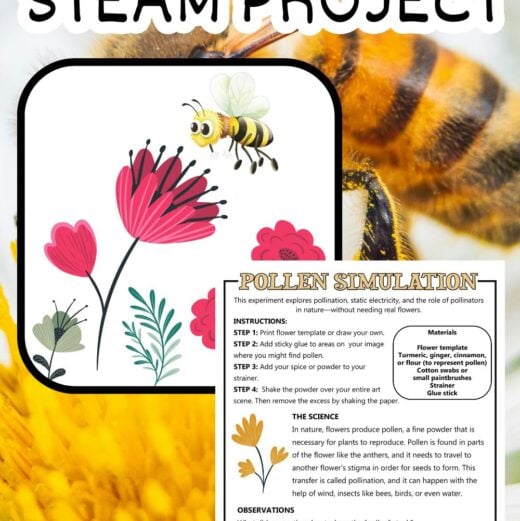
Learn how pollination works with this simple and engaging pollen simulation activity! Kids explore how pollen moves from one flower to another using a hands-on model that demonstrates plant reproduction in action.
This easy flower science experiment is perfect for spring learning, classroom activities, or homeschool lessons. It combines biology, observation, and a little bit of messy fun to help kids understand an important process in nature.
👉 Explore more in our flower activities for kids and plant science experiments for hands-on learning.
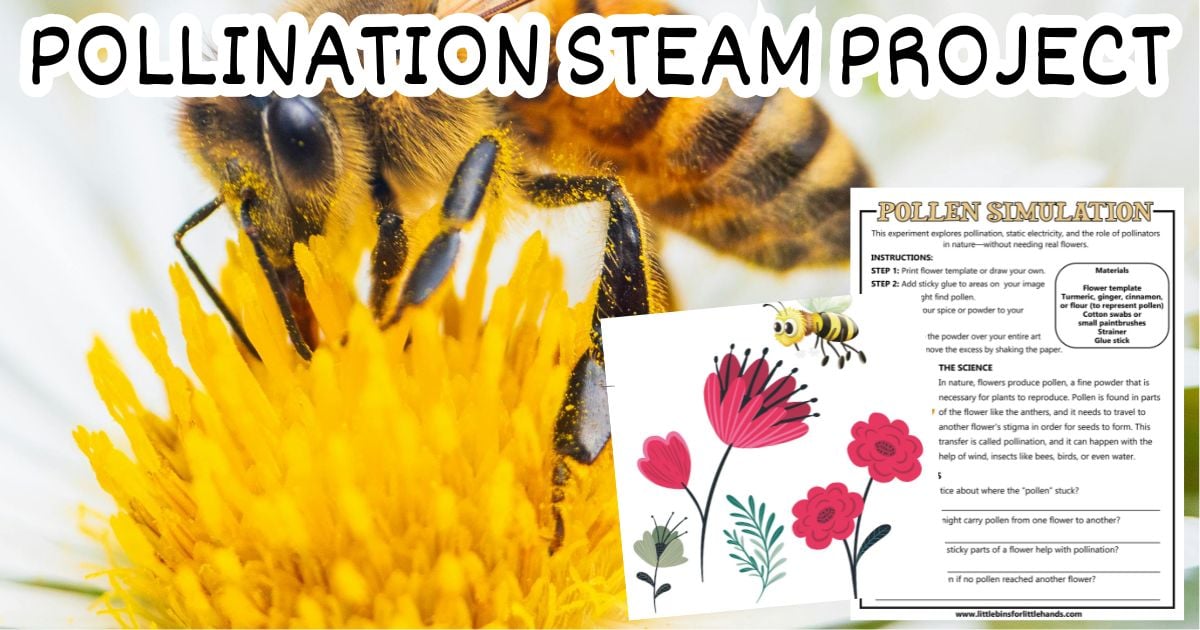
Pollination Experiment for Kids
Field: Biology—Plant Science
Grades: K–4
Concepts Explored: Pollination, plant reproduction, structure of flowers, pollinators, static electricity (optional connection)
Pollination is the process of moving pollen from one part of a flower to another. This step is necessary for plants to produce seeds.
Flowers create pollen in the anthers. The pollen must travel to the stigma of another flower for fertilization to happen.
This transfer can occur through:
- Insects like bees
- Birds
- Wind
- Water
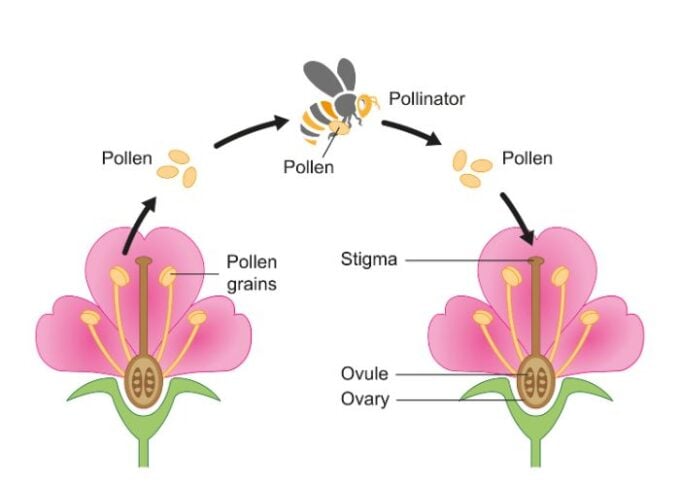
In this activity, the powder acts like pollen, and students observe how it sticks and spreads—just like in real life.
Supplies Needed
- Flower template (or draw your own flowers)
- Ground spices, flour, or powdered materials (turmeric, cinnamon, ginger work great)
- Cotton swabs or small paintbrushes
- Strainer (optional but helpful)
- Glue stick
How To Do the Pollination Experiment
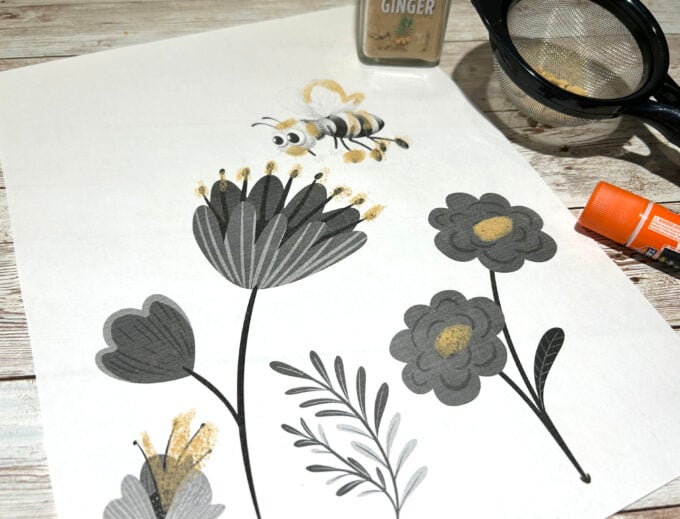
- Print the flower template or draw your own flowers on paper.
- Add glue to the parts of the flower where pollen would be found (the center areas).
- Place your powder into a strainer or sprinkle it gently over the paper.
- Shake off the excess powder.
- Observe where the “pollen” sticks and how it spreads across the flowers.
Pollination Science Information
Pollination is a key step in the life cycle of flowering plants.
Pollen is a fine powder that contains the plant’s male reproductive cells. It is produced in the anther and must reach the stigma for fertilization to occur.
Some flowers rely on animals like bees to carry pollen. When a bee lands on a flower, pollen sticks to its body. As the bee moves to another flower, some of that pollen transfers, helping the plant reproduce.
Other plants rely on wind to move pollen. These plants often produce large amounts of lightweight pollen that can travel through the air.
In this activity, the powder sticks to glue, showing how pollen can stick to surfaces. This models how pollen sticks to insects or other carriers in nature.
💡 Tip: Point out that sticky surfaces help pollen transfer more effectively—just like the glue in this activity.
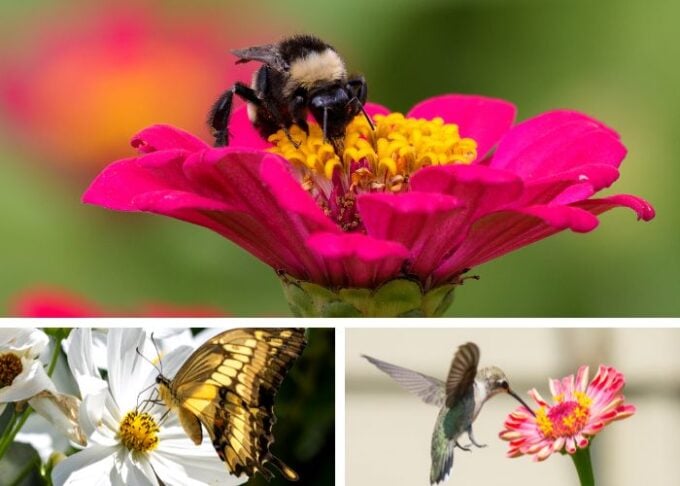
More Facts for Kids
- Bees are one of the most important pollinators
- Some flowers only open at certain times to attract specific pollinators
- Wind-pollinated plants often do not have bright petals
- Without pollination, many plants cannot produce fruit or seeds
Extension Activities
- Try a real flower dissection to locate anthers and stigma
- Create a flower life cycle diagram
- Pair with a plant growth experiment
- Explore more with our pollinator activity guide
- Learn more about the life cycle of a bee


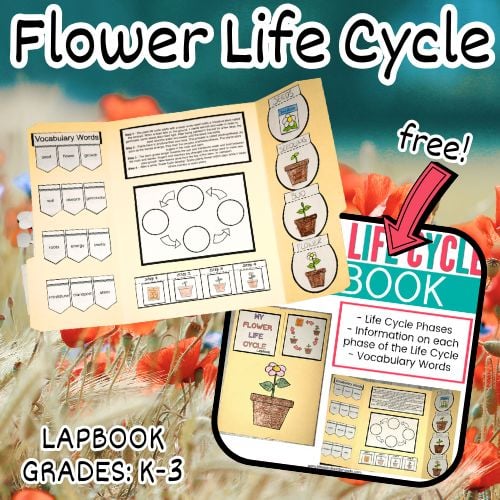
Grab the Free Pollenation STEAM Printable
Make this activity even easier with a ready-to-use printable!
👉 Download your Pollination Simulation Worksheet and observation page to guide your experiment and record results.
Pollination FAQ
What is pollination for kids?
Pollination is how plants move pollen from one flower to another so they can make seeds.
What materials can I use for pollen?
Flour, spices, or any fine powder works well to represent pollen.
What age is this activity for?
This activity works well for kindergarten through upper elementary with simple adjustments.
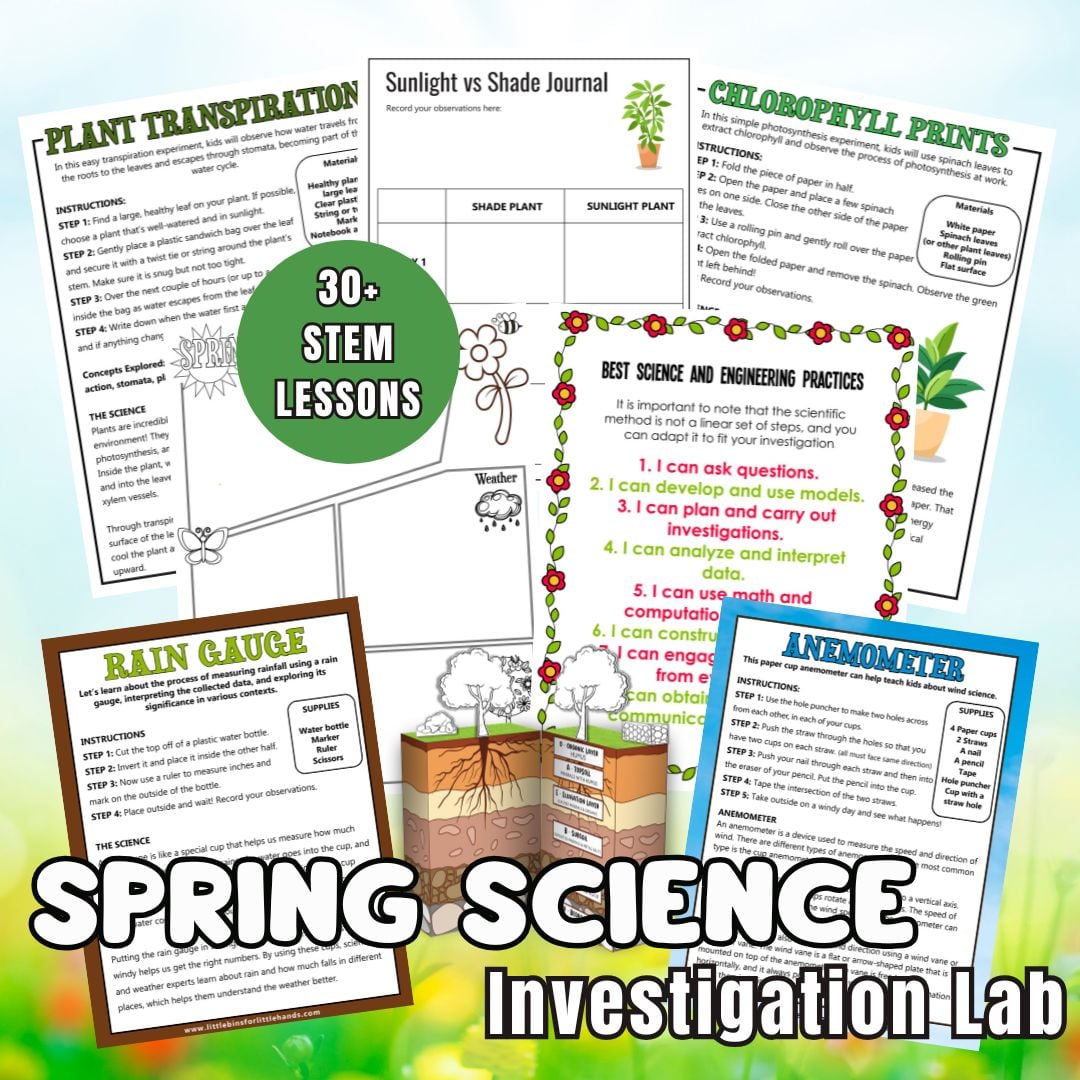
If you’re looking for a ready-to-use collection of investigations, explore our Spring STEM Project Pack, which includes 30 hands-on science and engineering activities covering plants, weather, earth science, life cycles, and STEM challenges.