
Did you know that photosynthesis is how plants create food using sunlight, carbon dioxide, and water? In this simple photosynthesis experiment, kids will use spinach leaves to extract chlorophyll and observe the process of photosynthesis at work.

Photosynthesis Experiment with Chlorophyll
Field of Science: Biology
Grade Level: K-5
Concepts Explored: Photosynthesis, chlorophyll, oxygen production, rate of photosynthesis, plant pigments
Photosynthesis is the process by which plants convert light energy from the sun into chemical energy stored as glucose. Inside each plant cell, specialized chloroplasts contain chlorophyll, the green pigment that absorbs sunlight. During this reaction, plants take in carbon dioxide and release oxygen gas through tiny openings called stomata on the plant’s leaves.
🔎 Make a playdough plant cell or print out this 3D plant cell to assemble to explore inside the plant cell.
This photosynthesis experiment helps kids see how chlorophyll absorbs light energy, which plants use to make oxygen and food (carbohydrates).
Supplies Needed
- White paper
- Spinach leaves (or other plant leaves)
- Rolling pin
- Flat surface
How to Set Up a Photosynthesis Experiment
🔎 Explore move biology experiments here. With the leftover spinach, try our Glowing Spinach Experiment to explore chlorophyll in more fun ways.
Fold the piece of paper in half.
Open the paper and place a few spinach leaves on one side. Close the other side of the paper over the leaves.

Use a rolling pin and gently roll over the paper to extract chlorophyll.
Open the folded paper and remove the spinach. Observe the green pigment left behind!

Photosynthesis Science Information
Plants make their food using photosynthesis. They use sunlight, carbon dioxide from the air, and water from the ground to create glucose (a type of sugar) for energy. A special part inside each plant cell called a chloroplast holds chlorophyll, the green stuff that helps plants capture light energy.
When you pressed the spinach leaves in this experiment, you released the chlorophyll inside the leaves and saw its green pigment on the paper. That chlorophyll is what plants use to soak up the sun’s energy! This energy helps the plant make oxygen for us to breathe and food (or chemical energy) for itself to grow.
More Facts for Kids
- Chlorophyll absorbs red and blue light but reflects green light, making plants appear green.
- The production of oxygen during photosynthesis helps humans and animals breathe.
- Some plants, like algae, also undergo photosynthesis in water.
Related Plant Activities
🔎 Find even more Plant Experiments for kids here.
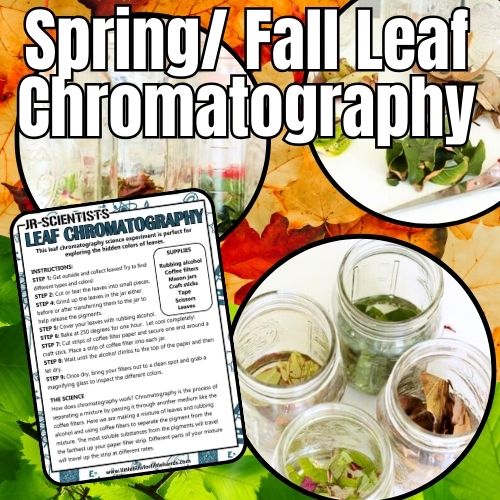
- Leaf Chromatography Science Experiment – Discover how different pigments in leaves separate using a simple chromatography technique.
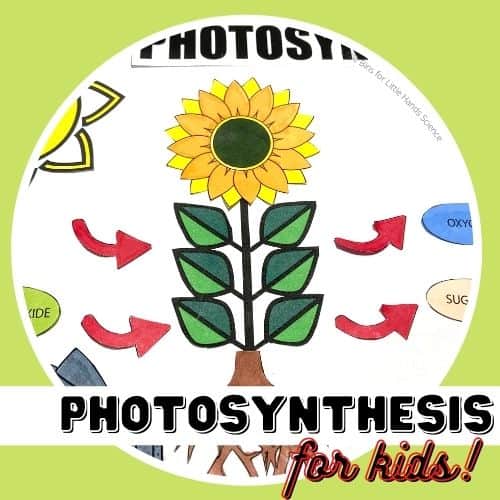
- Photosynthesis Printable – A fun, interactive way to learn about the process of photosynthesis, including the role of chlorophyll, sunlight, carbon dioxide, and oxygen.
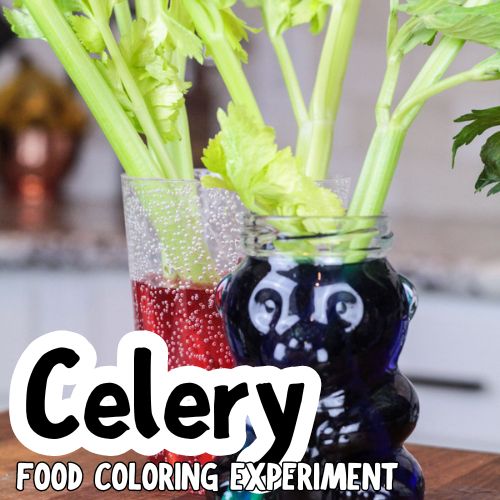
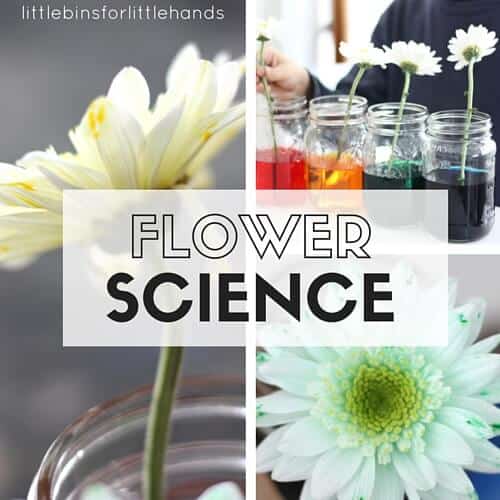
- Color-Changing Flowers or Celery Experiment – Watch how plants drink water and transport it through their stems and leaves using capillary action and transpiration.
- Color-Changing Leaves Science – Explore why leaves change color in the fall and what happens when chlorophyll breaks down.
- Playdough Plant Cell Model – Build a plant cell with playdough to learn about its different parts, including the chloroplasts that carry out photosynthesis.
- 3D Plant Cell Model Printable – Create a printable 3D model of a plant cell, labeling key organelles like the chloroplasts, nucleus, and vacuole.
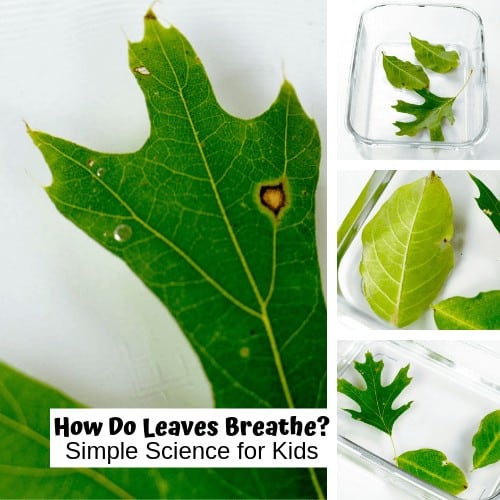
- How Leaves and Plants Breathe Experiment – Observe oxygen bubbles forming as leaves release oxygen during photosynthesis.
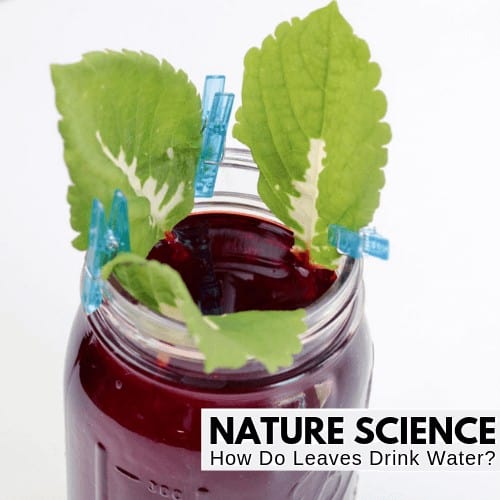
- How Leaves Drink Experiment – A simple way to show how leaves absorb and transport water through their veins.


Printable Plant Activities Pack
Explore 20+ Plant Activities for Kids! 🌱 Looking for fun and educational plant-themed activities? This comprehensive Plant Activity Pack is perfect for early elementary school grades, providing hands-on learning experiences that fit any skill level! These activities are ideal for classroom and at-home learning, whether for fall or spring science lessons.