
What happens to rain or melting snow when it can’t soak into the ground? Explore stormwater runoff with a hands-on science activity perfect for Earth Day activities or environmental science units! Learn how water carries pollution, and discover ways to help reduce stormwater runoff in your neighborhood.
👉This is a fantastic activity to add to a water pollution unit
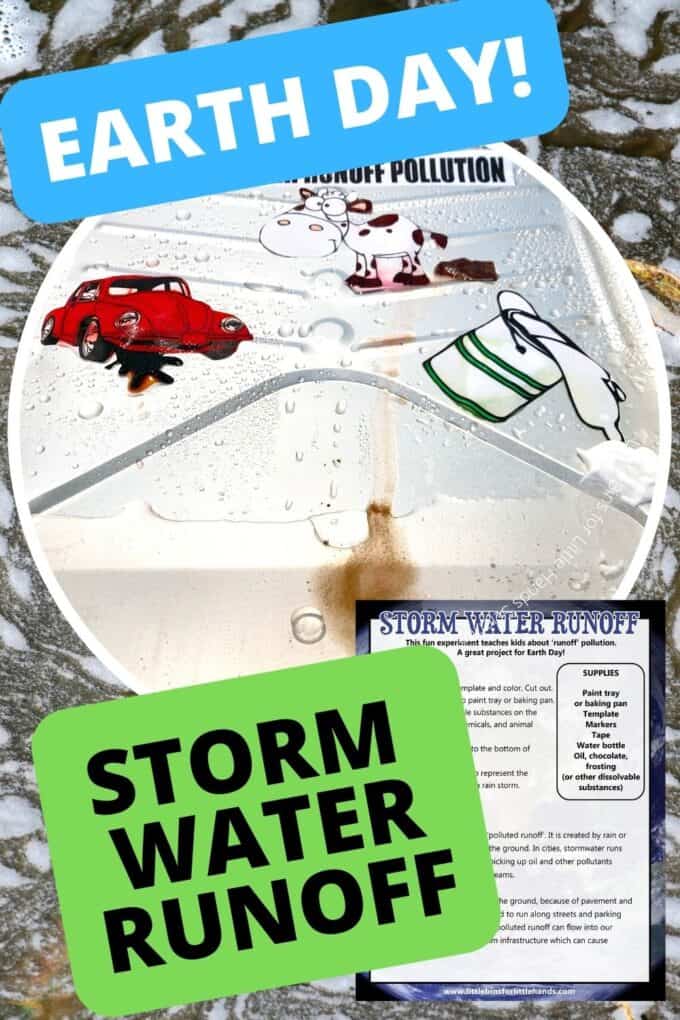
Stormwater Runoff Project
Field of Science: Environmental Science
Grade Level: K-5
Concepts Explored: Stormwater runoff, pollution, water cycle, sustainability
Stormwater is water from rain or melting snow that isn’t absorbed into the ground. In cities and towns, hard surfaces like roads and sidewalks prevent water from soaking into the soil. Instead, it runs off these surfaces, collecting dirt, oil, garbage, and other pollutants. This is called stormwater runoff.
Stormwater can carry pollutants into local rivers, lakes, and oceans, harming aquatic life and water quality. By exploring this simple model, kids learn how human activity affects the environment and how they can make a difference.
You can extend this investigation with a water pollution cleanup experiment where students test different tools and materials to remove pollutants.
Supplies Needed
- Paint tray or baking pan
- Printable stormwater runoff worksheet
- Markers or crayons
- Tape
- Water spray bottle
- Pollutant examples: oil, chocolate syrup, frosting, shaving cream, salt, sand, etc.
Stormwater Runoff Experiment Set Up
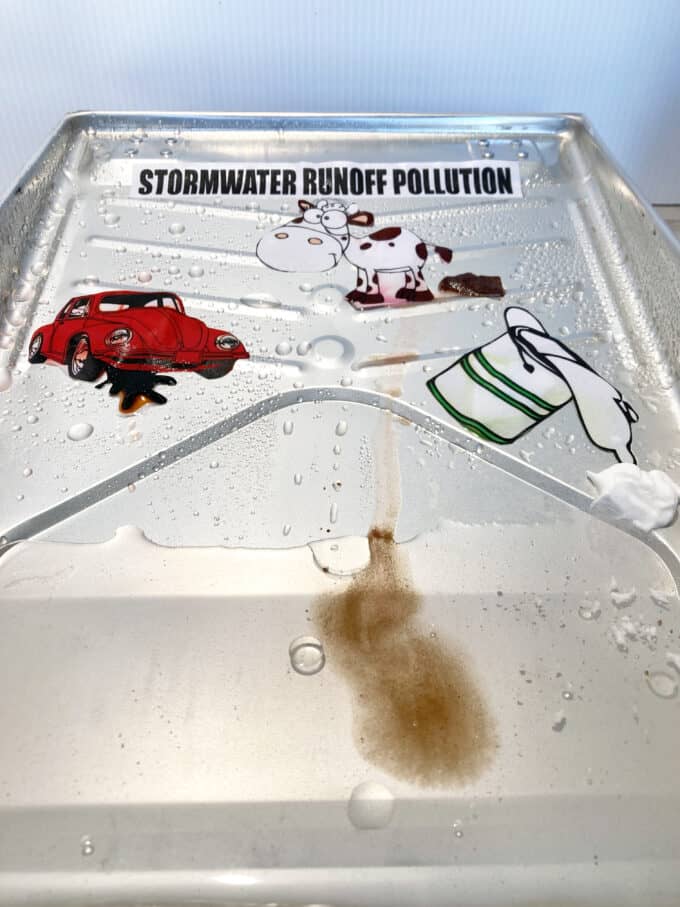
STEP 1: Print and color the stormwater runoff worksheet. Cut out the images.
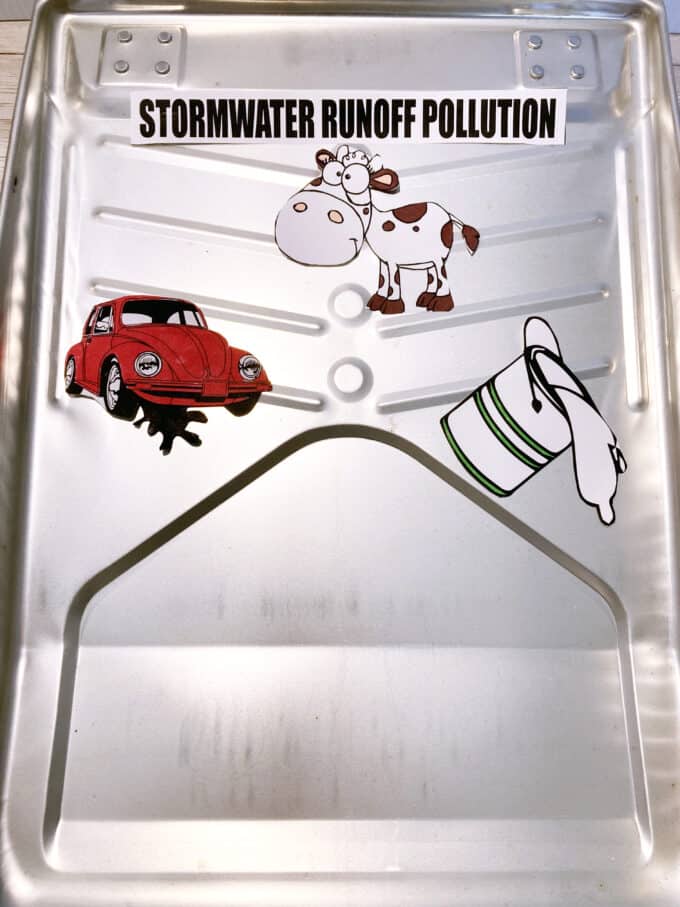
STEP 2: Tape the images into your paint tray or baking pan to represent roads, grass, storm drains, etc.
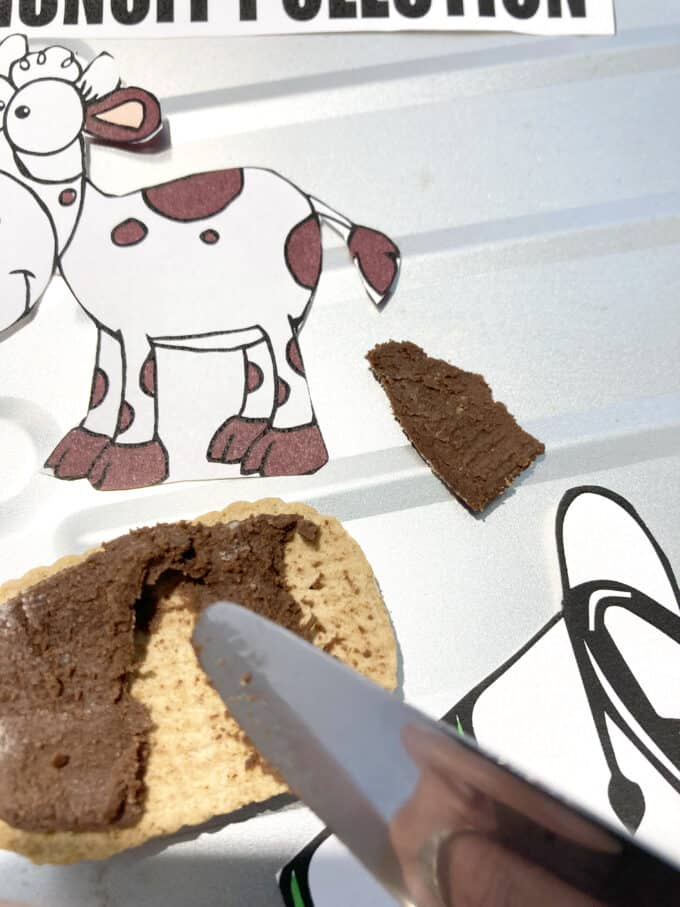
STEP 3: Add substances like oil or syrup to represent pollutants. Place small amounts on the hard surfaces.
STEP 4: Add clean water to the lower part of the tray to simulate a river or stream.
STEP 5: Use the spray bottle to simulate rainfall. Watch what happens to the water and where the pollutants go.
STEP 6: Discuss your observations. Where does the dirty water go? What do you notice about the pollution?
Printable Storm Water Runoff Project
Grab the free instructions and template for the water pollution stormwater runoff project. Add to a science journal for environmental science lessons.

Pollution Science Information
Stormwater runoff happens when rainwater or melted snow can’t soak into the ground. Instead, it flows over surfaces like roads, driveways, and rooftops. This runoff can pick up harmful materials such as car oil, trash, and lawn chemicals.
Urban areas are more affected because of all the paved surfaces. Stormwater pollution can harm fish, plants, and other animals living in rivers and oceans. It also makes cleaning our drinking water more difficult and expensive.
Farms also contribute to stormwater runoff. Fertilizers and pesticides can wash into streams and lakes, causing algae blooms that reduce oxygen and harm aquatic ecosystems.
What helps?
- Planting more trees and gardens
- Using rain barrels
- Washing cars on grass
- Cleaning up trash
- Reducing lawn chemicals
Pollution Facts for Kids
- Stormwater is one of the leading causes of water pollution in urban areas.
- Storm drains often lead directly to rivers, lakes, or oceans without treatment.
- Even leaves, grass clippings, and pet waste can cause pollution when washed away by rain.
- Green infrastructure, like rain gardens and permeable pavements, can help soak up rainwater.
Explore More with Our Water Conservation Pack
Help kids understand the importance of saving water and protecting natural resources! Our Water Conservation Pack is filled with engaging printables and hands-on activities to:
- Teach simple water-saving habits
- Explore how water moves through the environment
- Discover how pollution affects waterways
- Encourage kids to take action at home or at school
Perfect for Earth Day, environmental units, or anytime you want to dive deeper into caring for our planet.
More Environmental Earth Day Activities
🔎 Discover many fun and doable Earth Day activities for kids, including environmental ideas!
- Set up this easy acid rain experiment to explore the effects of acid rain on plants.
- Explore ways to help the Earth by reducing your carbon footprint.
- Learn about the effect of storms on coastal erosion and set up a beach erosion demonstration.
- Set up a simple ocean science experiment that explores the effects of ocean acidification.
- Try this oil spill cleanup experiment to learn about ocean pollution at home or in the classroom.
- Learn about the impact of pollution on the nitrogen cycle and the carbon cycle.