
Can a pine cone predict the weather? Yes, it can! This simple and fascinating pine cone weather station experiment shows how pine cones react to humidity levels and how you can use them to create a weather station at home or school. Add to a fall or spring weather science lesson plan.

Pinecone Weather Station
- Field of Science: Earth Science (Meteorology) & Life Science (Plant Adaptation)
- Grade Level: Adaptable for K–6
- Concepts Explored: Humidity, weather prediction, plant adaptations, observation, and recording data
Pine cones respond to changes in moisture in the air. When it’s dry, their scales open to release seeds. When it’s humid or rainy, the scales close to protect the seeds. This natural reaction makes them a simple hygrometer—a tool to measure moisture in the air. Observing a pine cone’s behavior gives insight into daily weather changes.
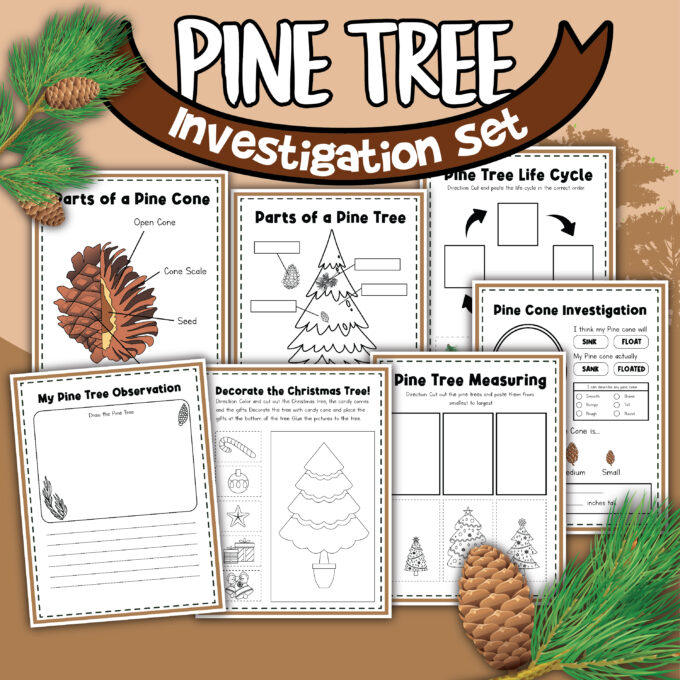
🔎 Explore the life cycle of pine trees here or additional weather science activities here.
Supplies Needed
- A dry, fully open pine cone
- String or twine
- A hook, nail, or outdoor hanging spot
- Notebook and pencil
- Optional: small dish with water, camera or smartphone, thermometer/barometer
How to Make a Pine Cone Weather Station
Prepare your pine cone: Make sure it’s fully dry and opened.
Tie and hang: Use a string to hang the pine cone in a spot exposed to outdoor weather (like a porch or tree branch).

Observe daily: Record whether the pine cone is open or closed.
Compare and log: Check weather forecasts or use instruments like a thermometer/barometer to compare.
Optional setups (Experiment!):
🔎 Here, you can introduce the scientific method to extend the experiment for older kids.
- Place a pine cone indoors on or near a window sill for comparison.
- Put a pine cone in a dish of water to watch it close.
- Hang multiple pine cones in different locations to compare behavior.

Pine Cone Weather Science Information
Pine cones are the seed carriers of conifer trees. Their woody scales open and close depending on the moisture or humidity levels in the air—a response that protects or releases seeds based on the weather. During dry weather, the cone opens to release seeds for better dispersal. When it’s humid or rainy, the cone closes to protect the seeds from mold or rot.
🔎 This natural adaptation can be used to predict humidity and rain. Pine cones work similarly to a hygrometer. You can guess whether the weather will be dry or wet by watching whether your pine cone is open or closed.
This also introduces kids to data collection, observation skills, and cause-and-effect thinking as they see nature respond to the environment.
Pinecone Science Project Pack
This printable pinecone STEM resource has hands-on science and discovery activities for grades K-3 and beyond. From building a pinecone weather station to creating your own observation tray, it’s perfect for your fall or spring learning adventures!

Pine Cone Facts for Kids
- Pine cones don’t move because they’re alive—the drying or swelling of their cells causes them to open and close.
- Not all pine cones react the same. Different species can behave differently!
- This reaction can take several hours or happen quickly, depending on conditions.
Are Pine Cones Alive?
Pine cones were once part of a living tree, but are not alive after falling off. They don’t eat, breathe, or grow—so they’re no longer living things. But they still do something cool…
🔎 Explore living vs non-living things here.
Pine cones can open and close their scales depending on the weather! When it’s dry, they open up. When it’s wet, they close. This isn’t because they’re alive—it’s just how their parts react to moisture, like how a sponge soaks up water.
💡 So, even though pine cones look like they’re moving, it’s a physical reaction, not a living one!
Pinecone Weather Station Extension Activities
- Indoor vs. Outdoor Comparison: Compare two pine cones in different environments.
- Pine Cone in Water Test: Place a pine cone in water and watch it close.
- Digital Observation: Take daily photos to create a time-lapse of pine cone movement.
- Mini Weather Station: Add a barometer and thermometer to compare real tools with your pine cone predictions.
- Graphing Activity: Use a bar graph or line chart to show how often the pine cone correctly predicts rain.
Related Weather Activities
🔎 Find our complete collection of weather science activities here.
- DIY Barometer Project
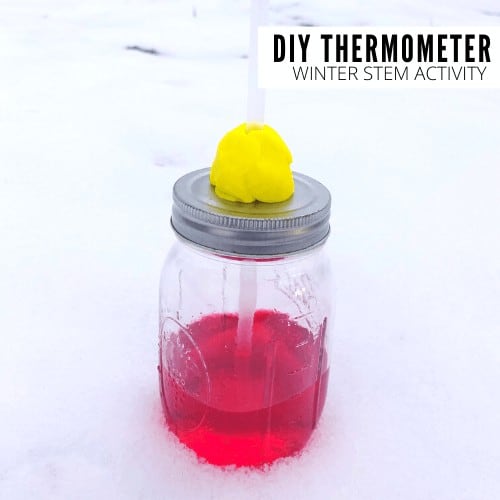
- Make a Thermometer Experiment
- Rain Cloud in a Jar Science Activity
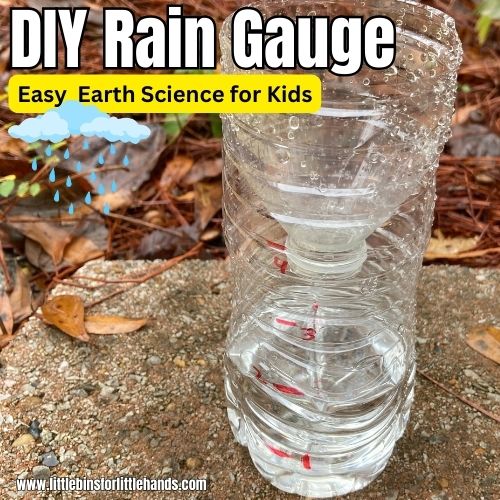
- DIY Rain Gauge
- Create a Weather Station for Kids
- Explore the Life Cycle of a Pine Tree
- Make Rain Painting Art