
Love exploding experiments? YES!! Well, here’s another one the kids are sure to love, except this one is an imploding or collapsing experiment! All you need is a Coke can, ice, and water. Learn about atmospheric pressure with this incredible crushed can experiment. We love easy science experiments for kids!
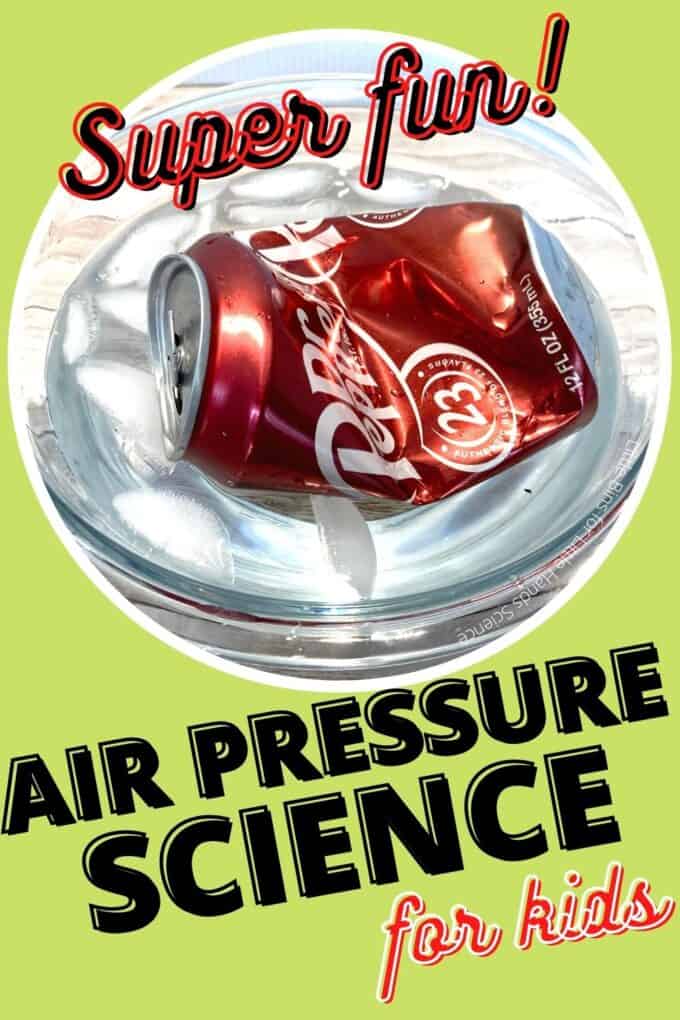
Crushed Can Experiment
The crushed can experiment is a simple but powerful way to explore air pressure and temperature changes. When a heated can filled with a small amount of water is quickly inverted into cold water, the sudden cooling causes the water vapor inside to condense, creating a vacuum. The greater external air pressure then crushes the can.
This experiment is ideal for grades 3–6 and ties into physical science topics such as states of matter, gas laws, and forces. Learn about physical changes and phase changes!
🔎 Also check out how changes in pressure can suck an egg into a bottle.
Supplies:
- Empty aluminum can
- Water
- Heat source Eg stove burner
- Tongs
- Bowl of ice water
How to Crush a Can with Air Pressure:
STEP 1. Prepare a bowl with ice and water,

STEP 2: Put two tablespoons of water in an empty aluminum can.
STEP 3: Set the can on a stove burner or over a flame until the water in the can turns to steam.
🛑 THIS STEP SHOULD ONLY BE DONE BY AN ADULT!
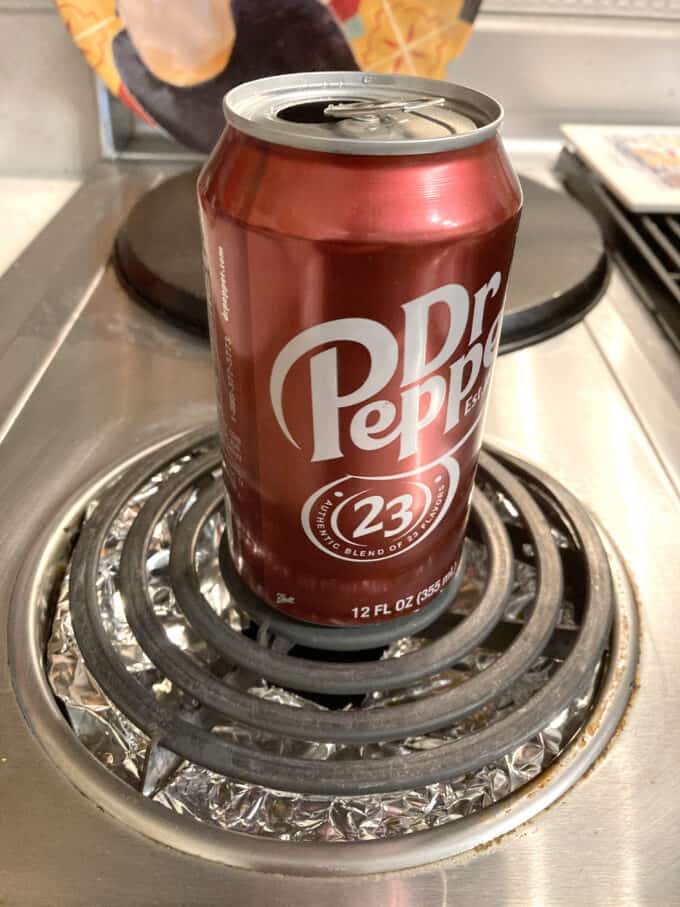
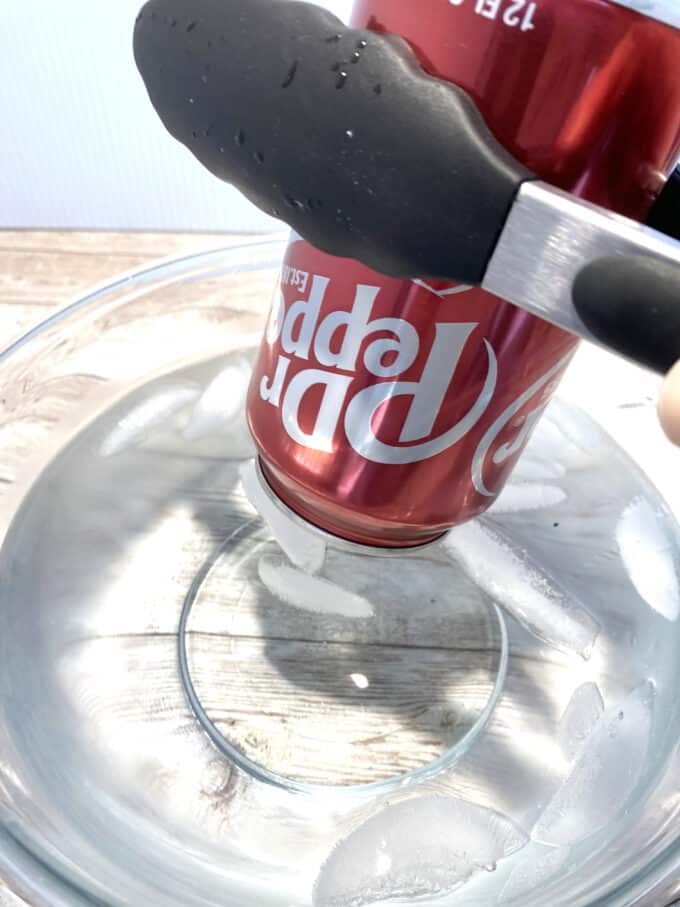
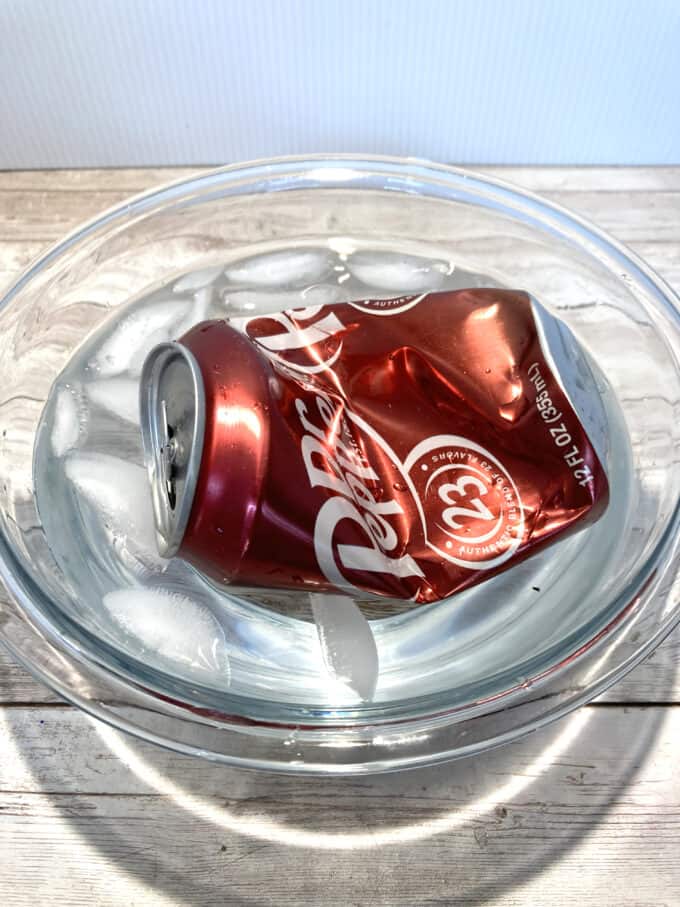
STEP 4: Use an oven mitt or tongs to carefully remove the steaming can from the heat source and immediately turn the can upside down into a bowl of cold water.
Prepare for a loud POP as the can implodes!
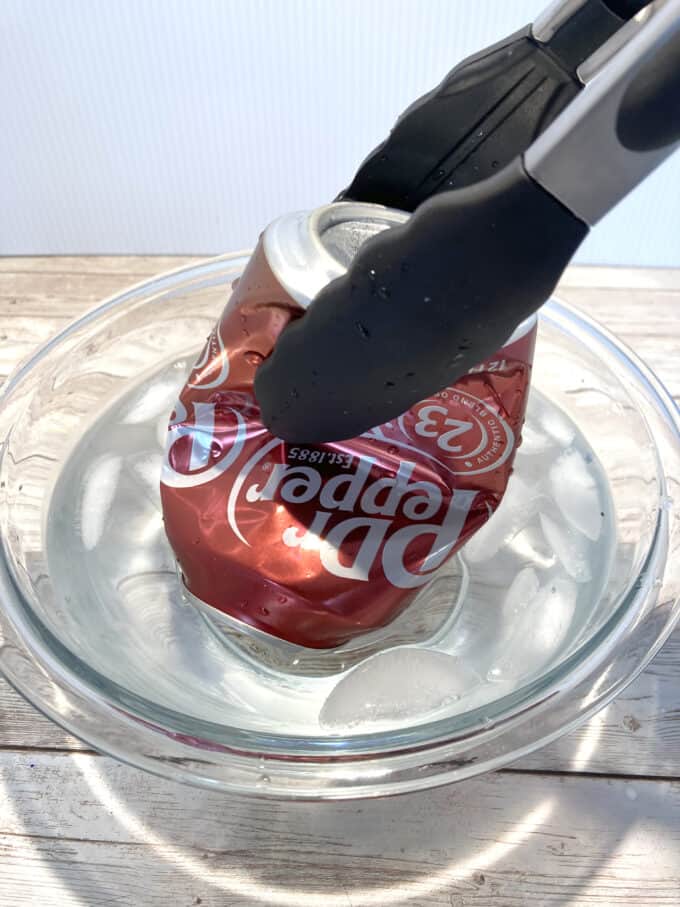
Why Does a Hot Can Crush in Cold Water
This experiment is a great way to explore air pressure, states of matter, and physical changes—perfect for upper elementary grades (3–6).
As the can is heated, the small amount of water inside turns into steam (water vapor), a gas. The gas molecules spread out and fill the entire can, pushing the air out. This shows a phase change from liquid to gas.
The steam condenses back into a liquid when the can is quickly flipped into cold water. This sudden change reduces the number of gas molecules inside the can, lowering the internal air pressure.
Since the air pressure outside the can is now much greater than the pressure inside, it pushes forcefully on the can, causing it to implode—that means the can collapses inward!
💡 Vocabulary Boost:
- Condensation: When a gas turns back into a liquid.
- Air pressure: The force of air pushing on things.
- Physical change: A change that doesn’t create a new substance, like water turning into steam.
- Implode: To collapse or burst inward.
Related Science Experiments to Explore
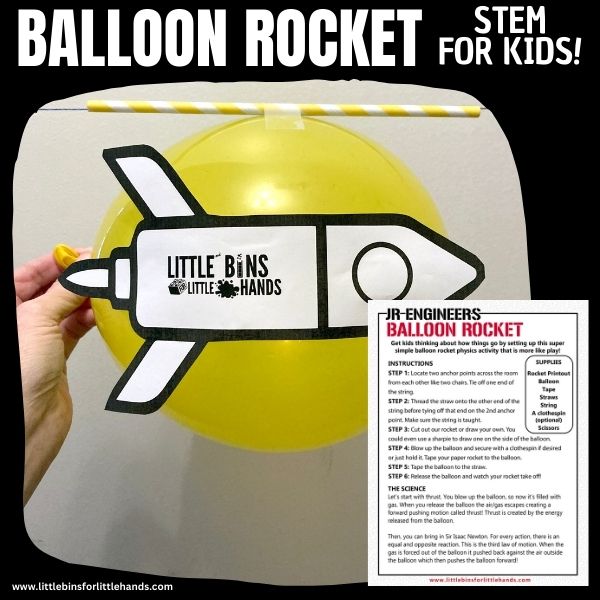
- Balloon Rocket: Release a balloon and watch it “rocket” along a string to demonstrate how air pressure changes create movement.
- Balloon In A Jar Experiment: Explore how changes in air pressure can cause a balloon to get pulled into a jar!
- Rising Water Experiment: Place a burning candle in the water and watch what happens to the water. A fun way to explore how heat affects air pressure.
- Tea Bag Rocket (Thermal Expansion): This experiment uses a hollow tea bag to demonstrate thermal expansion. When lit on fire, it rises due to the expansion of air inside.
- Egg in a Bottle Experiment: In this experiment, a hard-boiled egg is sucked into a bottle using the power of air pressure.
- Hot and Cold Air Balloon Experiment: Use a balloon and a plastic bottle to explore how warm air expands (increasing pressure), while cool air contracts (decreasing pressure).
- Bottle Rocket: Create a thrilling rocket launch with a soda bottle, water and air pressure.
- Potato Straw Experiment: Explore how a weak paper straw can become strong enough to puncture a potato using air pressure and forces.





Printable Science Projects For Kids
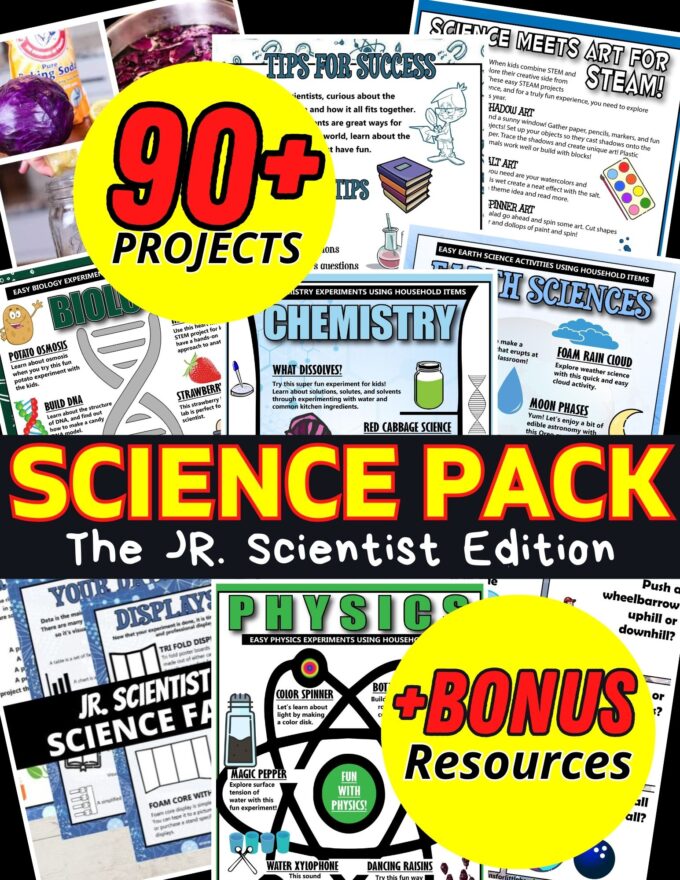
If you’re looking to grab all of our printable science projects in one convenient place plus exclusive worksheets and bonuses like a STEAM Project pack, our Science Project Pack is what you need! Over 300+ Pages!