
Have you ever wondered why some animals come out during the day while others wait until the night to be active? Just like us, animals can have different routines! Let’s explore diurnal and nocturnal animals, and discover what makes their schedules unique. Use these free printable diurnal and nocturnal animal activities to get started.

What is Diurnal and Nocturnal?
Animals can be grouped into two categories based on when they are most active: diurnal and nocturnal.
💡 Learn more about Day and Night here.
Diurnal (daytime) animals are active during the day and rest at night, while nocturnal (nighttime) animals do the opposite.
Some animals can also be crepuscular, meaning they are most active during dawn and dusk. Learning about these animal routines helps children understand the diversity of animal behavior and adaptation in nature.
What Is Included In The Diurnal and Nocturnal Animal Pack?
Grade Level Recommendation: This activity pack is perfect for grades K-2.
What Are Diurnal and Nocturnal Animals?
A detailed introduction to diurnal and nocturnal animals, explaining when these animals are most active. It includes fun facts about animals like owls, squirrels, butterflies, and bats, providing a great starting point for children to grasp these concepts.
Daytime and Nighttime Animal Matching
A fun matching activity where students draw lines connecting diurnal animals to the sun and nocturnal animals to the moon and stars. It reinforces the concept of day and night animal behavior.
Cut and Paste Daytime and Nighttime Animals
A hands-on activity where students cut out images of animals and sort them into “Daylight (Diurnal)” and “Nighttime (Nocturnal)” columns. They can also color each animal after sorting, adding a creative touch.
Diurnal vs. Nocturnal Animal Fill-in-the-Blank
This worksheet provides fill-in-the-blank sentences using a word bank to help students identify whether animals are diurnal or nocturnal and when they are active.
Animal Sorting Venn Diagram
Students cut out animal pictures and place them in the correct sections of a Venn diagram labeled “Diurnal,” “Nocturnal,” or “Both,” introducing them to crepuscular animals.
Fill-in-the-Blanks Animal Facts
A word bank activity focusing on facts about diurnal and nocturnal animals. Students fill in the blanks to complete the sentences, reinforcing their knowledge.


Daily Routine of Diurnal and Nocturnal Animals
A daily routine chart where students use the word bank to fill in the correct behaviors of specific animals (e.g., squirrels, owls, butterflies, hedgehogs) based on whether they are diurnal or nocturnal.
True or False Diurnal and Nocturnal Animals:
A true-or-false quiz to assess students’ understanding of which animals are diurnal or nocturnal. It’s a great way to review the material learned.
Draw Your Favorite Diurnal and Nocturnal Animal:
This is a creative drawing activity in which students pick a diurnal or nocturnal animal to draw and color. They also add facts about the animal’s behavior.
Diurnal and Nocturnal Animal Tracing & Coloring:
This activity involves students tracing the names of animals and then coloring them. It helps with fine motor skills while reinforcing the concept of diurnal and nocturnal animals.
Write a Sentence: Diurnal vs. Nocturnal:
This worksheet encourages students to write short sentences about diurnal and nocturnal animals. It’s a simple way to practice sentence formation and reinforce their understanding of animal behavior. An example is: “During the day, I see a butterfly.”
Free Diurnal and Nocturnal Animal Worksheets

Why Are Animals Diurnal or Nocturnal?
Diurnal animals are active during the daytime because they rely on sunlight to find food, stay warm, or avoid predators. Examples include birds, butterflies, and squirrels. Their bodies are adapted to handle bright light, and they often have behaviors like singing in the morning or looking for food in the afternoon.
Nocturnal animals, like owls, bats, and hedgehogs, have adapted to be active at night. They have specialized senses such as enhanced night vision or the ability to use echolocation (in bats) to navigate in the dark. This helps them find food and avoid daytime predators.
Some animals, like rabbits and deer, are crepuscular, meaning they are most active at dawn and dusk. This behavior allows them to avoid the hottest parts of the day and the darkest parts of the night, giving them a unique routine.
Extension Activities:
- Animal Observation: Encourage students to observe animals in their surroundings and note when they are most active. They can keep a simple diary of their observations to identify which animals are diurnal, nocturnal, or crepuscular.
- Animal Habitat Exploration: Create an animal habitat diorama, including daytime and nighttime elements. This can help students visualize where different animals live and when they are active.
- Crepuscular Animal Spotlight: Focus on crepuscular animals (active during dawn and dusk). Provide a list of animals like rabbits, deer, and some insects, and discuss how their routines differ from strictly diurnal or nocturnal animals.
- Animal Adaptations: Discuss how animals adapt to their environments, and the role that being diurnal or nocturnal plays in survival (e.g., avoiding predators, finding food).
Related Animal Activities
💡 Explore all our Animal activities, including Animal Adaptations, Hibernation, Classification, and More!
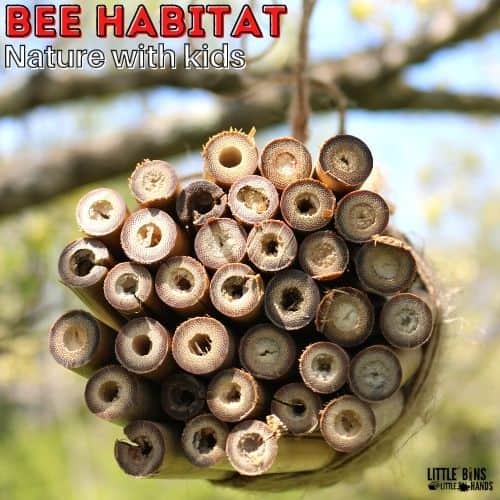
- Bee Habitat Exploration: Build a simple bee habitat and observe when bees are most active.
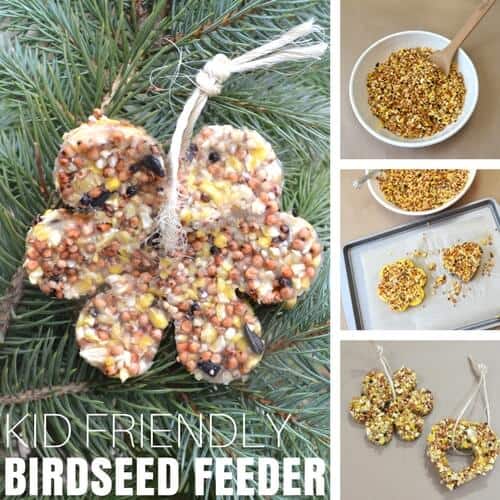
- Birdseed Ornament: Make a bird feeder to attract diurnal birds and keep a journal of the birds that visit.
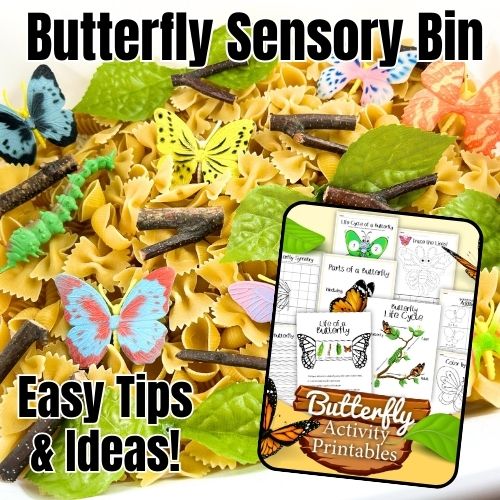
- Butterfly Sensory Bin: Create a sensory bin with flowers and butterflies to explore why butterflies love the sunshine.
- Bat Activity Pack and Flying Bat STEM Activity: Learn all about bats and aerodynamics!
Printable Animal Activities STEAM Bundle (Ecology)
Grades: K-5
Discover a world of animal-themed science, technology, engineering, art, and math (STEAM) with our Animal STEAM Bundle! This comprehensive bundle is perfect for classroom and home use, offering a wide range of hands-on projects that make learning fun and engaging for kids.
Whether you teach vertebrates, invertebrates, animal life cycles, or food chains, this pack has everything you need to captivate Kindergarten to 5th-grade students.