
Ever wonder how meteorologists predict the weather? Now you can, too! Build a DIY barometer and discover how changes in barometric pressure (or atmospheric pressure) can reveal what’s coming—sunshine or storms! Add this to a homemade weather station.

What is a Barometer?
A barometer is a tool used to measure barometric pressure, the weight of the air pressing down on the Earth. This pressure, also called atmospheric pressure, changes depending on the weather. With high air pressure, we usually get clear skies and sunny weather. With low air pressure, it often means rain or storms are on the way. Making your barometer allows you to observe these pressure changes and predict the weather!
Grade Level: 3rd-5th Grade
Supplies:
- Small glass jar or cup
- Balloon
- Scissors
- Rubber band
- Straw
- Tape
- Sheet of paper and pen for recording observations (free printable below)
How to Make A Barometer
Prepare the Balloon: Cut off the neck of the balloon and stretch the remaining part over the jar’s opening. Make sure it’s tight and smooth across the top.
Secure the Balloon: Wrap an elastic band around the mouth of the jar to keep the balloon in place, making sure it’s airtight.

Attach the Straw: Tape one end of the straw to the center of the balloon. The other end should point out over the edge of the jar.
Set Up Your Barometer: Place the jar somewhere stable where it won’t be disturbed. Tape a piece of paper behind the straw to mark its position. Draw a line where the straw is pointing to start tracking changes.

Track the Changes:
Over the next few days, observe the movement of the straw as it goes up or down. Mark its position and record the weather conditions. When the straw rises, it indicates that air pressure is increasing, which usually means high pressure and good weather. When the straw lowers, air pressure decreases, which often signals a drop in barometric pressure and potentially stormy weather.


How Does A Barometer Work?
Atmospheric pressure is constantly changing due to weather conditions. When barometric pressure rises, the air presses down more on everything, including your balloon. This causes the balloon to sink slightly and the straw to rise, signaling high pressure.
High pressure usually brings clear and sunny weather. On the other hand, when air pressure decreases, the air inside the jar expands, making the balloon puff up and causing the straw to dip. Lower pressure is often linked to rainy or stormy weather.
💡 You might also like our Cold and Hot Air Balloon Science Experiment.
- High Pressure: Air presses down more on the balloon, making the straw rise, and is typically associated with clear skies.
- Low Pressure: As the air pressure outside decreases, the balloon inflates slightly, causing the straw to lower, indicating stormy weather may be approaching.
This hands-on project shows students how changes in barometric pressure can be measured and used to predict the weather, just like professional meteorologists do!

Extension Activities:
- Build a Weather Station: Combine your barometer with other DIY tools like a rain gauge or a wind vane to create a full weather station.
- Make Weather Predictions: Have students use their barometer readings to predict the next day’s weather. Were their predictions accurate? Discuss how changes in air pressure affect the weather and why high air pressure usually means clear skies while low air pressure can bring storms.
- Keep A Daily Weather Journal:
Encourage students to keep a weekly weather journal, record their barometer readings, note the weather conditions, and compare their observations to professional weather forecasts.
Related Weather Activities:
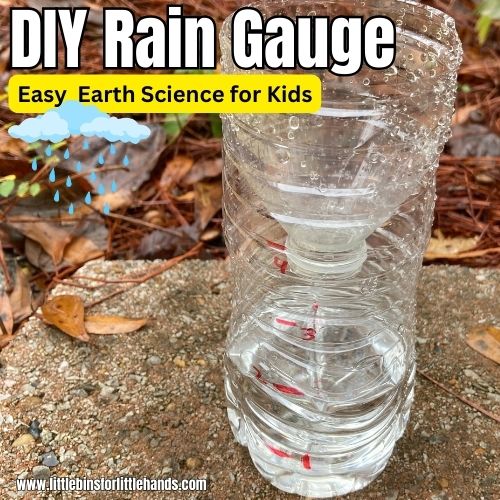
- DIY Rain Gauge: Track how much rain falls using a simple rain gauge made from a plastic bottle and a ruler. Compare your rainfall data with barometric pressure readings to observe patterns in rainfall and air pressure changes.
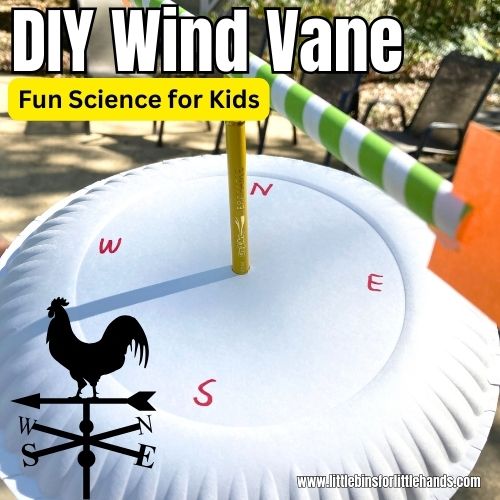
- Wind Vane: Using a straw, paper arrow, and a pencil, create a wind vane to measure wind direction. Have students record wind direction and barometric pressure changes and discuss how these factors affect weather.
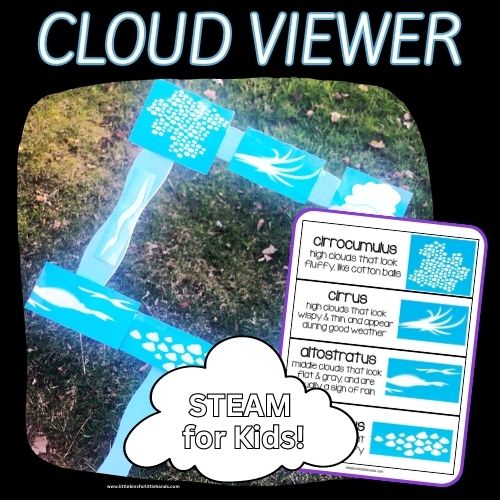
- Cloud Observation: Take students outside to identify different types of clouds. Talk about how clouds, air pressure, and wind direction all help predict weather patterns.
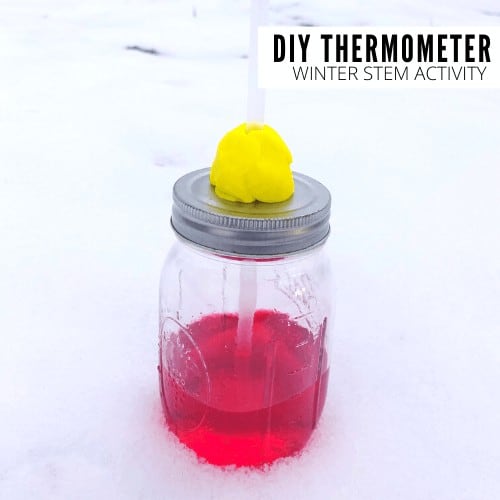
- DIY Thermometer: Make a simple thermometer using a clear plastic bottle, water, rubbing alcohol, and a straw. Track temperature changes over time, and have students discuss how temperature, air pressure, and weather are connected.
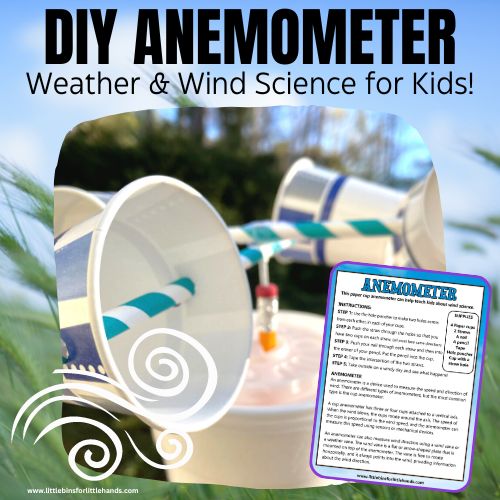
- DIY Anemometer: Measure wind speed by creating a simple anemometer using paper cups, straws, and a pencil. Have students track wind speed and barometric pressure changes and observe how wind conditions might impact the weather.
Helpful Science Resources
Here are a few resources to help you introduce science more effectively to your kids or students and feel confident presenting materials. You’ll find helpful free printables throughout.
- Printable Science Project Pack 👇
- Best Science Practices (as it relates to the scientific method)
- Science Vocabulary
- All About Scientists
- Free Science Worksheets
- DIY Science Kits
- Science Tools for Kids
- Scientific Method for Kids
- Citizen Science Guide
- Join us in the Club