
Let’s go for the instant wow with fantastic, mind-blowing experiments! These 5 minute science experiments are a fantastic way to introduce science concepts to kids of all ages. Each activity is easy to set up with everyday materials and perfect for a quick mini-lesson!

5 Minute Easy Science Experiments
Below, you’ll find 20 fun, 5 minute science experiments ideal for grades K-5. They’re simple enough for younger kids but can be adapted for older kids, making them great for mixed-age groups. Plus, I’ve added tips to make science with kids even easier! These might seem like magic tricks, but plenty of fantastic science is involved.
💡 For younger kids (kindergarten to 2nd grade), the focus should be on making the activities simple, fun, and visually engaging while introducing basic scientific concepts in easy-to-understand terms.
💡 For older kids (3rd to 5th grade), you can add science vocabulary surrounding the explored concept, such as surface tension, reaction rates, density, and solubility. Each of the experiments below will further explain the science behind the experiment.
1. Magic Milk Experiment
Grade Level: K-5
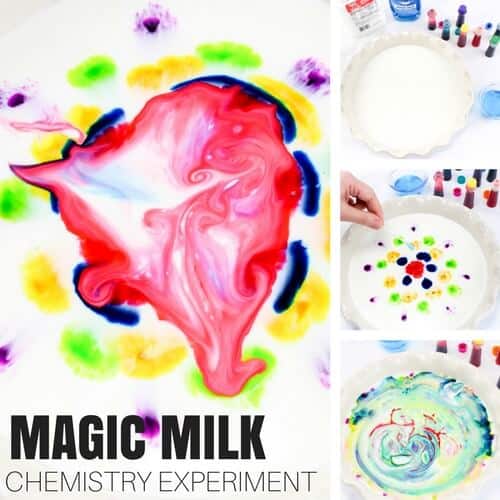
Pour whole milk into a shallow dish and add a few drops of food coloring near the center. Dip a cotton swab in dish soap and touch it to the milk’s surface. Watch as the colors swirl and dance around! This experiment introduces the concept of surface tension and the role of fat molecules in milk.
2. Balloon and Static Electricity
Grade Level: K-3
Rub a balloon or wool on your hair, then use the static charge to move small paper pieces or bend a stream of water. It’s a simple way to introduce static electricity and how charges interact.
3. Dancing Raisins
Grade Level: K-3
Drop raisins into a glass of soda and watch them “dance” as carbon dioxide bubbles lift them to the surface. This fun experiment introduces buoyancy and gas behavior.
4. Baking Soda and Vinegar Reaction
Grade Level: K-5
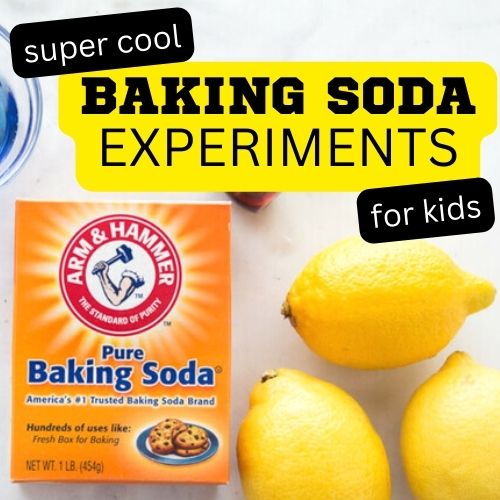
Mix baking soda and vinegar for an instant fizzing reaction! It’s a great introduction to chemical reactions between acids and bases; kids love the bubbly effect.
5. Paper Towel Chromatography
Grade Level: 2-5
Draw circles with washable markers near the bottom of a paper towel, dip the edge in water, and watch as the colors separate. It’s an easy way to explore how different molecules move through a material.
6. Skittles Rainbow
Grade Level: K-3
Arrange Skittles in a circle on a plate and pour warm water in the middle. Watch as the colors dissolve into a beautiful rainbow. This is a simple way to show how solubility works.
7. Lava Lamp Experiment
Grade Level: 3-5
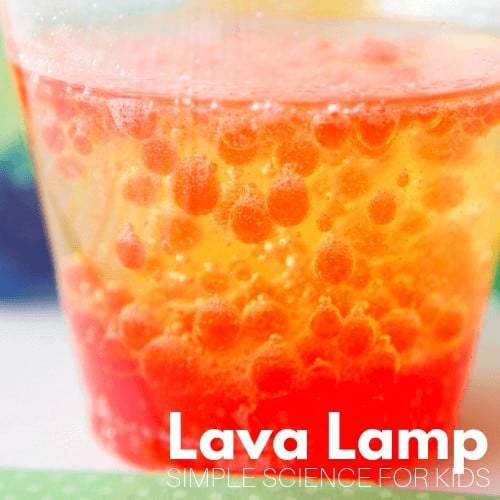
Mix oil, water, food coloring, and an effervescent tablet in a glass to create a bubbling lava lamp effect. This experiment introduces the concept of immiscible liquids and gas formation.
8. Invisible Ink
Grade Level: 3-5
Write secret messages with lemon juice, then reveal them by holding the paper near a light bulb. This fun activity introduces how heat can cause chemical changes.
9. Soap-Powered Boat
Grade Level: K-3
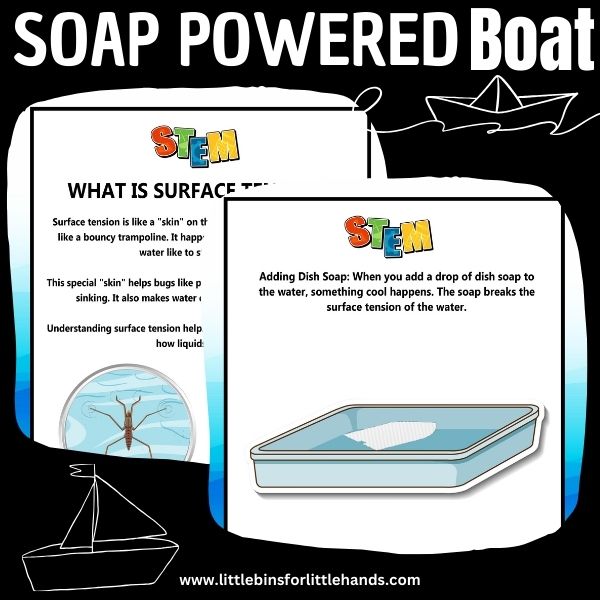
Cut a small boat shape from cardstock, place it on water, and add a drop of dish soap. Watch it zoom across the surface as soap reduces the water’s surface tension.
10. Pepper and Water Trick
Grade Level: K-5
Sprinkle pepper on water, then dip a soap-covered finger into it. The pepper scatters as the soap breaks the surface tension. This is a fun way to show how molecules behave in water.

11. Blowing Up a Balloon with Baking Soda and Vinegar
Grade Level: K-5
Using a bottle, baking soda, vinegar, and a balloon, show how the chemical reaction creates gas that fills the balloon. This is an easy and exciting way to visualize gas production during a reaction.
12. Screaming Balloon
Grade Level: 2-5
Make a balloon scream! Blow up a balloon and place a hex nut inside, then spin the balloon in a circular motion. The nut makes a “screaming” noise as it vibrates inside the balloon, introducing kids to sound waves and vibration. This experiment is a quick and fun way to explore how sound is created by movement and interaction with objects.
13. Penny Drop Water Experiment
Grade Level: 2-5
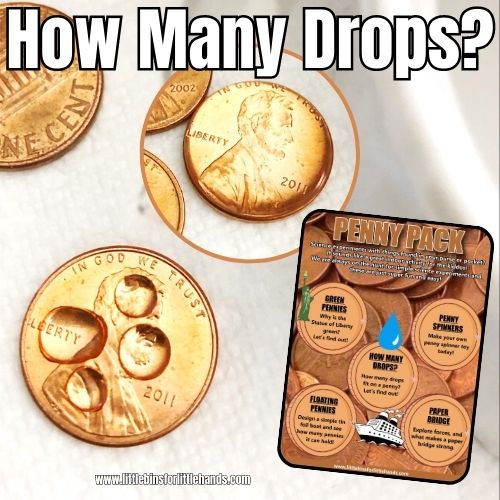
Using a penny, a dropper, and water, see how many drops of water can fit on a penny before spilling over. This simple experiment demonstrates surface tension and cohesion.
14. Rubber Band Sound Experiment
Grade Level: K-3
Stretch rubber bands around an empty tissue box and pluck them to make different sounds. Discuss how the tension of the bands affects the pitch, introducing the basics of sound waves.
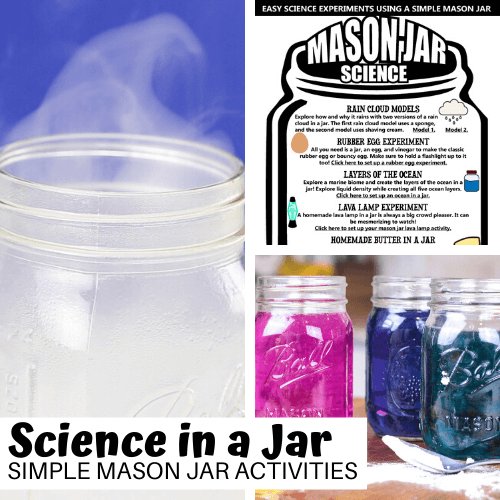
15. Cloud in a Jar
Grade Level: 3-5
Fill a jar with hot water, then spray hairspray inside and cover it with ice cubes. Watch as a cloud forms inside the jar. This activity introduces kids to the concept of condensation and how clouds form.
16. Toothpick Star Experiment
Grade Level: 1-5
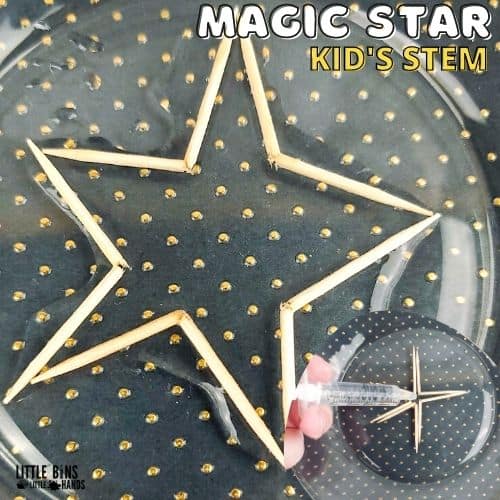
Bend toothpicks and arrange them into a star shape. Add a few drops of water to the center, and watch the star “magically” open! For younger kids, focus on the fun shape change, and for older students, explain how the water moves through the toothpicks by surface tension, making the star expand.
17. Density Jar Column
Grade Level: 3-5
Pour layers of different liquids, such as honey, dish soap, water, oil, and rubbing alcohol, into a clear glass, being careful not to mix them. Watch as each liquid forms a distinct layer based on its density. Kids can then drop small objects, like beads, into the column to see which layers they float or sink in.
18. Egg in a Bottle
Grade Level: 3-5
This classic experiment demonstrates air pressure and how temperature changes can create a vacuum effect, drawing the egg into the bottle.
19. Homemade Slime
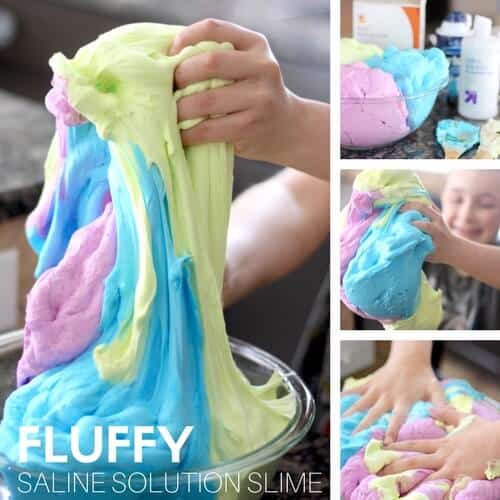
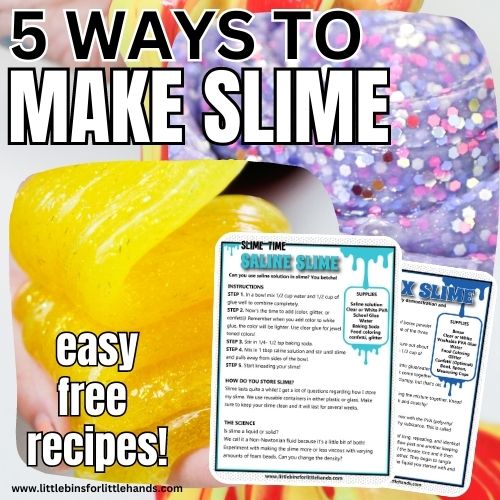
Grade Level: K-5 This hands-on experiment demonstrates how chemical bonds form when ingredients react to create a stretchy, non-Newtonian substance. Kids can explore how adding more or less saline solution affects the slime’s texture, providing a fun introduction to polymers and chemical reactions
20: Water Refraction Experiment
Grade Level: K-5
This simple experiment introduces kids to the concept of refraction—how light bends as it passes through water. For older students, you can discuss how light changes speed when it moves from one medium (air) to another (water), creating the illusion of a reversed image.
21: Straw Flute Sound Experiment
Grade Level: 1-5
This engaging experiment helps kids discover how sound is created and how pitch changes with the length of a straw. By blowing across straws of different sizes, students learn about vibrations, standing waves, and how musical instruments produce high and low notes. For older kids, you can discuss how longer straws allow slower vibrations (lower pitch) and shorter straws cause faster vibrations (higher pitch), connecting it to real-life instruments like pan flutes or pipe organs.

Tips for Doing Science with Kids:
💡 Want to Do More than 5 Minutes? Add in the scientific method, choose variables, and create a hypothesis.
Printable Science Projects For Kids
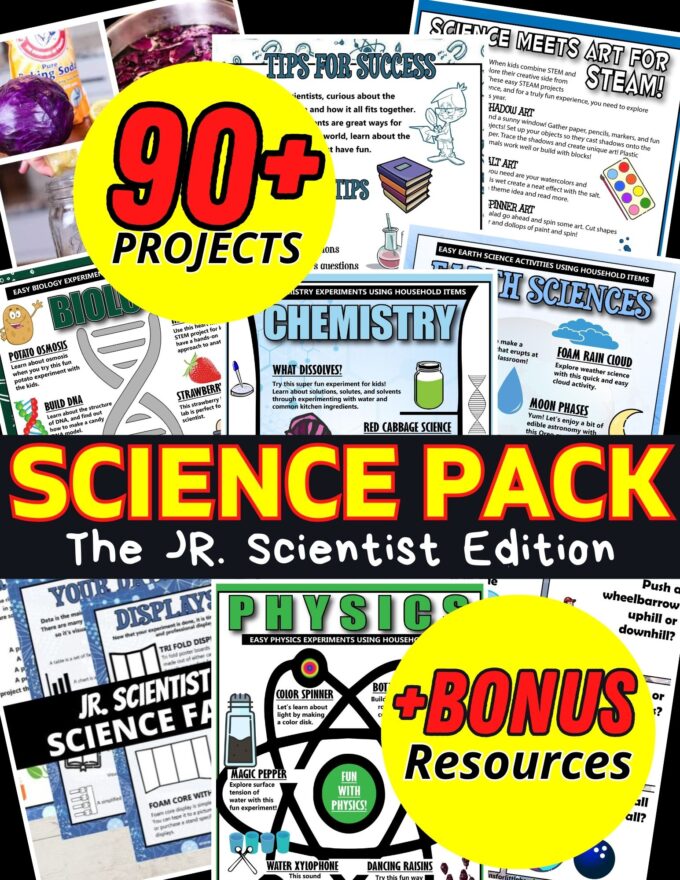
If you’re looking to grab all of our printable science projects in one convenient place plus exclusive worksheets and bonuses like a STEAM Project pack, our Science Project Pack is what you need! Over 300+ Pages!
- Bonus Quick Grab Packs for Biology, Earth Science, Chemistry, and Physics
- 90+ classic science activities with journal pages, supply lists, set up and process, and science information. NEW! Activity-specific observation pages!
- Best science practices posters and our original science method process folders for extra alternatives!
- Be a Collector activities pack introduces kids to the world of making collections through the eyes of a scientist. What will they collect first?
- Know the Words Science vocabulary pack includes flashcards, crosswords, and word searches that illuminate keywords in the experiments!
- My science journal writing prompts explore what it means to be a scientist!
- Bonus STEAM Project Pack: Art meets science with doable projects!
- Bonus Quick Grab Packs for Biology, Earth Science, Chemistry, and Physics