
Fall is one of the best seasons for hands-on science! Changing leaves, cooler temperatures, apples, pumpkins, seeds, and changing daylight give kids plenty of real-world science to investigate.
Try these easy fall science experiments for kids using leaves, apples, pumpkins, seeds, and changing weather. These hands-on fall science activities are perfect for elementary students and make it easy to explore observation, measurement, chemistry, life science, weather, and seasonal change.
Grades: K–5
Science Areas: Life Science, Earth Science, Chemistry, Physics
Skills: Observation, prediction, measurement, data collection, comparison, graphing, and fair testing
Start With Fall Science Observations
Before setting up an experiment, simply start by noticing what is changing outside.
Fall is a great time to practice careful observation because students can see seasonal changes happening all around them.
Ask questions such as:
- What do you notice?
- What has changed since summer?
- What colors, shapes, and textures can you find?
- What is happening to the plants?
- How does the air feel?
- What patterns do you notice?
- What do you wonder about?
- What could you investigate?
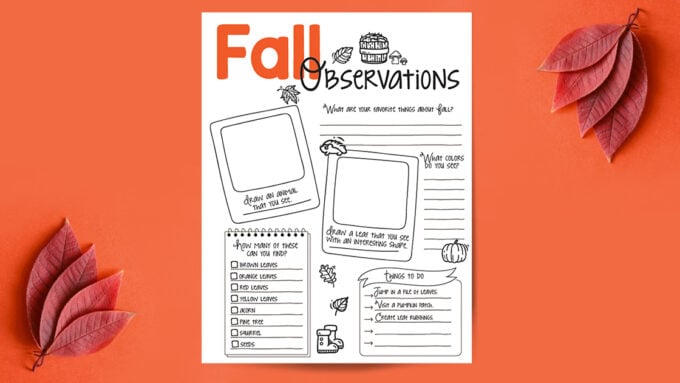
Take a science journal outside or use our free fall science observation page (part of the free Fall Science Starter Guide below) to record drawings, measurements, and questions.
Fall Science Experiments and Investigations
There is more to fall science than making a baking soda volcano inside a pumpkin! Use the season to investigate real changes in plants, weather, materials, and the environment.
Choose one activity or combine several for a complete fall science unit.
Leaves, Plants, and Seeds
Leaves and seeds provide inexpensive science materials that you can collect right outside.
Leaf Observation Lab: Collect several leaves and compare their shape, size, color, texture, edges, and vein patterns. Add a ruler and magnifying glass to turn a simple nature walk into a science investigation. ⭐️ Experiment in Fall Investigations Lab
Leaf Sorting and Graphing: Challenge kids to create a rule for sorting a collection of leaves. Sort by color, shape, size, edges, or another visible property, count each group, and graph the results. ⭐️ Experiment in Fall Investigations Lab
Leaf Chromatography: What colors are hiding inside a leaf? Separate leaf pigments using chromatography and explore why we see different colors as the seasons change.
Why Do Leaves Change Color? Explore chlorophyll, sunlight, and seasonal change to find out why green leaves become yellow, orange, and red during fall.
Seed Dispersal Investigation: Compare different ways seeds travel. Kids can investigate model seeds that move by wind, water, gravity, or animals.
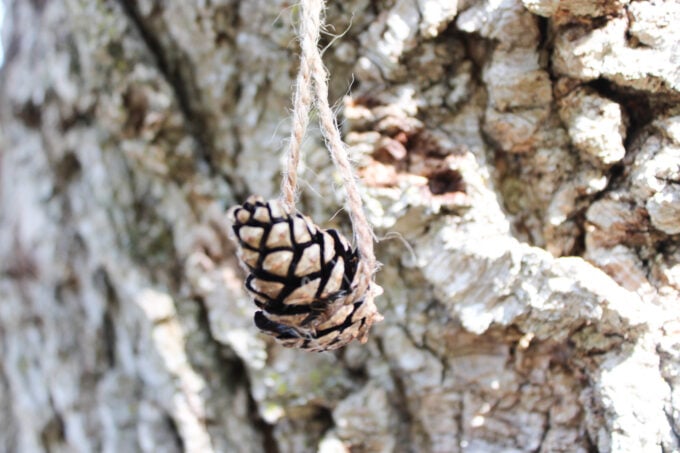
Pinecone Humidity Investigation: Place pinecones in different moisture conditions and observe how their scales respond. This is a simple way to investigate plant structures and environmental conditions.
How Many Seeds? Predict, count, and compare the number of seeds inside apples, pumpkins, and other fall fruits. This is especially easy to adapt for both younger and older elementary students.
👉 Looking for more activities about leaves, seeds, and seasonal plant changes? Explore our Fall Plant Science Activities.
Apple Science Experiments
Apples are inexpensive, easy to find, and surprisingly useful for hands-on science.
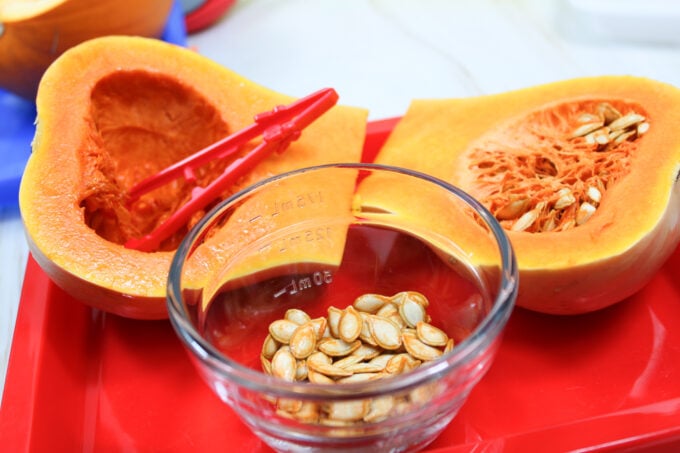
Apple Browning Experiment: Test different liquids to find out which treatment slows apple browning. Older students can identify variables and design a fair test.
Apple Sink or Float: Will a whole apple float? What about the stem, peel, flesh, or seeds? Make predictions and test each part. ⭐️ Experiment in Fall Investigations Lab
Apple 5 Senses Investigation: Observe several apple varieties using sight, smell, touch, and taste. Compare their properties and record the results.
👉 Find more fun ideas like apple volcanoes, apple oobleck, and more in Apple Science Activities for Kids.
Pumpkin Science Experiments
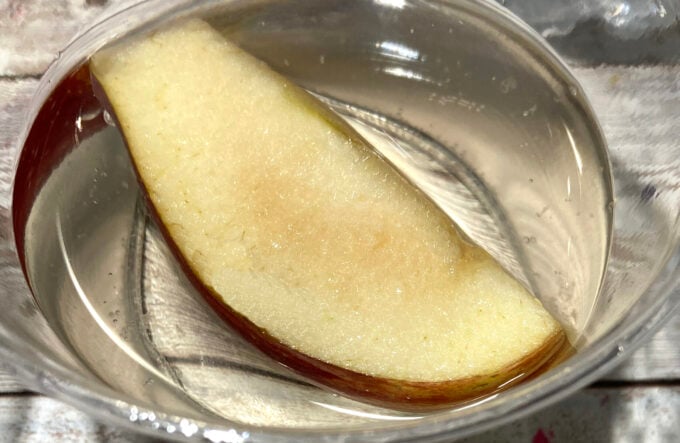
Pumpkins aren’t just for carving! They work well for measurement, buoyancy, decomposition, chemistry, and observation.
Pumpkin Measurement and Estimation: Estimate a pumpkin’s height, circumference, weight, or number of seeds before measuring the actual results. ⭐️ Experiment in Fall Investigations Lab
Pumpkin Sink or Float: Does a pumpkin sink or float? Test different sizes and then investigate individual pumpkin parts. ⭐️ Experiment in Fall Investigations Lab
Pumpkin Decomposition: Observe a pumpkin over time and record the physical changes you notice as it decomposes. This works especially well as a long-term science investigation.
👉 Find more ways to learn about pumpkin science here.
Fall Weather and Seasonal Change
Fall weather offers opportunities to collect real data rather than simply read about the season.
Fall Temperature Investigation: Record the temperature at the same time each day and look for patterns. Older students can organize their data in a table and create a line graph.
Changing Daylight Investigation: Track sunrise, sunset, or total daylight over several days or weeks. What pattern appears as fall progresses?
Rainfall Measurement: Make or use a rain gauge to collect rainfall data and compare precipitation over time.
Fall Evaporation Investigation: Investigate how environmental conditions affect the rate at which water evaporates.
Pinecone Weather Observation: Watch how pinecone scales respond to wet and dry conditions and compare your observations with the weather.
Fall Wind Science Investigation: Observe how wind conditions change from day to day. Keep a tracker for a week or a month.
👉 Explore even more ways to measure weather and seasonal patterns with our Fall Weather Science Activities.
Fall Animals and Seasonal Adaptations
Plants aren’t the only living things responding to seasonal changes.
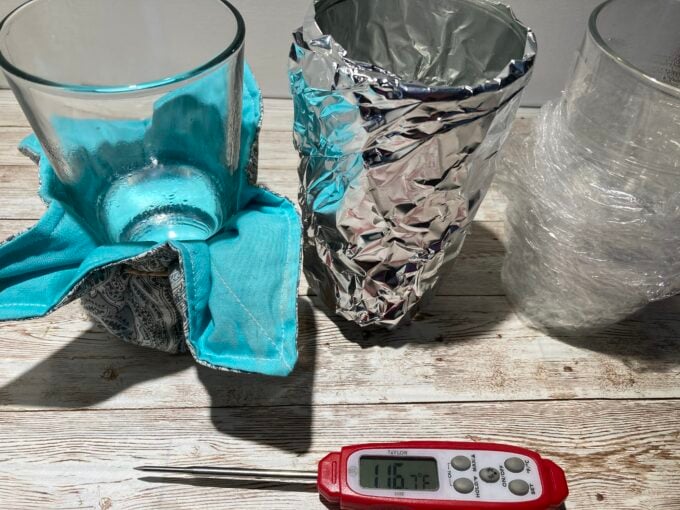
Animal Insulation Investigation: Compare different insulating materials to determine which one most effectively slows heat loss. Connect the results to fur, feathers, fat, and other animal adaptations.
Hibernation Activities: Explore how animals prepare for colder weather and introduce kids to hibernation and other seasonal behaviors.
Migration Activities: Explore which animals migrate in the fall and look for clues in your area.
👉 Find additional animal activities and seasonal life science ideas in our Fall Life Science Activities.
How To Turn a Fall Activity Into a Science Investigation
You don’t need an elaborate experiment to practice science. Start with a question and encourage kids to gather evidence to answer it.
For example:
- Question: Which treatment slows apple browning the most?
- Prediction: What do you think will happen?
- Test: Apply different treatments to equal-sized apple slices.
- Evidence: Observe and record how quickly each slice changes.
- Conclusion: Which treatment worked best? What evidence supports your answer?
The amount of structure you add depends on your students’ ages.
Grades K–2: Focus on observing, predicting, comparing, sorting, counting, measuring, drawing, and talking about what happened.
Grades 3–5: Add testable questions, variables, accurate measurements, data tables, graphs, repeated trials, and evidence-based conclusions.
🔎 Not every science activity needs to be a controlled experiment. Observation studies, comparisons, classification activities, and long-term investigations all help students practice scientific thinking.
👉 Learn more about using the Scientific Method with Kids here.
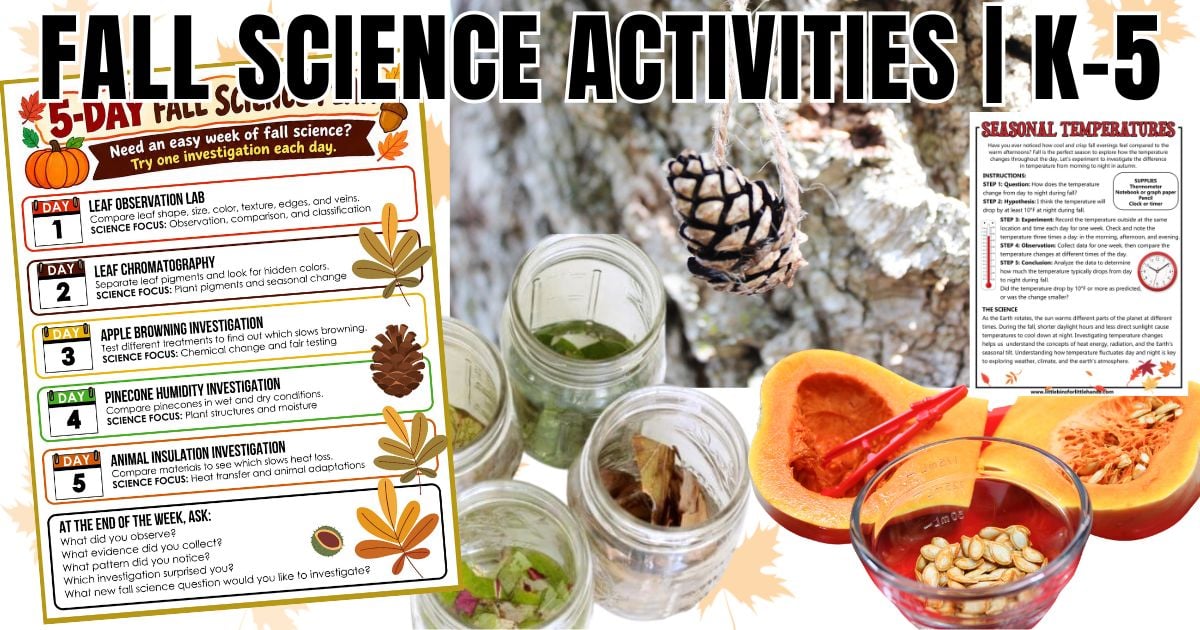
Try a 5-Day Fall Science Plan
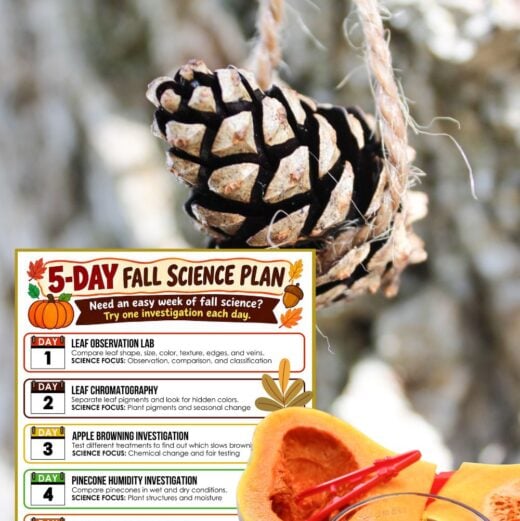
Need an easy week of fall science? Try one investigation each day. Grab the free printable guide below!
Day 1: Leaf Observation Lab
Compare leaf shape, size, color, texture, edges, and veins.
Science Focus: Observation, comparison, and classification
Day 2: Leaf Chromatography
Separate leaf pigments and look for hidden colors.
Science Focus: Plant pigments and seasonal change
Day 3: Apple Browning Investigation
Test different treatments to find out which slows browning.
Science Focus: Chemical change and fair testing
Day 4: Pinecone Humidity Investigation
Compare pinecones in wet and dry conditions.
Science Focus: Plant structures and moisture
Day 5: Animal Insulation Investigation
Compare materials to see which slows heat loss.
Science Focus: Heat transfer and animal adaptations
At the end of the week, ask:
- What did you observe?
- What evidence did you collect?
- What pattern did you notice?
- Which investigation surprised you?
- What new fall science question would you like to investigate?
More Fun Fall-Themed Science Activities
Then use a tighter visual list with maybe 8–12 strong activities, such as:
- Fall Density Tower – Layer liquids and add fall-themed objects to explore density and buoyancy.
- Fall Sink or Float – Explore fall-themed materials and predict whether they sink or float.
- Fall 5 Senses Printable – Easy-to-use fall 5 senses printable for kids
- Salt Crystal Leaves – Grow sparkling crystals on leaf shapes while exploring solutions and crystallization.
- Apple Volcano – Combine apples with a classic baking soda and vinegar reaction.
- Pumpkin Volcano – Turn a small pumpkin into a fizzy fall chemistry experiment.
- Apple Oobleck – Explore a non-Newtonian fluid with an apple-themed version of oobleck.
- Pumpkin Oobleck – Make oobleck inside a pumpkin for a messy seasonal science activity.
- Crystal Pumpkins – Grow crystals on pumpkin shapes and observe how crystals form.
- Fall Leaf Slime – Explore polymers with a colorful fall leaf theme.
- Pumpkin Slime – Make pumpin slime in a real pumpkin and investigate how polymers behave.
- Pumpkin Clock – Use pumpkins as part of a simple electricity investigation.
- Balancing Apples – Explore balance, center of gravity, and stability.
Free Printable Fall Science Guide
Want an easy way to organize your fall science activities?
Grab the free printable Fall Science Guide with helpful activity links and science journal pages you can use throughout the season.
💡 Use it to choose a few activities, create a science notebook, or plan your own fall investigation week.
Fall Science Investigations Printable Pack
Want the investigations already planned for you?
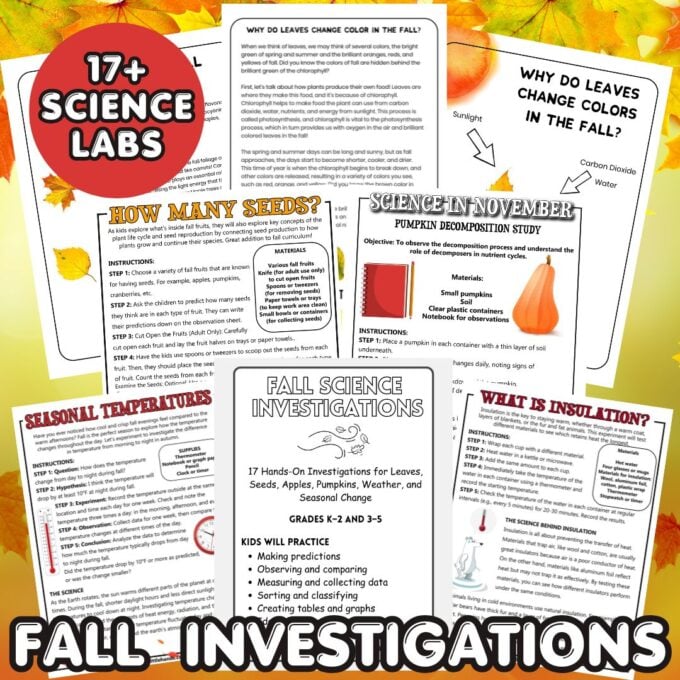
The Fall Science Investigations Pack includes 17 hands-on investigations for grades K–2 and 3–5 covering leaves, seeds, apples, pumpkins, weather, animals, and seasonal change.
Students practice real science skills including:
- Making predictions
- Observing and comparing
- Measuring and collecting data
- Sorting and classifying
- Creating tables and graphs
- Identifying patterns
- Planning fair tests
- Drawing evidence-based conclusions
The pack includes investigation instructions, science information, recording pages, reusable science pages, graphing opportunities, grade-level guidance, and seasonal planning ideas.
Use individual investigations as needed or combine them into a complete fall science unit.
👉 Fall Science Investigations Pack
Explore More Fall Activities
Looking for something more specific? Use these collections to find exactly what you need.
- Fall STEM Activities: Engineering challenges, building projects, and hands-on problem solving.
- Fall Plant Science: Leaves, seeds, plant structures, pigments, and seasonal plant changes.
- Fall Weather Science: Temperature, rainfall, daylight, evaporation, and weather observations.
- Fall Life Science: Animals, adaptations, life cycles, plants, and seasonal changes in living things.
- Fall Animal Life Cycles: Spiders, bats, and more!
- Preschool Fall Activities: Simple fall science, sensory activities, apples, pumpkins, leaves, and hands-on learning for younger kids.
Fall Science Experiments FAQ
What are some easy fall science experiments?
Leaf observations, apple browning, pumpkin sink-or-float, leaf chromatography, pinecone humidity, and temperature tracking are all easy fall science activities that use simple materials.
What science topics can kids learn about during fall?
Fall activities can explore plant science, weather, seasonal change, chemistry, physics, animal adaptations, decomposition, buoyancy, measurement, and classification.
What are good fall science activities for kindergarten?
Keep kindergarten science hands-on and observation-based. Try sorting leaves, counting seeds, measuring pumpkins, testing whether apples float, observing pinecones, and recording changing weather.
How can I make fall science appropriate for upper elementary students?
Have students identify variables, collect measurements, complete multiple trials, organize data in tables, create graphs, compare results, and support conclusions with evidence.
Do all fall science activities need to use the scientific method?
No. Science also includes careful observation, classification, comparison, modeling, data collection, and long-term studies. The type of investigation should match the question students are trying to answer.