
The physical properties of matter help us describe, compare, and classify objects without changing what they are made of. Kids explore physical properties every day—when they notice if something is hard or soft, sinks or floats, melts or stays solid.
What Are Physical Properties of Matter?
In this guide, kids will learn what physical properties of matter are, see real-world examples, and explore hands-on activities that make these science concepts easy to understand.
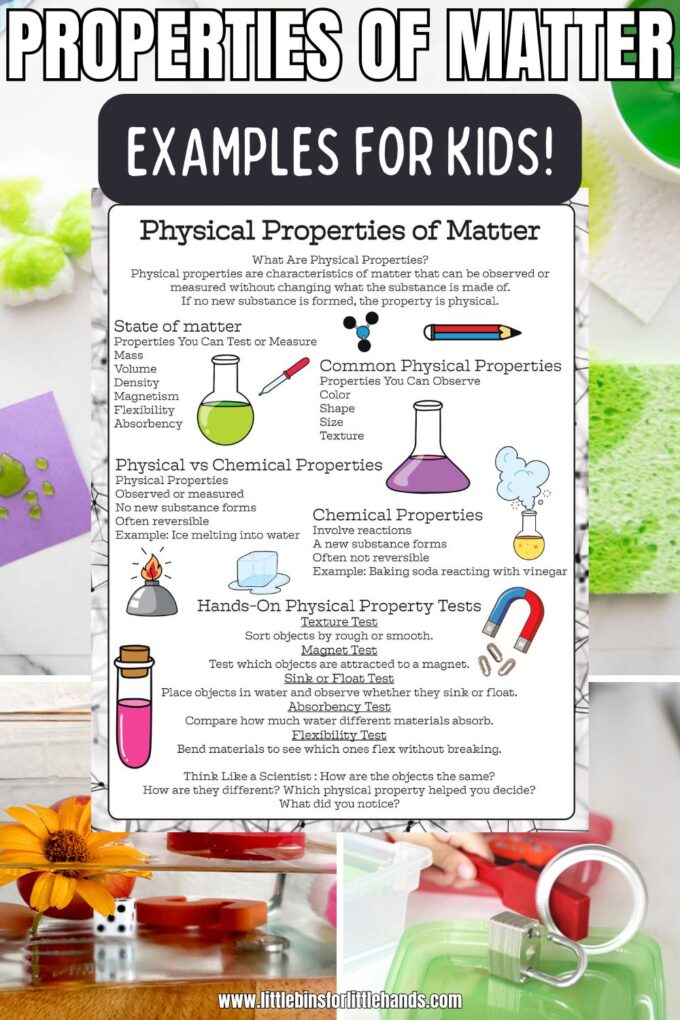
💡 Physical properties are characteristics of matter that can be observed or measured without changing the substance itself.
If you can describe something without causing a chemical reaction, you are observing a physical property.
Examples include:
- Color
- Shape
- Size
- Texture
- Mass
- Volume
- Density
- State of matter
- Flexibility
- Hardness
- Magnetism
- Solubility
- Conductivity
Physical Properties vs Chemical Properties
Understanding the difference between physical and chemical properties is an important science skill.
- Physical properties describe how matter looks or behaves without changing its identity.
- Chemical properties describe how matter reacts and changes into something new.
Example:
- Melting ice is a physical change
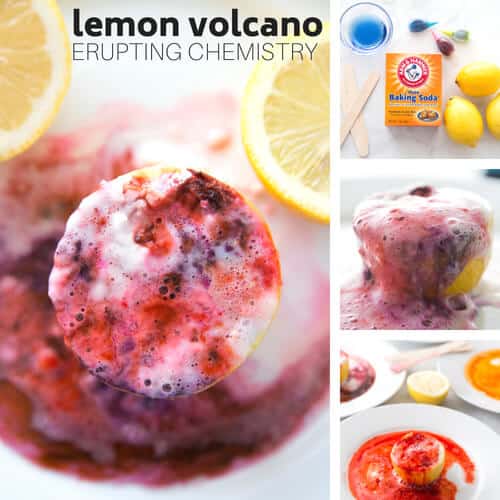
- Baking soda reacting with vinegar is a chemical change
👉 Learn more in our Physical vs Chemical Changes for Kids guide.

States of Matter as a Physical Property
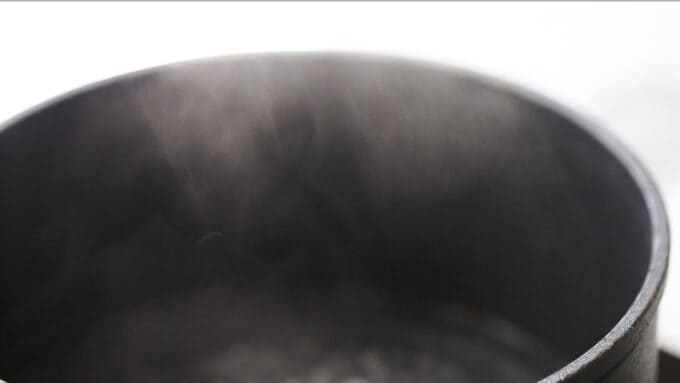
One of the most important physical properties of matter is its state.
Matter can exist as a:
- Solid
- Liquid
- Gas
The state of matter depends on how tightly particles are packed together and how much energy they have.
👉 Explore this concept in depth with our States of Matter for Kids activities.
Observable Physical Properties of Matter
Many physical properties can be identified simply by observing and describing objects.
Kids can compare materials by looking at:
- Color
- Shape
- Texture (rough, smooth)
- Transparency
- Flexibility
- Hardness
These properties help scientists sort, classify, and identify materials.
👉 Try hands-on investigations in Exploring Observable Properties of Materials.
Material Properties and How Objects Are Used
Some physical properties explain why materials are used for certain purposes.
Examples:
- Absorbent materials soak up water
- Flexible materials bend easily
- Hard materials resist scratching
- Waterproof materials repel liquids
These properties are especially important in engineering and design.
👉 Explore real-world material tests in Material Properties Activities for Kids.


Measuring Physical Properties of Matter
Some physical properties can be measured using tools.
Common measurable properties include:
- Mass (how much matter an object has)
- Volume (how much space it takes up)
- Density (how much matter is packed into a space)
- Temperature
- Magnetism
- Conductivity
💡 Density is especially helpful for explaining why some objects float while others sink.

Physical Changes and Reversible Changes
Many physical properties can change without forming a new substance.
Examples of physical changes:
- Melting
- Freezing
- Evaporation
- Condensation
- Crushing
- Cutting
- Bending
These changes are often reversible, meaning the material can return to its original state.
👉 See examples in our States of Matter Experiments and Ice Melt Activities.

Simple Physical Properties Experiments for Kids
Here are easy ways kids can explore physical properties through hands-on learning:
- Sort objects by texture, hardness, or flexibility
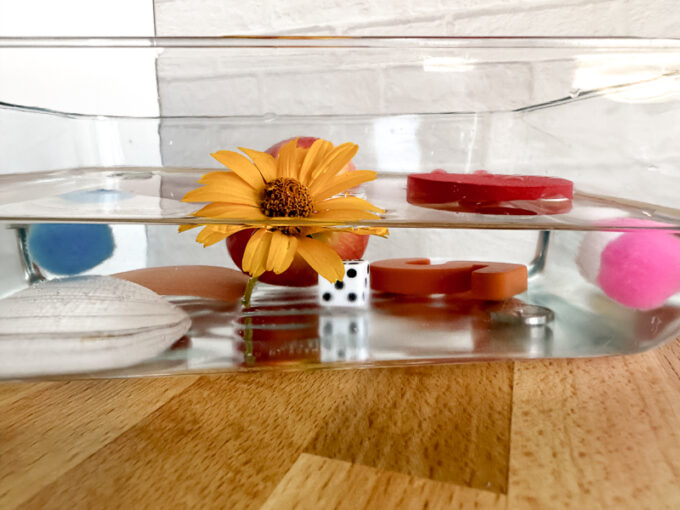
- Test what sinks or floats
- Compare absorbency using paper towels
- Observe melting and freezing
- Test magnetism with everyday objects
These activities build observation, comparison, and scientific thinking skills.
NGSS-Aligned Guiding Questions
- How can we describe an object without changing it?
- Which properties help us compare different materials?
- What happens when matter changes shape or state?
- How do physical properties help us decide how materials are used?
(Aligned with NGSS PS1.A: Structure and Properties of Matter)
Where This Fits in Physical Science Learning
This post is part of a larger Physical Science for Kids framework:
- What Is Matter? → what matter is
- States of Matter → how matter exists
- Physical Properties of Matter → how matter is described
- Physical vs Chemical Changes → how matter changes
- Chemistry Basics → how matter reacts
This structure helps kids build understanding step by step. Want even more hands-on ideas? Browse our full collection of science experiments and activities for kids.
Physical Properties of Matter – FAQ
Q: What are physical properties of matter?
A: Physical properties are characteristics of matter that can be observed or measured without changing the substance.
Q: What are examples of physical properties?
A: Examples of physical properties include color, shape, texture, mass, volume, density, magnetism, flexibility, and state of matter.
Q: How are physical properties different from chemical properties?
A: Physical properties describe matter without changing it, while chemical properties describe how matter reacts to form a new substance.
Q: Is state of matter a physical property?
A: Yes. State of matter is a physical property because the substance remains the same as it changes form.
Q: Are physical property changes reversible?
A: Many physical changes are reversible, such as melting, freezing, or bending.
Q: Why are physical properties important in science?
A: Physical properties help scientists describe, compare, and classify different types of matter.
Printable Science Packs for Kids
Visit our SHOP for easy-to-print STEM and science lesson plans for the whole year. Or join us in the Little Bins Club.