
Spring brings sunshine, rain showers, wind, and occasional storms! It’s the perfect season to explore weather science with hands-on activities. In this post, you’ll find fun and educational spring weather experiments and projects for kids to try this season.

Spring Science for Kids
- Field of Science: Meteorology (the study of weather)
- Grade Level: Elementary (K-5)
- Concepts Explored: Weather patterns, precipitation, wind, air pressure, temperature, static electricity, water cycle, and seasons
🔎 Look through all of our weather science projects here.
Why Do We Have Spring and Changing Temperatures?
Spring happens because of the Earth’s tilt on its axis. As the Earth orbits the sun, the Northern Hemisphere begins tilting toward the sun, bringing more sunlight and longer daylight hours. This is why we experience warmer temperatures and new life blooming in the spring.
There are two ways to mark the start of spring:
- Astronomical spring begins with the equinox, around March 20th, when the sun’s most direct rays hit the Earth’s equator, making day and night nearly equal.
- Meteorological spring, used by NOAA and NWS forecasters, starts on March 1st and is based on yearly temperature patterns.
In the Northern Hemisphere, warmer air starts mixing with lingering cold air from winter, changing weather patterns. Meanwhile, countries like Australia are moving toward fall in the Southern Hemisphere.
🔎 Explore more about the changing seasons here.
How This Affects Spring Weather
As temperatures warm, the atmosphere changes, leading to everyday spring weather events. Warm air can hold more moisture, leading to evaporation, condensation, and precipitation—the key steps of the water cycle. These processes create rain showers, thunderstorms, and extreme weather, such as severe thunderstorms and even tornadoes.
With more daylight and sunlight, we often experience strong winds as warm and cold air masses collide. This explains why spring is a popular time for flying kites!
Spring Weather Science Activities
🔎 Find more spring science experiments here.
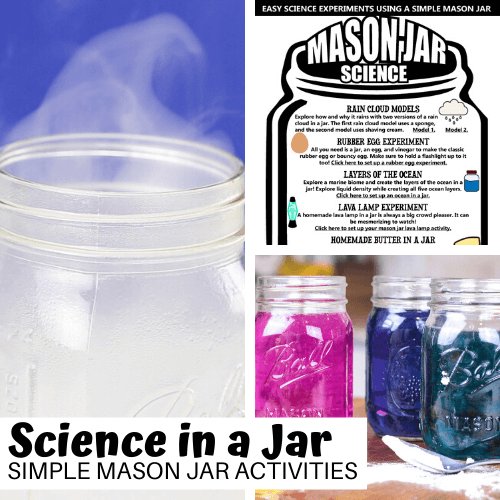
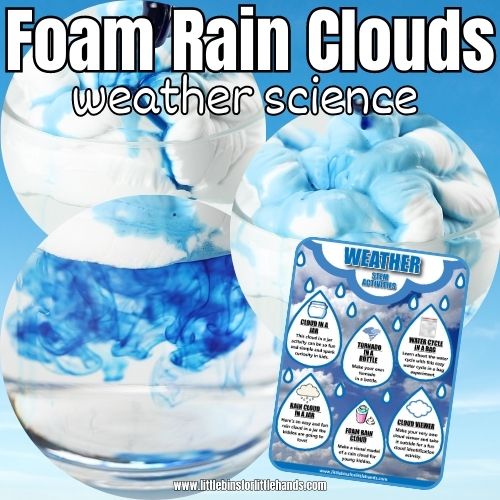
Make a Rain Cloud in a Jar
Observe how clouds form and rain falls using a jar, shaving cream, and food coloring. Or try this cloud in a jar for a variation with older kids.
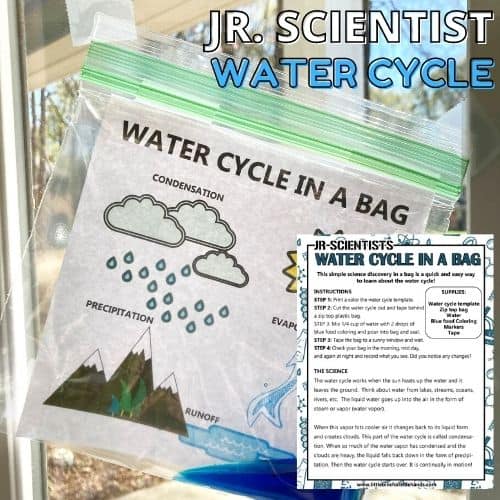
Water Cycle in a Bag
Watch evaporation, condensation, and precipitation occur in a sealed plastic bag to model the water cycle.
Lightning Static Electricity Experiment
Create mini lightning sparks using static electricity, balloons, and metal objects to model how lightning happens in thunderstorms.

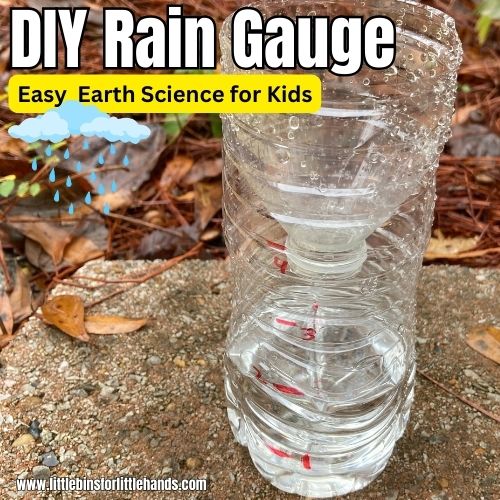
DIY Rain Gauge
Measure how much rain falls during spring showers and learn about precipitation.
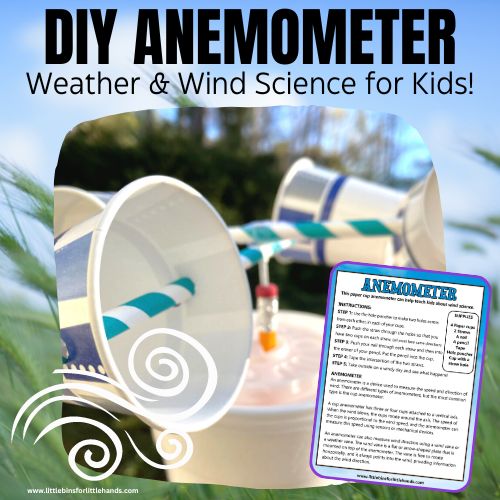
Wind Experiment: Make an Anemometer
Build a tool to measure wind speed, just like meteorologists use.
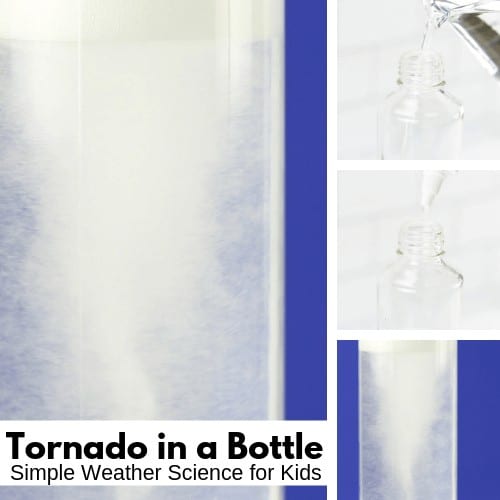
Tornado in a Bottle
Create a mini vortex to demonstrate how tornadoes form during extreme weather.
Spring Temperature Tracker
Chart daily temperatures and compare cool and warm spring days. You can read more about a temperature investigation here (fall version).

Static Electricity Butterfly Craft
Explore static electricity using balloons and tissue paper butterflies.

DIY Homemade Weather Station
Make tools like a rain gauge, thermometer, and wind vane to become a junior weather forecaster.

Water Evaporation Experiment
Place equal amounts of water in two open containers. Put one in a sunny spot and one in a shady spot. Check them over a few days to see which one evaporates faster. Learn how heat and sunlight affect the speed of evaporation.

More Spring Science Information
Meteorologists and weather forecasters watch for changes in the atmosphere during spring. The collision of warm and cold air masses can cause severe thunderstorms, strong winds, and temperature swings. These weather patterns are common in the Northern Hemisphere during March, April, May, and even early June, before the summer solstice.
🔎 Learn about the layers of the atmosphere here.
The water cycle speeds up in spring as warmer temperatures increase evaporation. More clouds form, leading to rain, thunderstorms, and even hail.
Thunder is caused when lightning rapidly heats the air, creating a loud sound wave. Lightning is an example of static electricity in action!
Spring weather also brings pollen from flowers and trees, helping with pollination. We often see rainbows after rain showers when sunlight reflects off water droplets.
More Weather Facts for Kids
- Rainbows need sunlight and water droplets to form.
- Thunderstorms can bring lightning, thunder, heavy rain, and strong winds.
- NOAA and NWS forecasters provide weather warnings to keep people safe.
- Meteorological spring starts earlier than astronomical spring.
- Butterflies and bees are busy in spring helping plants with pollination.
Extension Activities
- Create a spring weather journal and track weather with weather icon symbols.
- Celebrate Earth Day with a spring science experiment on stormwater runoff.
- Research how climate change might affect spring weather patterns.
- Fly a DIY kite and talk about wind speed and air pressure.
- Try a smell of rain experiment to learn why rain has a scent (coming soon).
🔎 Explore more Earth Day Activities here, including stormwater run off, acid rain, carbon footprint, and water conservation activities.
More Weather Activities
- How to Make a DIY Barometer
- Water Cycle in a Bag Activity
- Cloud in a Jar Experiment
- Make a Wind Vane
- Weather Playdough Mats
- DIY Solar Oven
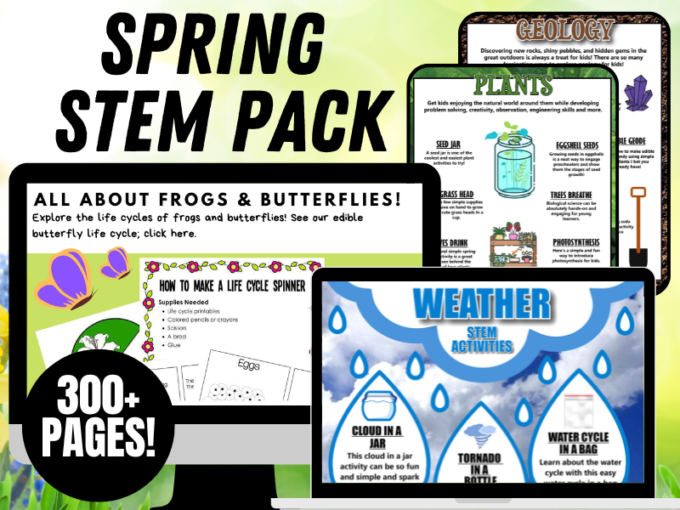
Spring Science Project Pack
Looking for more spring science resources? Check out our complete collection of spring science experiments and lesson plans perfect for grades K-5!