


Build a life-size PVC pipe house for hands-on engineering play! This simple building project lets kids design, connect, and test a sturdy structure while exploring problem-solving and basic building concepts. Using inexpensive hardware-store materials, kids can create their own play space and redesign it repeatedly.
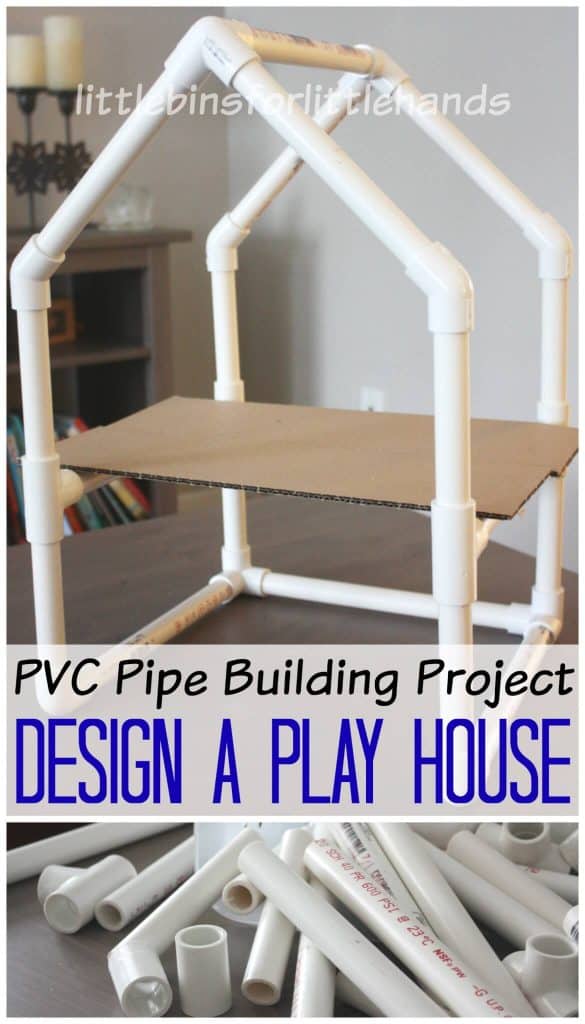
What Kids Learn From This Project
This activity introduces real engineering thinking. As kids build, they naturally explore:
- planning a structure
- measuring and sizing pieces
- stability and balance
- testing and improving designs
- how shapes affect strength
Because the structure is large and interactive, kids immediately see what works — and what doesn’t — which makes this a powerful hands-on STEM experience.
👉 Learn more about the engineering design process for kids with free printables
Supplies
- 1/2 inch PVC pipe (5 ft and 10 ft lengths — about 20 ft total used)
- 1/2 inch PVC fittings:
- 45° elbows
- 90° elbows
- straight connectors
- three-way connectors
- Tape measure and pencil
- Small saw (adult use only)
Optional additions:
- cardboard pieces
- plastic panels
- scarves or fabric
- small toys or figures
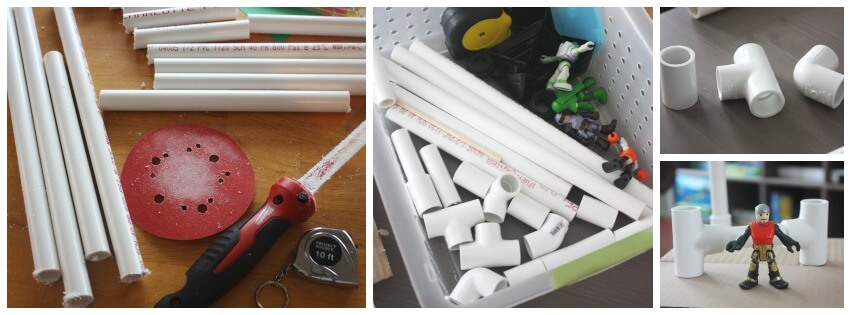
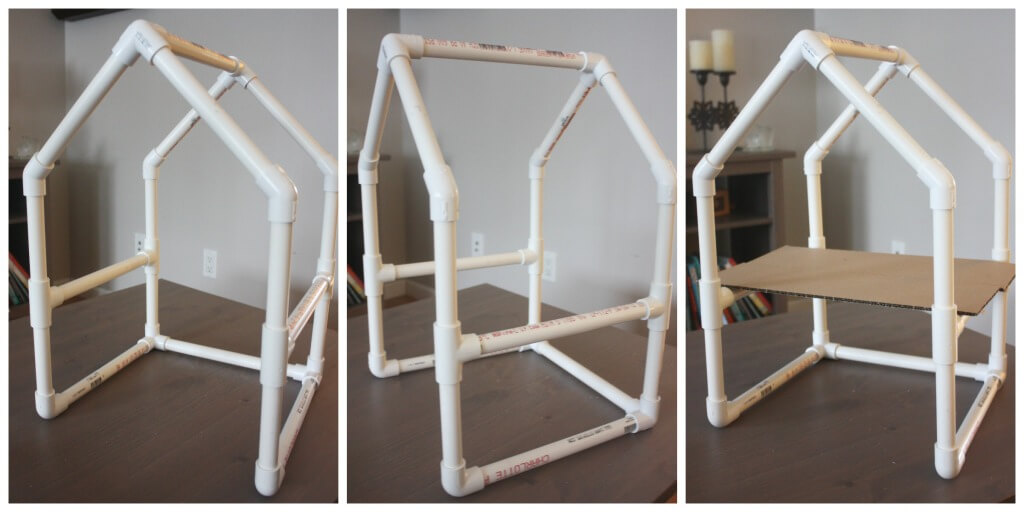
How to Build the PVC Pipe House
Base
Use three 10-inch pieces connected with 90° elbow fittings to form the bottom frame.
Walls
Create the sides using two 5-inch pieces connected with a three-way fitting, then run a 10-inch piece through the middle for support.
Roof
Attach four 6-inch pieces with 45° elbows to form the roof slope.
At the top, connect a 10-inch piece using two three-way fittings — this can also act as a carry handle.
You now have a sturdy frame ready for play!
Tips for Building
- Cut a few extra pipe pieces for experimentation
- Let kids test different shapes before choosing a final design
- Wider bases create stronger structures
- Triangles make stronger roofs than flat tops
Extend the Engineering Challenge
Encourage kids to redesign and improve their structure:
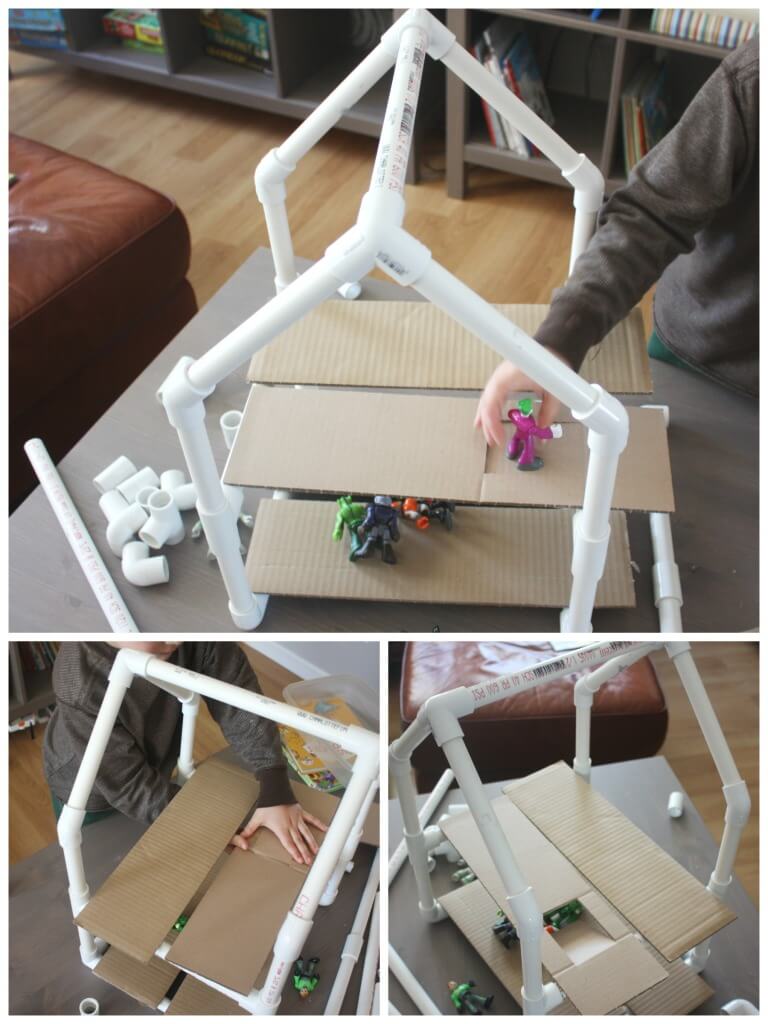
- Can you add a second floor?
- Which connectors make the strongest corners?
- How can you make the roof hold weight?
- What happens if the base is wider?
Younger kids can focus on building and testing, while older kids can draw plans and record measurements.
Add Play Elements
Try adding:
- cardboard floors
- doors or trap doors
- slides
- fabric roofs
- mini figures or animals
The structure becomes both a learning tool and an imaginative play space.
👉 Try adding this easy pulley activity to the house with common materials!
Why This Is Great STEM Learning
Kids aren’t just assembling pieces — they are engineering.
They design → test → adjust → rebuild.
This mirrors the real engineering design process and helps kids understand how structures are built in the real world.
Try More Engineering Projects
After building your PVC house, explore additional hands-on engineering activities and challenges to continue experimenting and improving your designs.
Click here to get your free printable engineering challenges!
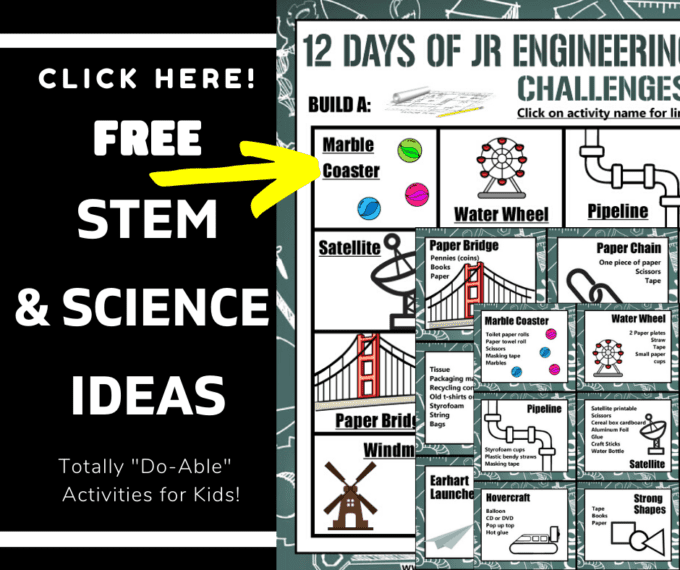
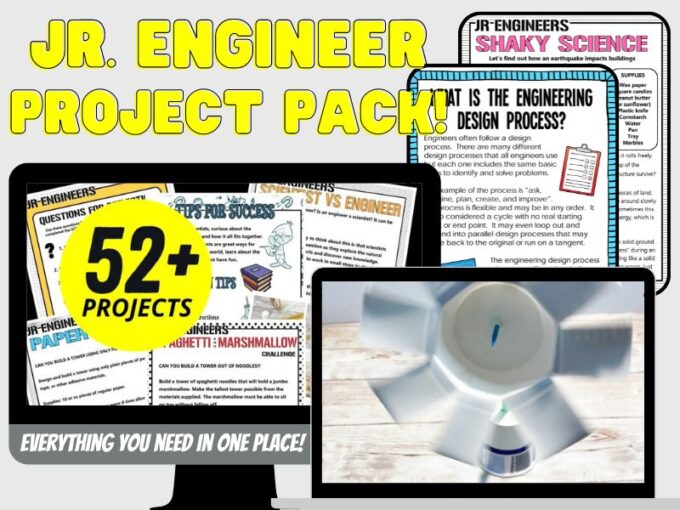
Printable Engineering Projects Pack
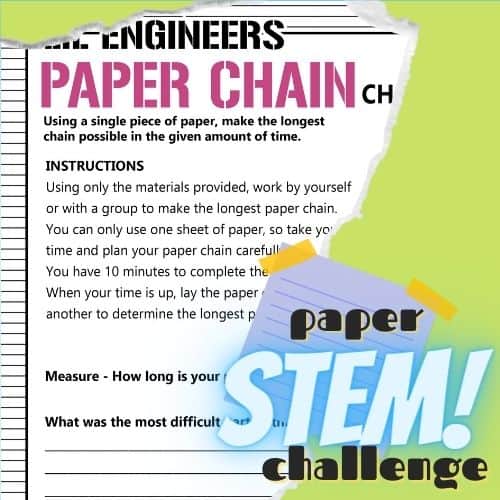
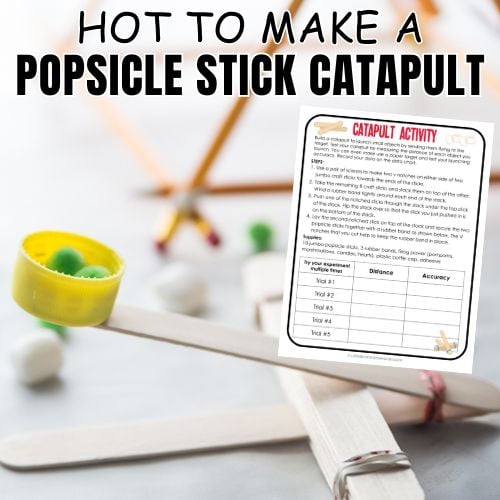
Get started with STEM and engineering projects today with this fantastic resource that includes all the information you need to complete more than 50 activities that encourage STEM skills!





This is awesome! How much total did it cost to build one house? I am thinking of doing this with my class but would need at least 10 houses.
I don’t remember the cost offhand. However, I know that it wasn’t expensive at all. I had one very long pipe that I cut down into pieces and the connectors can be bought singular or in a package for a few dollars. It makes a great reusable building kit!