
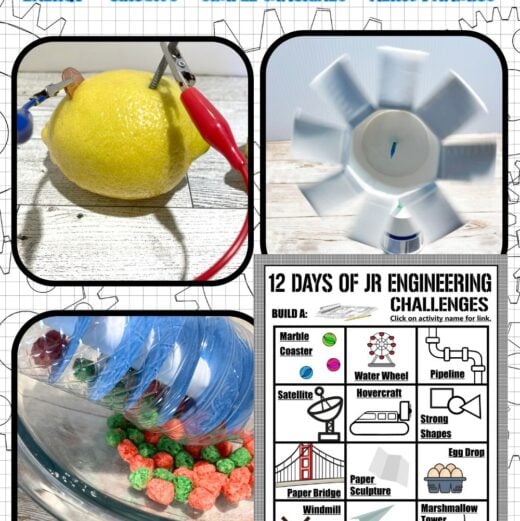
Have you ever wondered how bridges stay standing, how robots work, or how wind powers electricity? Engineering helps solve problems by designing, building, testing, and improving tools, systems, and structures that make our lives better.
Hands-on engineering activities are a great way for kids to explore science, technology, and problem-solving while developing creativity and critical thinking skills.
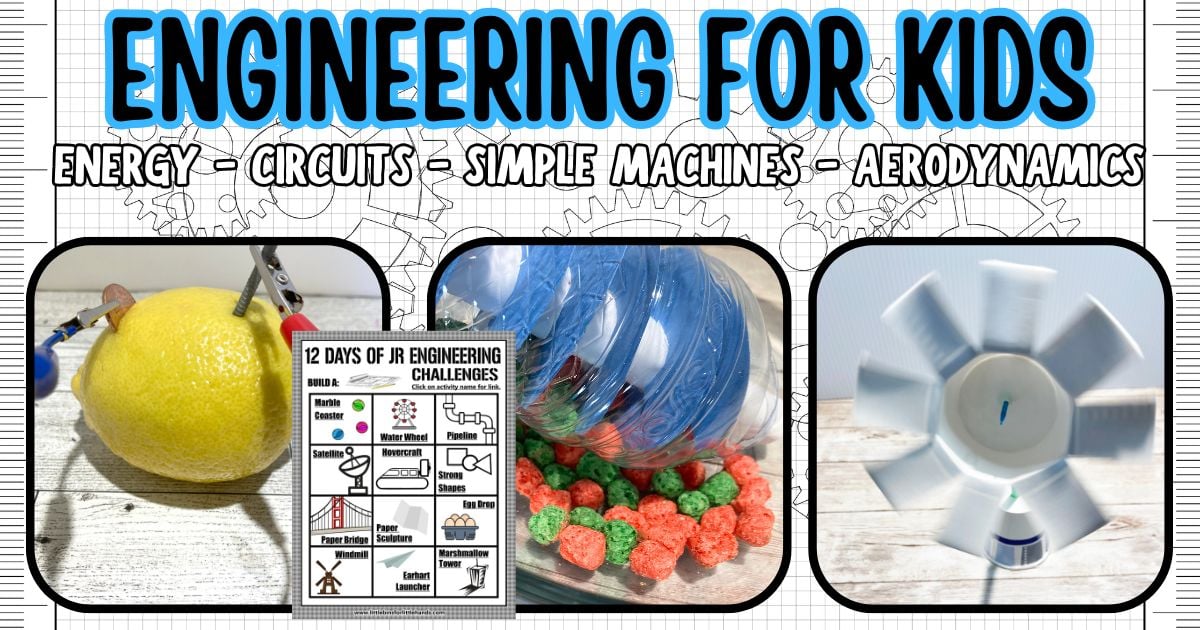
Whether you’re building a bridge, designing a vehicle, creating a circuit, or testing a wind-powered invention, engineering encourages kids to ask questions, try new ideas, and learn from their results.
Engineering Concepts Explored
- Grades: K–5
- Engineering Fields: Structural, Mechanical, Electrical, Environmental, Aerospace, Biomedical, Optical, and Materials Engineering
- Concepts Explored: Engineering design process, forces, motion, energy transfer, simple machines, structures, circuits, renewable energy, aerodynamics, problem-solving, testing, and redesign.
Encourage kids to ask questions, test ideas, record observations, and improve their designs as they work through each challenge.
What Is Engineering?
Engineering solves problems by designing and building tools, systems, and structures. Engineers use creativity, science, mathematics, and critical thinking to create solutions for everyday challenges.
For elementary students, engineering activities provide opportunities to explore how things work while learning through hands-on investigation and experimentation.
👉 Explore these helpful resources and free printables, including engineering vocabulary, engineering books, questions for reflection, and engineers vs. scientists.
The Engineering Design Process
Engineers rarely get things perfect on the first try. Instead, they follow a process of testing and improving their ideas.
- Ask: What problem are you trying to solve?
- Imagine: What possible solutions might work?
- Plan: Draw or describe your design.
- Create: Build a prototype.
- Test: Observe what happens and collect data.
- Improve: Make changes and try again.
This process helps kids develop perseverance, creativity, and problem-solving skills while learning that mistakes are often an important part of innovation.
Most Popular Engineering Activities
If you’re new to engineering projects, start with these reader favorites:
Free Engineering Activities Calendar
Grab the free engineering activities calendar and reusable investigation pages to try out a new STEM project today.
How To Use These Engineering Activities
These activities work well for:
- ✓ STEM lessons
- ✓ Engineering units
- ✓ Homeschool
- ✓ Makerspaces
- ✓ Science clubs
- ✓ Summer learning
- ✓ Early finishers
Engineering Investigations That Move
Many engineering projects focus on movement. These activities explore force, motion, friction, airflow, energy transfer, and engineering design through hands-on challenges.
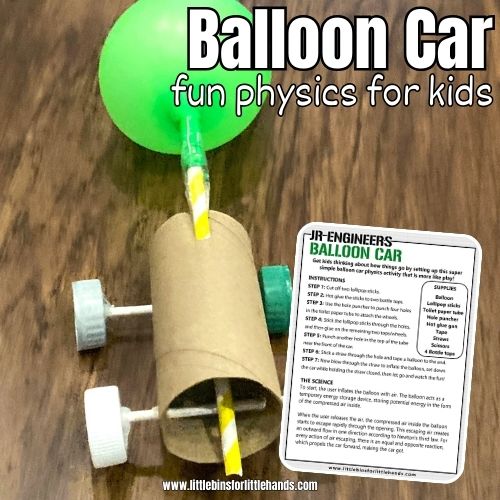
- Balloon Car: Investigate propulsion and motion using air power.
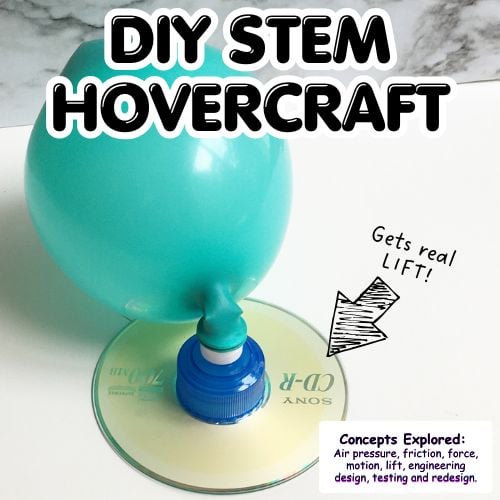
- Hovercraft: Explore how air pressure reduces friction and allows objects to glide.
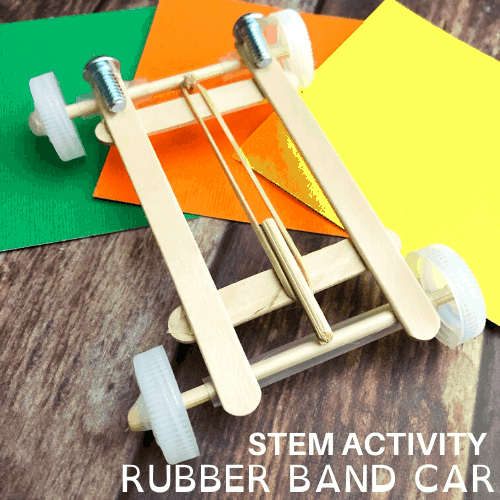
- Rubber Band Car: Discover how stored energy creates movement.
- Fan Powered Car: Use moving air to power a vehicle.
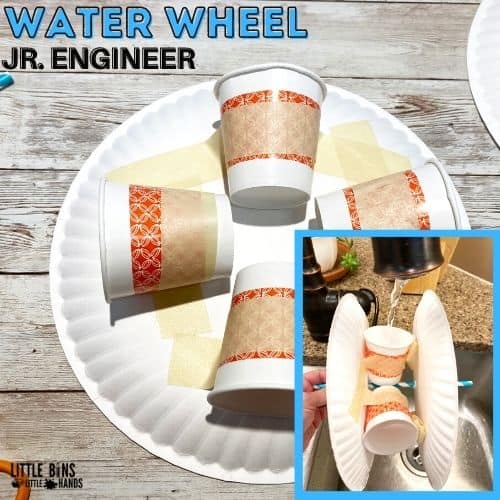
- Water Wheel: Learn how moving water transfers energy.
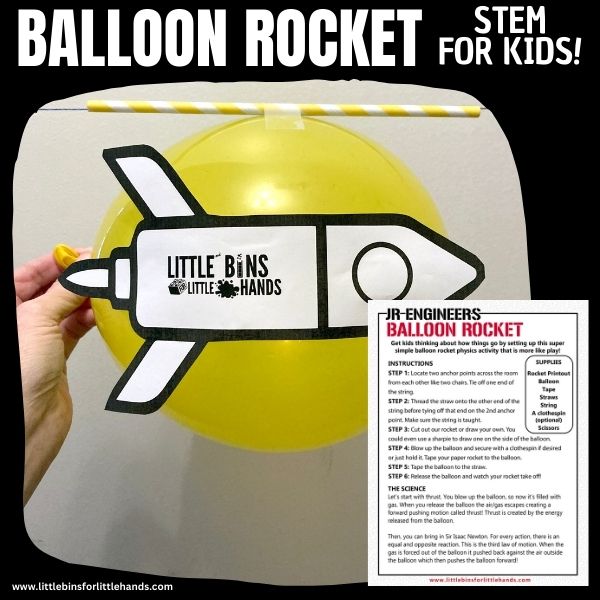
- Balloon Rocket: Investigate thrust and motion.
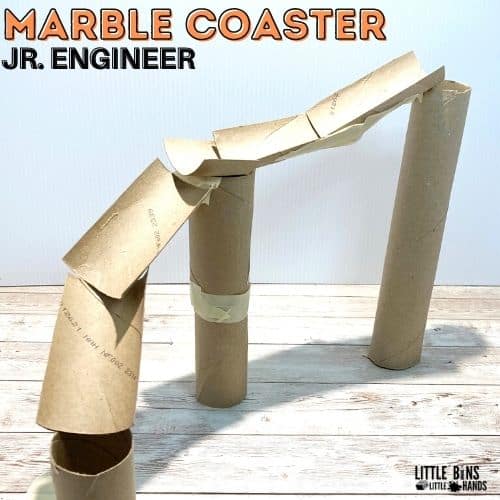
- Marble Coaster: Design pathways that guide movement.

Structural Engineering
What it’s about: Designing and building structures that are stable, strong, and functional.
Why it fits: Structural engineers focus on creating buildings, bridges, and other structures that can handle loads and forces.
Activities:
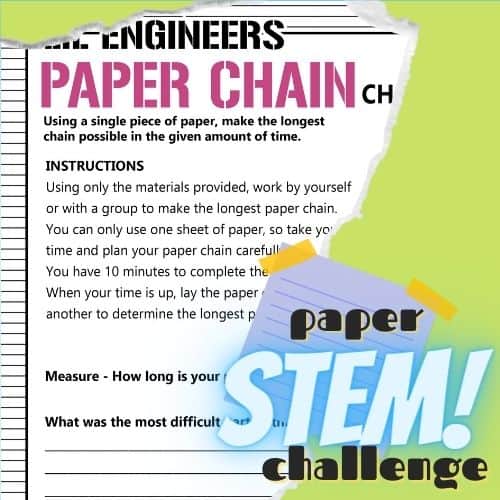
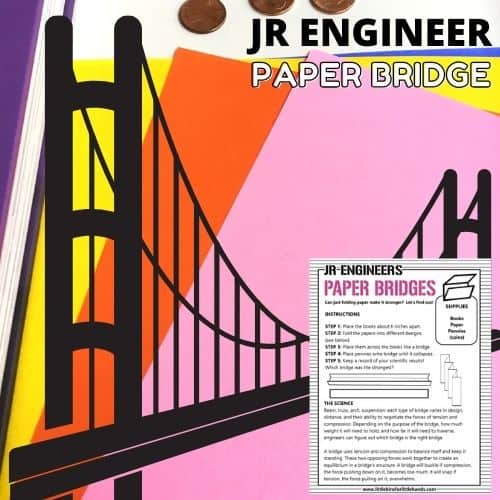
- Bridge Building: Use craft sticks, straws, or cardboard to build a bridge. Test its strength by adding weights. Paper Bridge Challenge [here].
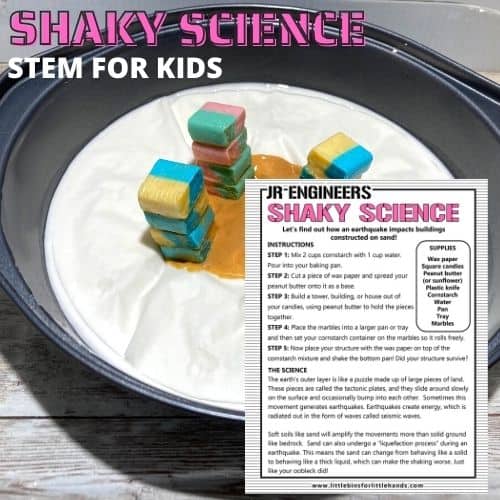
- Earthquake-Resistant Structures: Build a tower with blocks or toothpicks and test its stability on a shake table.
- Spaghetti Strength Test: Experiment with uncooked spaghetti to see how much weight it can hold before snapping.
- Strong Paper Shapes: Fold paper into different shapes like triangles or cylinders and test which shape holds the most weight.
- Paper Tower Challenge: Build the tallest free-standing tower possible using a limited amount of paper.
- DIY Pipeline: Use straws, tubes, or paper towel rolls to create a functional pipeline for marbles or water.
- 3 Little Pigs Challenge: Build houses using different materials (straws, sticks, or blocks) and test them against “huffs and puffs” (a fan).
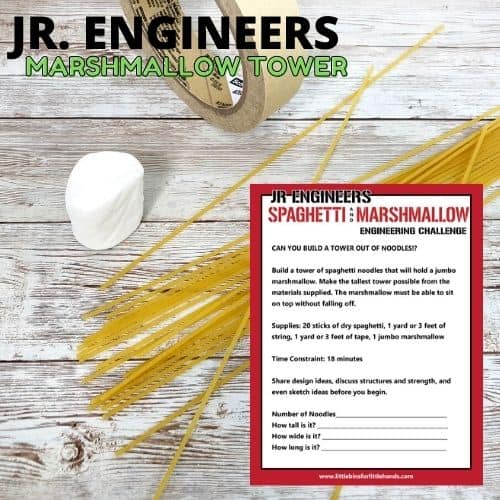
- Classic Marshmallow and Spaghetti Challenge: Use marshmallows and spaghetti to build the tallest tower possible.
- Egg Drop Challenge: Design a protective container for an egg to survive a high drop.
- Paper Tower: Building stable structures using newspaper.

Mechanical Engineering Activities
What it’s about: Creating machines and devices with moving parts.
Why it fits: Mechanical engineers design tools and systems that involve motion, like cars, windmills, and pulleys.
Activities:
- Balloon-Powered Cars: Build a car powered by the air released from a balloon to explore propulsion.
- Rubber Band Car: Discover how stored energy creates movement.
- Balloon Rocket: Investigate thrust and motion.
- Marble Coaster:Design pathways that guide movement.
- Fan-Powered Cars: Attach a small fan to a car and test how air generates motion.
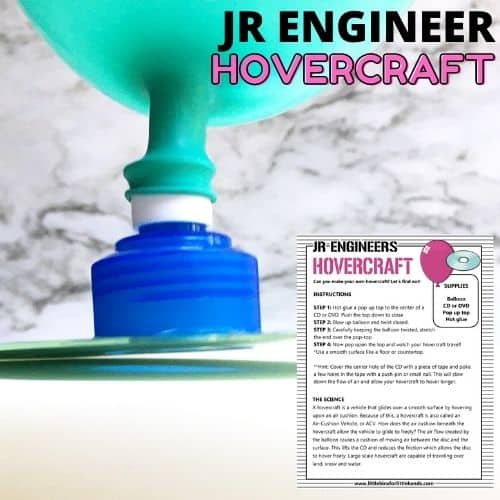
- DIY Hovercraft: Create a hovercraft using a CD, a balloon, and a bottle cap to explore how air pressure reduces friction.
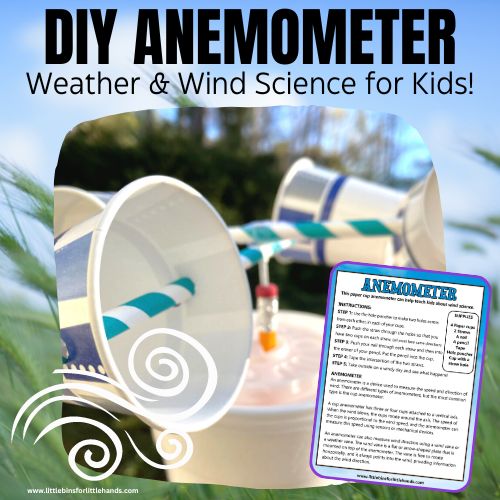
- Anemometer: Build a wind-measuring device using cups and straws to explore rotational motion.
- DIY Phone Speaker: Amplify sound with a paper towel tube and cups in a fun acoustics project.
- Hand Crank Winch: Create a winch system with a crank to lift small weights.
- Water Clock: Build a device that measures time using the water flow.
- Penny Spinner: Design a coin spinner to learn about balance and rotational motion.
- Hexbug Maze Challenge: Build a maze for Hexbugs using cardboard or LEGO bricks to explore motion and interaction with obstacles.
- Candy Gears: Use candy corn and cardboard to create a simple gear system demonstrating how gears transfer motion.
- DIY Wind Turbine: Create a wind turbine to learn about renewable energy sources.
- DIY Pinwheel: Turn wind energy into motion.
Electrical Engineering Activities
What it’s about: Designing devices that use electricity to power systems.
Why it fits: Electrical engineers work on circuits, motors, and energy systems that power our modern world.
Activities:
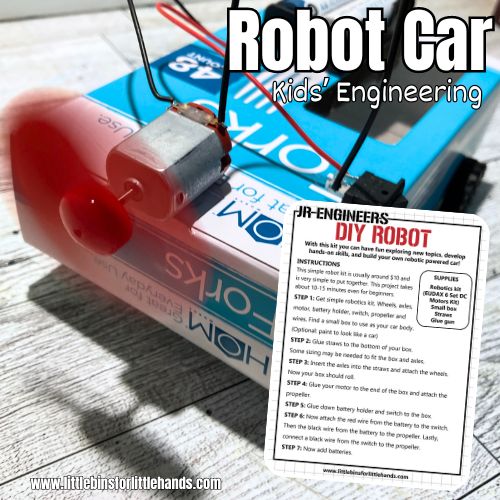
- Robot Car: Build a small car powered by a motor and battery, exploring energy and motion.
- Electromagnet: Wrap wire around a nail, connect it to a battery, and see how the nail attracts objects.
- Lemon Battery: Create a simple battery using lemons, nails, and pennies to power a small LED.
- Playdough Circuit: Use conductive playdough to light up LEDs and explore how circuits work.
- Conductivity Testing: Test household items to determine which materials conduct electricity.
- Light-Up Paper Circuit Cards: Use LEDs and copper tape to create greeting cards that light up when pressed.
- Homopolar Motor: Explore the connection between electricity and motion with simple materials.
- Art Bot: Awesome electrical and mechanical engineering! Combine motors and movement to create unique designs.
- Parallel Circuit: Build multiple paths for electricity so bulbs stay lit even if one goes out.
Series Circuit: Connect components in a single path—one break stops the circuit. - Aluminum Foil Circuit: Use foil as a conductor to light an LED.
- Flashlight: Build a flashlight using a basic electrical circuit.



Environmental Engineering Activities
What it’s about: Solving environmental problems like water filtration, renewable energy, and conservation. Take a look at your carbon footprint here.
Why it fits: Environmental engineers design systems to improve the environment and make sustainable solutions.
Activities:
- Water Filtration System: Build a filter using sand, gravel, and cotton balls to clean dirty water.
- Air Filter Challenge: Build an air filter with basic supplies and test whether it can help clean the air.
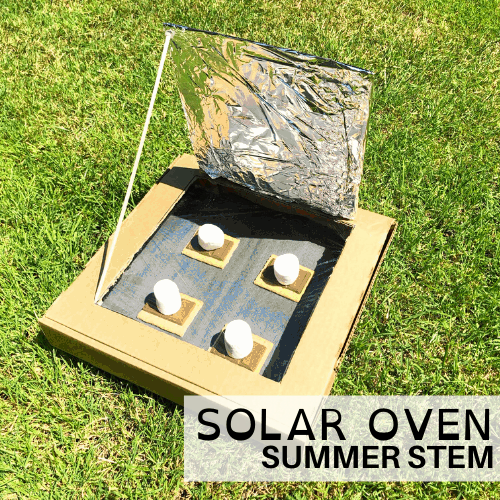
- DIY Solar Oven: Use a box, aluminum foil, and plastic wrap to build an oven that harnesses solar energy.
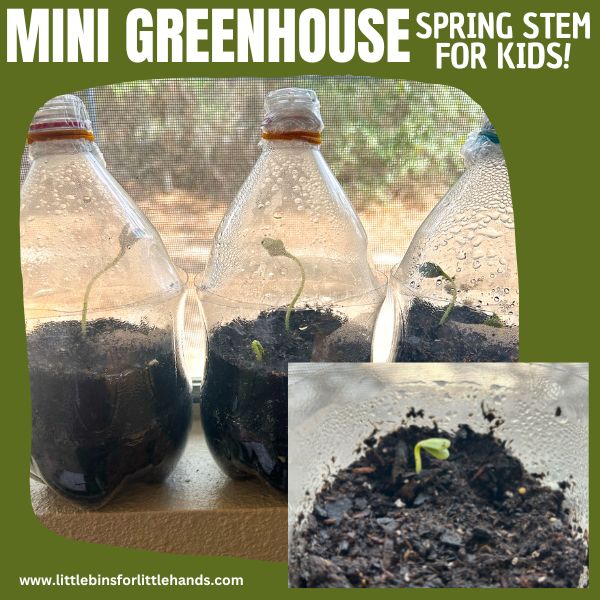
- Mini Greenhouse: Create a greenhouse with recycled plastic containers to grow small plants.
- Recycled Art: Turn recyclable materials into creative art or functional items.
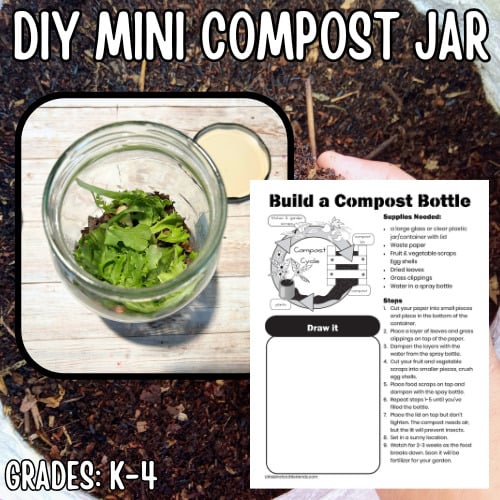
- DIY Compost Bin: Create a mini compost system to observe decomposition and reduce waste.
- Rainwater Collector: Design a system to collect and store rainwater using recycled materials. You can also make a rain gauge as a start.
- Wind Vane: Build a wind vane with cardboard and a straw to measure wind direction.

Aerospace Engineering Activities
What it’s about: Designing vehicles that fly or travel in space, like planes, rockets, and satellites.
Why it fits: Aerospace engineers focus on motion through the air and beyond Earth’s atmosphere.
Activities:
- Bottle Rockets: Launch a rocket into the sky using a soda bottle and air pressure.
- Parachute Design: Build a parachute using fabric or coffee filters and test how slowly it descends.
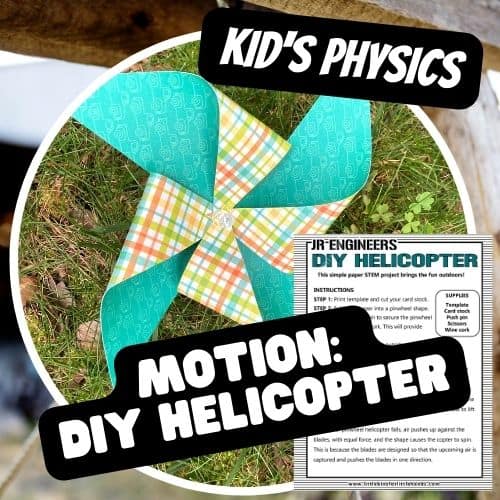
- Paper Helicopter: Create a helicopter from paper and watch it spin as it falls.
- Paper Airplane Launcher: Design a launcher that propels paper airplanes, exploring force and motion.
- Wind Tunnel: Build a wind tunnel to test the aerodynamics of objects, exploring how air resistance and lift work.
- Lunar Lander: Build a lunar lander and test how engineers achieve safe Moon landings.
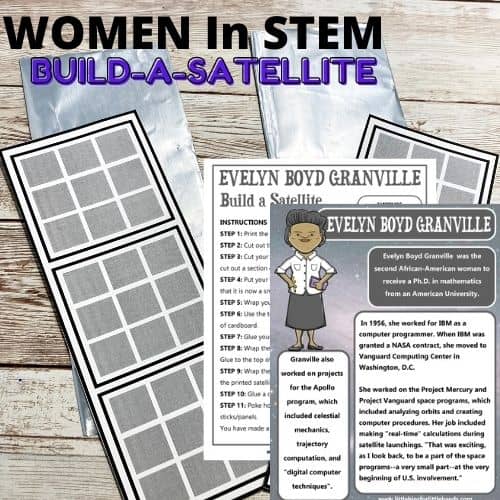
- Satellite STEM Project: Design a model satellite and learn how satellites help us study Earth and space.


Optical Engineering Activities
What it’s about: Designing tools that use light to create images, measure, or analyze.
Why it fits: Optical engineers work on devices like cameras, microscopes, and spectroscopes.
Activities:
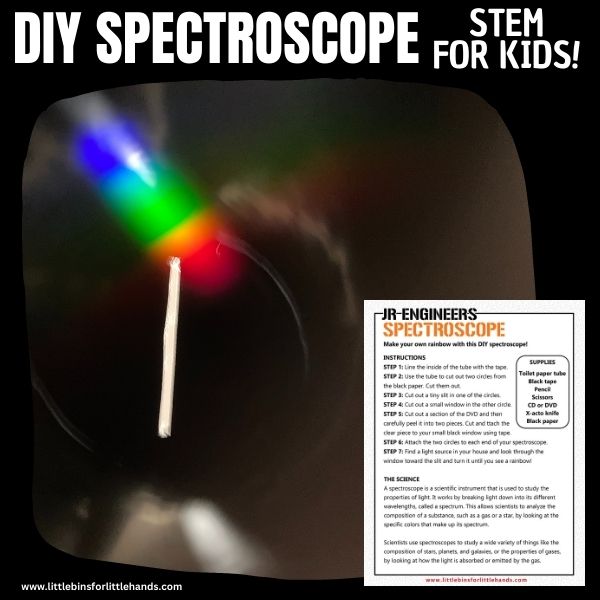
- DIY Spectroscope: Use a cardboard tube, a CD/DVD, and black paper to create a tool that splits light into its spectrum.
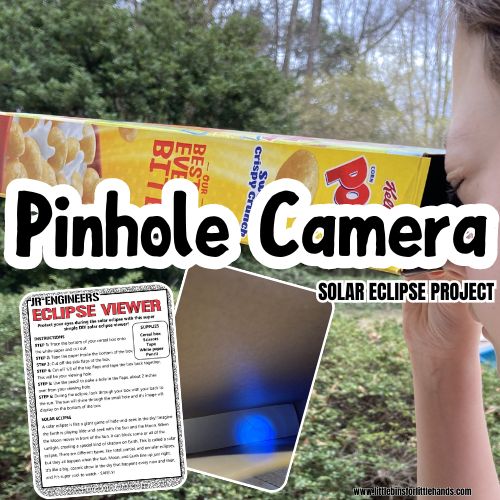
- Pinhole Camera: Create a simple camera using a box and aluminum foil to observe how light forms an image.
Biomedical Engineering Activities
What it’s about: Designing tools and technologies to improve healthcare and solve medical challenges.
Why it fits: Biomedical engineers develop devices like stethoscopes, prosthetics, and imaging machines.
Activities:
- DIY Stethoscope: Build a simple stethoscope to amplify body sounds.
- Pulse Counter: Create a device to count heartbeats using a balloon stretched over a jar.
Simple Machines
What it’s about: Creating tools that make work easier using fundamental mechanisms.
Why it fits: Simple machines like pulleys, levers, and ramps are the foundation of engineering.
Activities:
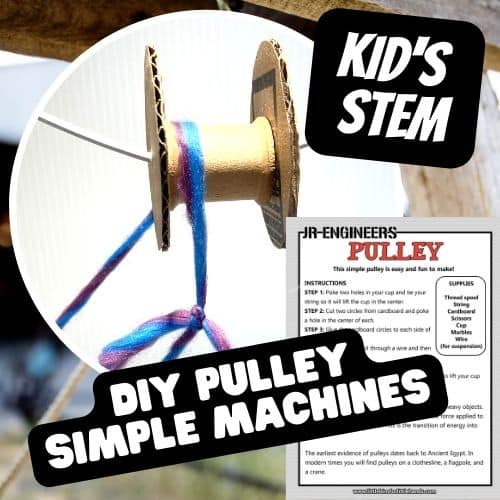
- Pulley System: Build a pulley using string and spools to lift small objects.
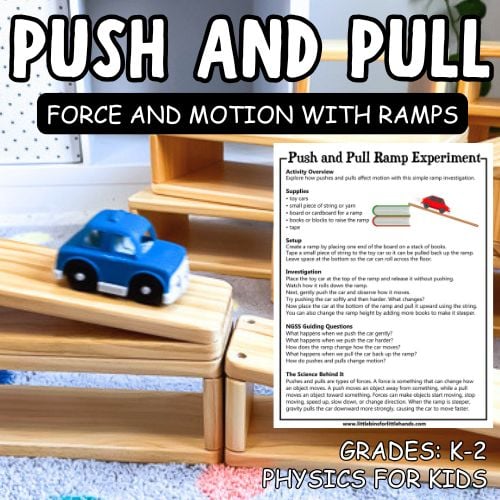
- Ramps: Test how different inclines affect the speed and distance of toy cars.
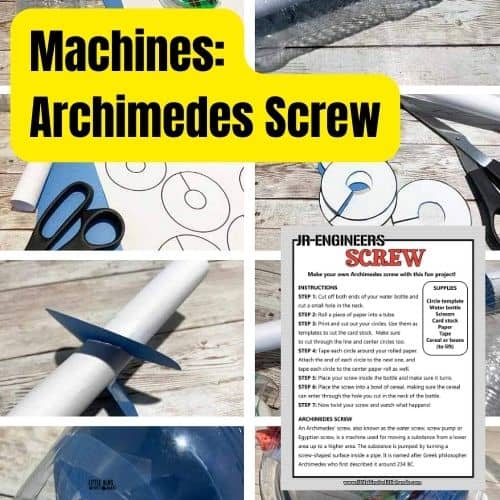
- Archimedes Screw: Use tubing or recycled materials to create a screw that moves water uphill.
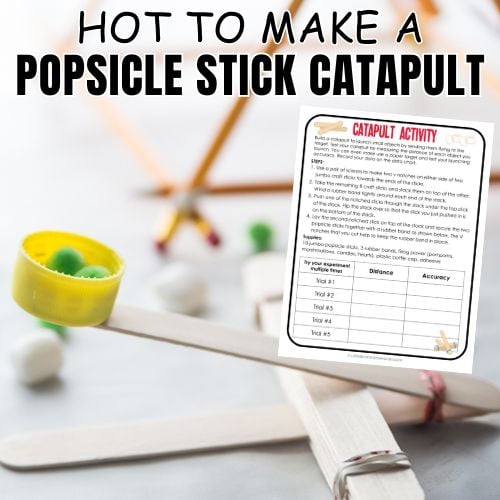
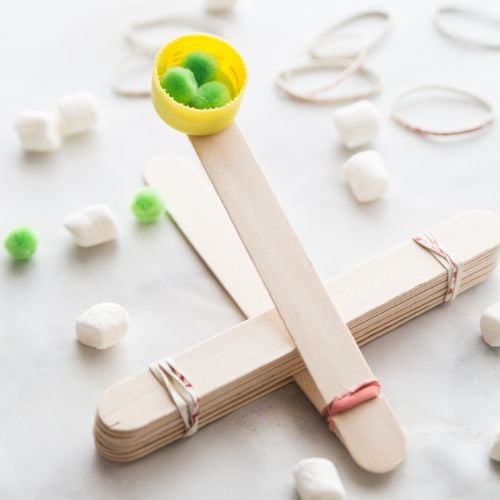
- Catapults: Experiment with levers and explore how different angles affect distance and trajectory.
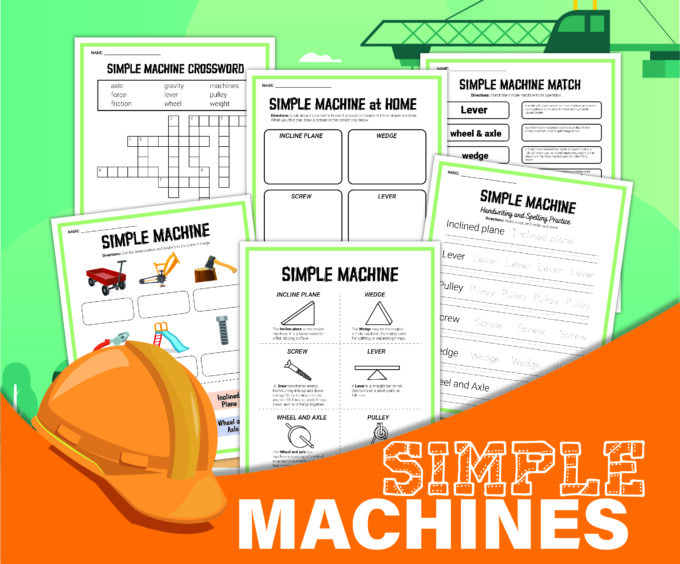
💡Explore more about simple machines here, along with a free printable worksheet pack.
Everyday Materials Engineering
What it’s about: Tackling real-world challenges with creative solutions using common household items.
Why it fits: Everyday materials engineering encourages innovation by using what’s readily available to design and build functional devices or systems.
Activities:
- Trash Grabber Tool: Create a tool using cardboard, rubber bands, and straws to pick up small objects from a distance. Why it fits: Simulates how engineers design tools for accessibility and environmental cleanup.
- Snow Shovel Challenge: Create a snow shovel to remove snow and investigate material properties and simple machines.
Why it fits: Simulates how engineers design tools for durability and environmental cleanup. - Paper Cup Phones: Build a communication system using string and paper cups. Explore how sound travels.
Why it fits: Explores basic principles of communication technology while utilizing simple materials. - DIY Shade Structure: Build a small shelter using cardboard, paper, and straws to test how well it blocks sunlight.
Why it fits: Introduces basic thermal engineering concepts and problem-solving for real-world issues like heat protection.
Try This: STEM Questions for Reflection
These STEM reflection questions are perfect for using with kiddos of all ages to talk about how the project went and what they might do differently next time.
Use these questions for reflection with your kids after they have completed the STEM challenge to encourage discussion of results and critical thinking. Older kiddos can use these questions as a writing prompt for a STEM notebook. For younger kiddos, use the questions as a fun conversation!
- What were some of the challenges you discovered along the way?
- What worked well and what did not work well?
- What part of your model or prototype do you really like? Explain why.
- What part of your model or prototype needs improvement? Explain why.
- What other materials would you like to use if you could do this challenge again?
- What would you do differently next time?
- What parts of your model or prototype are similar to the real-world version?
Want more hands-on STEM ideas that actually work?
Our Classic STEM & Engineering Projects Pack includes 50+ favorite experiments and engineering challenges with printable journal pages, instructions, and easy-to-find supplies. Perfect for classrooms, homeschool, and curious kids who love to build and test ideas.