
Looking for a fun rainbow STEM activity that introduces kids to engineering? This Rainbow Bridge STEM Challenge is a hands-on way for kids to design, build, and test their own colorful bridge using simple materials.
Kids will plan a bridge design, build it using materials like craft sticks, pipe cleaners, or LEGO bricks, and then test how much weight the bridge can hold. Along the way, they explore important engineering concepts such as balance, structural support, and weight distribution.
This activity works well at home, in the classroom, or as part of a rainbow science theme.
Jump to:
• Supplies
• Instructions
• Bridge Design Ideas
• Science Project Ideas
• Teacher Tips
The Engineering Behind Bridges
Field: Engineering — Structural Engineering
Grades: K–4
Concepts Explored: engineering design process, balance, structural support, weight distribution, problem solving
Bridges are designed to support weight and distribute forces evenly across a structure. Engineers carefully plan bridge designs to safely carry vehicles, trains, and people.
There are several common bridge designs:
• Beam bridges – simple flat bridges supported at both ends
• Arch bridges – curved bridges that spread weight outward
• Suspension bridges – bridges supported by cables or ropes
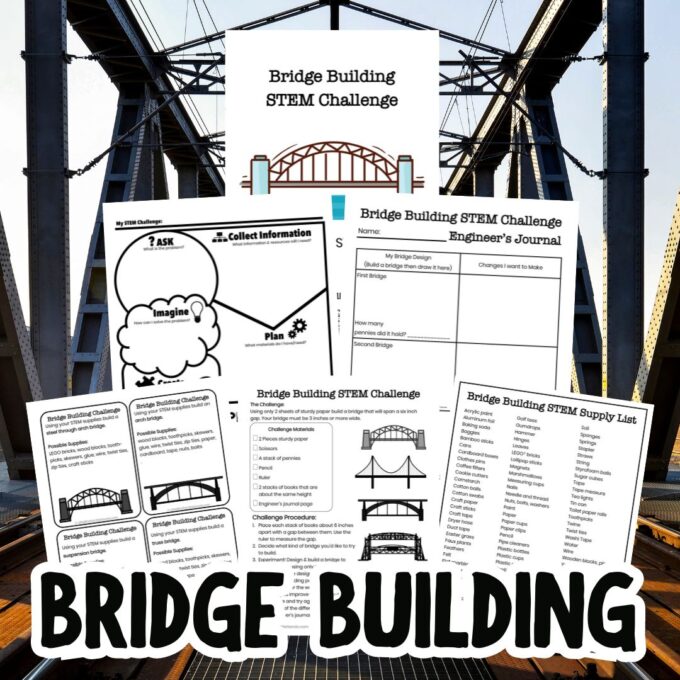
During this challenge, kids will discover how adding supports or changing the bridge shape can make their structure stronger. Take a look at different bridge shapes here.
Supplies Needed
- Pipe cleaners (rainbow colors)
- Craft sticks
- LEGO bricks (rainbow colors optional)
- String or yarn (optional for suspension bridge idea)
- Tape or glue
- Scissors
- Small weights (coins, toy figures, or blocks)
- Two objects to span the bridge between (books, boxes, or blocks)
- Paper and pencil for planning designs
Plan Your Bridge First
Engineers usually sketch ideas before building. Planning helps kids think about how their bridge will work.
Encourage kids to draw their bridge design and think about:
• what shape the bridge will be
• where supports will go
• how many rainbow colors to include
You can also use a printable planning sheet or observation worksheet to help kids record their ideas and results. We have a free printable below.
How To Do the Rainbow Bridge STEM Challenge
Step 1: Design Your Bridge
Sketch your bridge design and decide which materials you will use.
Think about what type of bridge you want to build:
• arch bridge
• flat bridge
• suspension bridge
Step 2: Build the Bridge
Use your materials to build a bridge that spans between two objects such as books or blocks.
Try including all the colors of the rainbow in your design.
Step 3: Test the Bridge
Place small weights such as coins or toy figures on top of the bridge.
Does it hold the weight?
Does the bridge bend or collapse?
Step 4: Improve Your Design
Engineers rarely succeed on the first try. Encourage kids to redesign their bridge to make it stronger.
Try:
• adding supports underneath
• widening the base
• changing the shape of the bridge
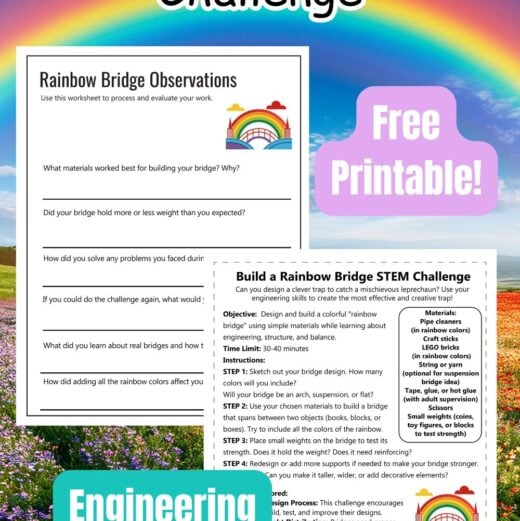
Free Rainbow Bridge STEM Printable
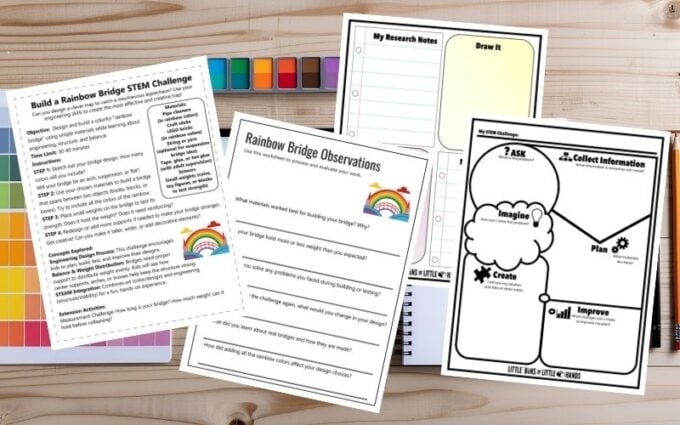
Make this activity even easier with our free Rainbow Bridge STEM Challenge sheets.
The printable includes:
• Rainbow Bridge Challenge instructions
• Rainbow Bridge observation worksheet
Kids can use the planning page to sketch their bridge design before building. The observation sheet helps them reflect on their design, test results, and what they would change next time.
👉 Download the Rainbow Bridge STEM Challenge Printable to get started.
Bridge Design Ideas to Try
If kids aren’t sure where to start, try one of these simple bridge design ideas.
Paper Bridge
A paper bridge is one of the easiest ways to explore bridge engineering.
Fold a sheet of paper into different shapes to make it stronger.
Try:
• accordion folds
• rolled paper tubes
• triangle supports
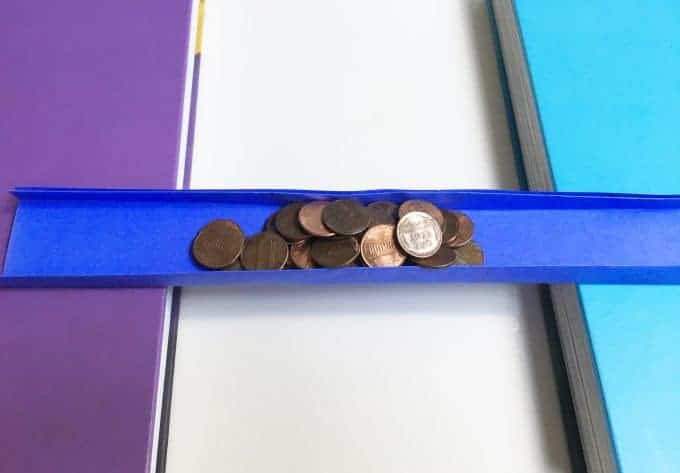
Place the paper between two books and test how many coins it can hold.
Concepts explored:
• structural strength
• shape and support
• weight distribution
👉 Try our Paper Bridge Challenge for more ideas.
Craft Stick Bridge
Build a simple bridge using craft sticks. Glue or tape the sticks together and add supports underneath.
Triangle shapes can help strengthen the bridge.
Concepts explored:
• truss design
• structural support
• engineering stability
Pipe Cleaner Rainbow Bridge
Bend colorful pipe cleaners into an arch shape and attach them to a base made from cardboard or craft sticks.
Concepts explored:
• arch bridges
• flexible structures
• structural strength
LEGO Rainbow Bridge
Use LEGO bricks to build a rainbow bridge between two stacks of books.
Try adding arches or supports underneath the bridge deck.
Concepts explored:
• structural design
• balance
• engineering creativity
Suspension Bridge with String
Tape or tie a string between two objects and hang the bridge deck from the string.
Concepts explored:
• tension forces
• suspension structures
• weight distribution
Test Your Bridge Strength
Once your bridge is finished, test its strength.
Try placing:
• coins
• toy cars
• small blocks
Record how many items your bridge can hold before collapsing.
Encourage kids to redesign their bridge and test again. This mirrors the engineering design process: plan, build, test, and improve.
Make It a Science Project
This challenge can easily become a science fair or STEM project.
Try testing questions like:
• Which bridge design holds the most weight?
• Do wider bridges hold more weight than narrow bridges?
• Does adding supports increase bridge strength?
Record results and compare different bridge designs.
Teacher Tips for the Rainbow Bridge STEM Challenge
This activity works well as a small-group STEM challenge or a whole-class engineering activity.
Helpful tips:
- Set a time limit such as 30–40 minutes.
- Provide a variety of materials so kids can test different designs.
- Encourage kids to sketch their bridge first before building.
- Test bridges together and compare results.
- Discuss what worked and what could be improved.
Using a bridge observation sheet helps students reflect on their design and results.
Materials Variations
If you don’t have the exact materials listed above, try:
• cardboard
• index cards
• drinking straws
• paper straws
• recycled boxes
Different materials will create different bridge strengths.
Try More Engineering Challenges
If your kids enjoyed this STEM challenge, try these next:
• Paper Bridge Challenge
• Balloon Car STEM Activity
• Marshmallow Spaghetti Tower
• Catapult STEM Challenge
• Straw Boat Challenge
These engineering activities introduce important engineering ideas through fun building challenges.
More Rainbow STEM Activities
Looking for more colorful science activities?
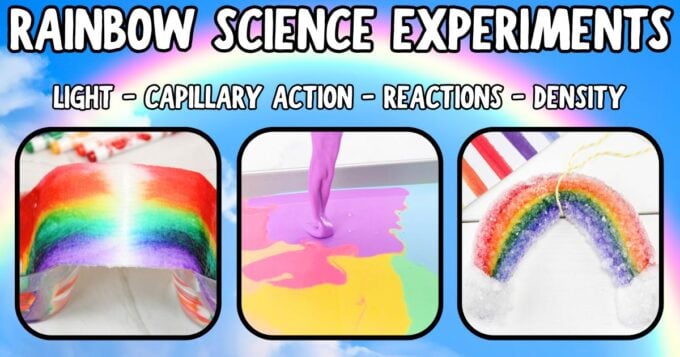
Explore our Rainbow Science Experiments, including walking water rainbows, density towers, crystal rainbows, and rainbow oobleck.
You can also try a fun LEGO Rainbow Challenge for another creative building activity.
Frequently Asked Questions
What is a STEM bridge challenge? A bridge STEM challenge is a hands-on engineering activity where kids design and build a bridge using simple materials. The goal is usually to create a structure that can support weight without collapsing.
What materials can you use to build a bridge for a STEM activity? Common materials include paper, craft sticks, pipe cleaners, LEGO bricks, cardboard, and string. Using different materials helps kids explore how structure and support affect strength.
What age is this bridge challenge best for? This activity works well for grades K–4, but older kids can expand the challenge by testing different bridge designs and recording data.
Why are bridge STEM activities good for kids? Bridge-building activities help kids learn engineering concepts such as balance, weight distribution, and structural design while practicing problem-solving and creativity.
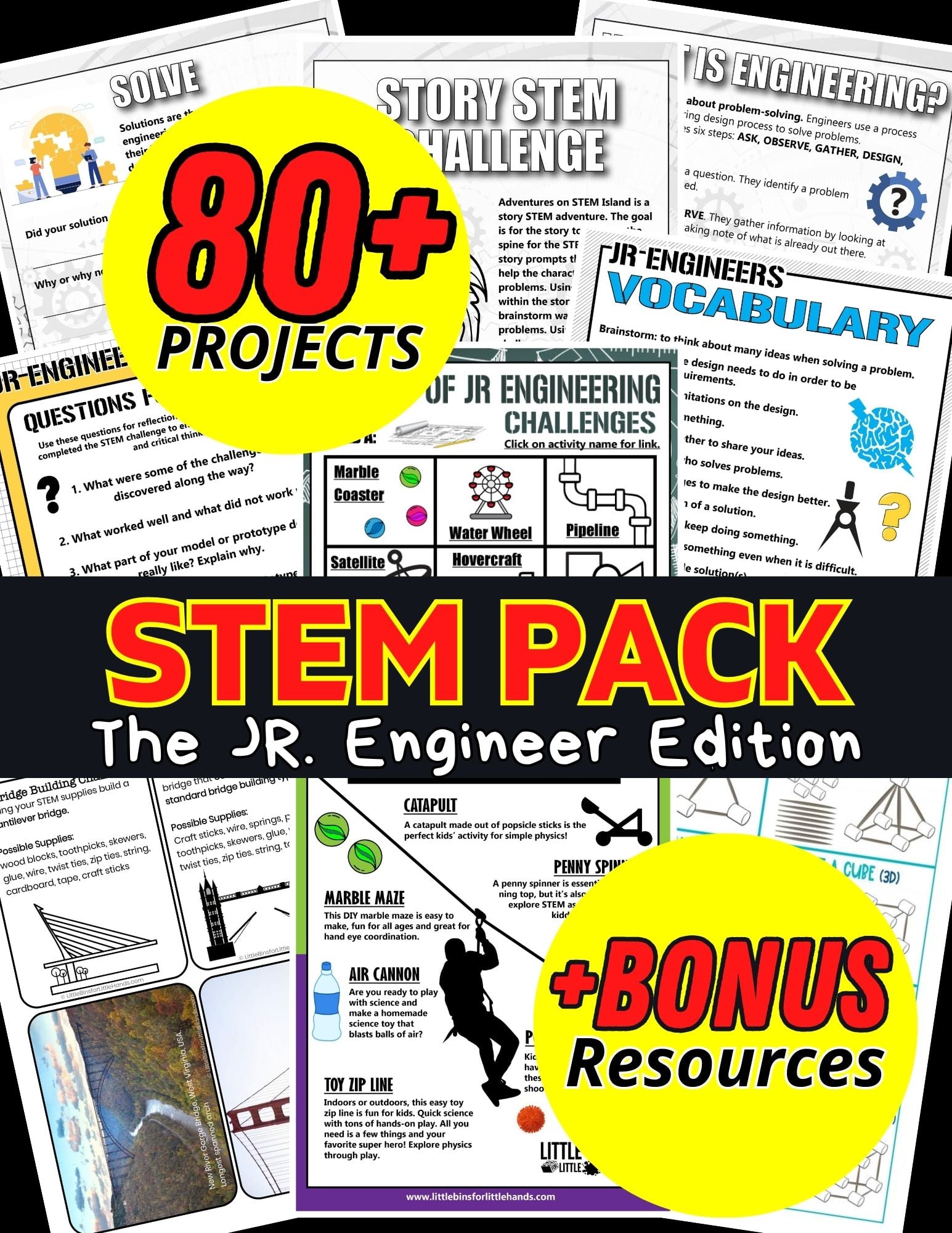
Want more hands-on STEM ideas that actually work?
Our Classic STEM & Engineering Projects Pack includes 50+ favorite experiments and engineering challenges with printable journal pages, instructions, and easy-to-find supplies. Perfect for classrooms, homeschool, and curious kids who love to build and test ideas.