
Create a boat that moves across water with the power of a rubber band! This simple DIY rubber band paddle boat is a fun way to explore energy, force and motion, and even Newton’s Laws of Motion. Whether trying it in a tub, pool, or large container, you’ll be amazed at how far your paddle boat can travel!

Rubber Band Paddle Boat for Kids STEM
Field of Science: Physics and Engineering
Recommended Grade Level: 1st – 5th grade
Concepts Explored: Energy of motion, potential energy, kinetic energy, Newton’s Third Law, force and motion, and waterproofing a boat
This activity introduces kids to the energy transfer involved in motion. Twisting a rubber band stores potential energy. When released, this energy changes into kinetic energy, causing the paddle wheel to spin and propelling the boat forward through the water. According to Newton’s Third Law, every action has an equal and opposite reaction—the spinning paddle pushes water backward, and the boat moves in the opposite direction.
💡ALSO CHECK OUT: Physics Activities For Kids! Learn more about Newtons Laws of Motion here. Take a look at our force and motion worksheets or investigate potential and kinetic energy here.
Supplies Needed
- Paddle boat printable template (below)
- Cereal box cardboard or small pieces of foam
- Rubber band (or extra heavy duty bands for larger models)
- Duct tape (for waterproofing)
- Scissors
- Scotch tape or hot glue gun (with supervision)
- Bowl, bathtub, or small pool with water
How to Make a DIY Rubber Band Paddle Boat
Watch the video:
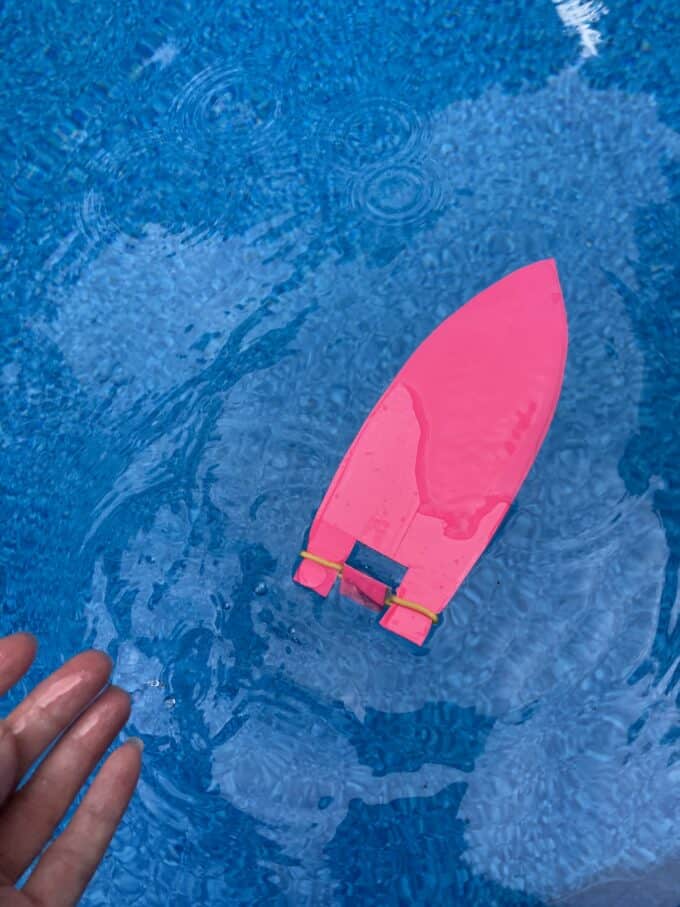
Cut Out Your Boat: Use the template below or draw your own boat hull shape on cardboard or foam. Cut out the main body and a smaller paddle piece.


Trim and Waterproof: Make sure the paddle fits snugly in the boat’s middle. Cover the hull and paddle with duct tape to waterproof the design.

Attach the Paddle: Use tape or hot glue to attach the paddle to the rubber band.


Assemble the Propulsion System: Stretch the rubber band across the boat so the paddle sits in the center. Make sure it’s tightly secured.
Wind It Up: Twist the paddle to build potential energy.

Let It Go: Gently release your paddle boat into the water and watch it move! Observe how energy transforms and how the paddle spins to move the boat forward.
Rubber Band Paddle Boat Science Information
- Potential Energy: This is stored energy. When you twist the rubber band, you’re adding energy to it by changing its shape. The more you twist, the more energy is stored.
- Kinetic Energy: This is the energy of movement. When the rubber band is released, all that stored energy turns into motion. The paddle spins and moves water, and the boat floats forward.
- Newton’s Third Law of Motion: For every action, there is an equal and opposite reaction. As the paddle wheel pushes water backward, the boat is pushed forward. This is the same concept that helps rockets and airplanes move.
- Force and Motion: A force is any push or pull. In this case, the spinning paddle applies a force to the water. The boat’s motion is a result of the reaction force.
- Waterproofing: Using duct tape keeps water from soaking into cardboard, which could make the boat soggy and sink. This is a simple way to teach about material properties and durability in design.
- Engineering Design: Students are also using the engineering design process—asking, imagining, planning, creating, testing, and improving. For example, they can redesign the hull or change the paddle size for better performance.
- Vocabulary Connections: Words like hull, paddle wheel, propulsion, float, twist, spin, and motion help reinforce grade-level science terms.
CLICK HERE TO GET YOUR PRINTABLE STEM PROJECT!

More Science Facts for Kids
- The paddle wheel was widely used in the 1800s on steamer ships.
- Some modern paddle boats use pedals instead of engines, relying on people to generate the motion.
- Small boats like this are great for exploring physics in a fun and hands-on way.
Extension Activities
- Test different paddle sizes or hull shapes to see which creates the best energy of motion.
- Add small weights or cargo to explore how the boat floats and how waves affect it.
- Try a race with friends and explore how friction, depth, and water resistance influence performance.
Related Science Activities
🔎 Look through more fantastic science projects for 3rd-5th Grade here.
- Balloon Powered Car
- Rubber Band Car
- DIY Water Wheel Project
- Simple Paper Airplane Launcher
- Physics Activities for Kids
- Newton’s Laws Color Spinner
- Popsicle Stick Chain Reaction Project
- DIY Hovercraft for Kids
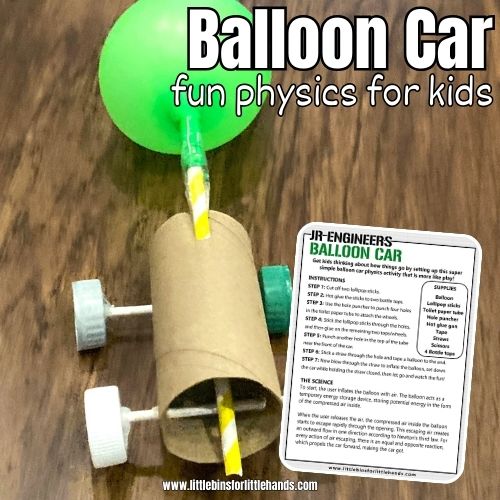
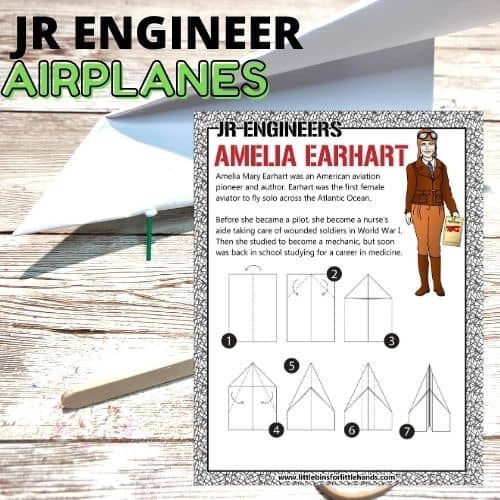
Printable Engineering Projects Pack
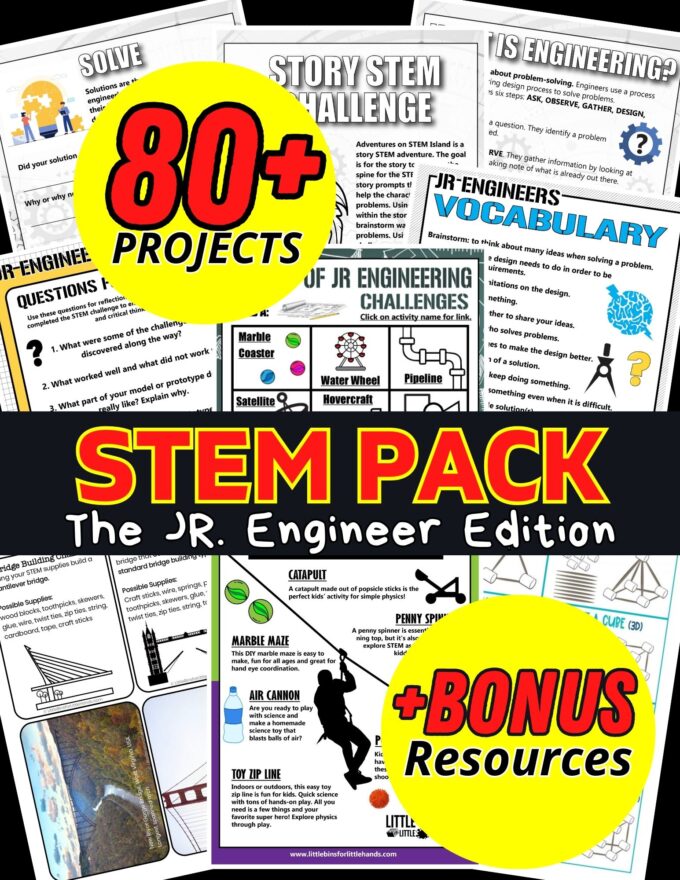
Looking for even more hands-on physics and engineering fun? Grab our Printable STEM Pack with 80+ engineering challenges to build, test, and learn!
👉 80+ Doable Engineering Projects in one convenient pack!