

This fall we created an idea for a spider web slime since my son is interested in checking out spiderwebs whenever we are out for a walk. Our homemade spider web slime is awesome fall and Halloween science, or it’s perfect anytime if you have a kid fascinated by spiders!
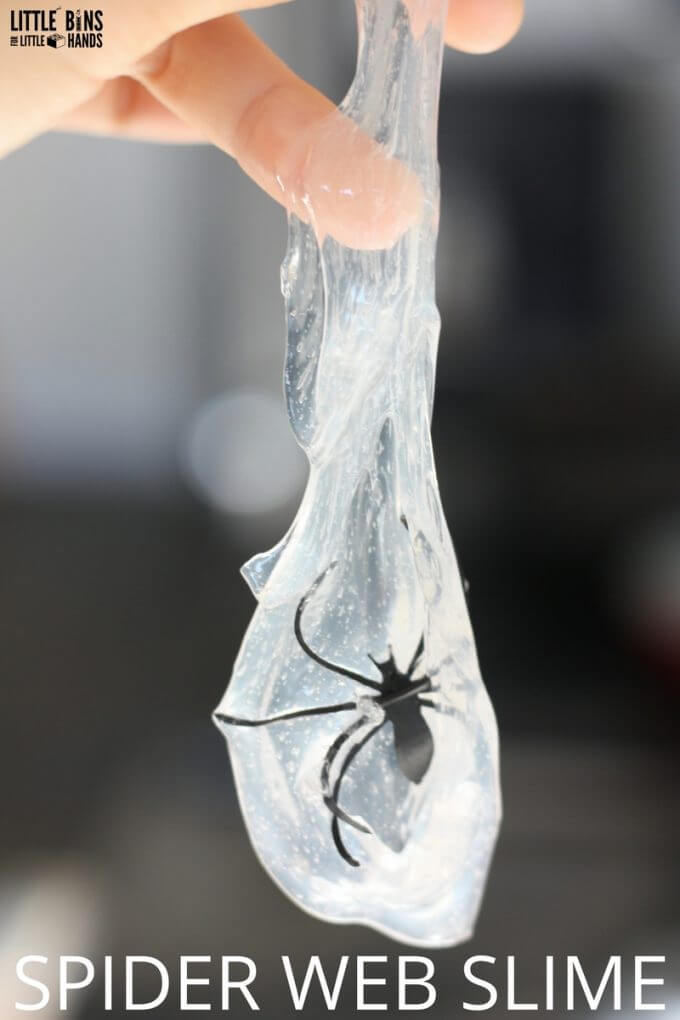
Spider Web Slime Recipe
Make a batch of our favorite clear slime for this spider web slime!
Ingredients:
- 1/2 cup Clear PVA School Glue
- 1 tablespoon Saline Solution (must contain boric acid and sodium borate)
- 1/2 cup of Water
- 1/4-1/2 tsp Baking Soda
- Measuring Cups, Spoons, Bowl
- Fun Mix-Ins!
Instructions:
STEP 1: Add 1/2 cup of clear glue to a bowl.
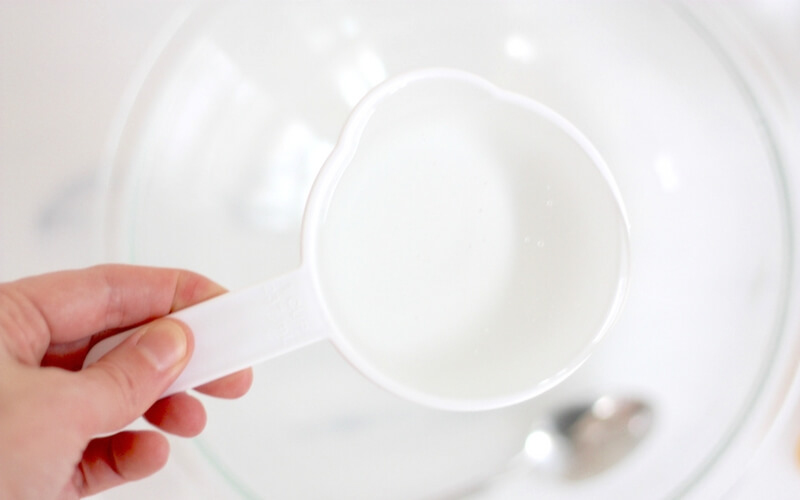
STEP 2: In a separate container, mix 1/2 cup of warm water with 1/2 tsp baking soda and dissolve.
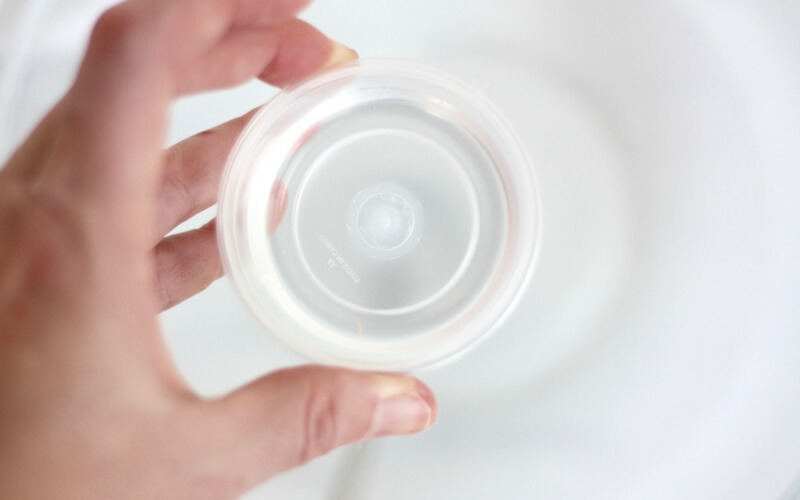
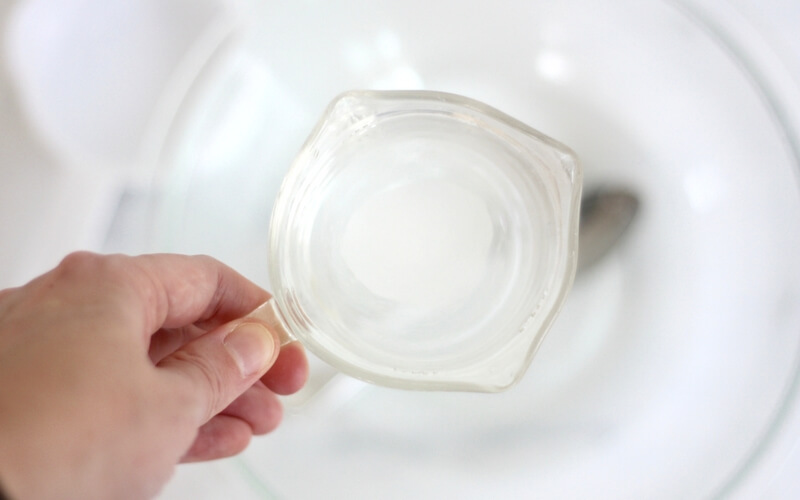
STEP 3: Gently stir the baking soda/water mixture into glue.
NOTE: This step is different from our traditional saline solution slime recipe.
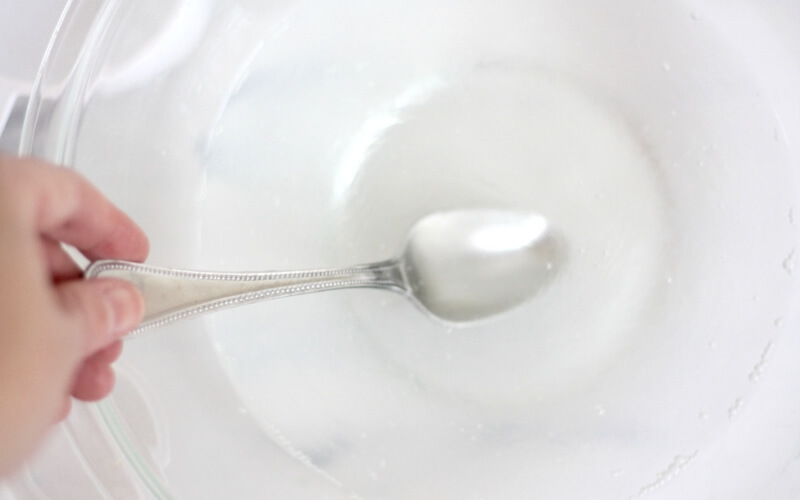
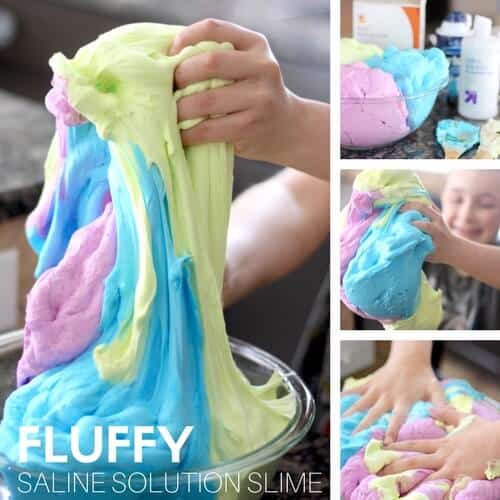
STEP 4: Add 1 tbsp of saline solution to the mixture. Mix quickly until the slime pulls away from sides and bottom of the bowl.
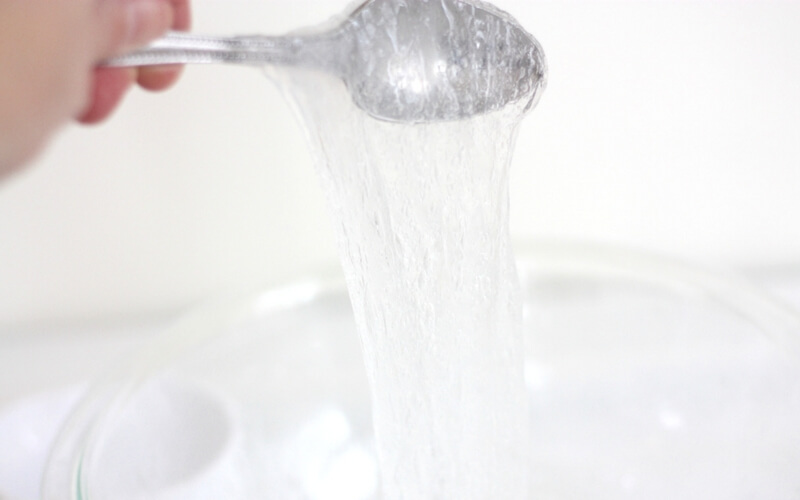
STEP 5: Squeeze a few drops of saline solution (or contact solution is using) on your hands and continue to knead your slime by hand either in the bowl or on a tray.
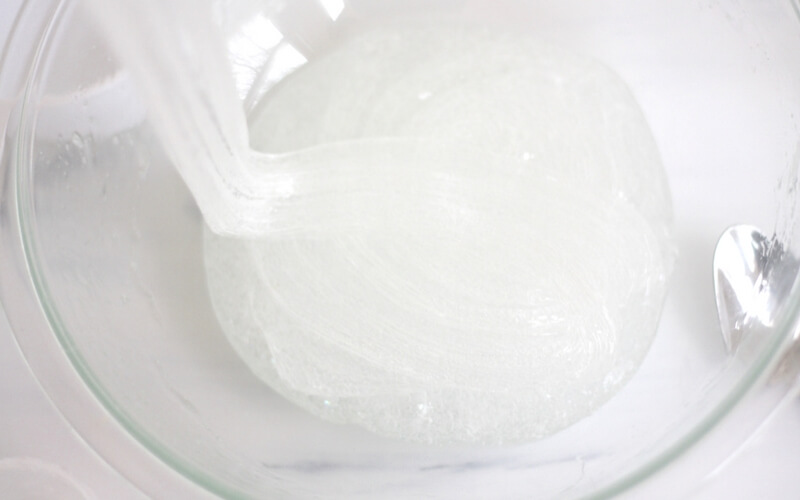
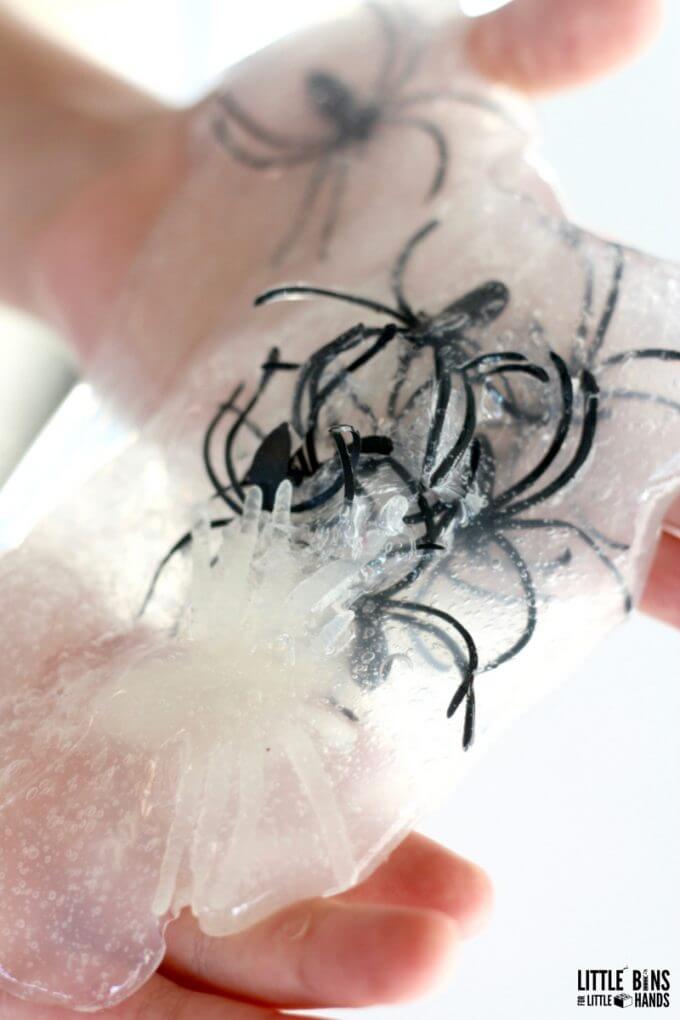
Step 6. To make spider web slime, simply add plastic spiders. This would be terrific paired with a book about spiders or you could go on an outdoor spider web hunt!
Slime Science
We always like to include a bit of homemade slime science around here, and that’s perfect for exploring Chemistry with a fun fall theme. Slime is an excellent chemistry demonstration and kids love it too! Mixtures, substances, polymers, cross-linking, states of matter, elasticity, and viscosity are just a few of the science concepts that can be explored with homemade slime!
What’s the science behind the slime? The borate ions in the slime activators (sodium borate, borax powder, or boric acid) mix with the PVA (polyvinyl-acetate) glue and forms this cool stretchy substance. This is called cross-linking!
The glue is a polymer and is made up of long, repeating, and identical strands or molecules. These molecules with flow past one another keeping the glue in a liquid state. Until…
When you add the borate ions to the mixture, it starts to connect these long strands together. They begin to tangle and mix until the substance is less like the liquid you started with and thicker and rubberier like slime! Slime is a polymer.
Picture the difference between wet spaghetti and leftover spaghetti the next day. As the slime forms, the tangled molecule strands are much like the clump of spaghetti!
Is slime a liquid or solid? We call it a Non-newtonian fluid because it’s a little bit of both!
Read more about slime science here!
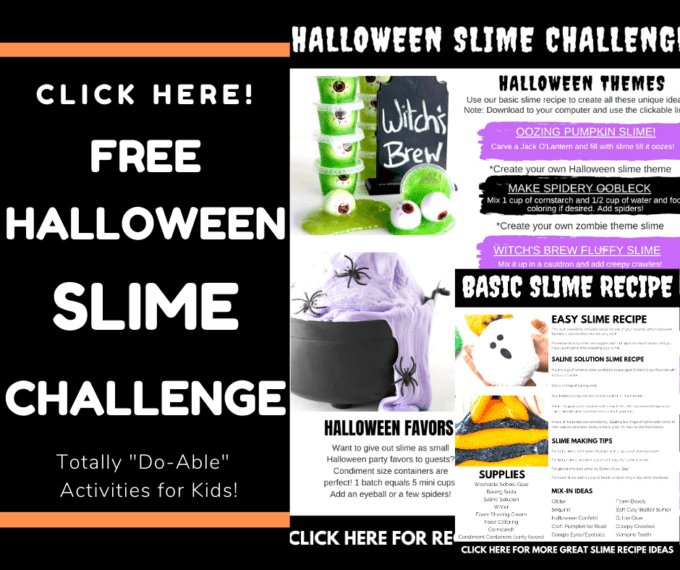
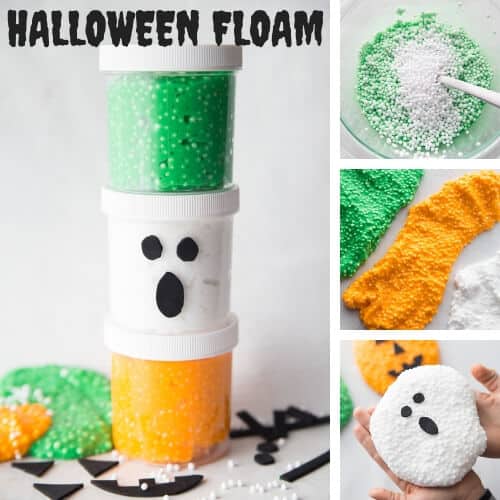
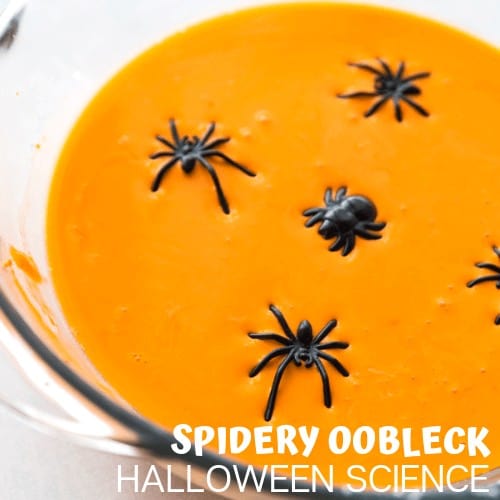
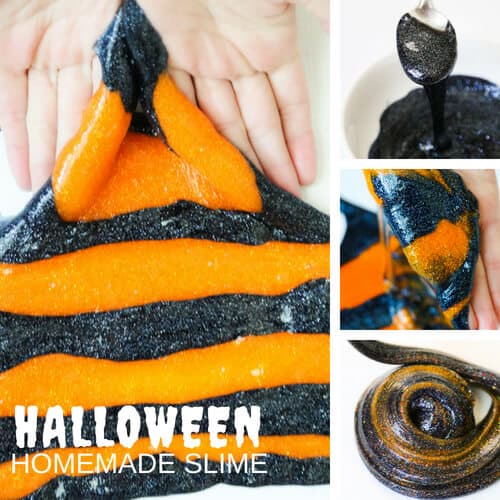
More Halloween Slime Recipes
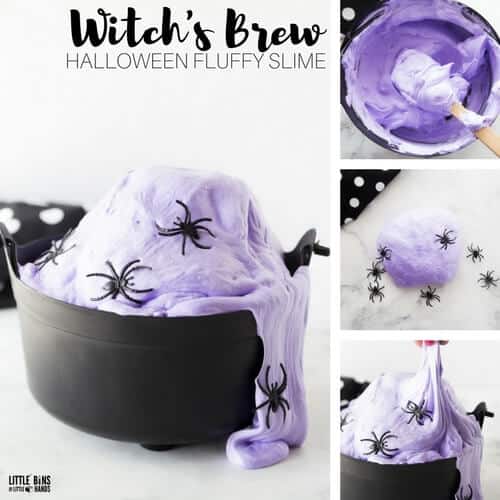
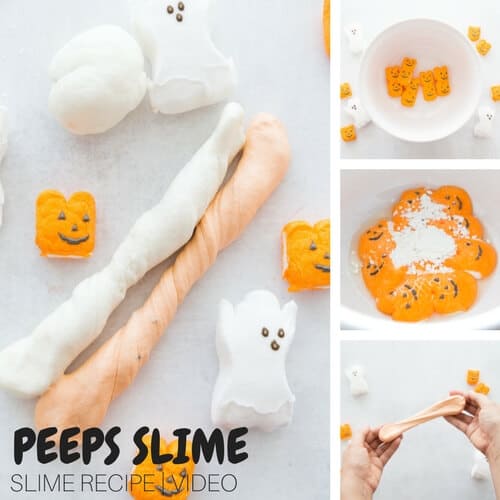
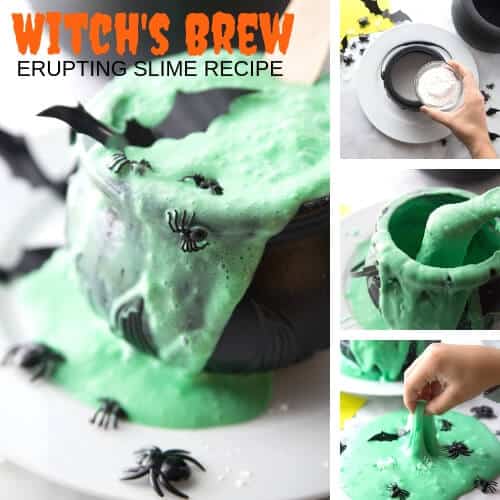
More Fun Things To Do This Halloween
- Halloween Science Experiments
- Halloween STEM Activities
- Halloween Art Projects, and Crafts Too!
- Halloween Board Games
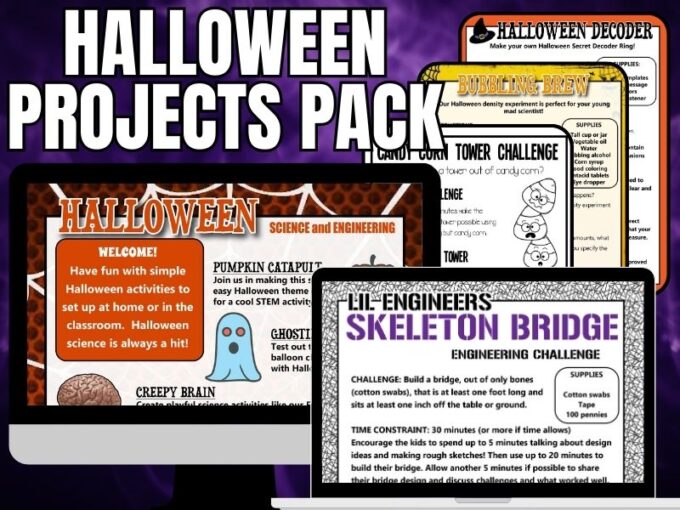
Printable Halloween STEM Activities Pack
150+ Pages of Halloween-Themed Materials!
This Halloween project pack is suitable for home, school, and group use for kids in grades Kindergarten through elementary but is scaleable for many ages and abilities.
What’s Included:
- 25+ Halloween theme science and STEM activities with printable sheets, instructions, and useful information all using easy-to-source materials perfect for limited-time needs. Includes a Halloween engineering pack with fun, problem-based challenges for kids to solve!
- The skeleton activity pack includes building a skeleton challenge and a coding challenge! Try a skeleton bones bridge-building STEM challenge!
- Halloween theme brick printable activities for hands-on learning with math that is perfect for early finishers or home fun and reinforces basic math concepts.
- Bonus fun pack includes games and activities to round out your Halloween theme activities such as I Spy, bingo, matching, Would You Rather cards, scavenger hunt, word search, A-Z Halloween hunt, and a coloring page.
- Halloween STEAM Pack includes artist-inspired projects by Warhol, Lichtenstein, and more!

4 Comments
Comments are closed.