
Halloween is the perfect time to bring a little spooky fun into science! These Halloween science experiments for kids explore chemistry, physics, matter, forces, reactions, and more using simple supplies.
Choose an erupting pumpkin, investigate candy, make ghostly bubbles, explore slime chemistry, or try a creepy density experiment. These activities work well for classrooms, homeschool science, science clubs, and Halloween-themed learning.

Field: Physical Science, Chemistry, Life Science
Grades: K–5
Concepts: Chemical Reactions, Matter, Density, Forces, Motion, States of Matter, Observation
Easy Halloween Science Experiments
Start with one of these classroom-friendly Halloween experiments. Many use basic supplies you may already have, and you can easily adjust the observation and recording requirements for different grade levels.
For younger learners, focus on predicting, observing, and describing what happens. Older students can identify variables, record results, compare materials, and explain what they think caused the changes they observed.
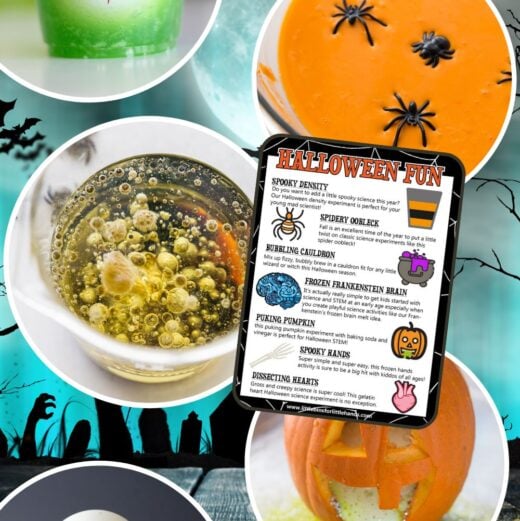
Free Halloween STEM Guide
Grab the free Halloween STEM Guide for simple seasonal science and STEM ideas you can use at home or in the classroom.
👉 Download the Free Halloween STEM Guide
Halloween Chemistry Experiments
Halloween is especially good for chemistry because bubbling, fizzing, mixing, dissolving, and color changes already feel a little like making potions.
- Bubbling Brew – Make a foaming cauldron while exploring a simple chemical reaction.
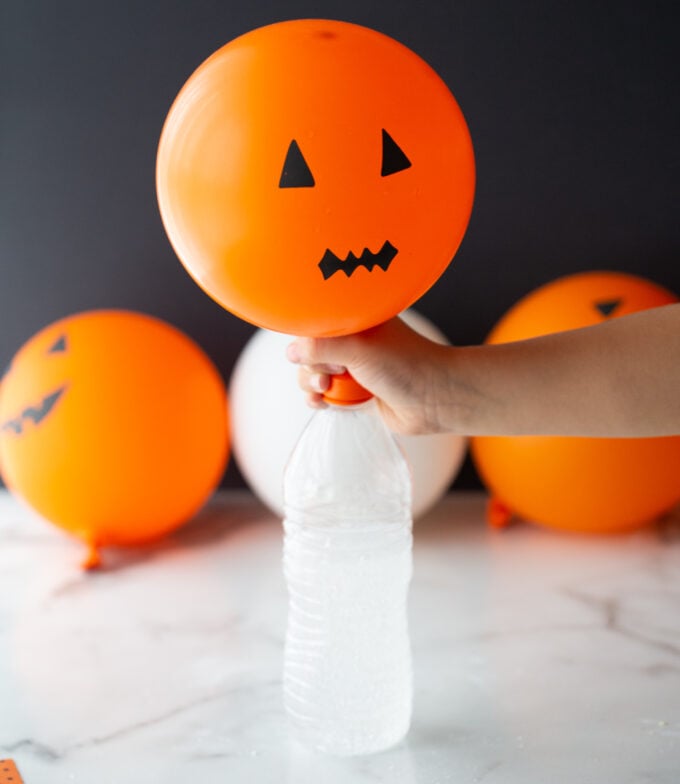
- Halloween Balloon Experiment – Use a reaction to produce gas and inflate a balloon.
- Fizzy Ghosts – Turn baking soda and vinegar chemistry into a spooky ghost experiment.
- Halloween Bath Bombs – Investigate what happens when an acid and base react in water.
- Spooky Liquid Density Tower – Layer liquids to compare density.
- Gelatin Heart Experiment – Explore material properties and states of matter.
- Halloween Lava Lamp – Combine density and a fizzy reaction in one colorful experiment.
- Dancing Gummy Worms – Use a chemical reaction to make gummy worms appear to dance.
- Erupting Jack-O’-Lantern – Explore baking soda and vinegar inside a Jack-O’-Lantern for a puking pumpkin
Guiding Questions
- What happens when you combine the materials?
- What evidence tells you a reaction occurred?
- Which liquids are more or less dense?
- What variables could you change and test?
Halloween Slime Science
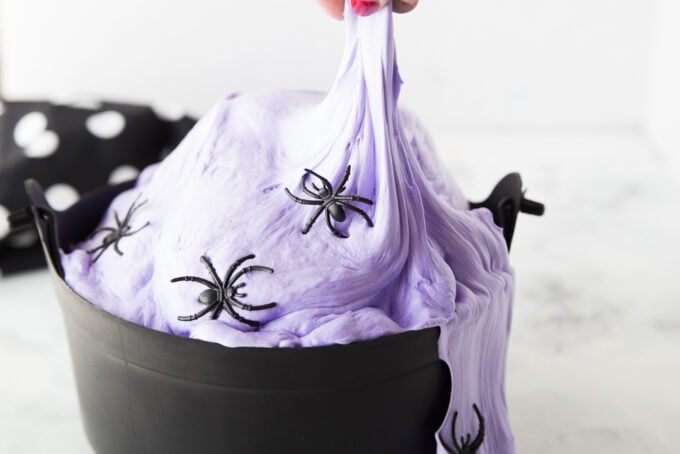
Slime is a fun way to explore materials, polymers, viscosity, and how ingredients interact.
- Pumpkin Slime – Add real pumpkin for a seasonal slime variation.
- Eyeball Halloween Slime – Make classic Halloween slime with a creepy twist.
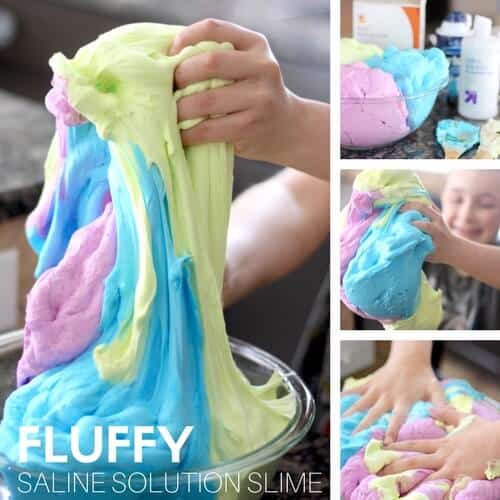
- Witch’s Brew Fluffy Slime – Compare fluffy slime with traditional slime.
- Bubbling Halloween Slime – Add fizzing chemistry to your slime investigation.
- Halloween Floam – Compare texture and properties by adding foam beads.
Find more ideas in our Halloween Slime Recipes collection.
Guiding Questions
- How does slime behave like a liquid?
- How does it behave differently from water?
- What happens when you change the amount of one ingredient?
- How does adding foam or air change the texture?
Spooky Physics Experiments
Explore movement, forces, air, heat, pressure, and aerodynamics with these Halloween physics activities.
- Flying Tea Bag Ghosts – Watch warm air lift a lightweight tea bag into the air.
- Floating Ghost Drawing – Make a dry-erase drawing lift from a smooth surface and float on water.
- Ghost Bubble Science – Explore bubbles, air, and surface tension.
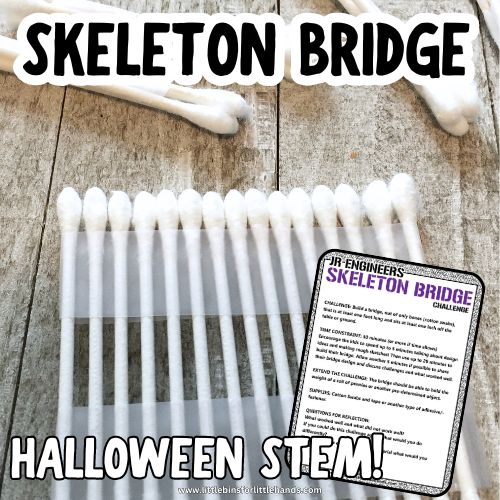
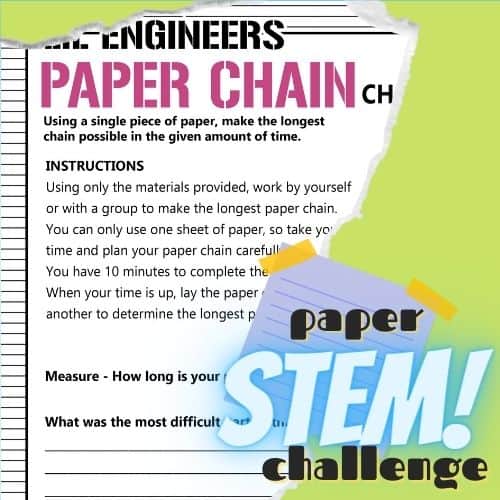
- Skeleton Bridge Challenge – Design and test a bridge for strength and stability.
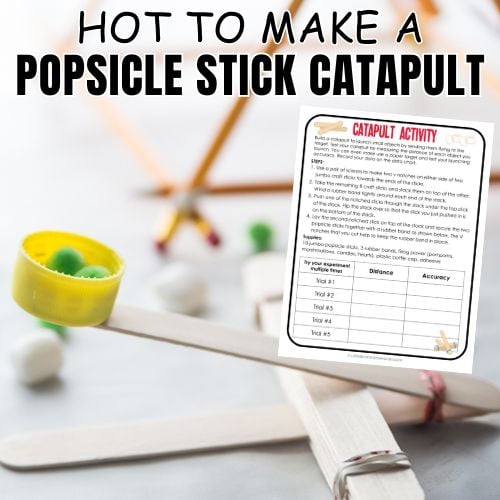
- Eyeball Candy Catapult – Investigate force, motion, and launch distance.
- Flying Bat Paper Airplane – Explore flight and aerodynamics with a bat-themed paper airplane.
Guiding Questions
- What causes an object to begin moving?
- How can you make it move farther or faster?
- What happens when you change the design?
- How do pushes, pulls, air, or heat affect movement?

Halloween Life Science
Halloween themes can also connect to real living things and life cycles.
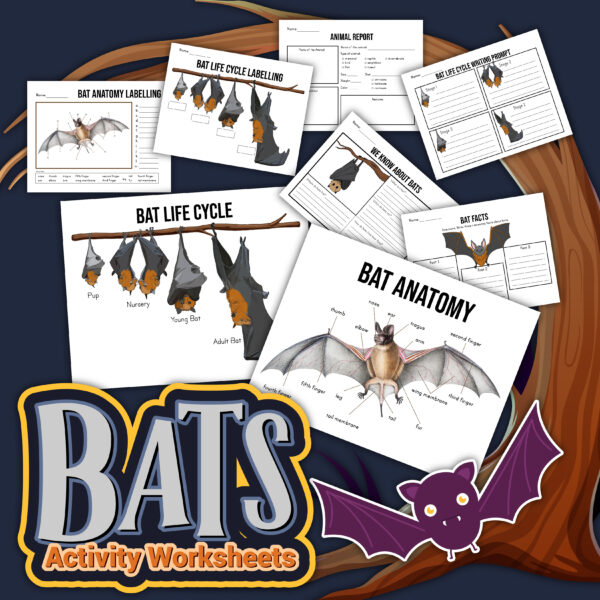
- Bat Life Cycle – Explore how bats grow and change, then connect it to adaptations for nocturnal animals.
- Nocturnal and Diurnal Animals – Sort and compare animals active at night with animals active during the day.
- Spider Life Cycle – Learn how spiders develop from egg to adult and compare stages.
- Rotting Pumpkin Experiment – Observe decomposition and how a once-living plant changes over time.
👉 Explore more Fall Life Science activities here.
Guiding Questions
- What organisms might help break down a rotting pumpkin?
- How do living things change as they grow?
- How are bat and spider life cycles alike or different?
- What happens to plant material as it decomposes?
Halloween Candy Science
Candy can also become a simple science investigation when kids dissolve, compare, measure, and observe.
- Dissolving Candy Corn – Compare how candy corn changes in different liquids.
- Growing Gummy Bears or Worms – Observe how gummy candy changes when placed in liquids.
- Dancing Gummy Worms – Combine candy with fizzy chemistry.
- Candy Catapult – Launch candy eyeballs and investigate force and distance.
Guiding Questions
- Which liquid changes the candy fastest?
- Does every type of candy react the same way?
- What could you measure?
- How could you make the test fair?

Halloween Ice and Matter Experiments
These activities are especially useful for exploring melting, freezing, solids, and liquids.
- Spidery Ice Melt – Freeze plastic spiders in ice and compare ways to melt them.
- Frozen Hands – Investigate melting with creepy hand-shaped ice.
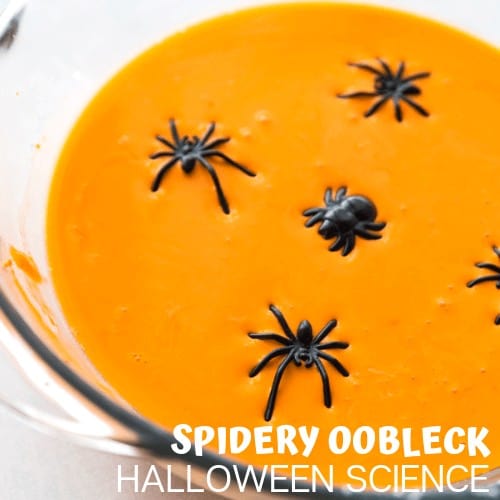
- Halloween Oobleck – Explore a non-Newtonian mixture that behaves differently depending on how you handle it.
Guiding Questions
- What makes ice melt faster?
- What happens when a solid becomes a liquid?
- Does oobleck behave more like a solid or a liquid?
- How could you compare two melting methods?
Add a Halloween STEM Challenge
Want to extend the science into problem-solving and design?
- Skeleton Bridge Challenge
- Ghostly Structures
- Candy Catapult
- Halloween Secret Coding Pictures
- Halloween LEGO Challenges
Turn a Halloween Experiment Into a Science Project
A simple seasonal activity can become a more complete science investigation by changing one variable and recording the results.
For example:
- Which liquid dissolves candy corn fastest?
- Does water temperature change how quickly ice melts?
- Which liquid produces the tallest lava lamp bubbles?
- How does changing the catapult design affect launch distance?
- Which bridge design holds the most weight?
💡 Have students predict, change one factor, record observations or measurements, and compare the results. It’s easy to add the scientific method even to Halloween-themed experiments!
Halloween Science for Different Grade Levels
- Preschool–Kindergarten: Focus on observing, describing, sorting, melting, mixing, and noticing changes.
- Grades 1–3: Add predictions, simple recording sheets, comparisons, and basic measurement.
- Grades 4–5: Investigate variables, collect data, repeat trials, and explain results using evidence.
Grab the Halloween STEM Pack
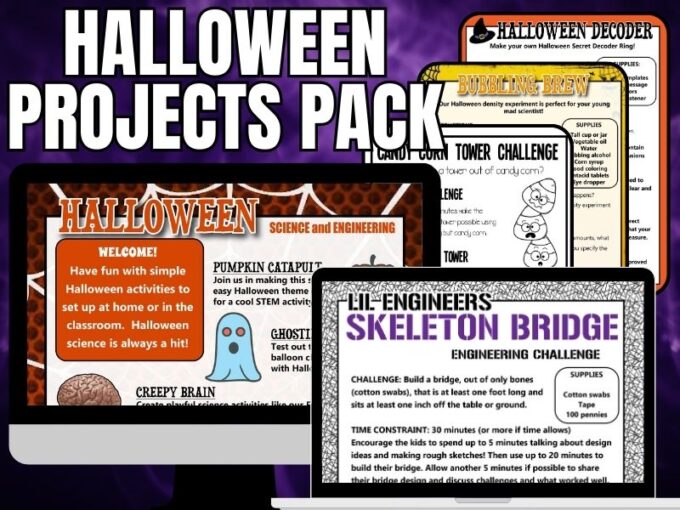
Want everything ready to print? The Halloween STEM Pack includes more than 150 pages of Halloween-themed science, STEM, engineering, math, and printable activities.
Inside you’ll find:
- Science and STEM activities with printable pages
- Skeleton bridge and other building challenges
- Brick-themed math and learning activities
- Scavenger hunts
- I Spy, Bingo, Would You Rather
- More Halloween classroom activities
👉 Get the Halloween Project Pack
Halloween Science FAQ
What are easy Halloween science experiments for kids?
Try an erupting pumpkin, Halloween lava lamp, fizzy ghosts, candy dissolving, or an ice-melting investigation. All use simple supplies and make it easy for kids to observe science in action.
What science concepts can you teach at Halloween?
Halloween experiments can explore chemical reactions, density, matter, force and motion, melting and freezing, decomposition, aerodynamics, and properties of materials.
What are good Halloween science activities for elementary students?
Candy investigations, lava lamps, balloon reactions, pumpkin science, density towers, skeleton bridges, and catapults work especially well for elementary students because they can include predictions, measurements, and data collection.
Can preschoolers do Halloween science experiments?
Yes. Focus on observation, sensory exploration, simple mixing, melting, and describing what children notice.
More to Explore
Halloween STEM Activities | Halloween Art Projects | Preschool Halloween Activities | Halloween Slime Recipes | Pumpkin Science Activities | Fall Science Activities

3 Comments