

Engaging second graders in science can be an exciting adventure. Hands-on activities not only make learning fun but also deepen understanding and retention. Here’s a list of fun and easy science activities perfect for the classroom or at home.

2nd Grade Science Curriculum
Second graders cover foundational science topics that help them understand the natural world and develop critical thinking skills. Here are some key topics typically included in a 2nd grade science curriculum:
1. Life Science
- Plants and Animals: Study of basic needs, life cycles, and habitats.
- Animal Habitats: Understanding different environments (forests, oceans, deserts, etc.) and the animals that live there.
- Plant Growth: Learning about plant needs, parts of a plant, and the growth process.
- Animal Adaptations: How animals adapt to their environments to survive.
2. Earth Science
- Weather and Seasons: Understanding different types of weather, weather patterns, and the seasons.
- Earth’s Resources: Learning about natural resources (water, soil, rocks, minerals) and their uses.
- Rocks and Soil: Identifying different types of rocks and soil, their properties, and how they are formed.
3. Physical Science
- States of Matter: Introduction to solids, liquids, and gases, and how they change from one state to another.
- Force and Motion: Understanding basic concepts of force, motion, gravity, and simple machines.
- Sound and Light: Exploring how sound is produced and how light travels and affects what we see.
4. Space Science
- Sun, Moon, and Stars: Basic introduction to the solar system, the sun’s role, and the phases of the moon.
- Day and Night: Understanding the Earth’s rotation and how it leads to day and night.
5. Environmental Science
- Recycling and Conservation: Learning about the importance of recycling, conserving resources, and taking care of the environment.
6. Scientific Inquiry and Experimentation
- Scientific Method: Introduction to making observations, forming hypotheses, conducting simple experiments, and drawing conclusions.
- Simple Experiments: Hands-on activities and experiments to explore and understand scientific concepts.
These topics provide a broad base of scientific knowledge and help build curiosity and interest in the natural world. Through hands-on activities and simple experiments, second graders can develop a solid understanding of fundamental science concepts.
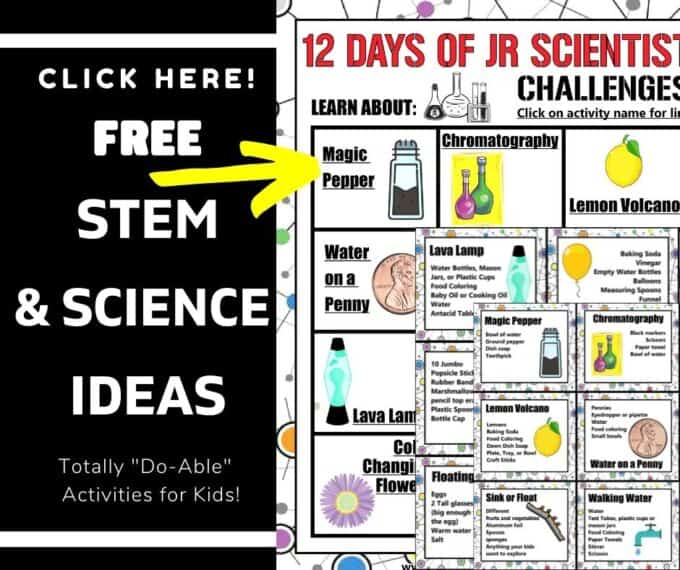
Free printable Junior Scientist pack!
Grab this fantastic free science challenge calendar and get started today! Join the library club for instant access to extra observation pages and hundreds of projects!
2nd Grade Science Activities
Life Science
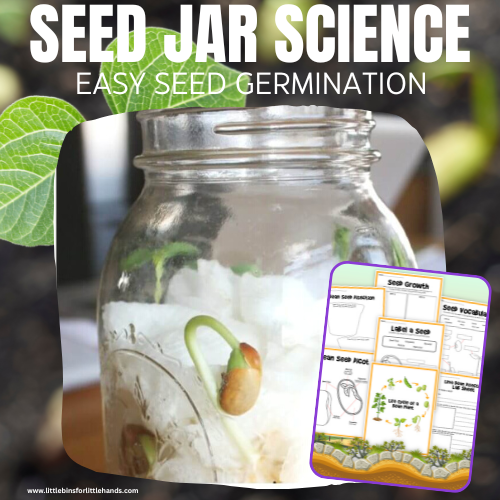
Plant Life Cycle: Grow seeds in a clear container to observe roots and sprouts.
Butterfly Metamorphosis: Raise caterpillars and watch them transform into butterflies.
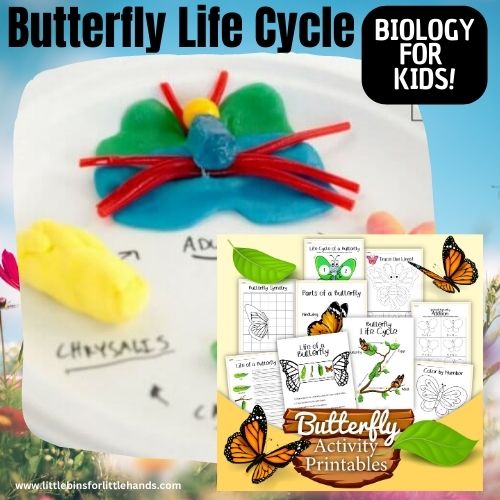
Butterfly Life Cycle: Use soft candy to make the different parts of the butterfly life cycle.
Bug Hunt: Create a bug hotel and observe insects in their natural environment.
Insect Observation: Use magnifying glasses to observe insects.
Leaf Rubbings: Place leaves under paper and rub with crayons to reveal patterns.
Butterfly Life Cycle: Observe caterpillars as they grow and transform into butterflies.
Bird Watching: Make bird feeders and observe local birds.
Senses Exploration: Conduct experiments to explore the five senses.
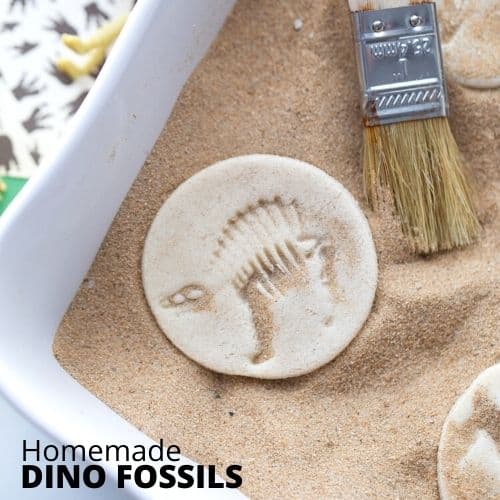
Fossil Impressions: Create fossil imprints using clay and small objects.
Food Chain: Create a food chain mobile with drawings or pictures.
Dinosaur Dig: Bury and excavate toy dinosaurs in “mud”.
Earth Science
Weather Journal: Keep a journal to track daily weather conditions.
Make A Rain Gauge: Make a rain gauge from a bottle and measure local rainfall over time.
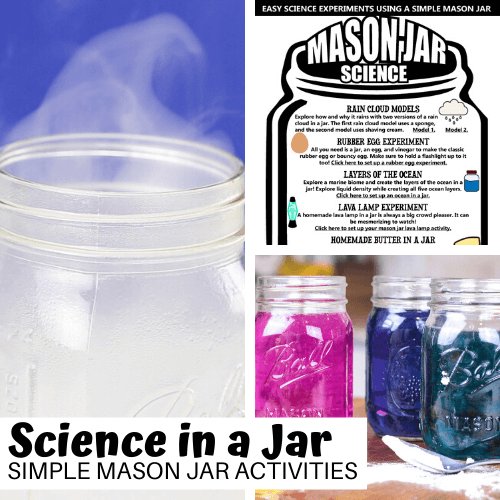
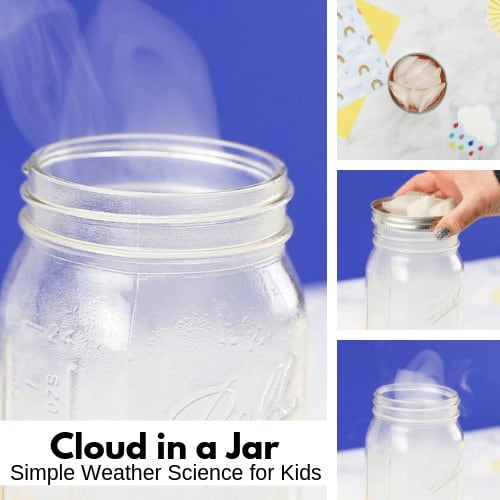
Cloud in a Jar: Create a cloud inside a jar using warm water, ice, and hairspray to learn about how clouds form.
Wind Vane: Create a wind vane to measure wind direction.
Rock Collection: Collect and identify different types of rocks.
Erosion Experiment: Create a mini landscape to observe erosion.
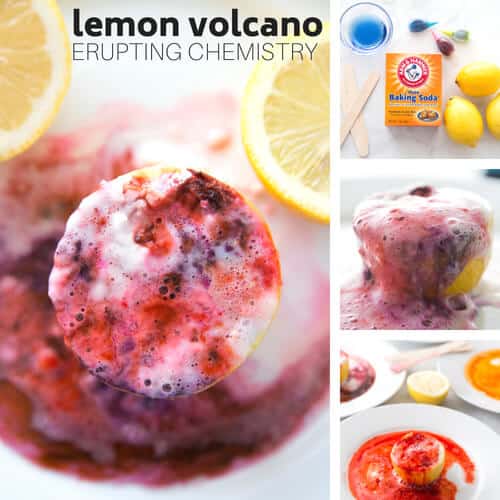
Volcano Model: Build a baking soda and vinegar volcano.
Water Cycle: Create a water cycle in a bag.
Cloud Identification: Learn about and identify different types of clouds with a cloud viewer.
Tornado in a Bottle: Create a tornado in a bottle.
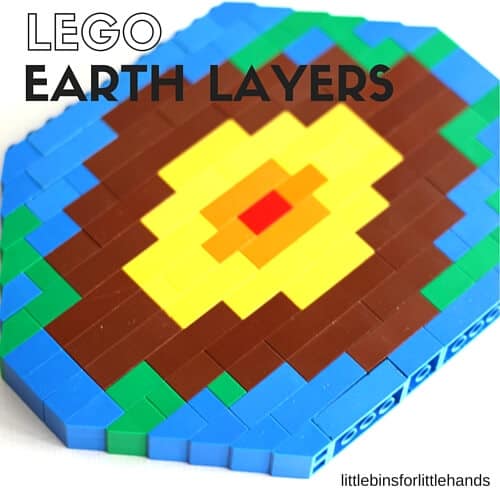
Earth Layers: Make a model showing the layers of the Earth.
Make A Sundial: Learn about the Earth’s rotation by observing how the shadow on a paper plate sundial changes throughout the day.
Solar System Model: Create a model of the solar system using paper planets.
Moon Phases: Create a moon phase chart.
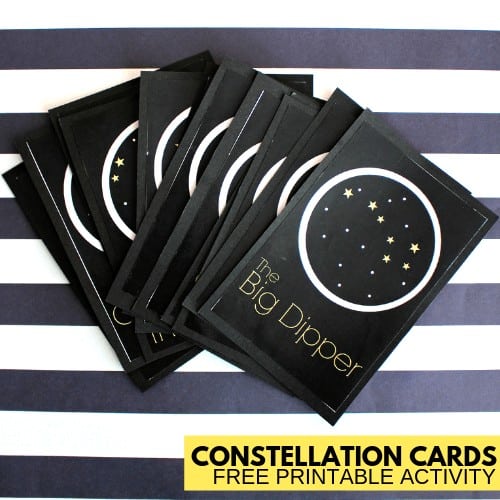
Star Gazing: Use our printable constellation cards to identify constellations.
Day and Night Simulation: Understand the Earth’s rotation and its effect by using a flashlight and a world globe to demonstrate day and night.
Moon Crater Experiment: Drop marbles into easy to make moon dough to simulate how craters are made on the moon.
Physical Science
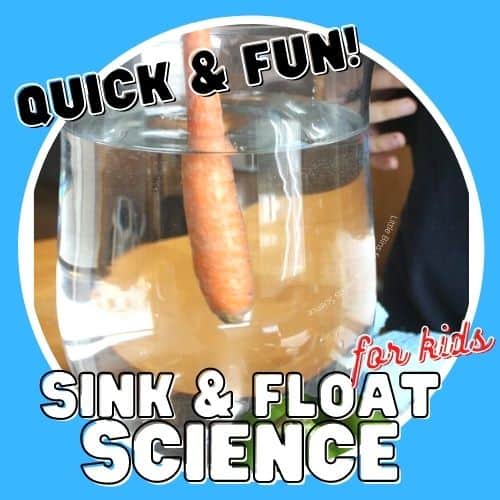
Sink or Float: Predict and test whether everyday objects sink or float in a bowl of water.
Balloon Rocket: Create a balloon rocket and observe how it moves along a string to explore force and motion.
Ice Melting Race: Observe which ice cube melts fastest under different conditions. A fun to explore states of matter!
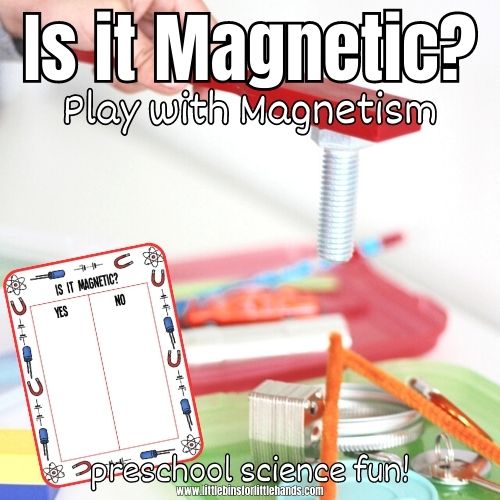
Magnet Exploration: Have a variety of everyday objects and test which objects are attracted to magnets.
Floating Magnet Experiment: Explore how magnetic force works by observing how it can lift and hold objects mid-air, counteracting Earth’s gravity.
Parachute Design: Investigate how factors such as parachute size or material affect the how fast a simple parachute falls to the ground.
Simple Machines: Learn about simple machines like pulleys, levers, wedges, screws. Create and experiment with simple machines.
Homemade Lava Lamp: Explore density and chemical reactions by mixing water, oil, and Alka-Seltzer to make a homemade lava lamp.
Static Electricity: Use balloons to explore static electricity.
Rainbow in a Jar: Create a liquid rainbow using different densities.
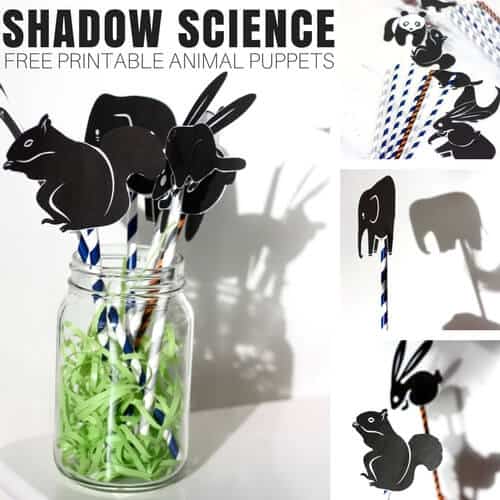
Shadow Play: Use a flashlight and our printable animal puppets to create and explore shadows.
Sound Jars: Set up jars with different amounts of water to experiment with sound.
Light Refraction: Use a prism to explore light refraction.
Insulation: Test various materials to work out which makes the best insulator.
Friction: Test how different surfaces affect the speed of a toy car.
Chemistry
Floating M&M Experiment: Place M&Ms in water and observe the ‘M’ float off as the candy shell dissolves.
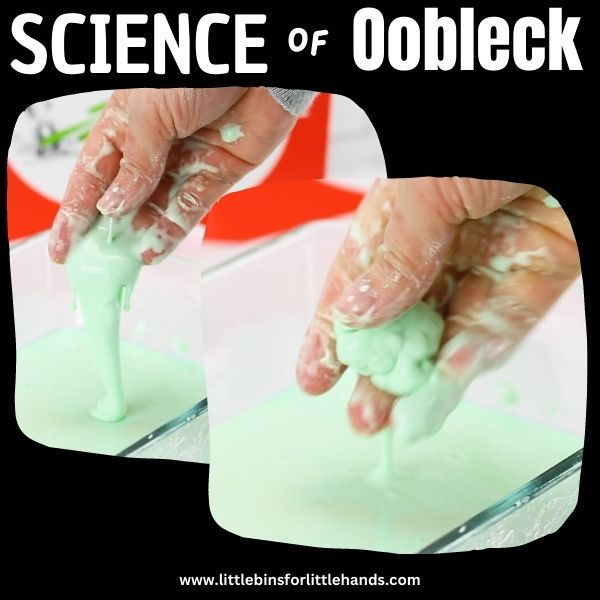
Oobleck Creation: Explore non-Newtonian fluids with cornstarch and water.
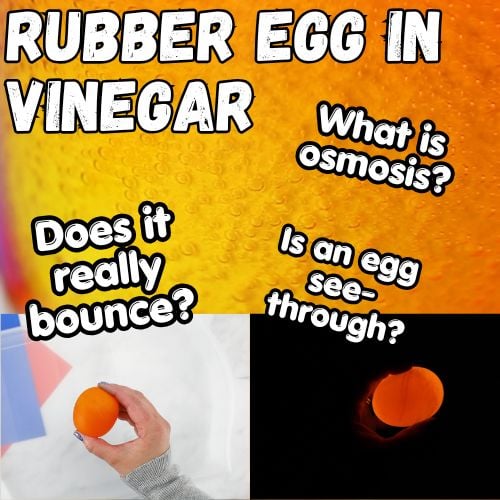
Baking Soda and Vinegar: Conduct various experiments with baking soda and vinegar.
Color Mixing: Mix primary colors to see how new colors are formed.
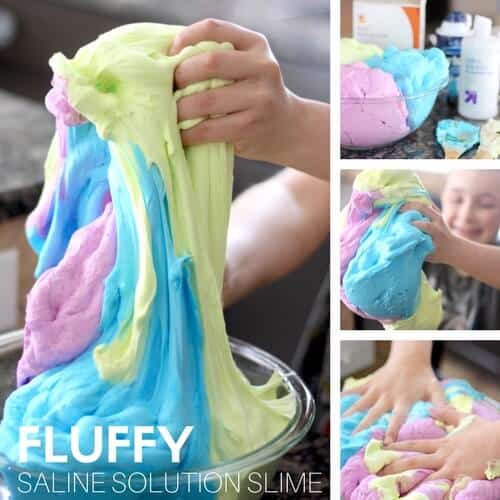
Homemade Slime: Conduct an experiment with different types of slime.
Oil and Water: Explore how oil and water do not mix.
Dissolving Candy: Test how jelly beans dissolve in different liquids.
Invisible Ink: Write messages with lemon juice and reveal them with heat.
Milk Fireworks: Create colorful patterns in milk with food coloring and soap.
Rock Candy: Grow your own rock candy crystals.
Bubble Science: Experiment with different bubble solutions and wands.
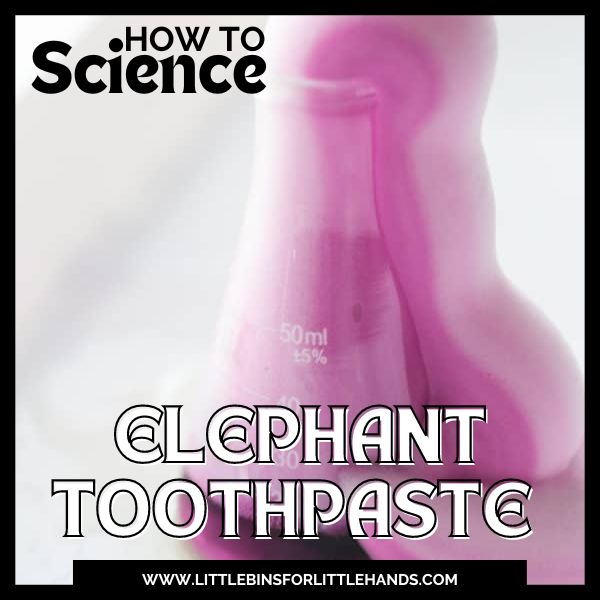
Elephant Toothpaste: Observe how yeast and peroxide react to produce gas.
Crystal Growing: Grow crystals using salt or borax.
Salt Painting: Create art with glue, salt, and watercolors.
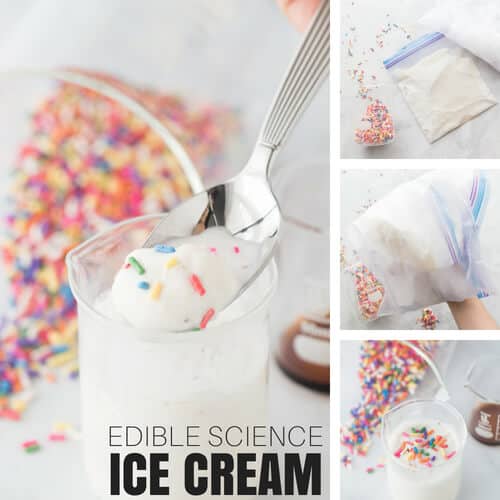
Ice Cream in a Bag: Make ice cream using simple ingredients.
Sugar Cubes: Explore absorption with different materials and a sugar cube in water.
Glow Stick Chemistry: Explore how glow sticks work.
Environmental Science
Recycling Relay: Learn about recycling by sort a sample of recyclables in a relay race format.
Composting Bin: Create a compost bin and observe decomposition over time.
Water Filtration: Build a simple water filter and test it.
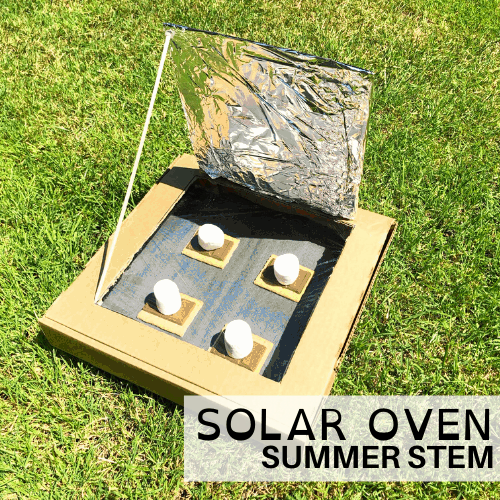
Solar Oven: Create a solar oven to melt chocolate or cheese.
Nature Scavenger Hunt: Go on a scavenger hunt to find various natural items.
Recycled Art: Create art projects using recycled materials.
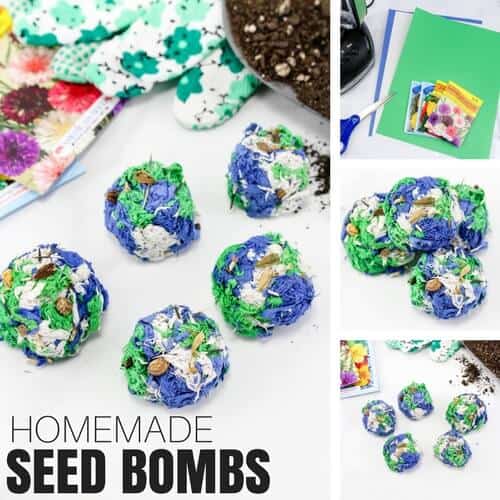
Seed Bombs: Make seed bombs to plant in your garden.
Nature Walk: Take a walk and document different plants and animals you see.
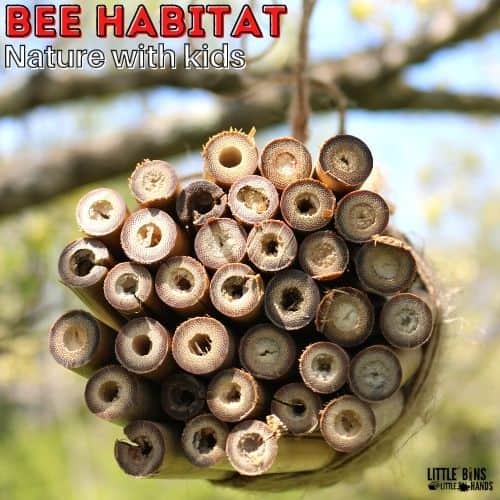
Bee Hotel: Build a small house to attract native bees.
Garden Planting: Plant a small garden and take care of it.
Engineering and Technology
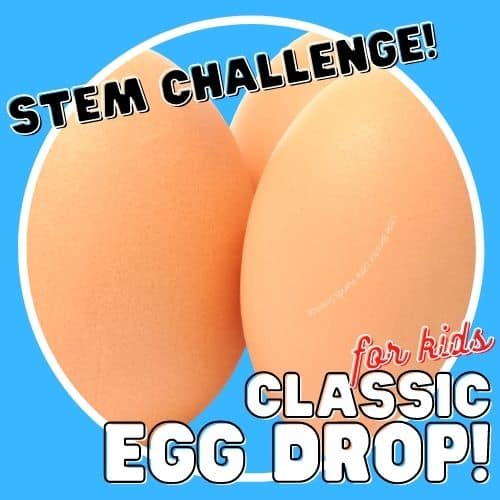
Egg Drop Challenge: Design a contraption to protect an egg from breaking when dropped.
Bridge Building: Build bridges with different materials and test their strength.
Marble Run: Create a marble run with household items.
Lego Structures: Build various structures with Lego blocks.
Balloon Car: Build a car powered by a balloon.
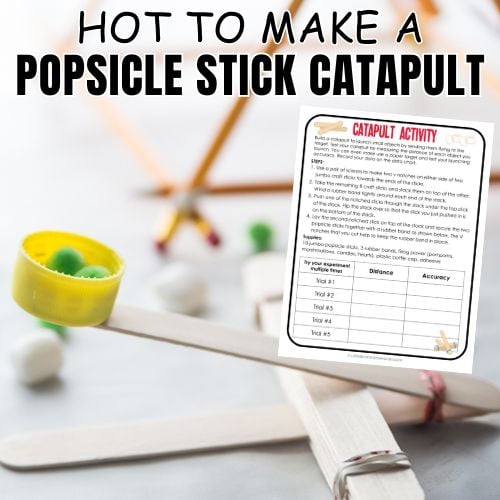
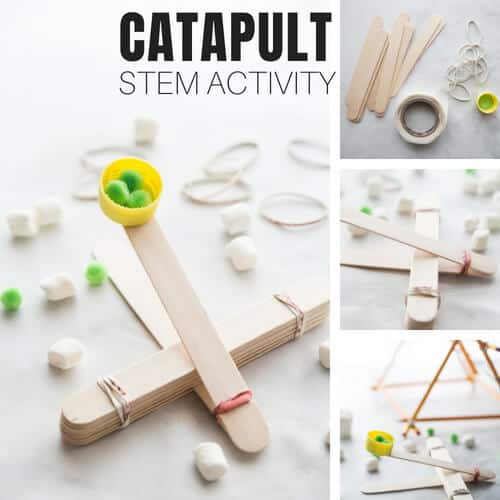
Catapult: Create a small catapult and test how far it can launch objects.
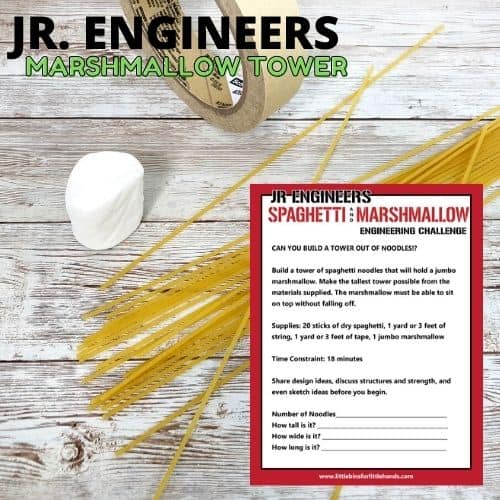
Spaghetti Tower: Build the tallest tower possible using spaghetti and marshmallows.
Helpful Science Resources To Get You Started
Here are a few resources that will help you introduce science more effectively to your kiddos or students and feel confident yourself when presenting materials. You’ll find helpful free printables throughout.
- Best Science Practices (as it relates to the scientific method)
- Science Vocabulary
- All About Scientists
- Free Science Worksheets
- DIY Science Kits
- Science Tools for Kids
- Scientific Method for Kids
- Citizen Science Guide
- Join us in the Club
Science Activities By Age Group
- Elementary Science by Season
- Science for 1st Grade
- Science for 3rd Grade
- Science for 4th Grade
- Science for 5th Grade
- Science for 6th Grade
- Science for Middle School
Printable Science Projects For Kids
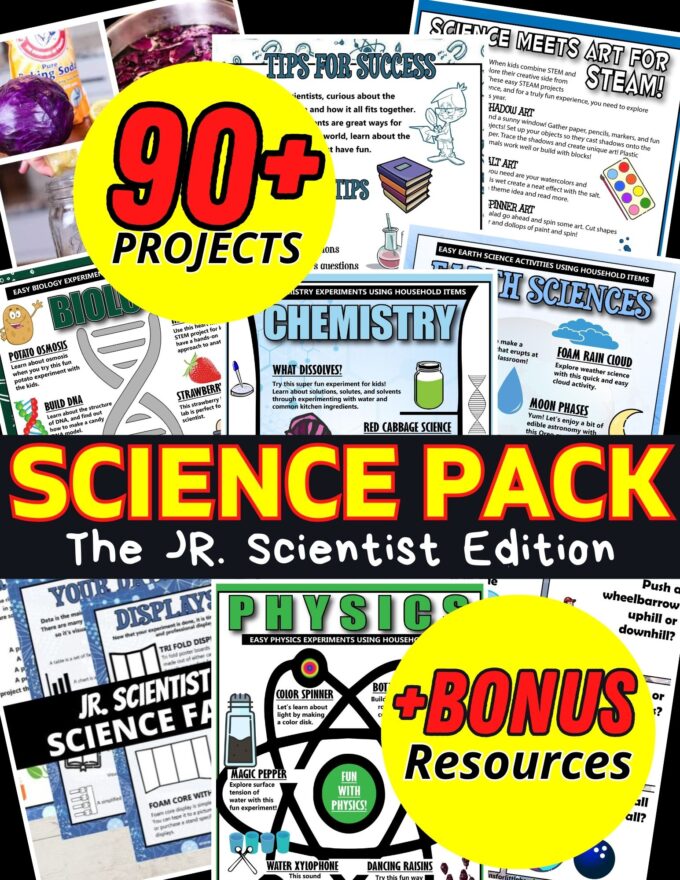
If you’re looking to grab all of our printable science projects in one convenient place plus exclusive worksheets and bonuses like a STEAM Project pack, our Science Project Pack is what you need! Over 300+ Pages!
- 90+ classic science activities with journal pages, supply lists, set up and process, and science information. NEW! Activity-specific observation pages!
- Best science practices posters and our original science method process folders for extra alternatives!
- Be a Collector activities pack introduces kids to the world of making collections through the eyes of a scientist. What will they collect first?
- Know the Words Science vocabulary pack includes flashcards, crosswords, and word searches that illuminate keywords in the experiments!
- My science journal writing prompts explore what it means to be a scientist!!
- Bonus STEAM Project Pack: Art meets science with doable projects!
- Bonus Quick Grab Packs for Biology, Earth Science, Chemistry, and Physics