

Spring is the ideal time for teaching preschoolers about plants, nature, and the science behind their growth. These hands-on plant activities will captivate young learners as they explore the wonders of seeds, flowers, and other plant life.

Preschool Plant Activity Ideas
These hands-on activities and lessons promote fine motor skills, math, and scientific thinking, both at home and in the classroom. Make sure to look through our Preschool Spring Activities, too.
🔎 Check out our Preschool Spring Plants Theme Project Pack for easy lesson plans.
Color Changing Flowers: Capillary Action Experiment
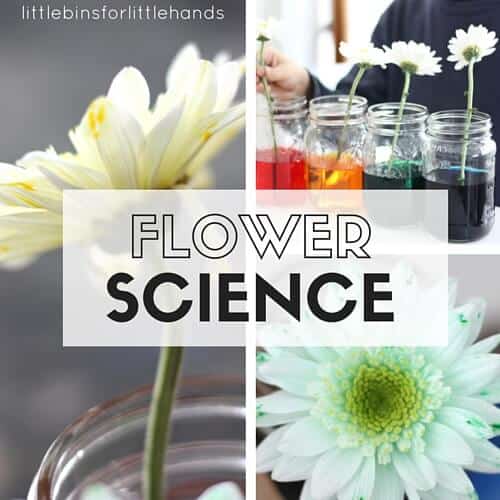
Watch how food coloring travels up the stems of flowers, demonstrating capillary action. A fun and colorful way for children to learn about plant biology.
Celery and Food Coloring Experiment: Capillary Action Experiment
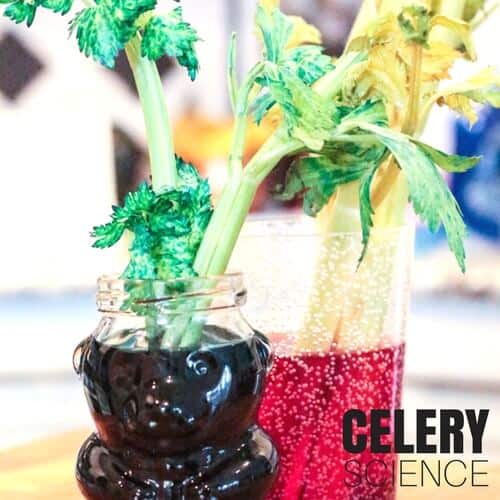
This simple experiment allows children to observe how plants absorb water by placing celery stalks in water with food coloring.
Growing Seeds in Clear Containers
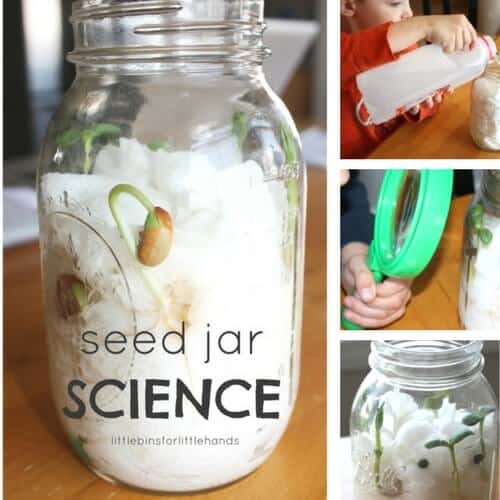
Use clear plastic bags, plastic cups, or jars to germinate bean seeds, providing a clear view, allowing kids to learn about the life cycle of a plant. All you need are seed packets, paper towels, and water.

Leaf Chromatography: Discover the Hidden Colors of Leaves
This experiment helps children understand photosynthesis and the pigments in leaves that help plants make food.
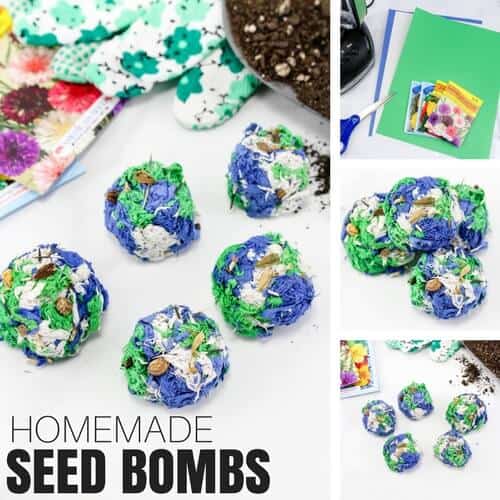
Seed Bombs: Planting with Recycled Paper
Make seed bombs using flower seeds and recycled paper. These can be planted in the garden or given as gifts, while also teaching kids about seed dispersal.
Growing Grass Heads in a Cup
This fun project allows preschoolers to plant grass seeds in cups and “give them haircuts” when they grow long. It’s a great way to teach about plant growth.
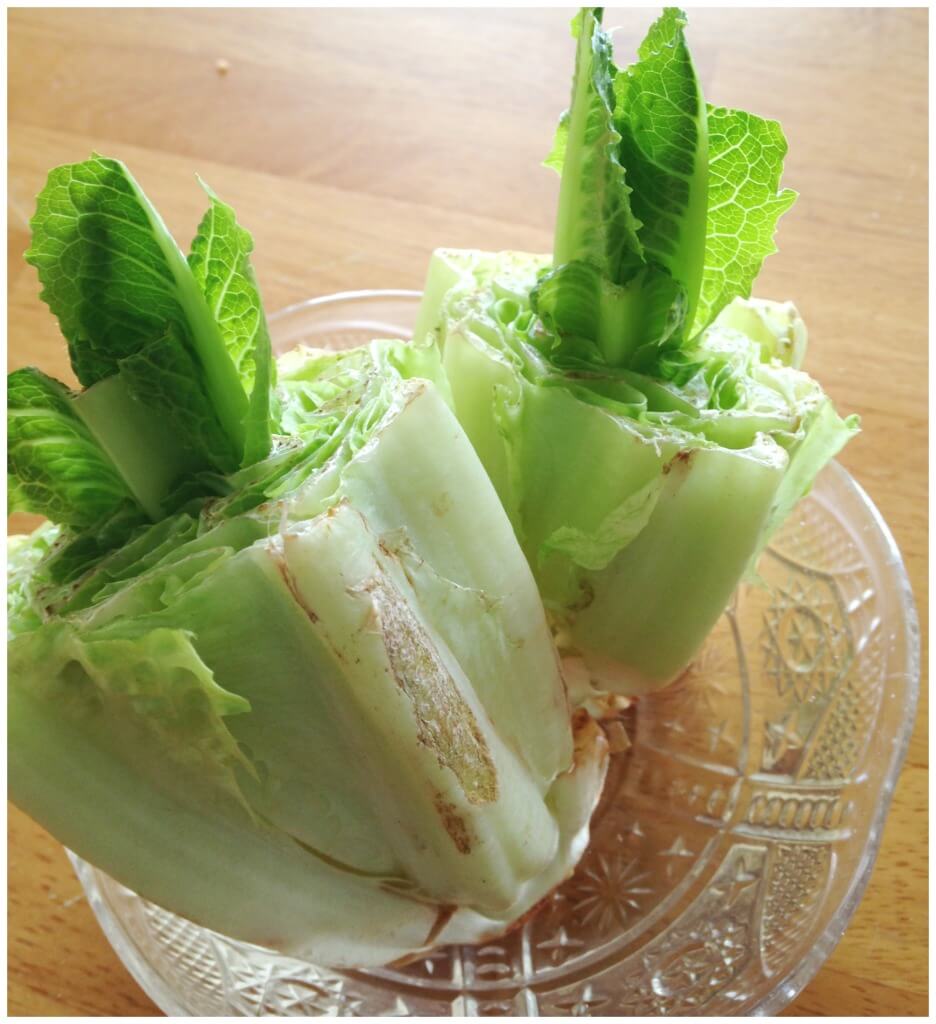
Regrow Lettuce from Scraps
A sustainable way to teach kids that some plants can regrow from leftover scraps, such as lettuce, simply by placing them in water.
Eggshell Seed Growing Activity
This activity allows children to observe seed growth in various stages as they crack open the eggshells every few days. It’s a fun way to teach the life cycle of a plant.
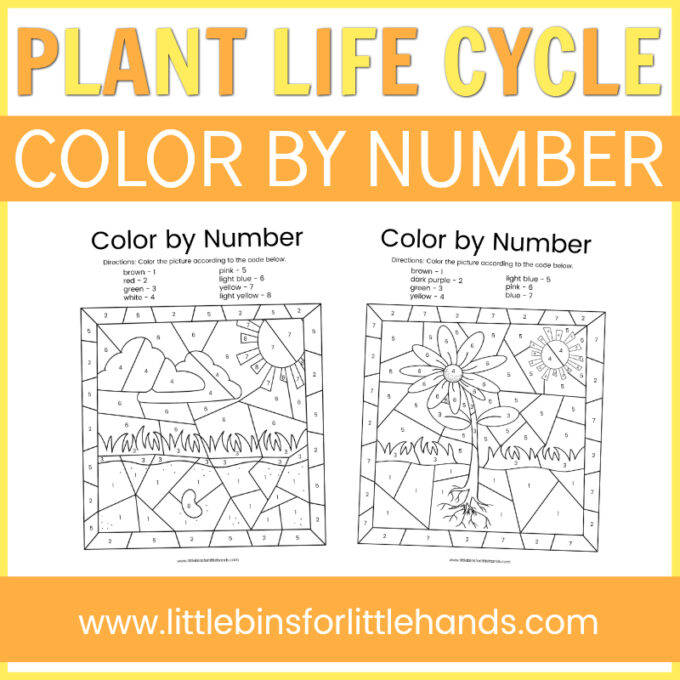
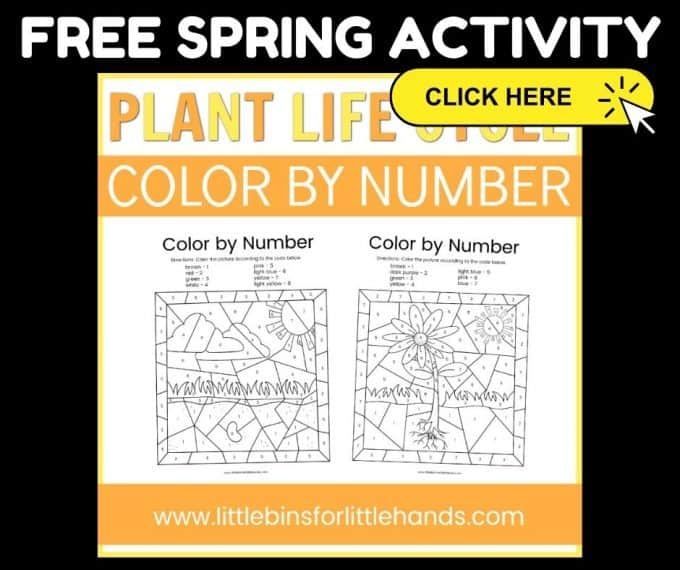
Plant Life Cycle Color By Number
This printable activity helps children visualize the different stages of a plant’s life cycle, reinforcing their understanding of how plants grow and develop.
Additional Fun Plant Activities for Preschoolers
3-in-1 Flower Activity for Preschoolers
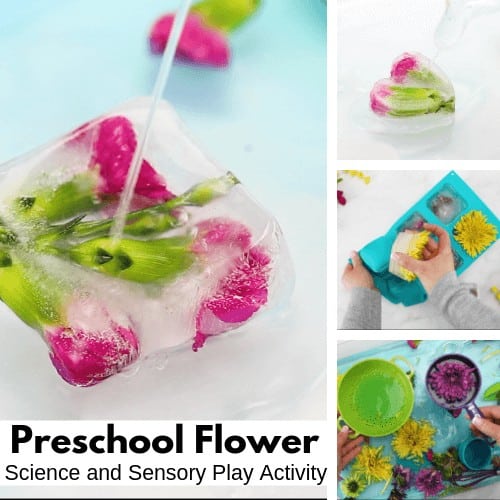
Explore real flowers with an ice melt activity, sorting and identifying the parts of a flower. If time allows, add a fun water sensory bin to engage all the senses.
Plant Scavenger Hunt
This easy and fun activity allows children to explore their surroundings and learn the names of the parts of a plant.

Parts of a Plant Craft
Create a hands-on craft that teaches kids about the different parts of a plant, helping them understand their functions.
Parts of a Flower Worksheet
Use as a coloring sheet and also to identify parts of a flower!

Parts of an Apple
Use a printable apple coloring page to explore the parts of an apple. Afterward, cut up real apples and discuss the different parts while enjoying a taste test!
Parts of a Pumpkin
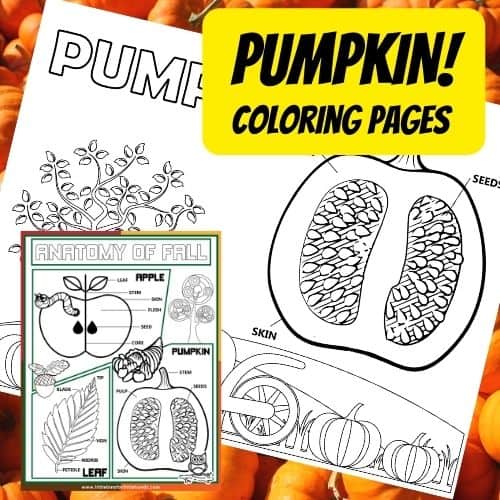
Learn about the parts of a pumpkin with a coloring page, then cut up real pumpkins to explore their different parts and discover which ones are edible.
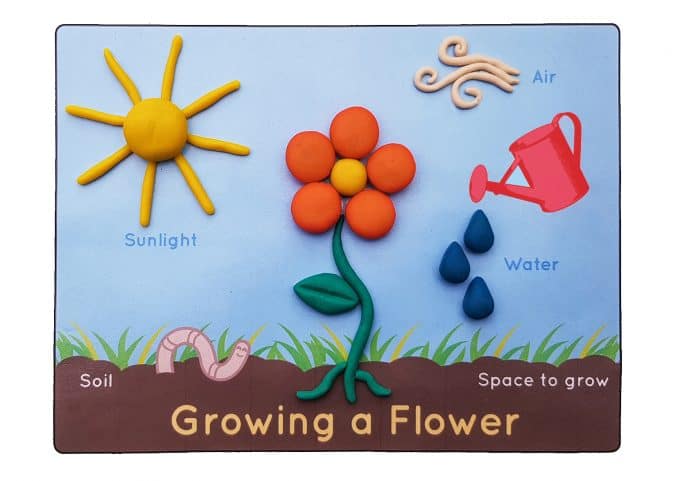
Play Dough Flowers
Make playdough flowers to explore what a flower or plants need to grow!
Garden Busy Book Printables
Use this garden busy book to explore various educational activities playfully for little learners.

Good Seeds to Grow with Kids
Not all seeds are equally easy to grow, especially when working with young learners. Here’s a list of the best seeds to grow with kids and their average germination times. This will help you choose simple seeds to grow and ensure your little ones can watch their plants thrive.
🌸 Read more about easy flowers to grow with kids here.
- Beans (Germination time: 5–10 days)
- Sunflowers (Germination time: 7–10 days)
- Radishes (Germination time: 3–7 days)
- Peas (Germination time: 7–14 days)
- Marigolds (Germination time: 7–10 days)
- Lettuce (Germination time: 5–10 days)
- Pumpkins (Germination time: 7–14 days)
- Tomatoes (Germination time: 6–8 days)
These seeds are easy to grow and offer great opportunities to observe plant growth at different stages. Kids will love watching them sprout and grow over time!
Troubleshooting Common Seed Growing Problems
Even though growing plants can be easy, common issues may arise. Here are some troubleshooting tips:
- Why aren’t my seeds sprouting?
Ensure the seeds are in a warm spot, as most seeds need warmth to germinate. If your seeds are in a cold environment, move them to a sunnier, warmer place. - Why are my plants growing too slowly?
If your plants grow slowly, they may not get enough sunlight. Ensure they have access to at least 6 hours of light per day in a sunny window, or use a grow light if growing indoors. - What do I do if my seedlings are too leggy?
If your seedlings stretch out too much and look weak, they might not get enough light. Try moving them to a sunnier spot or use grow lights to encourage strong growth.
Tips for Creating a Mini Garden with Kids
Want to extend the learning experience? Creating a mini garden at home or in the classroom can be a fantastic way to teach kids about plants and gardening. Here are some ideas:
🌸 Check out our Gardening Activities for Preschool here with free printable ideas!
- Recycled Containers: Plant seeds and create mini gardens using yogurt cups, plastic bottles, or old containers. This is a great way to introduce kids to sustainable gardening practices.
- Watering Can: Give kids a small watering can and let them help water the plants regularly. This will teach them about the importance of watering plants.
- Garden Journal: Encourage kids to keep a garden journal where they can draw pictures of their plants and track their growth over time. This fosters observation skills and allows kids to reflect on their learning.
Pair This with Our Preschool Plants Theme Pack! 🌻
Want more plant-based learning activities? Our Preschool Plants Theme Pack is full of hands-on science and literacy ideas, including:
- Printable plant life cycle charts
- Parts of a plant posters
- Easy plant experiments (watch seeds grow!)
- Fine motor activities
- Science journals
- Plant-themed playdough mats and more!
👉 Click here to grab your Preschool Plants Theme Pack now!

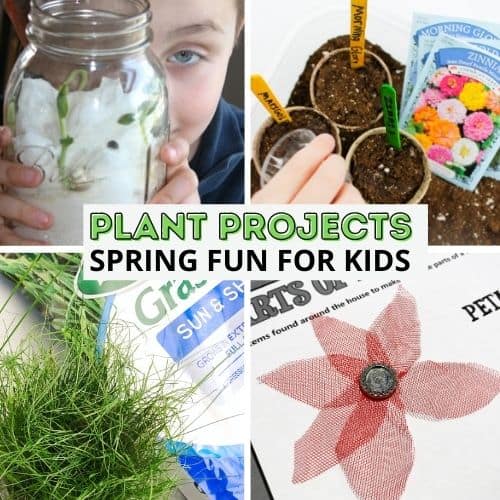
Explore Plants For Spring Science
These plant activities are also great for a plant theme at home or in the classroom; think kindergarten and 1st grade too. Preschool science activities are perfect for early learning!
March and April are filled with fun themes, including plants, seeds, parts of a plant, life cycle of a plant, and more. You can explore a huge variety of hands-on activities to help explore all of the concepts!
Easy Plants to Grow with Kids
Whether this is your first year planting seeds with kids or you do it every spring, you want to be prepared to make your plant activities successful!
Here are some easy seeds to grow:
- Lettuce
- Beans
- Peas
- Radish
- Sunflowers
- Marigolds
- Nasturtium
We just made these awesome homemade seed bombs! Perfect for a plant theme for preschool activity. Use recycled materials and give some as gifts too!
Click here to get your printable spring STEM Cards!
Easy Plant Activities for Preschoolers
The plant lesson plan ideas for preschoolers and kindergarteners below are a mix of hands-on activities such as growing your own plants, easy plant experiments, and plant activities that use simple art and craft supplies to teach kids about plants. Start with the one below!
Click on each activity for the full supply list and instructions to set it up. Plus, you’ll find various free printable projects along the way!
Growing Plants with Kids
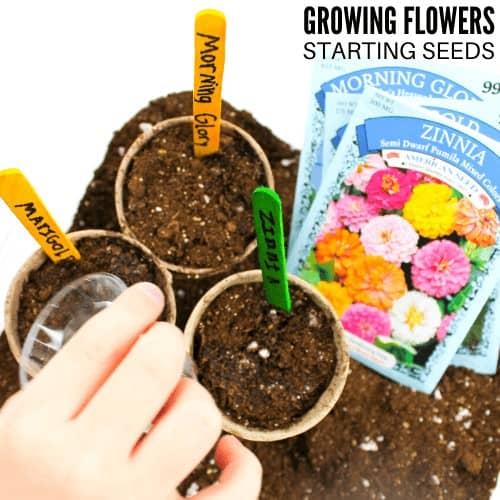
Watching flowers grow is an amazing science lesson for preschoolers. Check out our list of easy flowers for kids to grow and seeds that are big enough for little fingers to pick up.
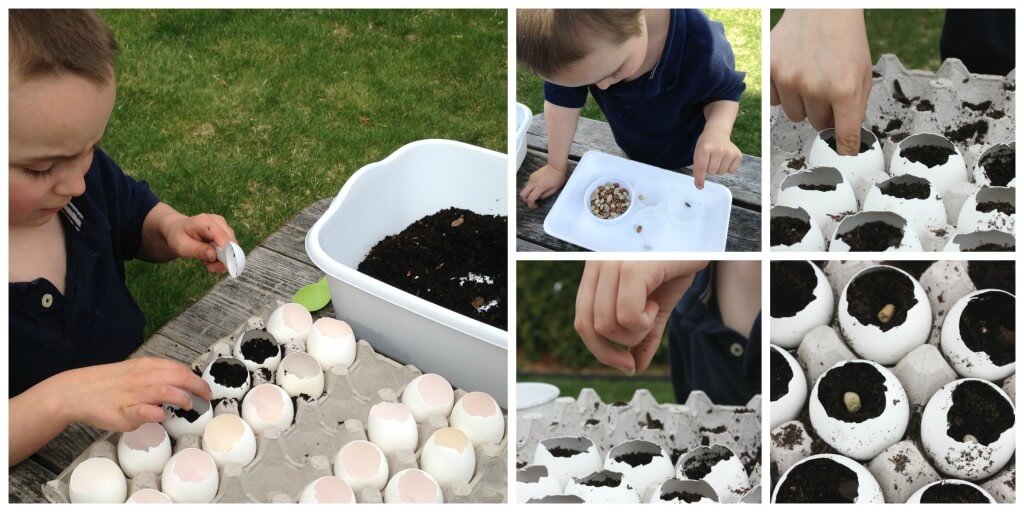
You can also plant seeds in eggshells. We checked out our seeds in different phases of growth. Also a fun dirt sensory activity.
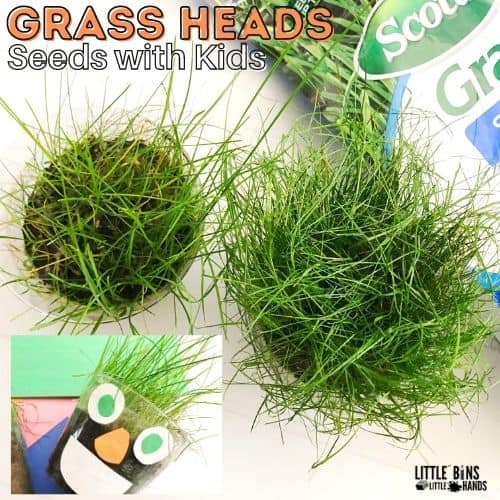
Grass seeds are easy seeds to grow for kids. Make these fun grass heads in a cup and give them a haircut when they grow long.
A seed jar is one of the coolest and easiest plant activities to try! We had a blast watching our seeds go through each phase of seed growth.
Find out how to make seed bombs for a great hands-on preschool plant activity or even to give as gifts. All you need are some flower seeds and scrap paper.
Simple Plant Experiments
CELERY FOOD COLORING EXPERIMENT
Set up a simple way to explain and show how water travels through a plant. All you need are some celery stalks, food coloring, and water.
Turn white flowers into a rainbow of color and learn about the parts of the flower simultaneously. You can also introduce more complex concepts, such as capillary action if desired.
Did you know that you can regrow certain vegetables from their stalks right on the kitchen counter? Give it a try!
3 in 1 FLOWER ACTIVITY FOR PRESCHOOL
Explore real flowers with an ice melt activity, sorting and identifying the parts of a flower and if there is time, a fun water sensory bin.
A fun and easy way to learn the names of the parts of a plant.

Fun Plant Crafts and STEAM Projects
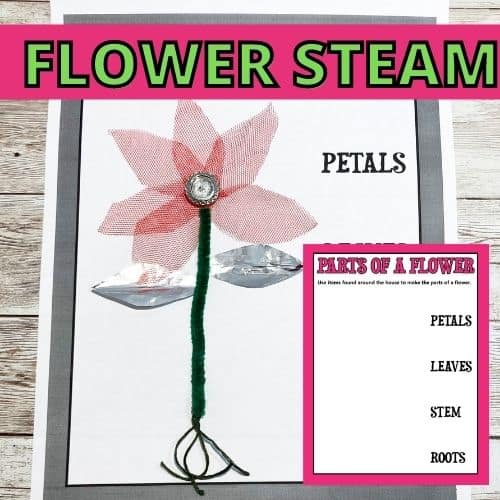
Learn about the parts of a plant with this fun and easy parts-of-a-plant craft activity.
Explore the parts of an apple with this printable apple coloring page. Then cut up some real apples to name the parts and enjoy a taste test or two!
Learn about the parts of a pumpkin with this fun pumpkin coloring page! Find out the names of pumpkin parts, what they look and feel like, and what parts of a pumpkin are edible. Combine it with a pumpkin playdough activity!
A simple spring activity, make playdough flowers with our free printable flower playdough mat. Enjoy homemade playdough with our easy playdough recipe and playdough mat to create the different parts of growing a flower.


Really handy article thankyou