
Looking for easy science experiments to do at home with your kids? Whether you’re exploring physics, chemistry, or biology, these hands-on activities are perfect for encouraging curiosity and building problem-solving skills.
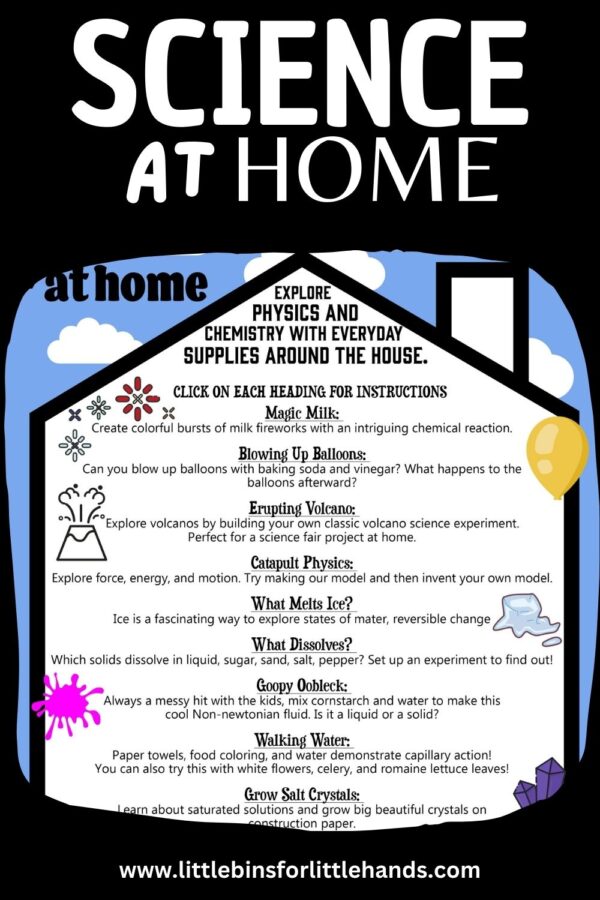
Why Try Science Experiments at Home?
Doing science experiments at home is a great way to encourage learning through play. These activities are ideal for all ages, from toddlers and preschoolers, to kindergarteners, and elementary grades to middle school kids, and can be adjusted to fit different skill levels.
💡 With many of these experiments, you can explore how liquids, gases, solids, and even chemical reactions behave using only everyday materials. Get hands-on with force, motion, and energy. They’re perfect for introducing kids to STEM concepts early on.
These fun science ideas:
- Use inexpensive and simple ingredients (printable supply list here)
- Rely on common household items
- Help kids observe the world with new curiosity
- Encourage creativity and problem solving
Easy Home Science Experiments Using Household Materials
Homemade Lava Lamp
Make your own lava lamp using vegetable oil, water, food coloring, and alka-seltzer tablets. This experiment explores density and chemical reactions in a way that’s both visual and exciting. Kids will love watching the bubbles rise and fall in a glass jar as different liquids interact. Read more: Homemade Lava Lamp
Baking Soda and Vinegar Balloon
Teach kids about carbon dioxide gas with a fun twist. When baking soda reacts with vinegar, the resulting chemical reaction produces a gas that inflates a balloon. It’s a great demonstration of gas expansion and pressure. Read More: Baking Soda and Vinegar Experiment

Colorful Skittles Experiment
Create a colorful rainbow using Skittles and warm water. This simple experiment explores how sugar dissolves and how colors behave when different liquids interact. Watch as the colors spread out in stunning patterns across a plate. It’s a fun and visual way to learn about solubility, density, and color movement. Read More: Skittles Experiment
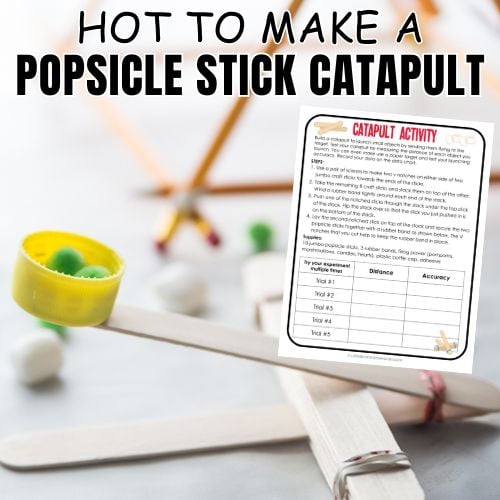
Build a Popsicle Stick Catapult
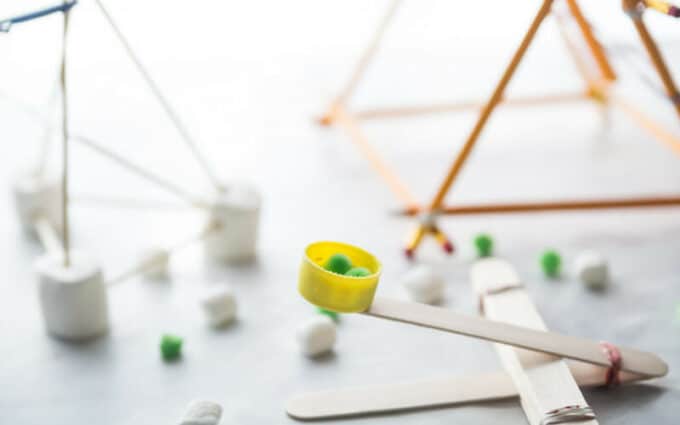
Use popsicle sticks, rubber bands, and a bottle cap to create a simple popsicle stick catapult. This physics experiment introduces force, motion, and energy as kids launch different objects and measure how far they go. Read More: Popsicle Stick Catapult
Erupting Volcano
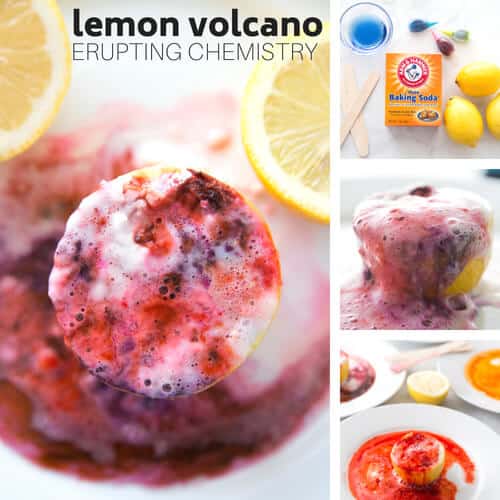
Create a homemade volcano using cardboard, baking soda, vinegar, dish soap, and food coloring. This classic earth science project is messy fun and helps demonstrate the bubbling effects of chemical reactions inside volcanoes. Read More: Volcano Experiment
Magic Milk Experiment
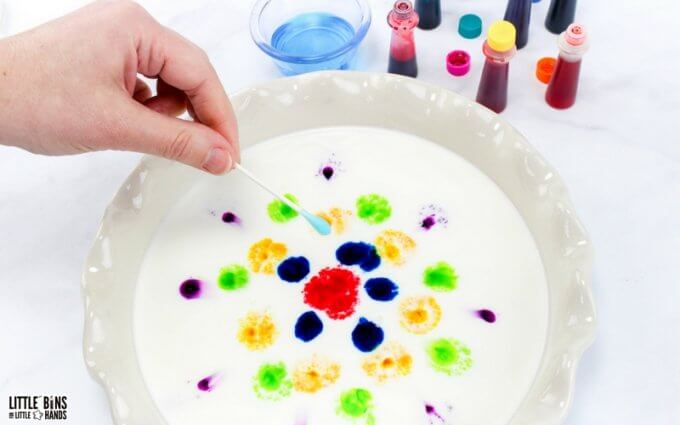
In this crazy science activity, explore polarity and surface tension using milk, dish soap, and food coloring. The result is a swirling effect that looks just like liquid fireworks. It’s one of the most colorful easy experiments you can try. Read More: Magic Milk Experiment
Rainbow Walking Water Experiment
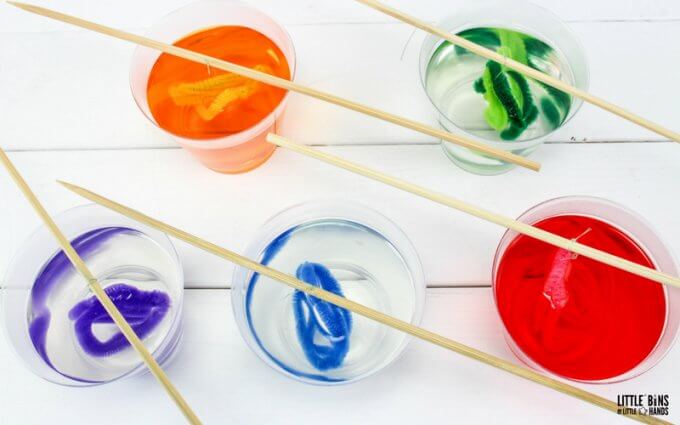
Teach kids about capillary action and the water cycle by creating a walking water rainbow. Colored water moves through paper towels to create a beautiful rainbow of mixed hues. This experiment works well with different liquids and is perfect for biology or plant science. Read More: Walking Water
Grow Crystals
Create your own sugar crystals or rock candy to learn about saturated solutions and density. Place a string in a clear glass or glass jar with a sugar and water mixture, and watch over several days as crystals begin to form. You can also experiment with salt water for faster results. Read More:
Invisible Ink with Lemon Juice
Use lemon juice to write secret messages that can be revealed with heat. This experiment is an excellent introduction to chemical reactions and also a fun way to explore the concept of acids and bases. Bonus: Try it with honey or milk for a twist on the activity. Read More: Invisible Ink
Make a Naked Egg
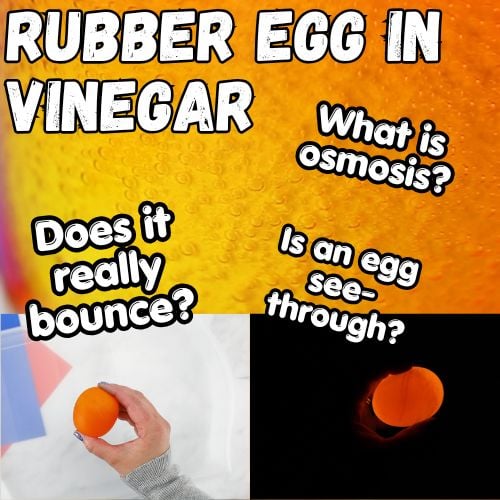
Submerge an egg in vinegar and watch the eggshell dissolve. The result is a naked egg, or a rubbery egg that bounces. This experiment is ideal for discussing acid-base reactions, osmosis, and the structure of teeth and bones. Read More: Rubber Egg or Egg in Vinegar Experiment

Elephant Toothpaste
Combine hydrogen peroxide, yeast, dish soap, and food coloring to make an erupting foamy tower. Known as elephant toothpaste, this exciting experiment shows how oxygen can be released rapidly from a solution. This is one of the most dramatic awesome science experiments kids can try at home. Read More: Elephant Toothpaste
Hydrophobic Cocoa
Mix cocoa powder with water and observe what happens. Explore how different materials interact with water. Cocoa powder is hydrophobic, repelling water instead of dissolving like sugar or salt. Read More: Cocoa Hydrophobia Experiment
Alka-Seltzer Rockets and Boats
Drop alka-seltzer tablets into water inside a film canister to launch it into the air or power a small boat. This is a safe and fun way to teach kids about chemical reactions, propulsion, and Newton’s Third Law of Motion. These diy science projects can become a full school science project. Read More: Alka Seltzer Rockets or Alka Seltzer Boats

Simple Aluminum Foil Circuit
Introduce kids to basic electricity by creating a simple circuit with aluminum foil, a battery, and a small LED light. This STEM activity shows how electricity flows through conductive materials and is a great hands-on way to explore basic electronics using everyday materials. Read More: Aluminum Foil Circuits

Click here to get your free Home Science Guide
More Fun Science Activities to Try
Here are more favorite science experiments that are both educational and engaging:
- Static electricity with balloons and more ideas
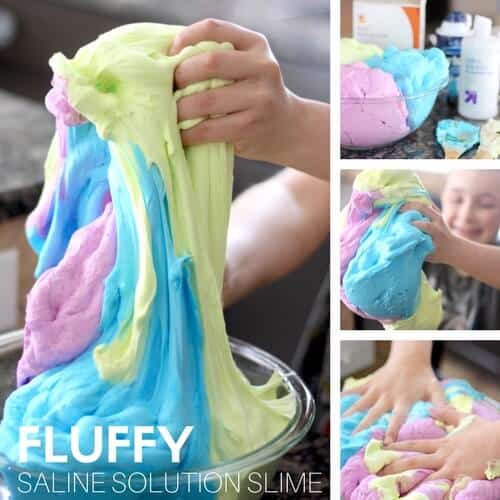
- Slime making with glue and activators
- Color-changing flowers and celery
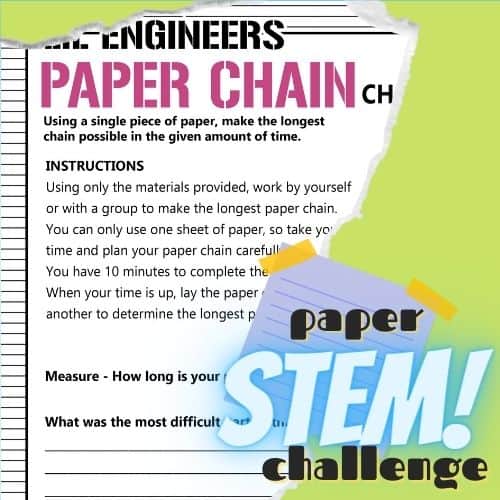
- Egg drop challenge using cardboard, straws, and tape
- Testing taste buds with food samples while holding your nose or investigating if color affects taste
- Exploring astronomy with night sky models
- Make raisins dance
- Mix together oobleck for non-newtonian fluids
- Set up a popsicle stick chain reaction
- Try a food iodine starch test
- Make shadow puppets for light experiments
Simple Science in a Jar or Bag
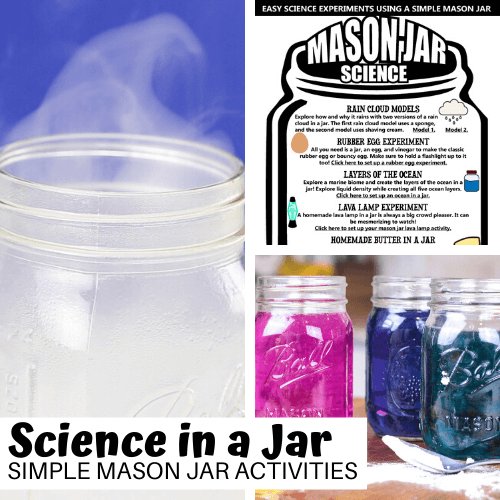
If you’re short on space, jar experiments are a great alternative. Try these small-scale ideas using clear glass or glass jars:
- Germinate seeds in a jar for a close up view (bag version here)
- Rain cloud in a jar with shaving cream
- Water cycle demonstration in a sealed bag
- Fireworks in a Jar
These activities are perfect for younger kids and allow easy observation of liquids, density, seed growth, and other concepts.
Turn These Into Science Fair Projects
🔎 You can take these science experiments and activities further by turning them into complete science projects. Use the scientific method, write a hypothesis, and choose variables!
- Ask a question
- Make a hypothesis
- Do the experiment
- Record observations
- Draw conclusions
💡 This approach helps kids learn how scientists think, question, and discover.
Subjects Explored Through Science Experiments
| Topic | Concepts Explored |
|---|---|
| Chemistry | Chemical reactions, acids and bases, baking soda, vinegar, density, liquids |
| Physics | Motion, force, energy, bubbles, carbon dioxide gas, popsicle sticks |
| Biology | Teeth, plant water uptake, taste buds, zoology |
| Earth Science | Volcanoes, water cycle, salt water, crystal formation |
| STEM | DIY science projects, common household items, problem-solving |
Science Projects for Every Age Group
We’ve created age-appropriate collections of science activities so every learner can explore the world through hands-on fun.
- Science for Toddlers
- Science for Preschoolers
- Science for Kindergarten
- Science for Early Elementary
- Science for Middle School
Printable Science Project Pack
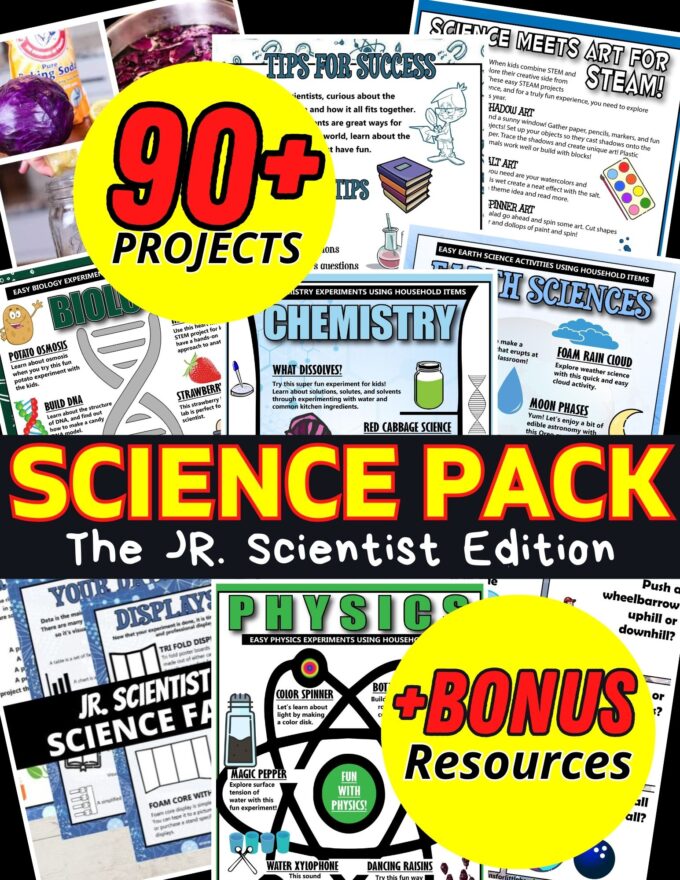
Want all of this in one place? Grab our Printable Science Project Pack that includes:
- 90+ classic science experiments
- Printable observation and journal pages
- STEAM project bonuses
- Mini-packs for chemistry, physics, biology, and earth science
- Vocabulary and science tools printables
Perfect for parents, teachers, and classrooms looking for easy, engaging ways to integrate science at home or in school.