
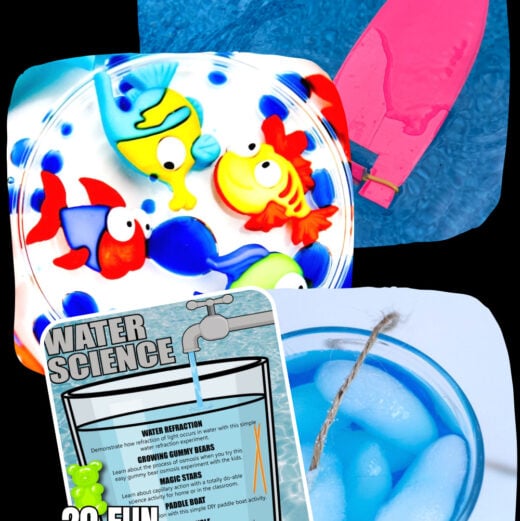
Water experiments for kids are simple, budget-friendly, and packed with hands-on learning! Whether you’re working with preschoolers or older students, these water science experiments explore key concepts like density, buoyancy, the water cycle, and even water pollution. Using everyday materials, kids can investigate how water behaves and why it matters in the real world.
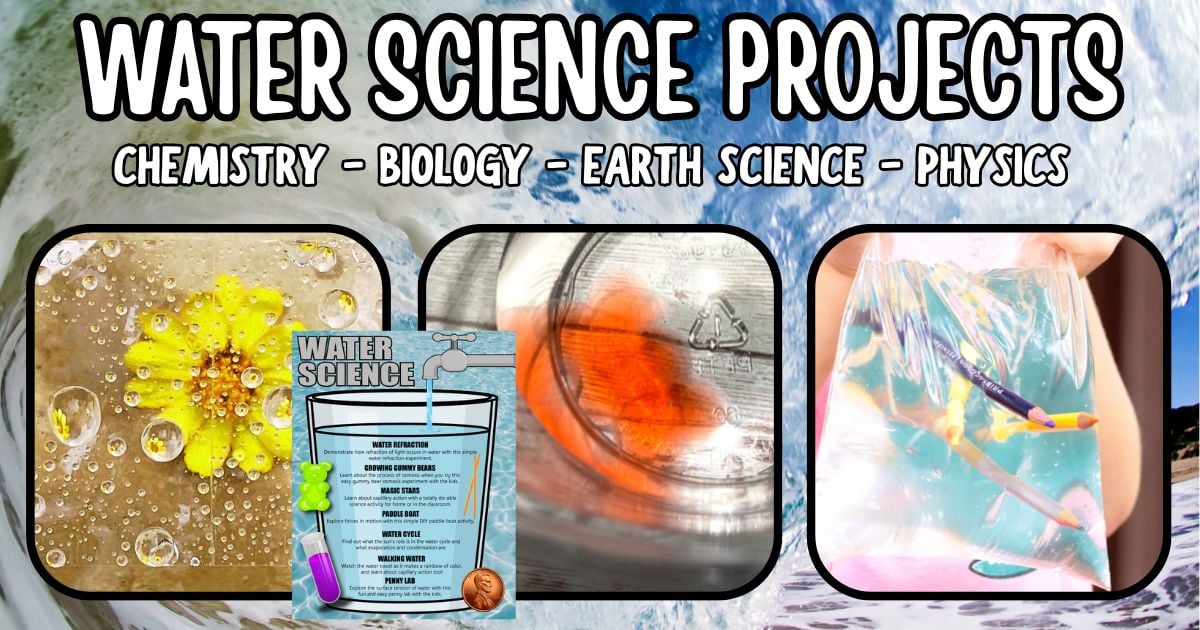
What Are Water Experiments for Kids?
Water experiments for kids are simple, hands-on science activities that use water to explore concepts such as density, surface tension, evaporation, and motion. These experiments use everyday materials and help children learn science through observation and testing.
Best Water Science Experiments for Kids
Water is essential for life—and one of the easiest ways to bring science to life. With just a few supplies, kids can explore how water moves, changes states, mixes with other substances, and interacts with the environment.
These water science experiments are perfect for home or classroom use and introduce concepts from chemistry, physics, biology, and environmental science, including real-world topics like clean water and pollution.
👉 Explore related topics:
Water Science Concepts Explored
Field: Earth Science, Chemistry, Physics, Biology, Environmental Science
Grades: PreK–6
Concepts Explored:
Water cycle; states of matter; density; buoyancy; osmosis; capillary action; surface tension; solubility; reaction rates; chemical and physical changes; absorption; air pressure; light refraction; engineering design; water pollution; conservation.
Easy Water Experiments for Kids
Explore the water experiments below by science topic. This makes it easy to find the perfect activity for your lesson, age group, or science focus.
👉 Don’t forget your free printable water experiments guide for easy setup and planning.
Water Properties & Chemistry Experiments
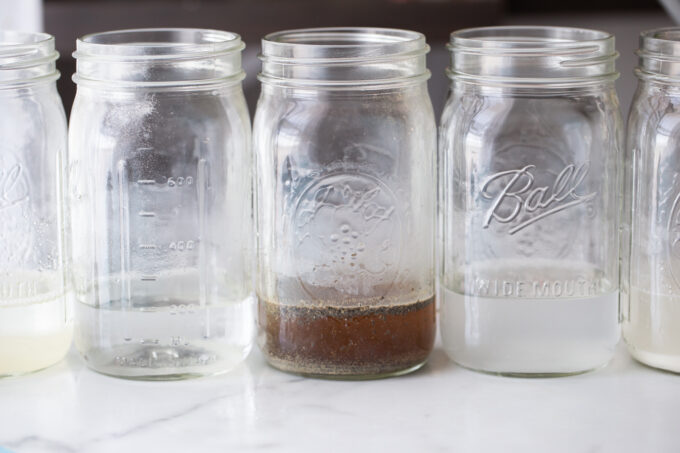
Water has unique properties such as surface tension, density, and the ability to dissolve many substances. It also interacts with different materials in interesting ways, including flexible plastics and absorbent surfaces.
- What Dissolves in Water (Grades K–4)
Test common household materials to see what dissolves and what doesn’t. - Rainbow in a Jar (Grades 2–5)
Layer sugar-water solutions to create a colorful density column. - Salt Lava Lamp (Grades 2–5)
Explore density and reactions with oil, water, and salt. - Skittles Experiment (Grades K–3)
Observe how sugar dissolves and spreads in water. - How Many Drops on a Penny (Grades 1–4)
Learn about surface tension by counting how many drops fit. - Sticky Ice (Grades 2–5)
Test how salt changes the properties of ice. - Freezing Water Experiment (Grades 2–5)
Explore freezing point changes with salt. - States of Matter Experiment (Solid, Liquid, Gas) (Grades K–3)
Explore how water changes between solid (ice), liquid (water), and gas (water vapor). - What Absorbs Water? (Absorption Experiment) (Grades PreK–2)
Test different materials to see which absorb water and which repel water. - Paper Towel Experiment (Grades 2–5)
Test different brands or types of paper towels to see which absorbs the most water. - Salt Water Density Experiment (Floating Egg) (Grades 3–6)
Test how adding salt to water changes its density by making an egg float. - Pencil Through a Plastic Bag (No Leak Experiment) (Grades K–5)
Demonstrate how flexible plastic polymers stretch and seal tightly around the pencil.
Physics & Motion with Water
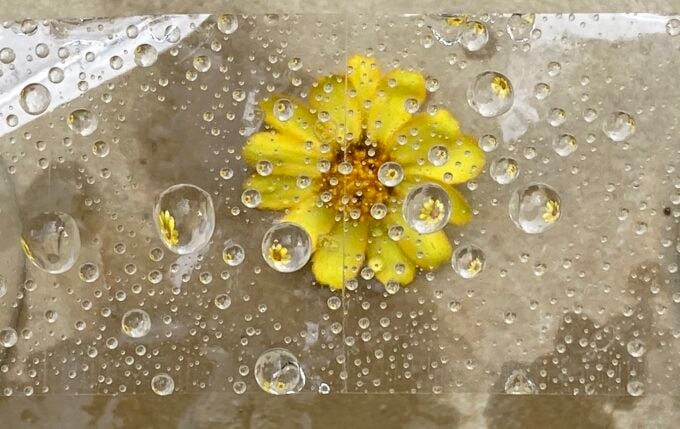
Water can be used to explore forces, motion, energy, propulsion, light, and sound. These experiments introduce key physics concepts like buoyancy, air pressure, and refraction.
- Water Bottle Rocket (Grades 2–5)
Use water and air pressure to launch a rocket and explore motion. - Alka Seltzer Boat (Grades 3–6)
A chemical reaction produces gas that moves a small boat. - Rising Water Experiment (Grades 3–6)
Observe how heat and air pressure cause water to rise. - Sink or Float (Grades K–4)
Test objects to learn why some float and others sink. - Cartesian Diver Experiment (Grades 3–6)
Make a small object sink and float on command by squeezing a bottle of water. This classic experiment demonstrates how pressure changes density and buoyancy, allowing the “diver” to move up and down. - Penny Boat Challenge (Grades 2–5)
Design a foil boat to hold the most weight before sinking. - Soap Powered Boat (Grades 3–5)
Explore surface tension and motion with a simple setup. - Water Wheel Project (Grades 3–6)
Build a simple machine powered by moving water. - Water Clock (Grades 2–5)
Create a simple water clock to measure time using dripping or flowing water. - Straw Boats (Grades 2–5)
Engineer a floating structure using basic materials. - Water Refraction Experiment (Grades 3–6)
See how light bends when it passes through water, making objects appear shifted or distorted. - Macro Refraction (Grades 3–6)
Use water droplets as magnifying lenses to explore how light changes direction. - DIY Paddle Boat (Grades 3–6)
Build a simple paddle boat powered by a rubber band or hand motion to explore propulsion, force, and water resistance. - How to Bend Water with Static Electricity (Grades K–5)
Use a charged balloon to bend a thin stream of water. - Water Xylophone (Grades K–4)
Explores sound waves, vibration, and how water levels affect pitch.
Biology & Water in Living Things
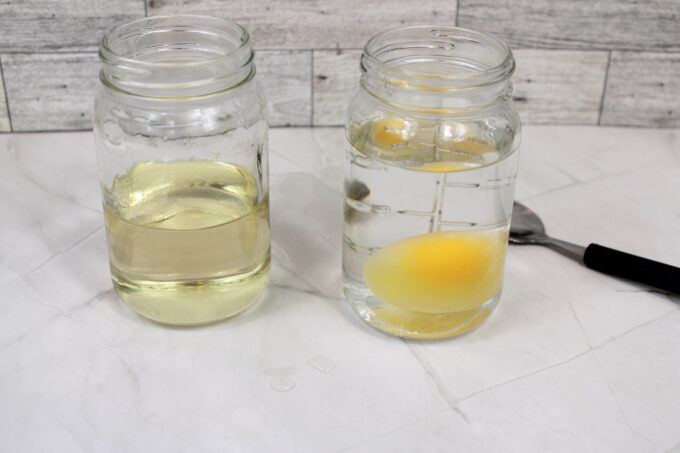
Water plays a critical role in plants and living organisms. These experiments show how water moves through cells and tissues.
- Celery Experiment (Grades 1–5)
Watch colored water travel through plant stems. - Color Changing Flowers (Grades 2–5)
See how flowers absorb water and change color. - Walking Water Experiment (Grades K–4)
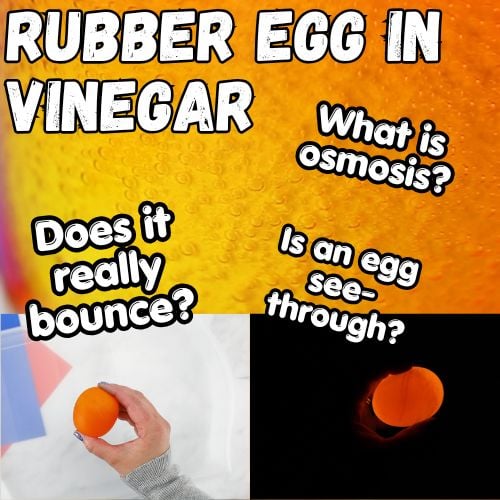
Observe capillary action as water moves between cups. - Egg Osmosis (Grades 3–5)
Explore how water moves through membranes. - Gummy Bear Osmosis (Grades 3–6)
Watch size changes as water moves in and out. - Potato Osmosis Lab (Grades 3–5)
Test how salt water affects plant cells.
Water Cycle & Earth Science Experiments

Water is constantly moving through Earth’s systems. These activities help kids understand evaporation, condensation, and environmental changes.
- Water Cycle in a Bag (Grades K–4)
Create a mini model of the water cycle. - Water Evaporation Experiment (Grades 3–5)
Test how temperature affects evaporation speed. - Ocean Currents (Grades 4–6)
Explore how temperature and density affect water movement. - Ice Melt Experiment (Grades K–4)
Investigate melting and environmental changes. - Hot and Cold Water Mixing Experiment (Grades 2–5)
Explore how warm and cold water interact and observe how temperature affects movement and mixing. - DIY Rain Gauge (Grades 2–5)
Build a simple rain gauge to measure rainfall and track weather over time.
👉 Extend learning: Weather Experiments for Kids
Water Pollution & Environmental Science Activities
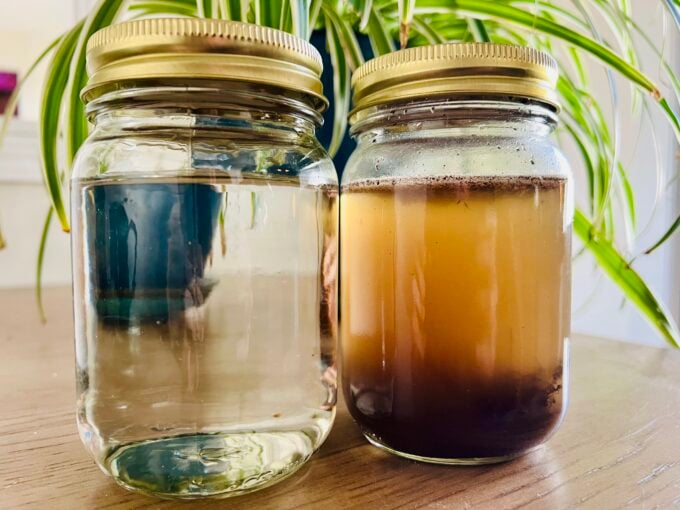
Water science also helps kids understand real-world environmental issues. These activities explore pollution, contamination, and the importance of clean water.
Grab your free Dirty Water Lab printable to pair with these activities!
- Oil Spill Cleanup Experiment (Grades 3–6)
Simulate an oil spill and test cleanup methods while learning about environmental impact. - Dirty Water Comparison Lab (Grades 2–5)
Compare clean and contaminated water samples to understand pollution and filtration challenges. - Water Filtration STEM Challenge (Grades 3–6)
Design and build a simple water filtration system using materials like sand, gravel, coffee filters, and cotton balls. Test how well your filter cleans dirty water and compare results.
👉 Explore more: Water Pollution Activities for Kids
Teach Kids About Clean Water and Conservation
After exploring how water behaves, it’s important to connect science to real-world responsibility. Clean water is essential for people, animals, and ecosystems.
Our Water Conservation Pack extends learning with:
- Hands-on activities
- Printable worksheets and journal pages
- Real-world conservation projects
- Water use and recycling exploration
👉 This is a perfect way to turn your experiments into a complete science unit.

Make It a Science Project
Turn any water experiment into a science fair project:
- Ask a question (What affects evaporation speed?)
- Make a prediction
- Test one variable at a time
- Record results
- Draw conclusions
👉 Need help? Check out our Science Fair Project Guide
Frequently Asked Questions
What are the easiest water experiments for kids?
Sink-or-float, walking water, and penny-drop experiments are simple and great for younger kids.
What do kids learn from water experiments?
Kids learn concepts like density, surface tension, evaporation, and how water interacts with other materials.
What is a good water experiment for a science fair?
Evaporation experiments, osmosis labs, and water pollution investigations work well.
How do you teach kids about water pollution?
Use hands-on activities such as oil spill cleanups and dirty-water labs to show real-world impact.
Why Water Experiments Matter
Water experiments help kids explore science in a meaningful, hands-on way. From understanding how plants grow to learning about pollution and conservation, these activities build lasting real-world connections.

this site is the best i got an A on my assignment