

This fun winter science experiment lets kids create a snowstorm in a jar using simple materials and some fascinating chemistry. Perfect snow day science experiment or classroom activity, this science experiment will keep kids of all ages engaged and learning!
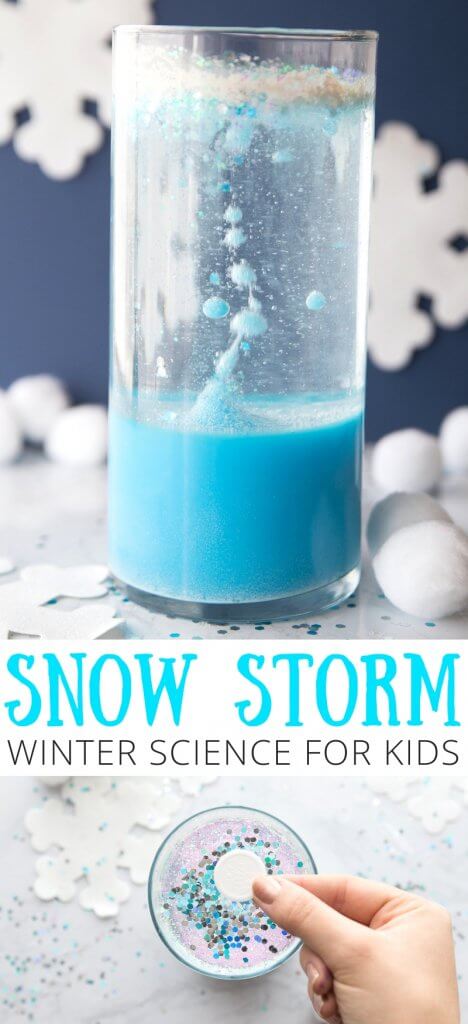
Snowstorm in a Jar
This experiment introduces kids to the science of density, chemical reactions, and how carbon dioxide gas is produced. With just a mason jar and a few household ingredients, you can create a fascinating bubbling effect and explore the interaction of polar and non-polar molecules.
Note: This is a fun alternative experiment to the classic Lava Lamp science project.
Supplies:
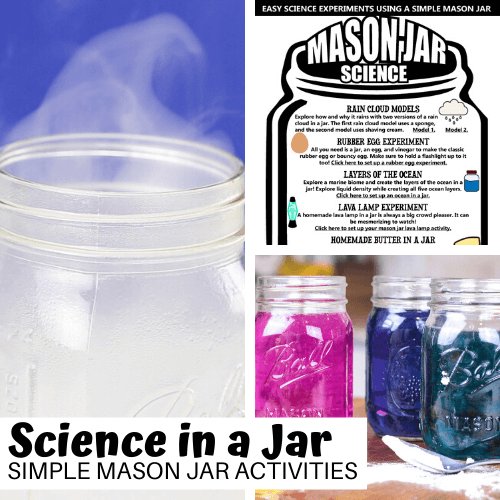
- 1 mason jar (or any clear container of similar size)
- Water
- Baby oil
- White paint
- Glitter (as much glitter as you like!)
- Alka-Seltzer tablets
- Blue food coloring (optional)
- A separate bowl and spoon for mixing
Want to make snow differently? Check out our easy fake snow recipe.
💡 Note: Cooking oil is cheaper, and you most likely have a ton of it on hand. If not, I recommend picking some up. However, as you can see, cooking oil has a yellow hue. Baby oil (as seen in the video below) is much more expensive, but it’s clear.
How to Make a Snowstorm in a Jar
Prepare the Water Mixture: In a separate bowl, blend water with a small squirt of white paint until the paint mixture is smooth. Use a few tablespoons of white paint for a brighter effect. Add drops of blue food coloring to create a vibrant effect, if desired.
Fill the Jar: Pour three-fourths of the paint mixture into the mason jar. Leave some space at the top.
Add Baby Oil: Slowly pour baby oil into the jar until it forms a layer on top of the water mixture. Observe how oil floats because of its lower density compared to water.
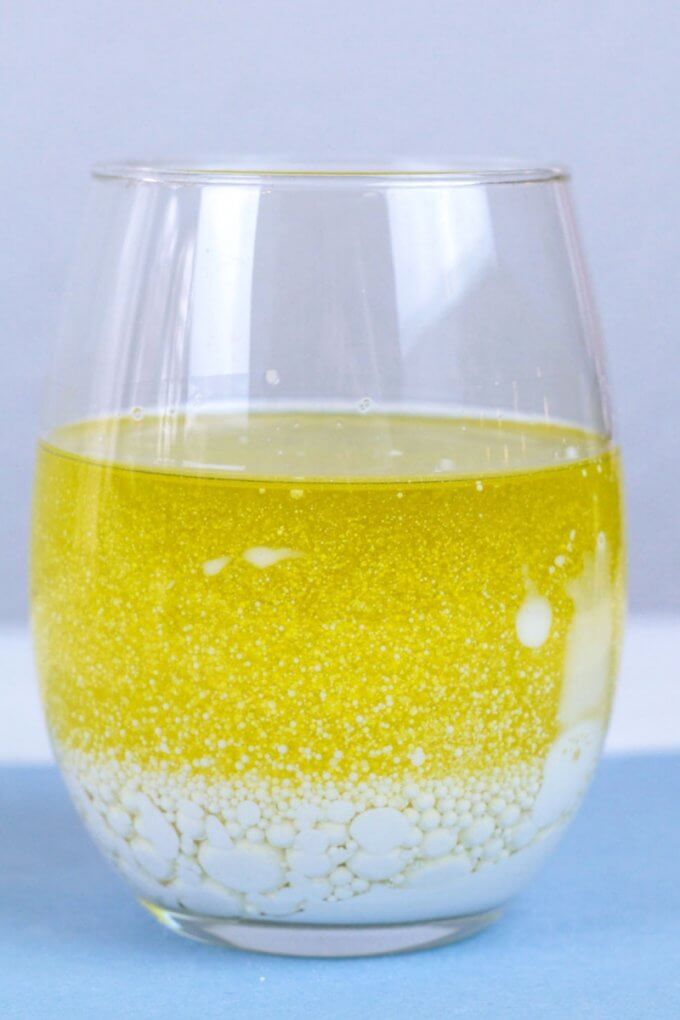
Add Glitter: Sprinkle glitter into the jar. The more glitter, the more magical your snowstorm will look!
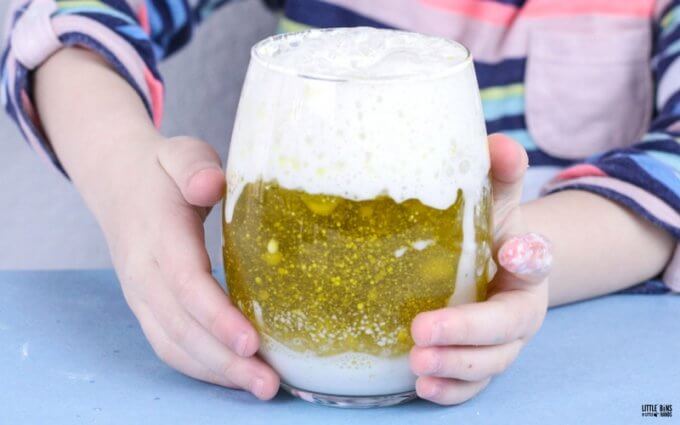
Start the Snowstorm: Break an Alka-Seltzer tablet into small pieces and drop one piece into the jar. Watch as bubbles rise in an upward direction, creating a mesmerizing bubbling effect.
Observe: Repeat step 5 as needed for more fun!
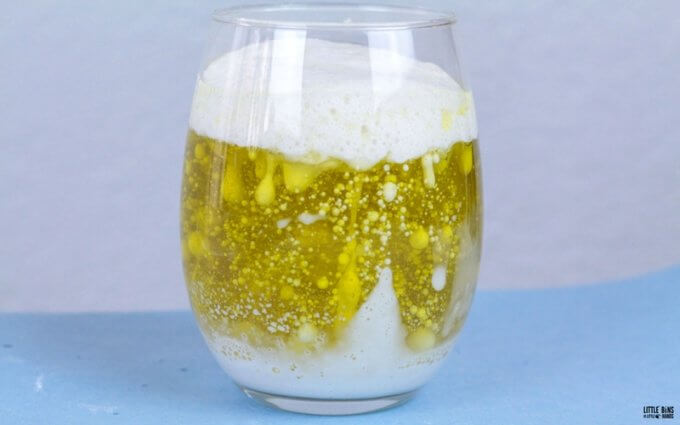

Snow Storm in a Jar Science Information
While there is no direct correlation to a real snowstorm, it’s still fun to add to a winter weather science lesson plan!
This experiment demonstrates how oil separates from water due to differences in molecular polarity. Water molecules are polar, meaning they have a positive and negative charge, while oil molecules are non-polar and do not mix with water.
When the Alka-Seltzer tablet reacts with the water, it releases carbon dioxide bubbles through a chemical reaction between citric acid and sodium bicarbonate. These carbon dioxide bubbles rise to the top, carrying bits of the water and glitter in an upward direction, creating an engaging and dynamic reaction.
Snowstorm in a Jar FAQs
Is a snowstorm in a jar a real snowstorm?
No. This activity does not model a real snowstorm. It’s a visual experiment that demonstrates how oil and water interact and how gas bubbles move through liquids.
What age group is this experiment best for?
This activity works well for preschool through upper elementary students. Younger kids enjoy the visual effect, while older kids can explore concepts like density and chemical reactions.
Is snowstorm in a jar chemistry or physics?
It is primarily a chemistry experiment. The bubbling comes from a chemical reaction that produces carbon dioxide gas.
Can I use cooking oil instead of baby oil?
Yes. Cooking oil works well and is often more affordable. Baby oil is clear, while cooking oil has a slight yellow tint.
Is this activity safe for kids?
Yes, with adult supervision. Alka-Seltzer tablets and small materials like glitter should be handled by an adult, especially with younger children.
Does this experiment work if you don’t live in a snowy climate?
Yes. This activity can be done anywhere and is a fun way to explore winter science concepts without real snow.
Winter STEM Activity Ideas
Looking for more winter science activities? Explore how insulation works with our Insulation Experiment or set up a homemade weather station. Additionally, try these engaging activities:
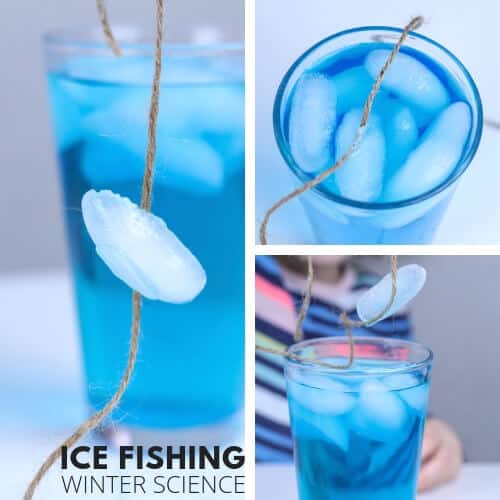
- Ice Fishing Experiment: Learn about freezing points and density by “fishing” for ice cubes with string and salt.
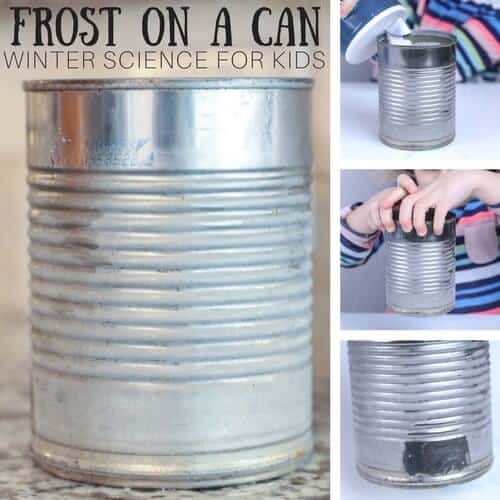
- Frost on a Can: Observe how condensation and freezing temperatures create frost on a soda can.
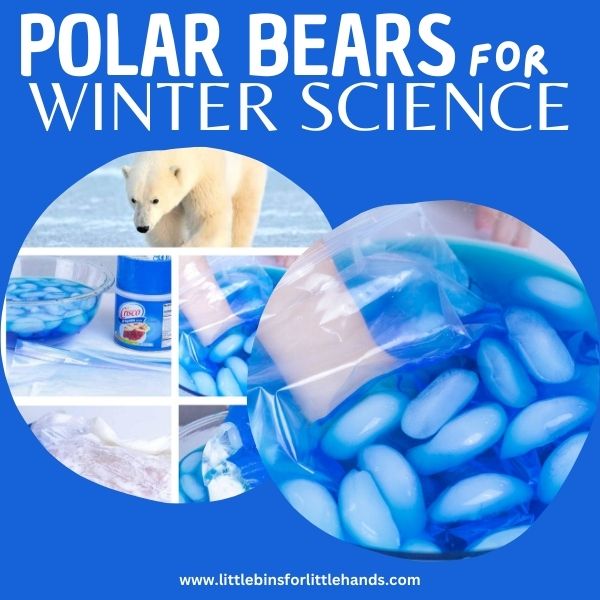
- Polar Bear Blubber: Discover how animals stay warm with a hands-on blubber insulation experiment.
- Set up an Insulation experiment to test the properties of materials.
- How To Make A Thermometer and measure the air temperature.
- Snow Cream Recipe for a tasty winter science treat.
Even if you don’t live in a snowy winter climate, there are many ways to explore the season!
WHAT’S INSIDE? You’ll find 250+ Pages of Winter theme projects for science, STEM, and art! 25+ winter science activities and STEM projects for kids that are easy to set up and fit into the time you have available, even if it’s limited! NEW: Activity observation sheets.

5 Comments
Comments are closed.