
Get ready to explore some fizz-tastic fun with these exciting Alka Seltzer science experiments! These activities show how chemistry and physics work together to create exciting, hands-on results. Perfect for elementary school students, each experiment offers an engaging way to learn about science.

What Are Alka Seltzer Tablets?
Alka-Seltzer tablets are more than just fizzy—they’re packed with ingredients that cause a chemical reaction when mixed with water. Inside each tablet, there’s sodium bicarbonate (a base, also known as baking soda) and citric acid (an acid). When you add water, the citric acid dissolves and releases hydrogen ions, which react with the sodium bicarbonate. This reaction produces carbon dioxide gas (CO₂), so you see bubbles forming.
Basic Alka Seltzer Science
This reaction between an acid (citric acid) and a base (sodium bicarbonate) is called an acid-base reaction. The gas created during the reaction builds up pressure, which we use to make things move, like in the rocket or boat experiment. This chemical reaction also helps us explore important physics concepts like force and motion.
In these experiments, students will see how these tiny chemical processes can lead to some big, observable results! Whether launching a film canister or creating a bubbling lava lamp, students will learn how chemistry and physics combine to make things happen.
Alka Seltzer Science Experiments Supply List
This list should cover all the materials needed for each experiment, with extras for multiple trials or variations!
Supplies:
- Alka-Seltzer tablets (enough for multiple experiments)
- Film canisters (with lids, for rocket experiment)
- Plastic water bottles or clear cups (for lava lamp and boat experiments)
- Water (for all experiments)
- Vegetable oil (for homemade lava lamp)
- Food coloring (for lava lamp and optional for reaction rate experiment)
- Measuring spoons/cups (for measuring water and oil)
- Small plastic boats or DIY boat materials (like foam or plastic, for boat experiment)
- Stopwatch or timer (for reaction rate experiment)
- Thermometer (optional, for checking water temperature in reaction rate experiment)
- Hot tap water and cold tap water (for reaction rate experiment)
- Large tray or workspace to catch any spills (especially for rocket and boat experiments)
- Paper towels (for cleanup)
- Safety goggles (recommended for rocket experiments)
Alka-Seltzer Rockets
First, in the Film Canister Rocket, you’ll see how gas pressure builds up when the Alka-Seltzer reacts with water. Once the pressure is too high, the lid pops off, sending the canister flying into the air!
This simple experiment shows Newton’s laws, including the Third Law of Motion, that there’s an equal and opposite reaction for every action. As the bubbles of carbon dioxide gas escape, they push the rocket upwards (in the opposite direction). This is a great way to explore chemistry (the reaction) and physics (the motion).

Reaction Rate Experiment
Next, we have the Reaction Rate Experiment. Here, you can test how factors like the temperature of the water or tablet size affect the speed of the reaction. You’ll time how long it takes for the reaction to finish and see how changes can make it faster or slower.
This is a fun way to learn how temperature affects chemical reactions. You’ll also get to practice changing one thing at a time to see how it affects the results.

Alka Seltzer Boat Experiment
The Alka-Seltzer Boat Experiment is all about motion. You’ll build a simple boat and use the gas from the Alka-Seltzer reaction to power it across the water. As the gas escapes, it pushes the boat forward (in the opposite direction).
This is another example of Newton’s Third Law of Motion, showing how liquids’ forces can create movement. It’s an exciting way to connect chemical reactions to real-world propulsion.

Homemade Lava Lamp
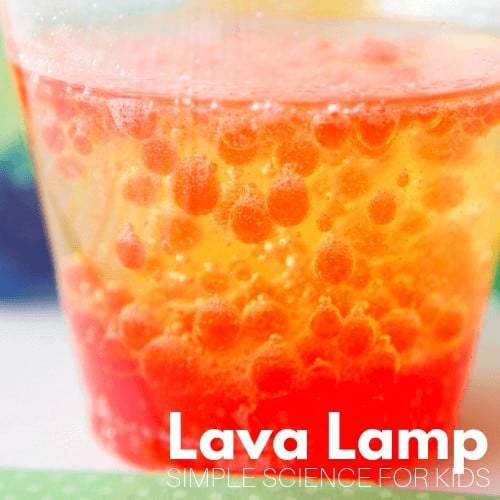
Now for some bubbly fun with the Homemade Lava Lamp! Fill a bottle with water, oil, and food coloring for this experiment, then add an Alka-Seltzer tablet. The gas from the tablet will create bubbles, and as they rise through the oil, they’ll carry colored blobs. The bubbles pop once they reach the surface.
The result creates a mesmerizing lava lamp effect. This is a great way to explore density (why oil and water don’t mix) and how gas can move through different liquids.
Apply the Scientific Method
These Alka-Seltzer experiments also make fantastic science fair projects, allowing kids to use the scientific method and explore different variables. For example, students can ask, “How does the size of the Alka-Seltzer tablet affect the height of the film canister rocket?” or “How does the temperature of the water affect the speed of the Alka-Seltzer reaction in the homemade lava lamp?”
Kids can then form a hypothesis, conduct multiple trials to test different variables, and record their observations. For a science fair project, students could create charts or graphs to display their results, showing how variables like water temperature, tablet size, or even water volume impact the reaction.
These hands-on projects demonstrate their understanding of chemical reactions and showcase how they used the scientific method to explore real-world concepts. Plus, they’re fun and visually exciting, making them perfect for science fairs!
More Science Experiments
These related science experiments reinforce the key concepts of gas production, chemical reactions, and physical principles like density and motion while offering even more hands-on fun for students!
Liquid Density Tower:
Layer different densities of liquids (like water, syrup, and oil) in a clear container. This experiment explores density differences and visually compares how the oil and water interact in the lava lamp experiment.
Baking Soda and Vinegar Volcano:
This classic experiment is another fun way to explore an acid-base reaction. When baking soda (a base) reacts with vinegar (an acid), it creates carbon dioxide gas, leading to a foamy “eruption” similar to what happens in the Alka-Seltzer experiments.
Balloon Inflation Experiment:
Place a small amount of baking soda inside a balloon and attach it to the top of a bottle filled with vinegar. The acid-base reaction creates carbon dioxide gas that inflates the balloon. This is a great experiment for understanding gas production during chemical reactions.
Oil and Water Density Experiment:
This experiment explores why oil and water don’t mix, much like the homemade lava lamp. Students can experiment with adding other substances, like dish soap, to see how they interact with the oil and water.
Rocket Balloon Experiment:
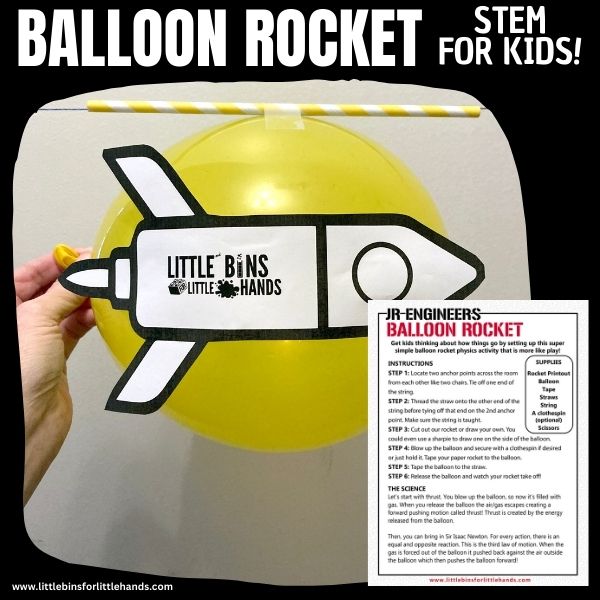
Tie a string between two points, thread a straw onto the string, and then attach an inflated balloon to the straw. When you let the balloon go, it propels forward as the air escapes. This experiment demonstrates Newton’s Third Law of Motion, just like the Alka-Seltzer film canister rocket.
Soda and Mentos Eruption:
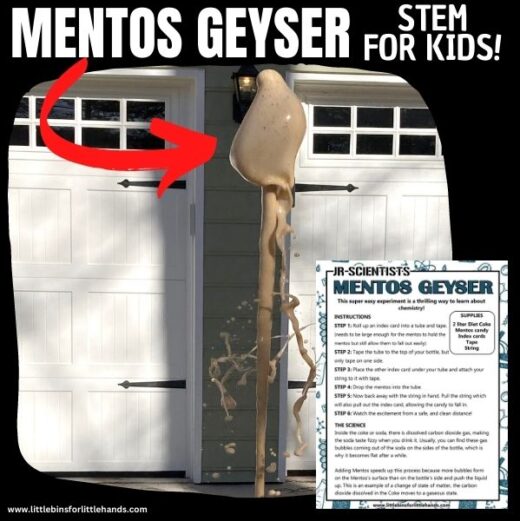
This explosive reaction occurs when Mentos are dropped into soda, causing rapid gas production and a geyser effect. It’s a fun way to compare how different substances can cause varying reactions with gas buildup. Also, try pop rocks and soda!
Fizzing Lemon Volcano:
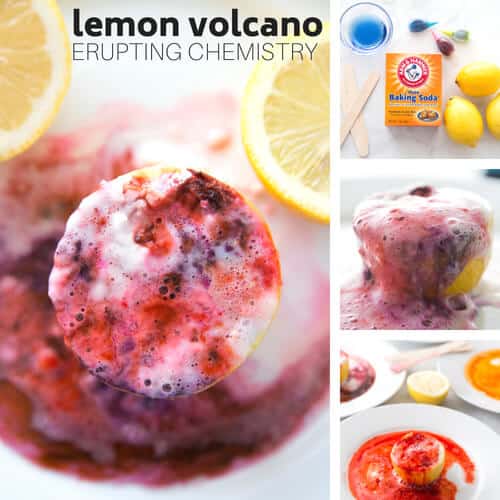
Cut a lemon in half and add baking soda on top. The acid in the lemon juice reacts with the baking soda to produce fizzing bubbles, showing how natural acids can also cause acid-base reactions.
Helpful Science Resources
Here are a few resources that will help you introduce science more effectively to your kids or students and feel confident presenting materials. You’ll find helpful free printables throughout.
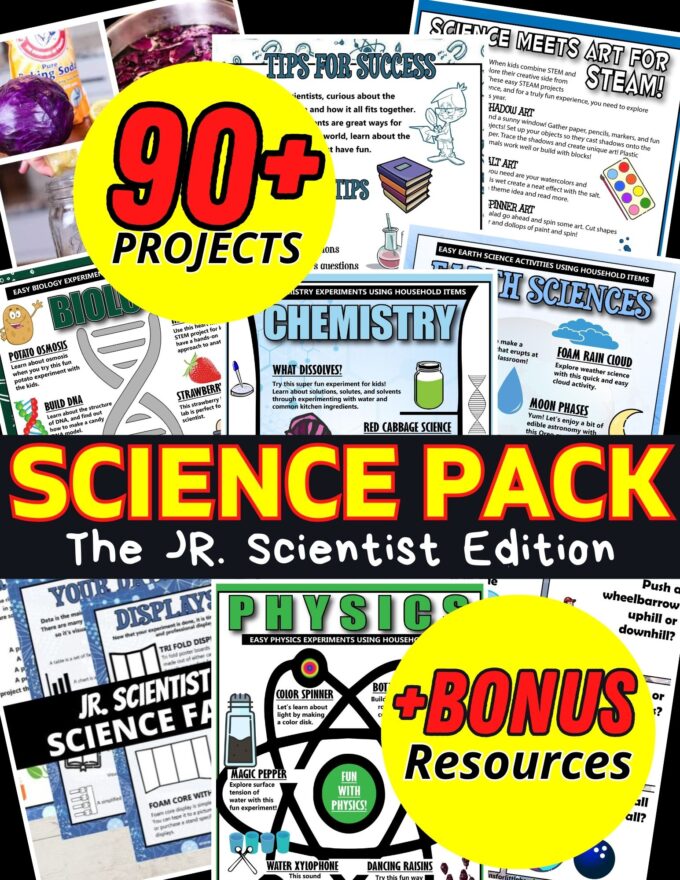
- Printable Science Project Pack 👇
- Best Science Practices (as it relates to the scientific method)
- Science Vocabulary
- All About Scientists
- Free Science Worksheets
- DIY Science Kits
- Science Tools for Kids
- Scientific Method for Kids
- Citizen Science Guide
- Join us in the Club

I appreciate your article. Thank you so much Littlebins for this helpful article. Hands-on Science Classes is really effective for preschoolers as early Science Education. Thanks again and I will surely share your article with my friends.
that looks like fun!!!! should try it when I get home aye…
Very clear explanations. Learners will enjoy it! Thank you!
Rohan
Lots of great learning here! Thanks for linking up with After School!
This looks like so much fun! We haven’t experimented with oil yet, but we’re definitely going to have to give it a try!
We did something very similar this summer — using some old Efferdent tablets… So fun to watch!