
Let’s conduct a simple science experiment to demonstrate how evaporation works. This activity is perfect for elementary-aged kids and helps them observe and measure the effects of various conditions on water evaporation.

Water Evaporation Experiment
Evaporation (a liquid changes to a gas) is a fascinating process we experience daily, from puddles drying up after a rainstorm to clothes drying on a line. Understanding how different factors like temperature, airflow, and surface area affect the evaporation rate is a fantastic Earth Science related experiment for kids.
💡 Explore the water cycle [here].
Watch the Video:
Recommended Grade Level: 2-5th Grade
Supplies:
- 5 containers of equal size and shape
- Water
- Thermometer
- Fan
- Measuring tools (ruler, measuring cup)
- Notebook and pen for recording results
💡 Make sure to grab the free printable instructions for this experiment, along with the journal sheets below!
Instructions:
STEP 1: Fill 5 containers with the same amount of water. Once filled, use a ruler to measure the water level in each container and record it in your notebook.
STEP 2: Place the containers in different environments to observe how various factors affect water evaporation:
- Container 1: Place in a warm environment (eg. outside in the sun).
- Container 2: Place in a cool environment (eg. inside a refrigerator).
- Container 3: Place in a controlled room temperature environment.
- Container 4: Place in an area with increased airflow (eg. near a fan).
- Container 5: Increase the surface area of the water by pouring it into a shallow dish.
💡 Younger Grade Levels: Keep it simple by choosing one condition to experiment with, such as in the shade versus in the sun.
STEP 3: Observe the containers over a set period (eg. three days), and record the water level at regular intervals (eg. morning and evening each day). Use a ruler each time to measure the amount of water in each container and record your findings in a chart.
STEP 4: After completing the observations, compare the water levels across different containers. Which container had the most water evaporated? Which had the least?
💡 Discuss how temperature, airflow, and surface area influenced the evaporation rate.

Extension Activities:
- Graphing the Results: Have students create a graph to compare the evaporation rates under different conditions visually.
- Further Investigation: Encourage students to change variables like the type of liquid (e.g., saltwater vs. freshwater) or container size and see how these changes affect evaporation.
- Weather Connections: Discuss how evaporation plays a role in the water cycle and weather patterns, such as how puddles dry up or how sweat cools the body.
💡 Learn how to incorporate the scientific method into these extension activities.
How Does Evaporation Work?
Evaporation is the process by which a liquid changes to a gas. Various factors, such as temperature, airflow, humidity, and surface area, can influence the evaporation rate of water.
Higher temperatures increase the energy for water molecules to escape into the air, leading to faster evaporation.
Increased airflow can also speed up evaporation by moving moist air away from the surface, allowing more water to evaporate. A larger surface area allows more water molecules to escape, increasing the evaporation rate.
Free Printable Water Experiment Instructions [here].
This experiment is ideal for kids in grades 3-6. It allows them to practice measuring, recording data, and drawing conclusions based on their observations.

More Fun Science Experiments To Try
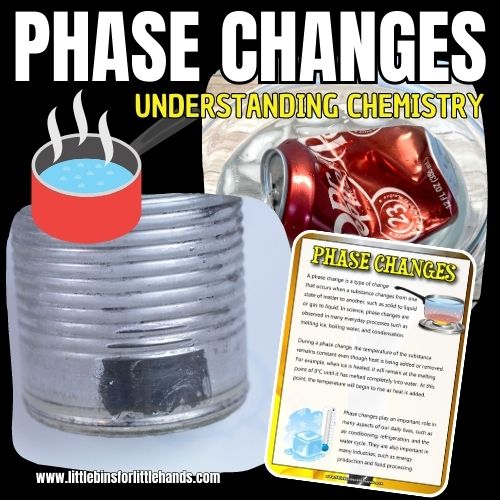
Explore states of matter, phase changes and the water cycle with these activities below…
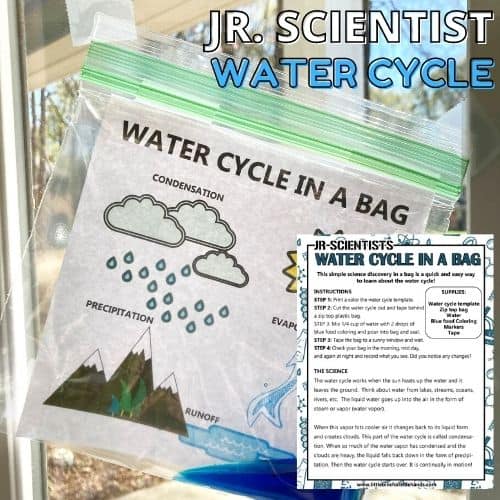
- Water Cycle In A Bag
- Separating Mixtures
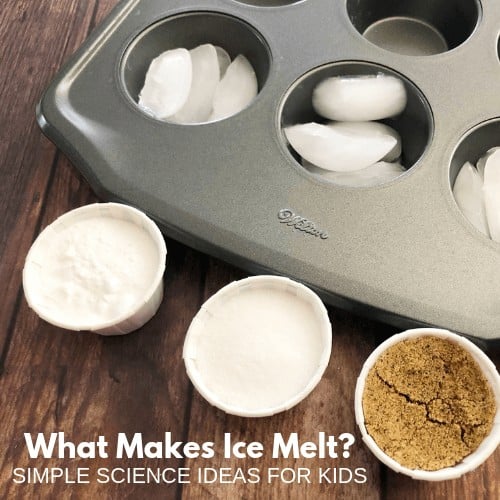
- What Makes Ice Melt Faster?
- Solid, Liquid, Gas Experiment
- Freezing Water Experiment
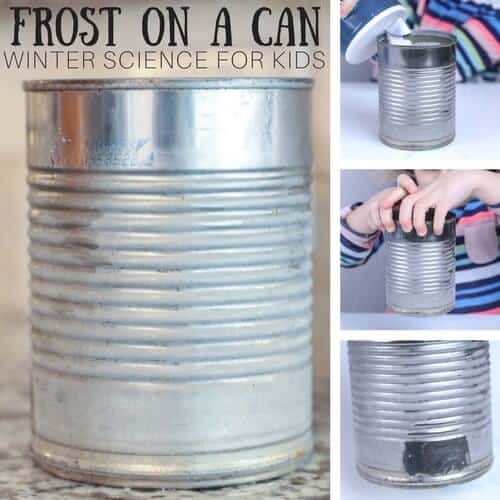
- Frost on a Can Experiment (Condensation)
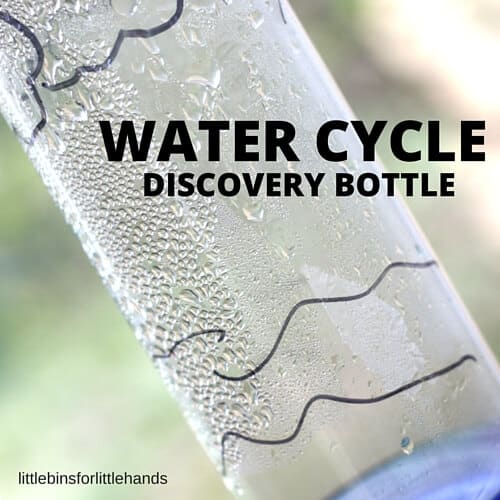
- Water Cycle In A Bottle

Helpful Science Resources
Here are a few resources to help you introduce science more effectively to your kiddos or students and feel confident when presenting materials. You’ll find helpful free printables throughout.
- Best Science Practices (as it relates to the scientific method)
- Science Vocabulary
- All About Scientists
- Free Science Worksheets
- DIY Science Kits
- Science Tools for Kids
- Scientific Method for Kids
- Citizen Science Guide
- Join us in the Club
Printable Science Projects For Kids
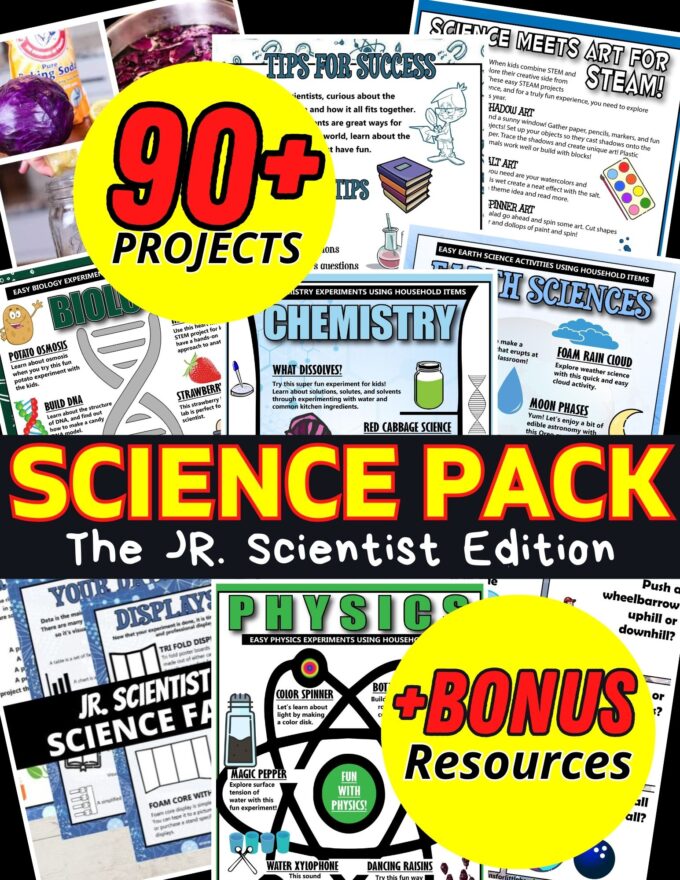
If you’re looking to grab all of our printable science projects in one convenient place plus exclusive worksheets and bonuses like a STEAM Project pack, our Science Project Pack is what you need! Over 300+ Pages!
- 90+ classic science activities with journal pages, supply lists, set up and process, and science information. NEW! Activity-specific observation pages!
- Best science practices posters and our original science method process folders for extra alternatives!
- Be a Collector activities pack introduces kids to the world of making collections through the eyes of a scientist. What will they collect first?
- Know the Words Science vocabulary pack includes flashcards, crosswords, and word searches that illuminate keywords in the experiments!
- My science journal writing prompts explore what it means to be a scientist!!
- Bonus STEAM Project Pack: Art meets science with doable projects!
- Bonus Quick Grab Packs for Biology, Earth Science, Chemistry, and Physics