


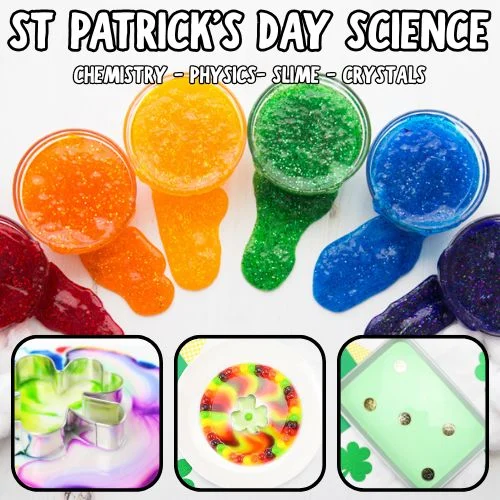
Looking for a fun and easy St Patrick’s Day slime recipe? This bright green slime is filled with glitter, gold coins, and festive confetti for the perfect leprechaun slime.
It’s stretchy, sparkly, and simple to make using a basic homemade slime recipe. Once you learn how to make this green St Patrick’s Day slime, you can also turn it into rainbow slime, gold slime, or other lucky slime variations.
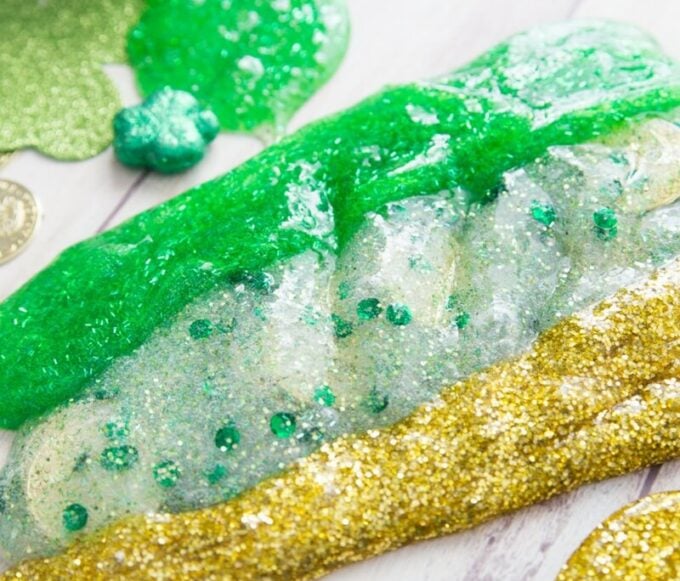
This is a great hands-on activity for celebrating St Patrick’s Day with kids, and it even introduces a little chemistry along the way.
Try These St Patrick’s Day Slime Variations
Once you learn how to make this easy green slime, you can create several fun St Patrick’s Day slime variations using the same basic recipe.
• Rainbow Slime – swirl bright rainbow colors together for a magical stretch.
• Gold Slime – create shiny “pot of gold” slime with gold glitter or metallic pigment.
• Leprechaun Slime – mix green glitter and shamrock confetti into clear slime.
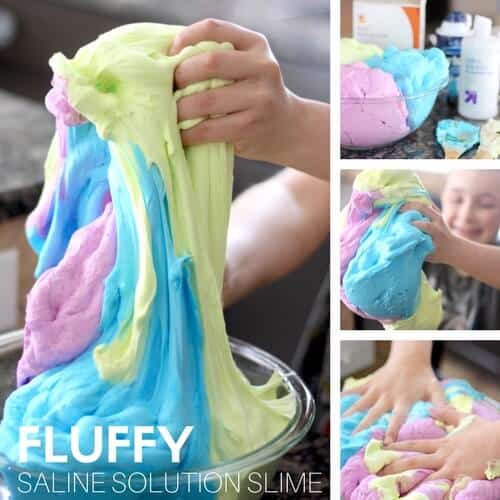
• Fluffy Shamrock Slime – add shaving cream to make soft and fluffy slime.
• Glitter Green Slime (below) – add extra green glitter for a sparkly holiday slime.
Make Green Slime For St Patrick’s Day
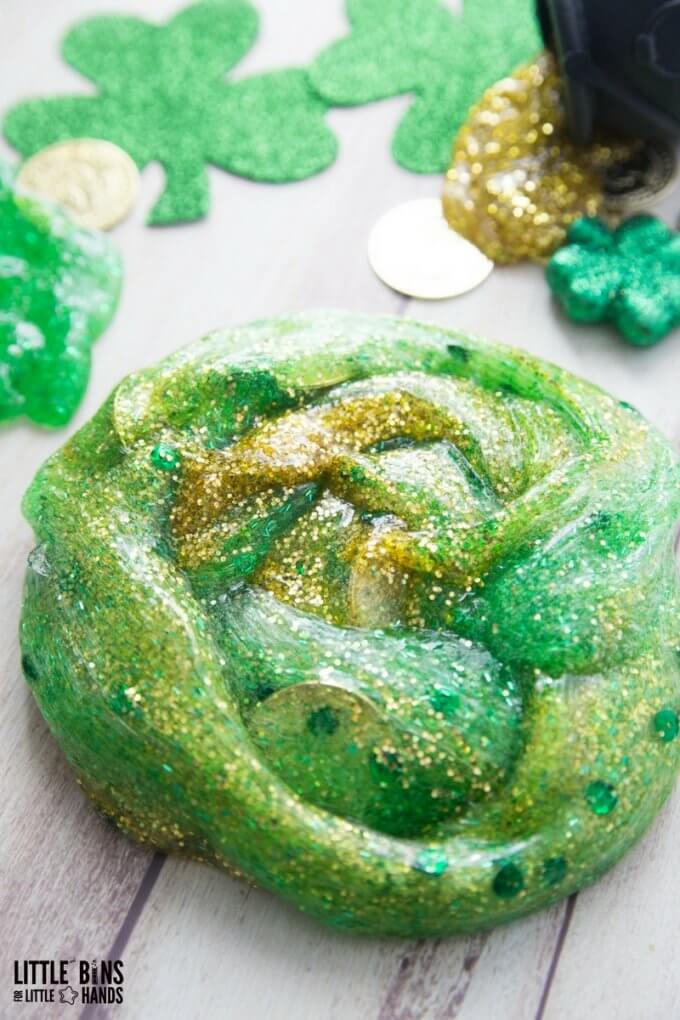
This green slime recipe is quick to make and perfect for St Patrick’s Day sensory play. Add glitter, sequins, or gold coins to create a fun leprechaun treasure slime.
Small black pots make a great addition to your slime accessories. Kids love searching for hidden “gold” while stretching and playing with the slime.
And remember—slime is science too! Below, you can learn more about the chemistry that makes slime stretchy.
St Patrick’s Day Green Slime Recipe
Supplies
• 1/2 cup clear PVA school glue
• 1/2 cup water
• 1 tablespoon saline solution (must contain boric acid and sodium borate)
• 1/4–1/2 teaspoon baking soda
• Green food coloring
• Glitter or sequins
• Gold coins
• Confetti (optional)
• Small black pots (optional)
Instructions
Step 1
In a bowl, mix 1/2 cup glue and 1/2 cup water until completely combined.
Step 2
Add green food coloring and glitter. Mix well to distribute the color and decorations.
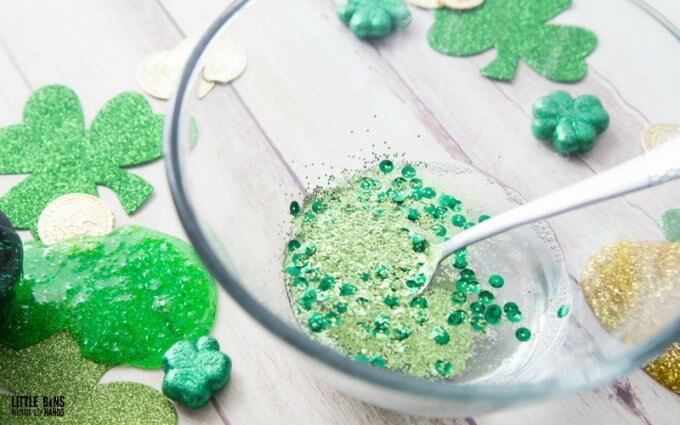
Step 3
Stir in 1/4–1/2 teaspoon baking soda. Baking soda helps the slime firm up and form properly.
Step 4
Add 1 tablespoon saline solution and stir until the slime begins to pull away from the sides of the bowl.
Step 5
Knead the slime with your hands until it becomes smooth and stretchy. If the slime feels sticky, add a few more drops of saline solution and continue kneading.
Tip: Placing a few drops of saline solution on your hands before kneading helps prevent sticking.
Once the slime reaches your desired consistency, stretch it, squish it, and enjoy your St Patrick’s Day slime.
More St Patrick’s Day Slime Ideas
Once you learn how to make this basic slime recipe, you can easily create other St Patrick’s Day slime variations.
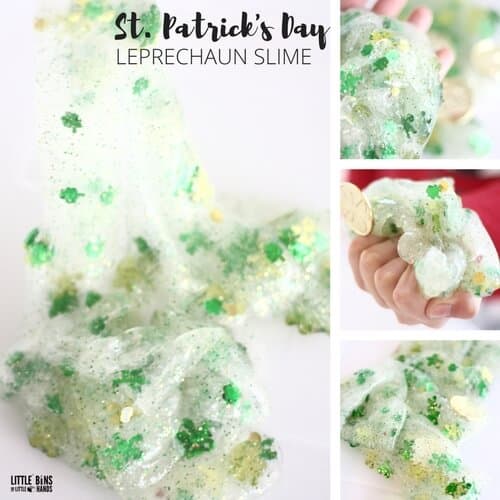
Leprechaun Slime
Use clear slime and mix in green glitter and shamrock or leprechaun confetti.
Gold Slime
Create a shiny pot of gold slime using gold glitter glue or metallic pigment powder.
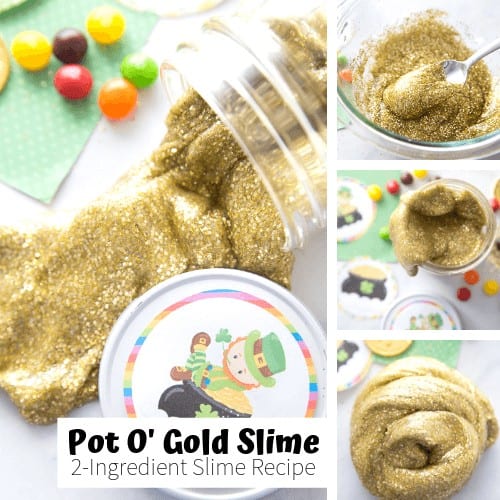
Rainbow Slime
Make several batches of slime in rainbow colors and swirl them together.
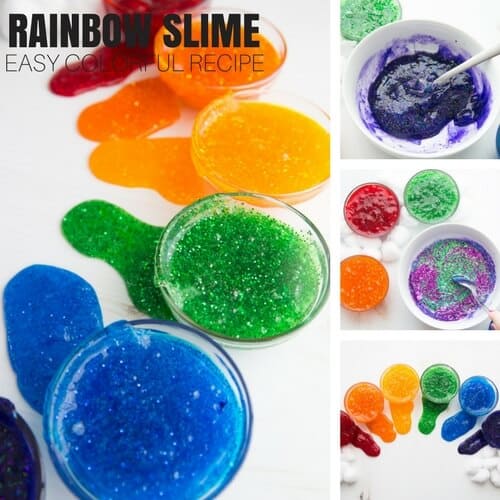
Rainbow Fluffy Slime
Create fluffy slime in multiple rainbow colors and swirl them together for a colorful stretch.
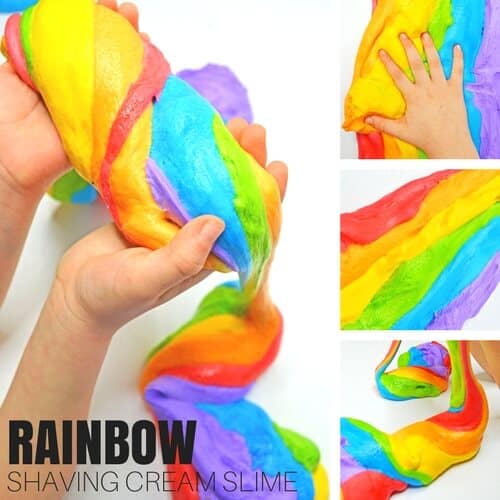
Fluffy Shamrock Slime
Add shaving cream to make soft, fluffy slime with green coloring and glitter.
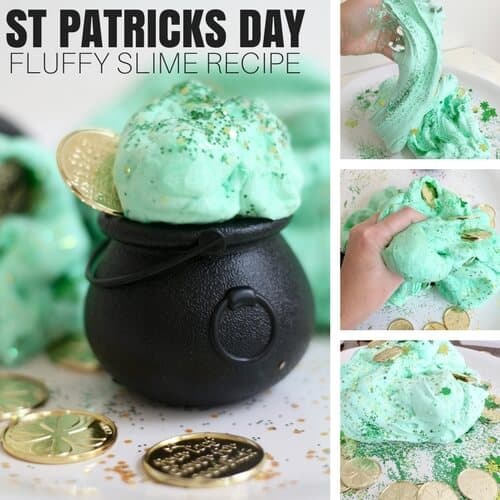
All of these variations start with the same basic slime recipe, making it easy to create new holiday slime ideas.
The Science Behind Slime
Making slime is a great way to explore simple chemistry concepts.
When you mix slime activators such as saline solution, borax powder, or liquid starch with glue, a chemical reaction occurs. The borate ions react with the PVA glue molecules, linking them together in a process called cross-linking.
This creates a stretchy substance known as a polymer.
Because slime behaves partly like a liquid and partly like a solid, it is called a non-Newtonian fluid.
Kids can explore concepts such as:
• polymers
• mixtures and substances
• elasticity
• viscosity
• states of matter
👉 Explore the full science behind the slime here.
Helpful Slime-Making Resources To Get You Started
These are the best resources to look through before, during, and after making your awesome green glitter slime!
- Slime Activator List
- How To Make Slime Less Sticky
- How to Fix Slime
- How To Get Slime Out Of Clothes And Hair
- All the Best Homemade Slime Recipes
St Patrick’s Day Slime FAQ
Can you make St Patrick’s Day slime without borax?
Yes! You can use saline solution slime, liquid starch slime, or borax-free slime recipes.
What color slime works best for St Patrick’s Day?
Green slime is the most popular, but rainbow slime and gold slime are also fun festive options.
How long does homemade slime last?
Stored in an airtight container, slime typically lasts 1–2 weeks.
More St Patrick’s Day Activities for Kids
If your kids enjoyed making this St Patrick’s Day slime, try these simple hands-on activities too.
Build a Leprechaun Trap
Design and build a trap to catch a mischievous leprechaun using simple household materials.
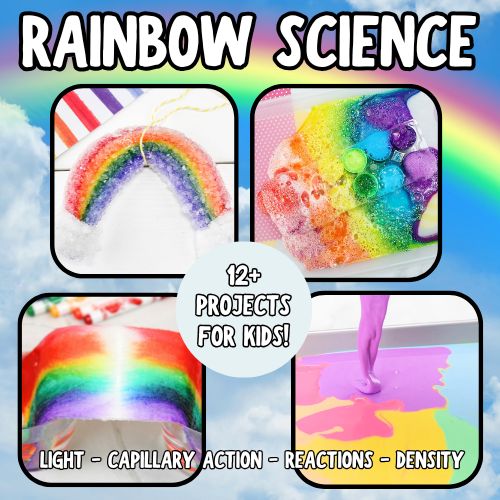
Rainbow Science Experiments
Explore colorful science activities inspired by the magic of rainbows.
Magic Milk Experiment
Watch colors swirl and move in this classic kitchen science activity.
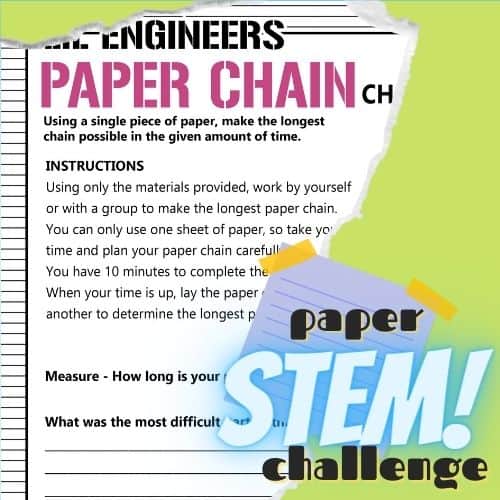
St Patrick’s Day Science and STEM Activities
Printable challenge cards that encourage kids to build, design, and experiment.



Hi. I’m doing a science fair and I want to do slime. My testable question is “ does sta-flo or tide affect the stickiness if slime affect it on different surfaces
Feel free to email me sarah@littlebinsforittlehands.com if you want to talk it through.
Hi,
Thank you so much for the plethora of wonderful STEM/STEAM experiences for children that you have created. I have purchased many and look forward to the new information to come.
As an Early Childhood Educator, teaching a group of 18 PreK children with my co-teacher, I am always striving to learn.
However, I wanted to point out an error in spelling. In your St. Patrick’s Day STEM Pack, specifically the Green Carnation Challenge, the title is written “DIE A CARNATION GREEN CHALLENGE”. The word “die”, which means “of a person, animal, or plant, stops living” and should be spelled DYE, “a natural or synthetic substance used to add a color to or change the color of something”. I am assuming that this was a oversight, and I wanted to make sure you knew.
Once again, thank you so much for all that you do. I really enjoy your effort to support the education of young children.
Sincerely,
Linda Oxman
kydteacher1031@yahoo.com