
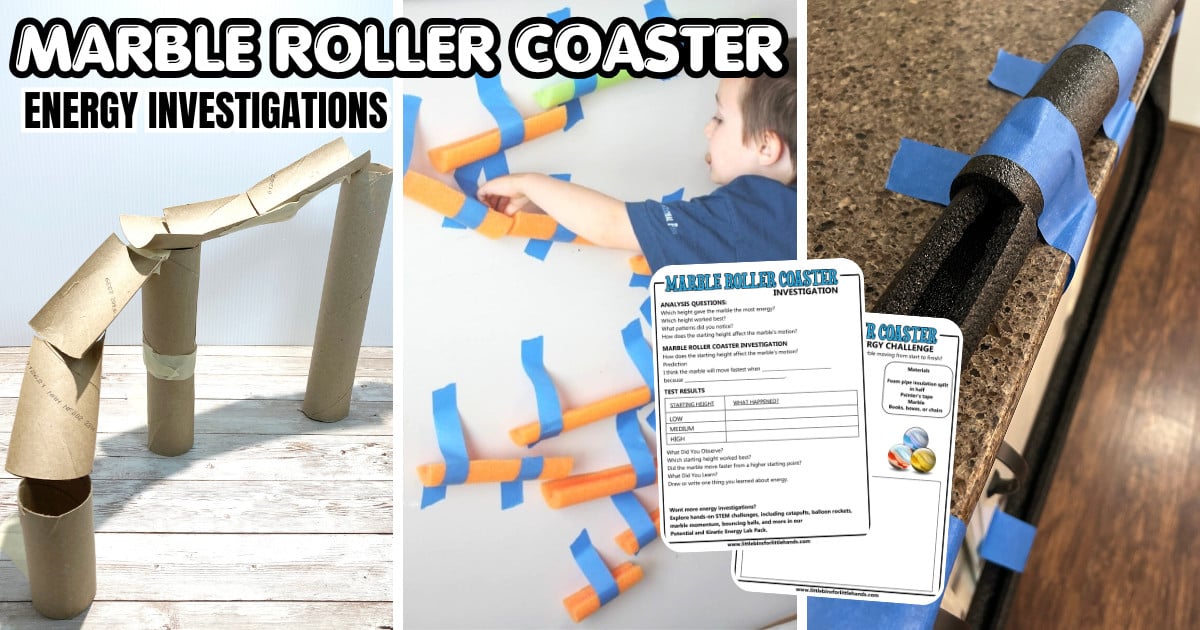
Build a marble roller coaster with simple materials and explore the science of motion, gravity, and energy! This hands-on STEM activity challenges kids to design, build, test, and improve their own roller coaster while learning how engineers solve real-world problems.
Start with a simple cardboard tube roller coaster, then level up with a larger foam track version to investigate potential and kinetic energy.
What Kids Will Learn
- Grade Levels: 2-6
- Field of Science: Physics, Engineering
- Concepts Explored: Gravity and Motion, Potential and Kinetic Energy, Friction, Engineering Design
Activity 1: Cardboard Tube Marble Roller Coaster
This version uses recycled materials and is perfect for introducing engineering concepts.
Supplies
- Toilet paper tubes
- Paper towel tube
- Scissors
- Masking tape
- Marbles
Instructions
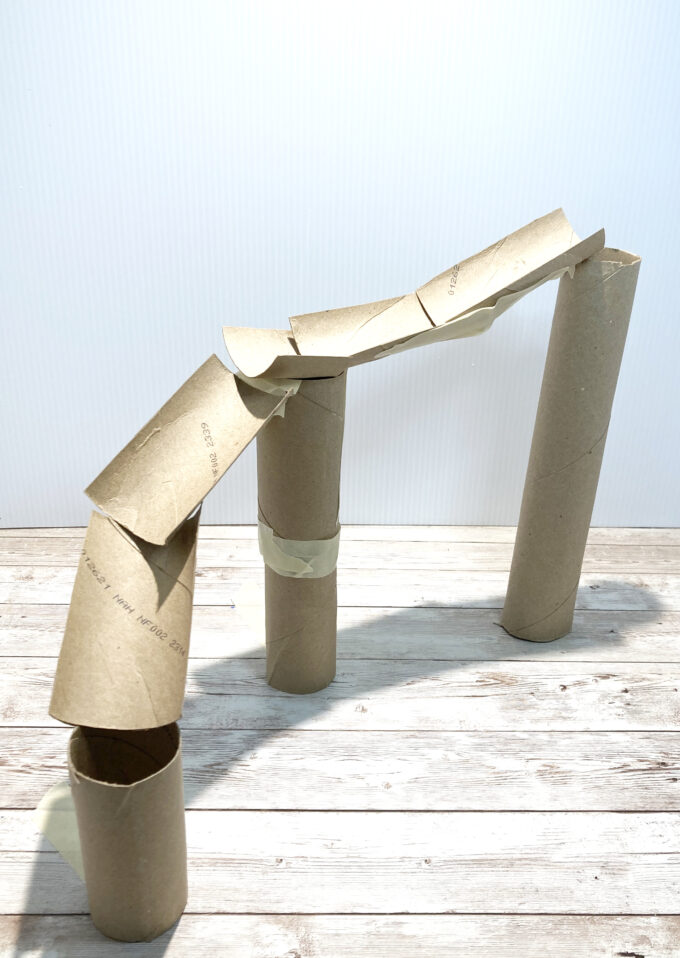
STEP 1: Cut several toilet paper tubes in half lengthwise to create coaster tracks.
STEP 2: Stand a paper towel tube upright and tape it securely to a table.
STEP 3: Attach two cardboard tracks to the tall tower.
STEP 4: Tape two toilet paper tubes together to create a second tower and secure it to the table.
STEP 5: Connect the towers with the remaining cardboard track pieces.
STEP 6: Adjust the slopes and curves as needed.
STEP 7: Release a marble from the highest point.
STEP 8: Test and improve your design.
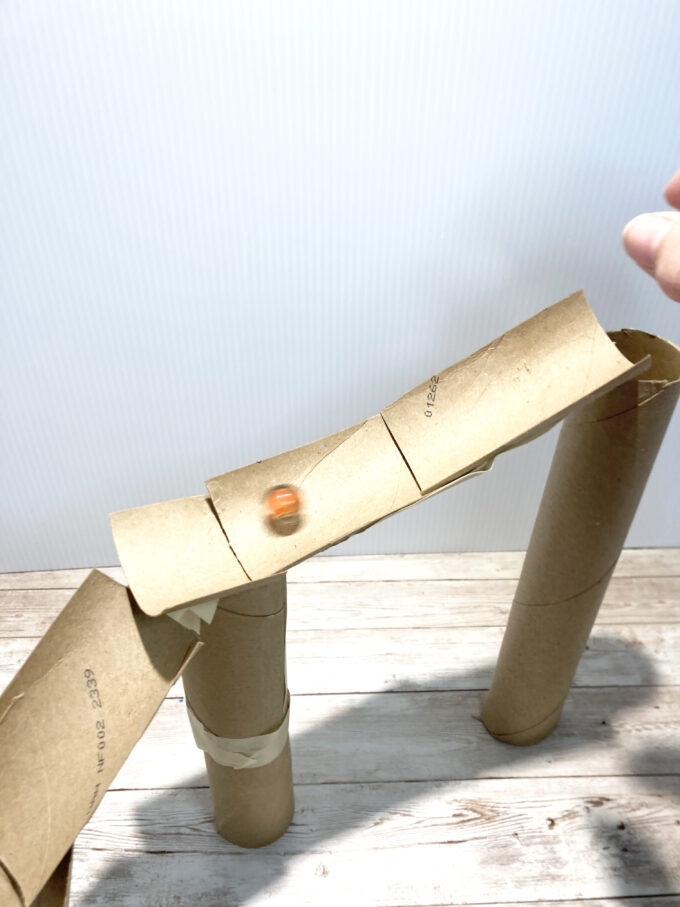
What Is A Roller Coaster?
A roller coaster is an amusement ride that uses gravity and energy to move riders through hills, drops, curves, and turns. Engineers carefully design roller coasters so they are both exciting and safe.
Roller coasters are also a great way to explore physics. As a coaster moves down a hill, stored energy changes into motion. In this activity, your marble becomes the roller coaster car!
Activity 2: Foam Pipe Insulation Roller Coaster
Ready for a bigger challenge?
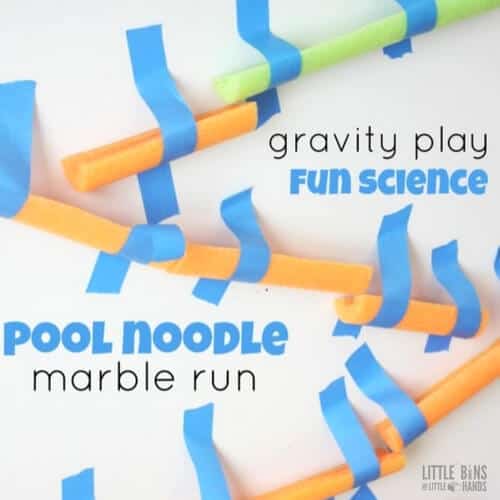
Build a larger roller coaster using foam pipe insulation. This version allows kids to create longer tracks, steeper drops, bigger hills, and more complex designs.
Supplies
- Foam pipe insulation split in half
- Painter’s tape
- Marbles
- Books, chairs, boxes, or other supports
Instructions
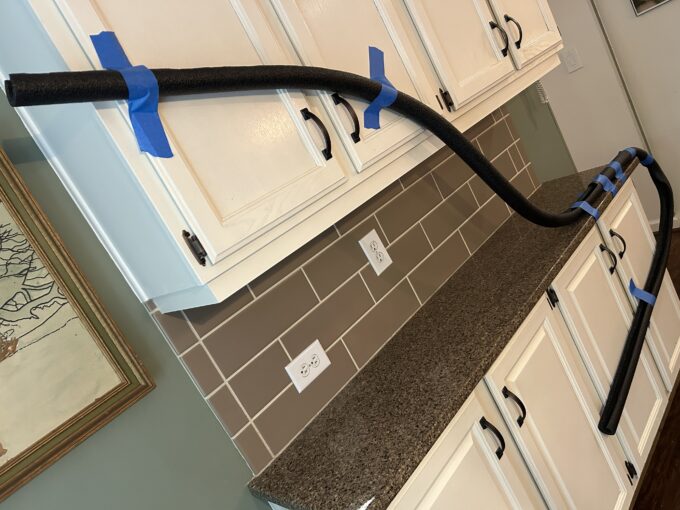
STEP 1: Create a high starting point using books, chairs, boxes, or other supports.
STEP 2: Tape sections of foam insulation together to form a track.
STEP 3: Add hills, curves, and dips.
STEP 4: Secure the track with painter’s tape.
STEP 5: Release the marble and observe its motion.
STEP 6: Adjust your design until the marble travels smoothly from start to finish.
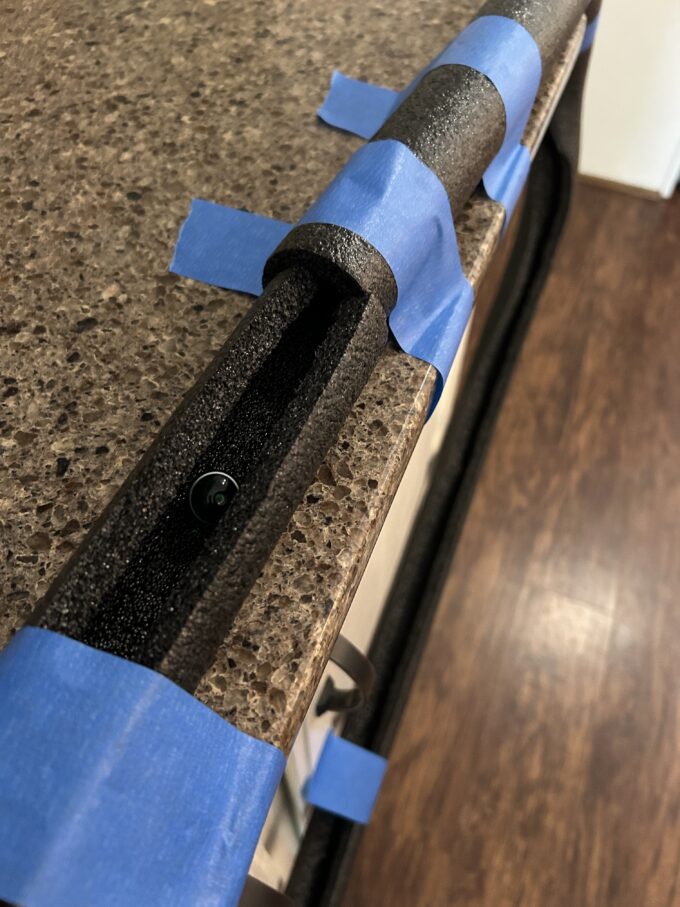
🔎 Challenge Ideas
Can you build a coaster with:
- More than one hill?
- A sharp turn?
- A steep drop?
- Multiple curves?
- A finish line target?
💡 STEM Tip
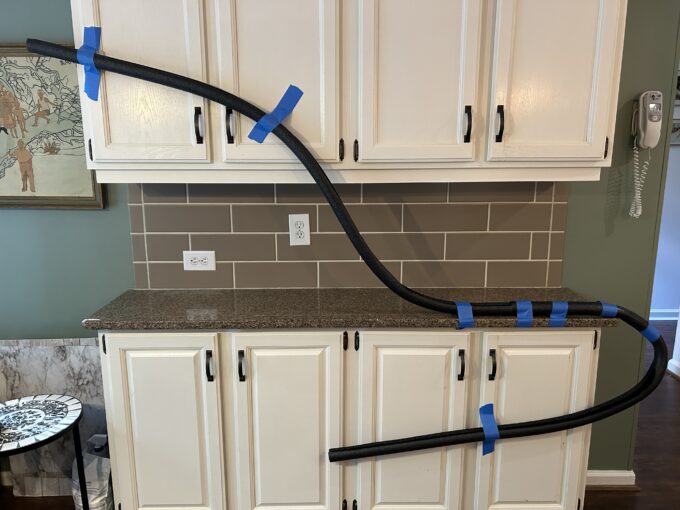
When we built our foam roller coaster, the kitchen quickly became our engineering lab! We taped sections of track to cabinets, chairs, countertops, and stools to create different starting heights and test how far the marble would travel.
Using everyday furniture is an easy way to create bigger drops, longer tracks, and more exciting energy investigations without buying additional supplies.
Safety Note: Use painter’s tape and always check that tracks are secure before releasing marbles.
Potential and Kinetic Energy in a Roller Coaster
A roller coaster is a perfect example of energy transfer.
The higher the marble starts, the more potential energy it has available to turn into motion. As the marble climbs hills and moves through curves, energy continues to transfer and change throughout the ride.
👉 Looking for more ways to explore energy? Check out our Potential and Kinetic Energy Activities for Kids.
The Science Behind A Marble Roller Coaster
Potential Energy
Potential energy is stored energy. The higher the marble starts, the more potential energy it has.
Kinetic Energy
Kinetic energy is the energy of motion. As the marble rolls, its kinetic energy increases.
Gravity
Gravity pulls the marble downward, helping it gain speed as it moves down the track.
👉 Learn more: Gravity for Kids here
Friction
Friction between the marble and the track slows the marble down. Engineers must account for friction when designing roller coasters and other transportation systems.
👉 Want to learn more about motion, forces, and energy? Explore our collection of force and motion activities here.
Marble Roller Coaster Energy Investigation
Turn your roller coaster into a science experiment!
- Question: How does the starting height affect the marble’s motion?
- Prediction: I think the marble will move fastest when _________________________ because _________________________.
- Test: Use the same roller coaster and test three starting positions: Low, medium, high
Observe
- Which starting height worked best?
- Which starting height gave the marble the most energy?
- Did the marble move faster from a higher position?
- What patterns did you notice?
Record your observations and compare results.
Think Like An Engineer
Engineers solve problems by designing, testing, and improving their ideas.
Ask yourself:
- What happens if the first hill is taller?
- What happens if the track is steeper?
- What happens if the turns are sharper?
- How can you keep the marble from leaving the track?
- What improvements would you make?
👉 This challenge is a great example of the Engineering Design Process in action.
👉 Explore more: Engineering Activities for kids here
Engineering Design Process
- Ask: How can I build a roller coaster that keeps the marble moving from start to finish?
- Imagine: Brainstorm possible solutions.
- Plan: Draw your roller coaster design.
- Create: Build your roller coaster.
- Test: Observe how the marble moves.
- Improve: Make changes and test again.
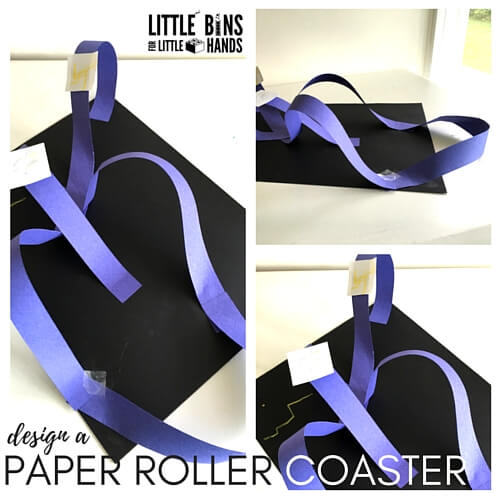
Design a Paper Roller Coaster
Kids will enjoy making a prototype paper roller coaster to get started. It’s a great way to kick off the engineering design process and talk about potential and kinetic energy.
Extend The Learning
Try changing one variable at a time:
- Starting height
- Length of track
- Number of hills
- Height of hills
- Marble size
- Track slope
Which change has the greatest effect on the marble’s motion?
More Marble Run Activities

Marble Roller Coaster FAQ
Why does a higher starting point make the marble move faster? A higher starting point gives the marble more potential energy. As the marble rolls downhill, that energy changes into kinetic energy.
Why does the marble stop before reaching the end? Friction, shallow slopes, and sudden track changes can slow the marble down.
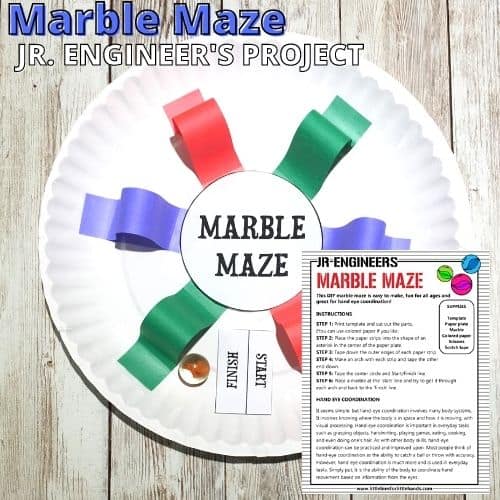
Can I build a roller coaster without cardboard tubes? Yes! Foam pipe insulation, cardboard strips, paper tracks, and other recycled materials work well.
What age is this activity best for? This activity works well for grades 2-6 with adult assistance as needed.
Is this a science experiment or an engineering challenge? It can be both. Build a roller coaster as an engineering challenge, or investigate how changes in variables affect the marble’s motion.
More Physics and Engineering Activities
Energy Activities
Force and Motion Activities
Explore More Physics
👉 From energy and motion to sound and engineering, discover dozens of hands-on Physics Experiments for Kids that make science fun and engaging.


Free Marble Roller Coaster Investigation
Want to take this activity further?
Download the free Marble Roller Coaster Investigation Lab to test how different starting heights affect a marble’s motion. Collect data, compare results, and explore potential and kinetic energy through hands-on learning.
Explore More Energy Activities
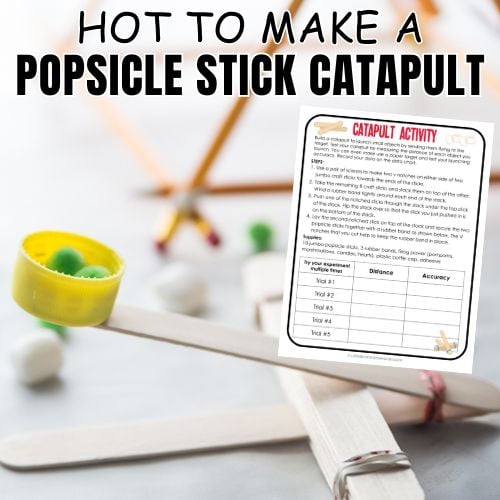
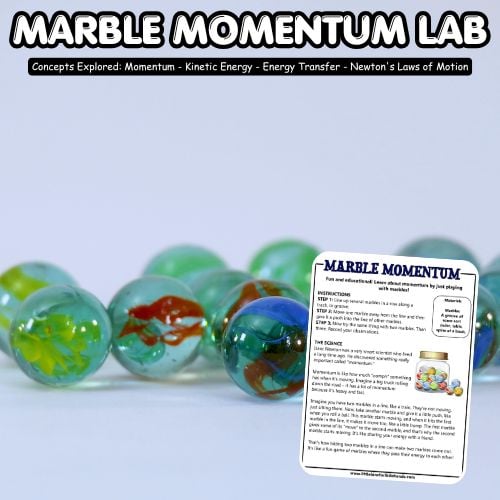
If your kids enjoyed this marble roller coaster challenge, they’ll love exploring catapults, balloon rockets, marble-momentum investigations, bouncing-ball experiments, and more.
Our Potential and Kinetic Energy resources make it easy to teach energy concepts through engaging STEM challenges and real-world applications.

Discover More Energy Investigations
From potential and kinetic energy to motion, momentum, and energy transfer, these printable investigations help kids think like scientists as they explore key physics concepts.