

Discover the fun of shadow puppet play with this engaging science activity! Our free shadow puppet templates make creating simple animal shadow puppets easy for an exciting exploration of light and shadows. Perfect for Groundhog Day or any time of the year, this activity combines hands-on learning with the science of shadows.
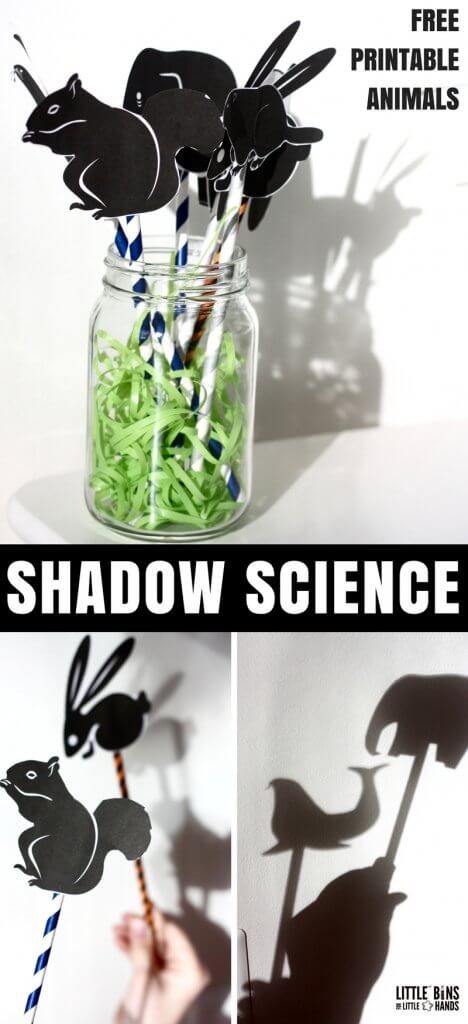
What Are Shadows? Simple Shadow Science
Shadows are everywhere! When an object blocks light, it creates a shadow—a dark area where light can’t reach. This activity will explore how shadows form, change, and interact with light sources. Whether using sunlight or a flashlight, shadows shift and transform based on the angle and distance of the light.
How to Make Simple Animal Shadow Puppets for STEM Exploration
Create your own animal shadow puppets with these easy steps and materials. Perfect for science centers, classrooms, or at-home learning, this hands-on project also introduces kids to basic physics concepts like reflection, refraction, and opaque materials.
Supplies:
💡 We used regular copy paper, but you can print them on card stock or laminate them!
- Printable Animal Cutouts (Get yours below)
- Straws, wooden skewers, or craft sticks
- Tape and scissors
- Light Source (Flashlight, Table Lamp, Sunlight)
- Light-Colored Wall or Surface (Posterboard or Cardboard)
Instructions:
- Cut out the animal shadow puppets from the printable template.
- Attach a straw or stick to the back of each cutout using tape.
- Experiment with shadows! Place your puppet in front of a light source and observe how the shadow changes based on the light’s position.
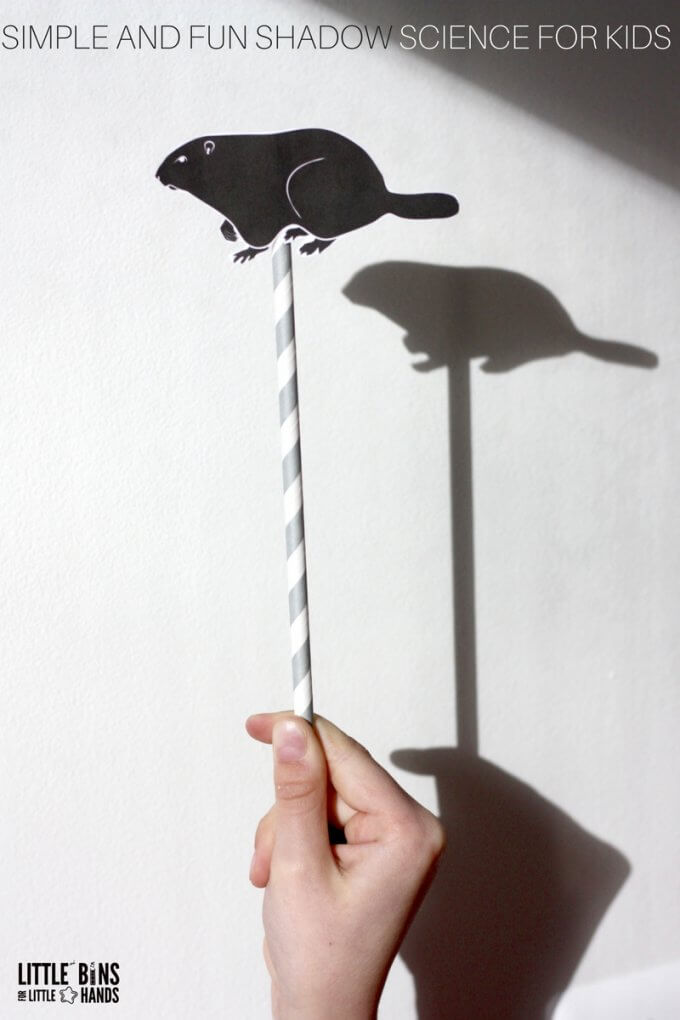
Fun Shadow Puppet STEM Experiments for Kids
This activity is a perfect way to integrate STEM learning with play. Try these variations to extend the shadow science experiment:
- Test different light sources: What happens when you use sunlight, a flashlight, or a table lamp? Which light creates the clearest shadows?
- Explore shadow lengths: Move the light closer or farther from the puppet. How does the size and shape of the shadow change?
- Compare transparent, translucent, and opaque materials: What happens when you shine light through different objects? Do all materials cast shadows?
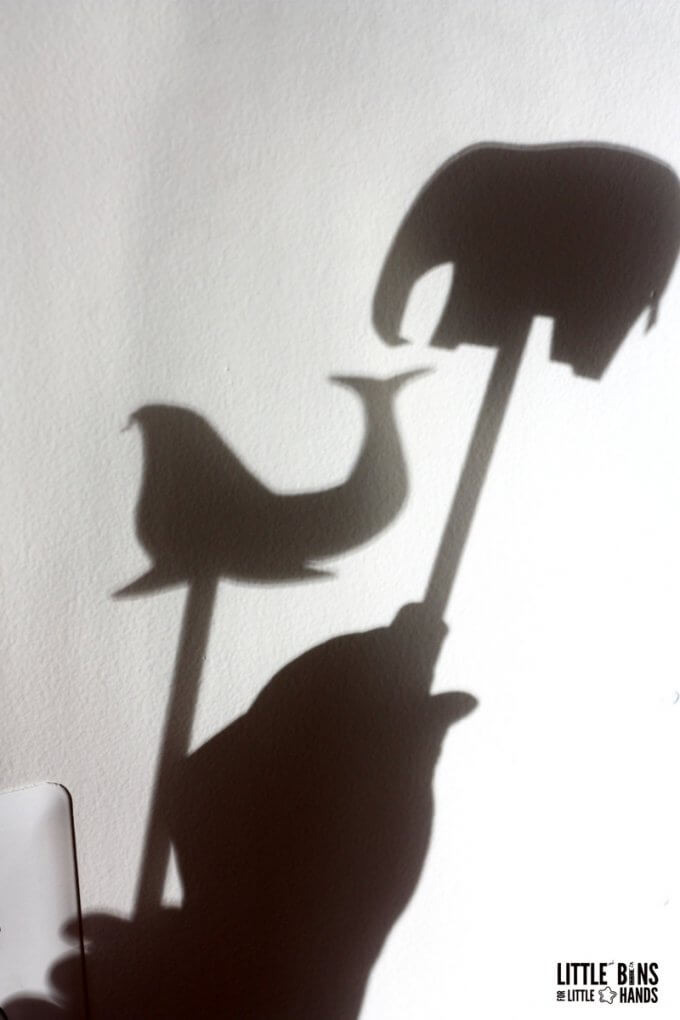
Groundhog Day STEM Activities and Beyond
Shadow puppet play is a great addition to Groundhog Day STEM activities, but it also works well for learning about diurnal and nocturnal animals. Try creating puppets of animals that are active during the day (diurnal) versus those active at night (nocturnal), and use them to teach kids about the day and night cycle.
Light and Shadow Exploration with Animal Puppets
Shadows change throughout the day as the angle of the sun shifts. Have kids investigate how shadows move by testing their puppets at different times of the day. Ask questions like:
- Why are shadows longer in the morning and shorter at noon?
- Can you make a shadow without sunlight?
- What materials create the clearest or darkest shadows?
- Grab the free light experiment pack too!

Bonus Light Experiments
Take your shadow exploration further with these additional STEM activities:
- Sundial Experiment: Use a paper plate to create a sundial and observe how shadows help track time.
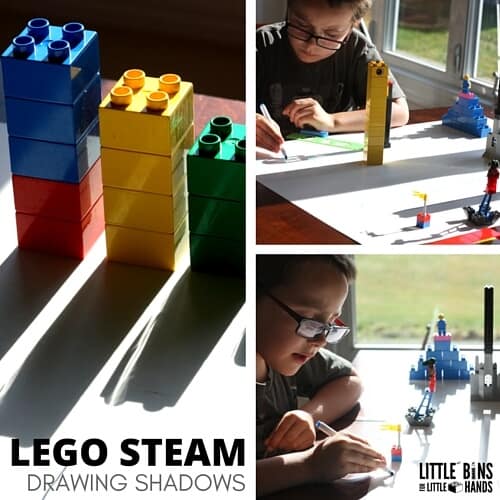
- LEGO Shadow Drawings: Position LEGO figures before a light source and trace their shadows onto paper.
- Shadow Puppet Theater: Adjust the light and puppet positions to create a moving puppet show, adding a storytelling element to your STEM exploration.
- Changing Shadows: Explore how shadows change at different times of the day with this fun outdoor activity.
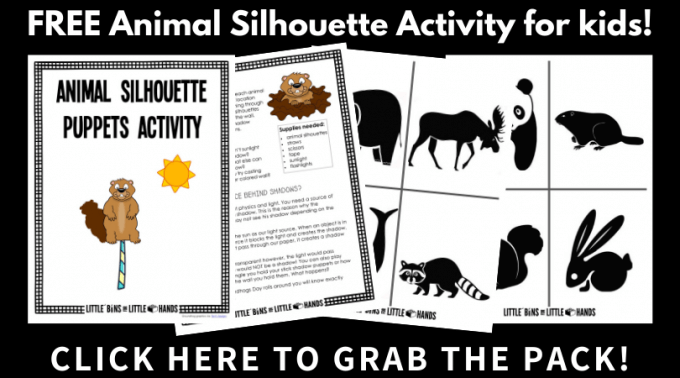
Get Your Free Animal Shadow Puppet Templates
Click below to download your free printable animal shadow puppets and start exploring the world of shadows!
The History of Shadow Puppets
Shadow puppetry is an ancient form of storytelling that dates back thousands of years! Originating in China more than 2,000 years ago, Chinese shadow puppets were used to entertain audiences and share folktales. Made from intricate, hand-carved leather or paper figures, these puppets were illuminated by a light source behind a screen, creating captivating shadow performances.
Shadow puppetry spread throughout Asia, particularly to Indonesia, Thailand, and India, where it became a beloved tradition in cultural ceremonies and performances. Today, shadow puppets are still used in traditional theater and modern performances, blending art, storytelling, and science.
By making your own shadow puppets, you’re continuing a time-honored tradition that spans centuries and cultures. Not only is this activity fun, but it also connects to the rich history of science and art through shadow play!
More Fun Ways To Explore Shadows
- Make these fun LEGO shadow drawings.
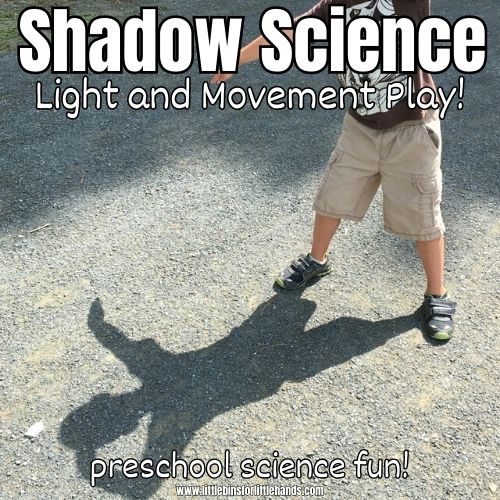
- Can you make shadows with your body?
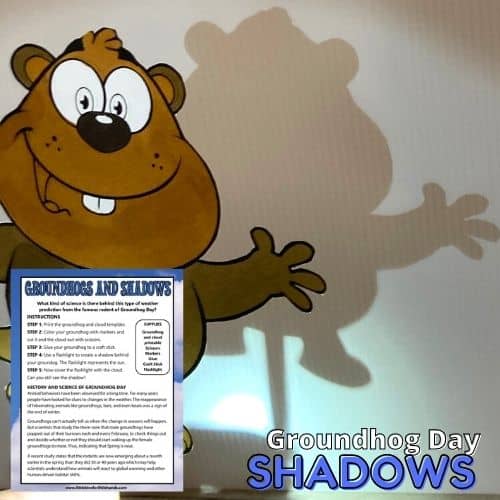
- Explore shadows with groundhog puppets.
- Make a sundial.
Helpful Science Resources
Here are a few resources that will help you introduce science more effectively to your kids or students and feel confident presenting materials. You’ll find helpful free printables throughout.
- Printable Science Project Pack
- Best Science Practices (as it relates to the scientific method)
- Science Vocabulary
- All About Scientists
- Free Science Worksheets
- DIY Science Kits
- Science Tools for Kids
- Scientific Method for Kids
- Citizen Science Guide
- Join us in the Club



2 Comments
Comments are closed.