

Winter can be harsh, but animals have unique adaptations to survive freezing temperatures. This fun and hands-on winter animal adaptations experiment explores how different materials mimic the insulating properties of animal adaptations, like fur, feathers, and blubber.

Winter Animal Adaptations Experiment
This experiment brings biology, winter adaptations, and survival strategies together while encouraging critical thinking and hands-on exploration. Try it out and discover how different animals survive the cold!
💡 Perfect for a winter-themed biology lesson that ties into hibernation, migration, and the winter food chain! It’s a fantastic hands-on activity in the classroom or at home.
Recommended Grade Level: 1st – 5th Grade
Materials Needed:
- 2 large bowls or containers
- Ice water
- Rubber gloves (optional for easy cleanup)
- Zip top bags
- Various insulating materials:
- Wool (represents animal fur) – use a wool glove or wool sock!
- Feathers (bird insulation) -use craft feathers or even bubble wrap to simulate how real feathers trap air for insulation
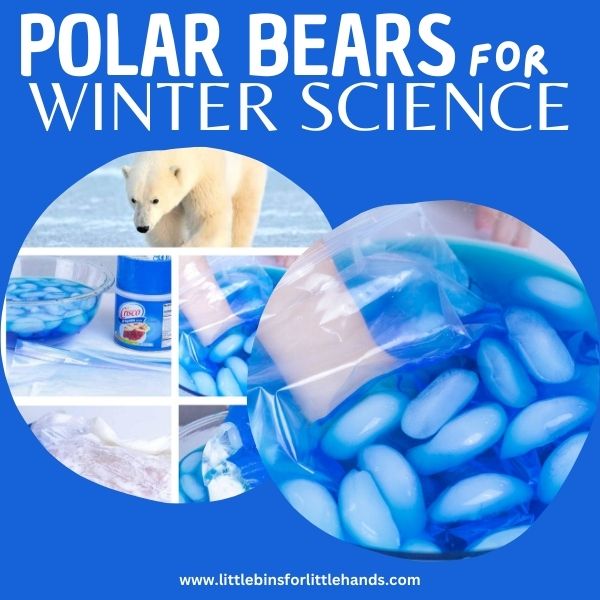
- Vegetable shortening (polar bear blubber simulation)
- Cotton (control, not naturally found on animals) – use a cotton sock or glove!
- Timer or stopwatch
- Notebook and pencil (for recording observations)
💡You can also explore this alternative insulation science experiment!
Winter Adaptation Experiment Steps:
Prepare the Ice Water: Fill one large bowl with ice water. This will simulate cold winter temperatures.
Create the Insulation Layers: Place each insulating material inside a separate rubber glove or bag. For the blubber test, coat a hand with vegetable shortening, then cover it with a plastic bag.
💡Learn more about the Polar Bear Blubber Experiment here.
To test the Insulation, submerge each insulated hand in ice water for 10-20 seconds. Then remove your hand and note the sensation: Which materials kept your hand warmest?
Repeat for Accuracy: Try different materials and compare results.
Record Observations: Use a simple chart to rank the effectiveness of each material. Rank the materials on a scale of 1-10!
How Do Animals Survive in the Winter?
Animals have different adaptations that help them survive cold conditions.
Fur, including an animal’s woolly coat, traps air and slows heat loss. Arctic foxes grow thicker coats for winter. Feathers trap insulating air close to birds’ bodies.
Blubber, a thick layer of fat beneath the skin, helps animals such as seals and whales retain body heat in cold water. In this investigation, wool, feathers, and vegetable shortening model these types of insulation.
Dry cotton provides another material to compare. These materials slow heat transfer; they do not create heat.
Discussion Questions:
- Which material provided the most warmth?
- Why do aquatic animals rely on blubber instead of fur?
- How do humans use insulation in winter clothing?
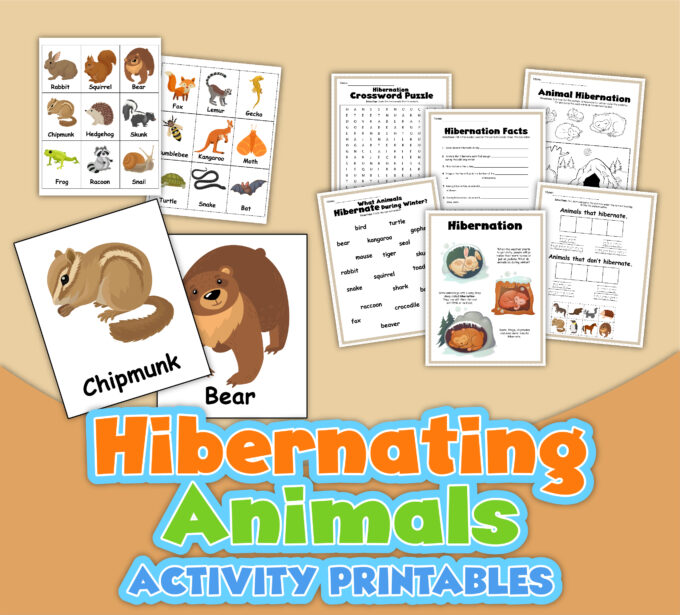
- What other survival strategies do animals use, such as camouflage or hibernation?
Adaptation Extension Activities:
💡Learn more about Animal Adaptations year round here. Create these printable animal crafts to accompany your lessons and decorate a door or wall!
- Research how arctic animals like weasels, raccoons, deer, and snowshoe hares stay warm.
- Compare with human-made winter clothing materials.
- Explore winter food sources and predator-prey relationships in different habitats.




Printable Winter STEM Pack
Even if you don’t live in a snowy winter climate, there are many ways to explore the season!
WHAT’S INSIDE? You’ll find 250+ Pages of Winter theme projects for STEM!