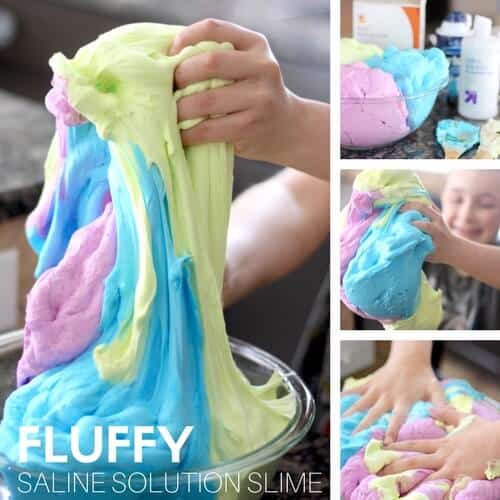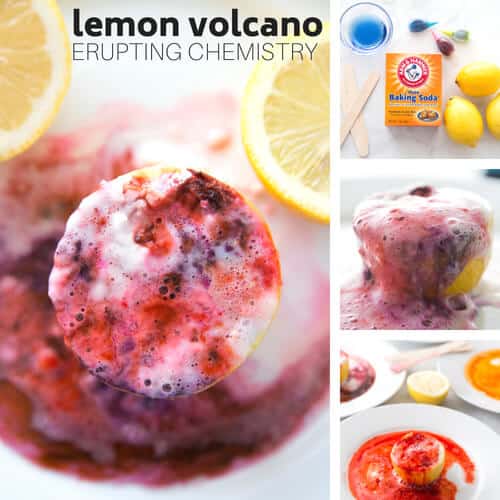

Chemistry is a big science, so scientists divide it into different branches. Each branch of chemistry focuses on a specific type of matter or chemical process. This helps us to understand better how the world works.

What Are the Branches of Chemistry?
The branches of chemistry are specific areas of study within the field. Each branch examines matter and chemical changes in a slightly different way.
Together, these branches help scientists solve problems, invent new materials, and understand everything from food and medicine to the environment.
💡 In this guide, you will learn about the main branches of chemistry, what each one studies, and see a simple experiment or two. These experiments connect to the broader field of chemistry in simple, hands-on ways.
Many chemistry experiments connect to more than one branch of chemistry—and that’s exactly how real scientists work.
Organic Chemistry
Organic chemistry is the study of carbon-based substances, especially those found in living things. These substances are found in plants, animals, and people.
NGSS Focus: Students explore how carbon-based substances found in living things can undergo chemical changes that produce new materials or gases.
Try it:
👉 Bread in a Bag Experiment: This activity shows how yeast produces gas through a chemical process involving carbon-based molecules.
👉 Gummy Bear Osmosis Experiment: This demonstration shows how organic molecules interact with water in living systems.
Inorganic Chemistry
Inorganic chemistry focuses on substances that are not primarily carbon-based, including metals, minerals, and salts.
NGSS Focus: Students investigate the properties of non-living materials and observe how inorganic substances can change form through physical processes.
Try it:
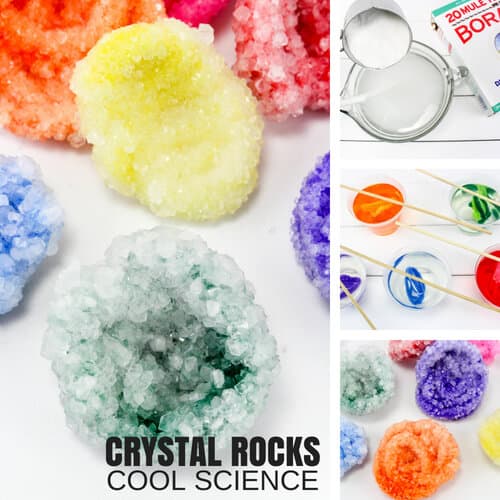
👉 Growing Borax Crystals: This demonstration explores how an inorganic compound dissolves in hot water and forms solid crystal structures as the solution cools.
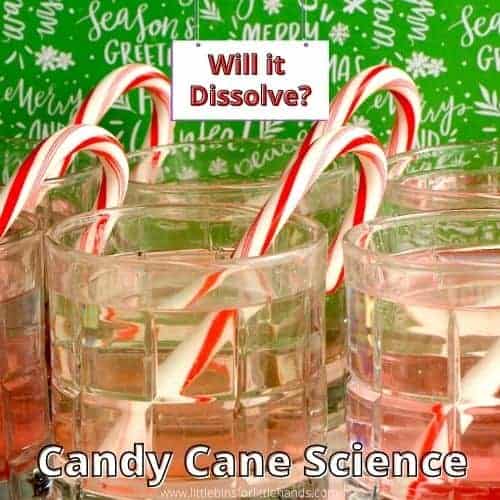
👉 Dissolving Sugar Candy Canes: This experiment explores solubility and crystallization in non-living materials.
Physical Chemistry
Physical chemistry looks at how matter behaves and how energy is involved in chemical reactions. It combines ideas from chemistry and physics.
NGSS Focus: Students examine how energy transfer and temperature changes affect matter during physical changes.
Try it:
👉 Ice Cream in a Bag or freezing point depression: This activity demonstrates energy transfer and freezing point depression during a physical change.
👉 Melting Ice Experiment (Ice Race): This experiment compares how different materials affect heat transfer and melting rates.


Analytical Chemistry
Analytical chemistry is all about identifying what substances are made of and how much of each substance is present.
NGSS Focus: Students use observations and simple tests to identify and compare properties of different substances.
Try it:
👉 Red Cabbage pH Indicator Experiment: Kids use color changes to identify whether substances are acidic or basic.
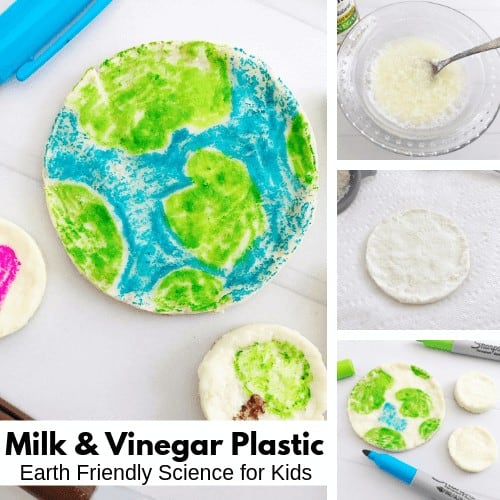
👉 Milk and Vinegar Plastic: This demonstration helps identify changes in material properties through testing and observation.

Biochemistry
Biochemistry studies the chemistry of living things. It focuses on the chemical processes that happen inside plants, animals, and humans.
NGSS Focus: Students explore how chemical reactions inside living organisms help provide energy needed for growth and survival.
Try it:
👉 Yeast and Sugar Experiment: This activity shows how living organisms use chemical reactions to produce energy.
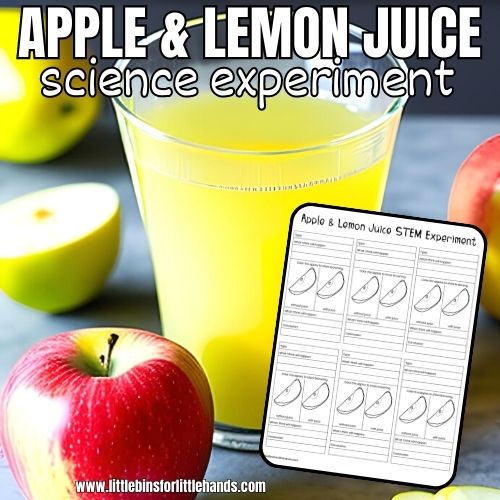
👉 Apple Browning Experiment: This demonstration investigates how exposure to oxygen causes visible changes.

How the Branches of Chemistry Work Together
The branches of chemistry often overlap. Scientists frequently use ideas from multiple branches to solve problems. For example:
- Medicine uses organic chemistry and biochemistry
- Environmental science uses analytical and inorganic chemistry
- Food science uses physical chemistry and organic chemistry
Chemistry closely connects with other scientific fields. If you’re interested in studying microorganisms like bacteria and mold, explore our Microbiology Experiments for Kids collection for hands-on activities focused on microscopic life.
Try More Hands-On Chemistry Experiments
These example activities are just a starting point. Kids can explore ideas from all branches of chemistry through hands-on experiments using simple materials at home or in the classroom.
👉 Explore our chemistry experiments for kids to see these concepts in action.
Printable Chemistry Guide
Grab this free chemistry guide and bookmark fantastic science experiments to get started with today.
Frequently Asked Questions About the Branches of Chemistry
What are the five main branches of chemistry?
The five main branches of chemistry are organic chemistry, inorganic chemistry, physical chemistry, analytical chemistry, and biochemistry.
Which branch of chemistry studies living things?
Biochemistry studies the chemical processes inside living things.
Is chemistry complex for kids to learn?
Chemistry is easier for kids to understand when concepts are explained simply and explored through hands-on activities.
More Hands-On Science Activities
Looking for more ways to explore science with kids? Try these related collections:
- Water Science Experiments
- Physics Experiments for Kids
- Science Experiments Using Household Items
- Easy Science Experiments for Elementary Students
Printable Science Packs for Kids
Visit our SHOP for easy-to-print STEM and science lesson plans for the whole year. Or join us in the Little Bins Club.