

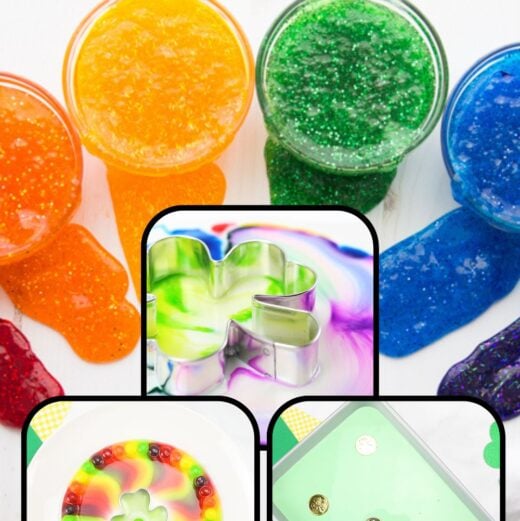
Celebrate the holiday with hands-on St Patrick’s Day science experiments that explore chemistry, crystal growth, density, plant science, and states of matter. These easy experiments use simple household supplies and help kids observe fizzing reactions, grow crystals, and create colorful rainbows while learning real scientific concepts.
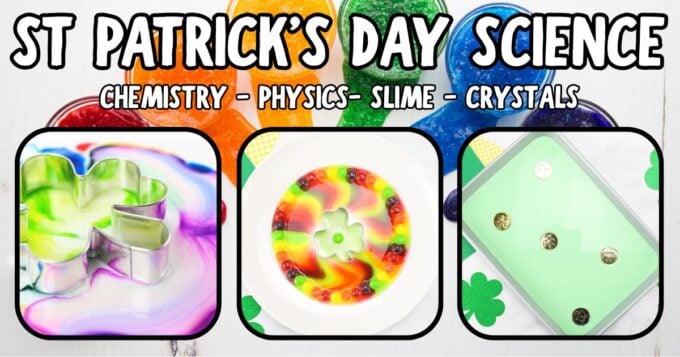
Holiday science experiments are a fun way to introduce observation, prediction, and cause-and-effect. Kids can see chemical reactions happen, test how liquids behave, and watch crystals form right before their eyes.
👉 Looking for building and engineering challenges, too? Explore our full collection of St Patrick’s Day STEM activities for kids.
Download the free printable STEM guide below to extend learning.
St Patrick’s Day Chemistry Experiments
Chemistry experiments allow kids to observe chemical reactions, mixtures, and changes in matter. Many classic St Patrick’s Day activities involve colorful reactions and fizzing chemical changes.
👉 Explore more hands-on chemistry experiments for kids to continue learning year-round.
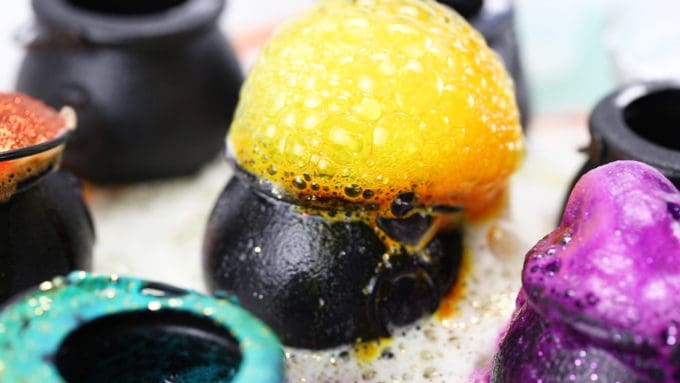
Try these St Patrick’s Day chemistry experiments:
Leprechaun Toothpaste Experiment
This exciting foaming reaction produces gas and heat, making it an example of an exothermic reaction. Kids can observe how combining ingredients creates a completely new substance.
Fizzing Rainbow Pots Experiment
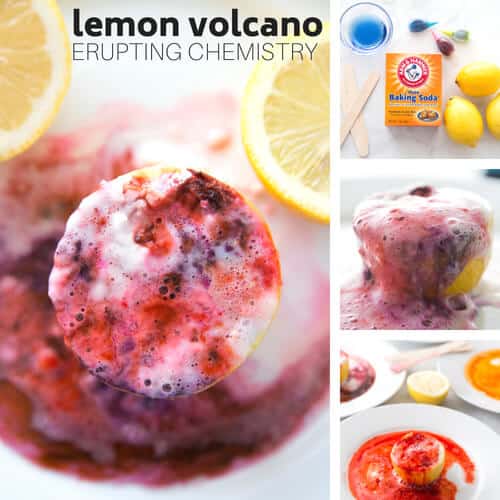
Combine baking soda and vinegar to create bubbling rainbow reactions. This demonstrates acid-base reactions and carbon dioxide gas production.
Magic Milk Shamrock Experiment
Dish soap breaks surface tension, causing food coloring to rapidly spread through milk. This experiment demonstrates how molecules interact in liquids.
Rainbow Skittles Experiment
Watch the colored sugar coating dissolve and spread through water. This activity introduces dissolving and diffusion.
Green Pennies Experiment
Use vinegar and salt to clean dull pennies while learning about oxidation and chemical reactions.
Crystal Growing Experiments
Crystal growing is one of the most popular St Patrick’s Day science activities. Crystals form when dissolved solids precipitate as water evaporates.

👉 Explore crystals for kids.
Crystal Shamrocks
Grow crystals overnight on a pipe cleaner shamrock and observe crystal formation.
Rainbow Crystal Experiment
Create colorful crystal structures and observe how crystals grow into repeating patterns.
These experiments help kids understand solutions, evaporation, and crystal formation.
Density and Water Science Experiments
Density and water experiments help kids understand how liquids behave and how water moves through materials.
Walking Rainbow Paper Towel Experiment
Create a colorful walking rainbow using markers, water, and paper towels. As the water travels upward and across the paper towel, a rainbow appears.
This experiment demonstrates capillary action, which is how water moves through small spaces. Capillary action allows water to travel through plant stems and other porous materials—even against gravity.

Rainbow in a Jar Density Experiment
Layer colored sugar-water solutions or other liquids to create a rainbow while learning how density affects liquid behavior.
Kids can observe that heavier liquids sink to the bottom while lighter liquids float on top.
👉 Explore more rainbow science experiments for kids here
Plant Science Experiment
Plant science experiments demonstrate how water moves through plants.
Color Changing Flower Experiment
Place white flowers in colored water and observe how the color travels from the water through the stem into the petals. This demonstrates capillary action and how plants transport water.

States of Matter and Physical Science Experiments
These activities help kids explore solids, liquids, and unusual material properties.
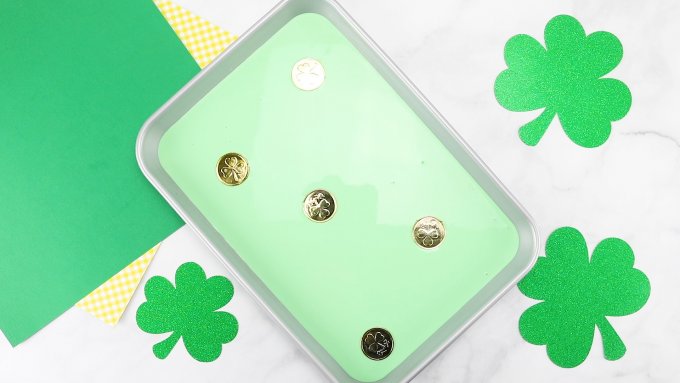
👉 Explore more hands-on physics experiments for kids.
Leprechaun Ice Melt Experiment
Freeze small objects in water and observe how ice melts. Test ways to speed up melting.
St Patrick’s Day Oobleck Experiment
Oobleck behaves like both a solid and a liquid depending on pressure. Kids can explore how materials respond to force.
Rainbow Prism Experiment (How Rainbows Are Formed)
Have you ever wondered how real rainbows form in the sky? A prism experiment helps kids understand how white light separates into a spectrum of colors.
These experiments introduce physical properties and material behavior.
St Patrick’s Day Slime Science
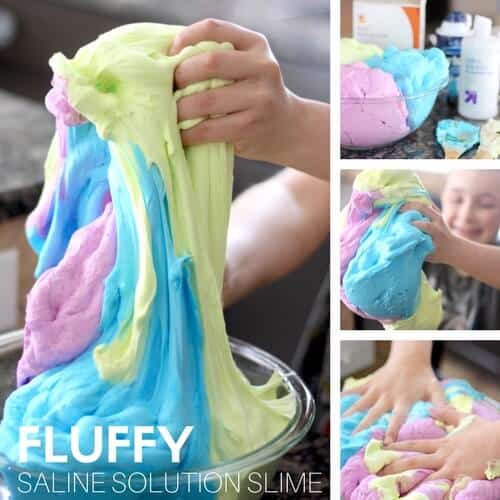
Slime is a fun way to explore polymer chemistry. When slime forms, molecules link together to create a flexible material with unique properties.

Try these themed slime experiments:
• Shamrock slime
• Gold glitter slime
• Rainbow slime
👉 Explore more slime projects and recipes for kids.
Turn These Experiments Into a Science Project
You can turn any of these activities into a real investigation using the scientific method for kids. Scientists ask questions, test ideas, and observe results.
Try changing one variable:
• amount of baking soda or vinegar
• temperature of liquids
• concentration of solutions
• crystal growing time
Encourage kids to:
• make a prediction
• test their experiment
• record observations
• compare results
This helps kids understand how scientists conduct experiments.
Free Printable St Patrick’s Day Science Activities
Download the free printable STEM guide and challenge cards to extend learning.
Explore More STEM and Science Activities
Continue learning with hands-on projects across STEM fields:
• Explore St Patrick’s Day STEM activities for kids
• Discover more chemistry experiments for kids
• Try hands-on physics experiments for kids
• Learn the scientific method for kids
St Patrick’s Day Science Experiments FAQ
What is the easiest St Patrick’s Day science experiment?
The rainbow Skittles experiment, crystal shamrocks, and baking soda reactions are easy to set up using common supplies.
What age group are these experiments best for?
These experiments work well for preschool through elementary school, with older students able to explore deeper scientific explanations.
What science concepts do these experiments teach?
Kids learn chemistry, density, plant science, crystal formation, and states of matter.
Can these experiments be used in classrooms?
Yes. These activities use inexpensive materials and work well for classroom science lessons and STEM centers.

Printable St Patrick’s Day STEM Pack
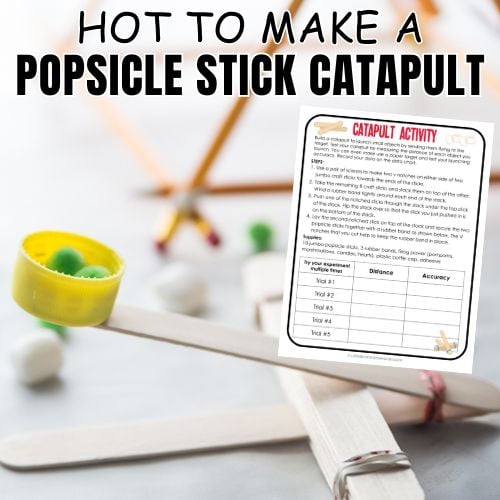
Make planning easy with this ready-to-use STEM pack of hands-on science experiments and engineering challenges. Kids can grow crystal shamrocks, launch leprechaun catapults, explore fizzing chemistry reactions, and complete fun STEM design challenges—all with simple supplies.

7 Comments
Comments are closed.