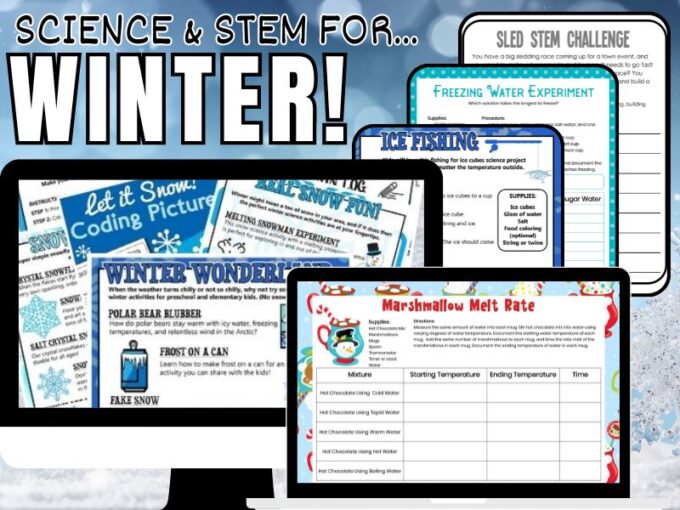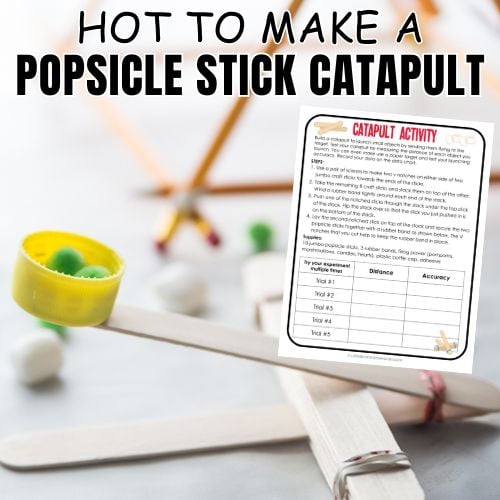

Winter is here, and snow is piling up—can you design a snow shovel strong enough to tackle the job? In this exciting snow shovel STEM challenge, kids will become junior engineers and use simple materials to build a snow shovel prototype.

Snow Shovel STEM Challenge
Shovels are essential for moving snow, dirt, or even sand. But have you ever stopped to think about what makes a shovel effective? In this STEM challenge, students will design, build, and test a snow shovel prototype using materials they can find around the house.
Kids will explore the engineering design process, learn about material properties, and discover how simple machines like levers make work easier.
Grade Level: 2nd–5th Grade
Time Frame: 45–60 minutes
Key Concepts: Engineering Design Process, Simple Machines, Material Properties
Supplies:
- Printable template (optional)
- Straws
- Tape
- Scissors
- Cardstock
- Wooden craft sticks
- Cups
- Plastic spoons or forks
- Rubber bands
- Small cardboard pieces
- Glue
- String
Optional: Cotton balls, flour, pebbles, paper balls, sand for testing materials. Make our fake snow!
💡 Note: There are endless ways to make a snow shovel, but we’ve also included a handy template and instructions in the free printable below if you need a starting point!

Snow Shovel STEM Challenge Instructions
This hands-on activity combines problem-solving, creativity, and engineering fun, from brainstorming designs to testing their creations!
Brainstorm & Plan (10 minutes)
- Ask: What will your shovel need to do? Should it scoop, lift, or push?
- Imagine: Think about the shapes and designs of real snow shovels. How do they handle heavy loads?
- Plan: Sketch your design on the DIY Shovel Observations Worksheet. Think about the handle, scoop, and how the pieces will connect.
Build Your Shovel (20 minutes)
- Use the materials to build your shovel prototype.
- Focus on creating:
- A sturdy handle for gripping.
- A strong scoop for holding materials.
- Secure connections with tape or glue.
- Experiment with angles and shapes to make your shovel effective.
Test Your Design (10 minutes)
- Test your shovel using different materials: cotton balls, flour, paper balls, or pebbles.
- Observe how well your shovel picks up and moves each type of material.
- Take notes on what works well and what doesn’t.
Improve Your Design (10 minutes)
- Reflect on your initial design.
- Ask:
- Did your shovel hold up under the weight of test materials?
- Did it scoop effectively?
- Make adjustments to improve your shovel’s performance.

Reflection & Discussion:
- Did your first design work?
- What were some challenges you discovered along the way?
- What materials worked best for building and shoveling?
- How could your design be improved for real snow?
Use the DIY Shovel Observations Worksheet to record your answers and final design sketch.
💡Learn more about Questions for Reflection here (free printable included).
Snow Shevel STEM Connection
Material Properties:
Every material has different properties that determine its usefulness for specific tasks.
- Plastic: Lightweight and flexible, but may break under heavy weight.
- Cardstock: Sturdy, but not waterproof.
- Wooden Craft Sticks: Strong but not very flexible.
- Tape & Glue: Help materials stick together but may lose strength over time.
Ask students:
- Why do you think real shovels are often made of metal or heavy-duty plastic?
- Which materials worked best for your shovel, and why?
💡Learn more about Material Properties here (free printable included).
Simple Machines: Levers
A shovel is an example of a lever, one of the six types of simple machines.
- The handle acts as the lever arm.
- The scoop acts as the load.
- Your hand gripping the handle acts as the force.
Ask students:
- How does the length of the handle affect how much force you need to lift materials?
- Could changing the angle of the scoop improve your shovel’s performance?
💡 Learn more about Simple Machines and Levers here (free printable included).
STEM Challenge Extension Activities:
- Snow Transport Challenge: Build a device to transport “snow” across a set distance.
- Durability Test: Test how many scoops your shovel can handle before breaking.
- Seasonal Adaptation: Design a shovel for wet sand or dry leaves.
Free Printable Winter Engineering Challenge

More STEM Challenges to Explore
💡 Can’t get enough STEM? Explore all of our STEM activities here!
- Paper Grabber STEM Challenge
- Winter STEM Challenge Cards
- Real World STEM Projects
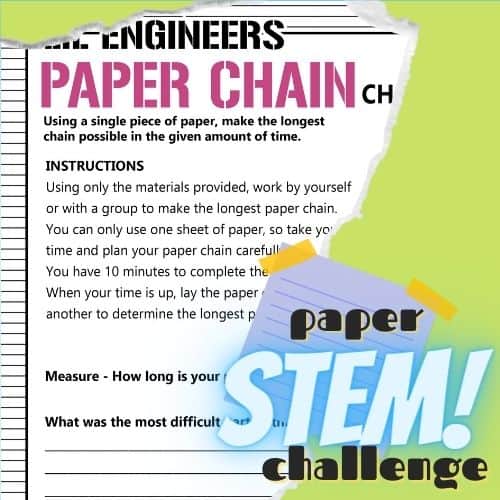
- Paper Chain STEM Challenge
- STEM Worksheets
- Ice Melt STEM Challenge
- Snowball Launcher STEM Challenge


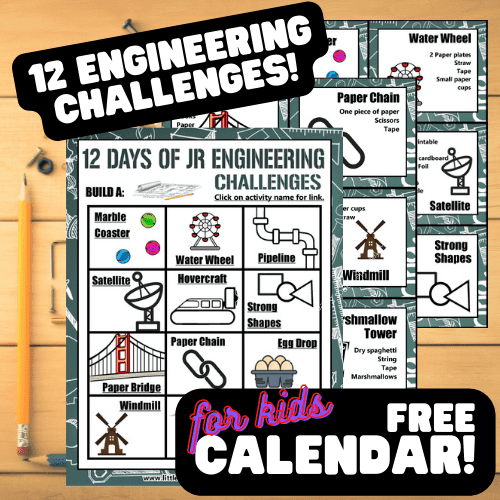


Printable Winter STEM Pack
Even if you don’t live in a snowy winter climate, there are many ways to explore the season!
WHAT’S INSIDE? You’ll find 200 Pages of Winter theme projects for science, STEM, and art!
- 25+ winter science activities and STEM projects for kids that are easy to set up and fit into the time you have available, even if it’s limited! NEW: Activity observation sheets.