
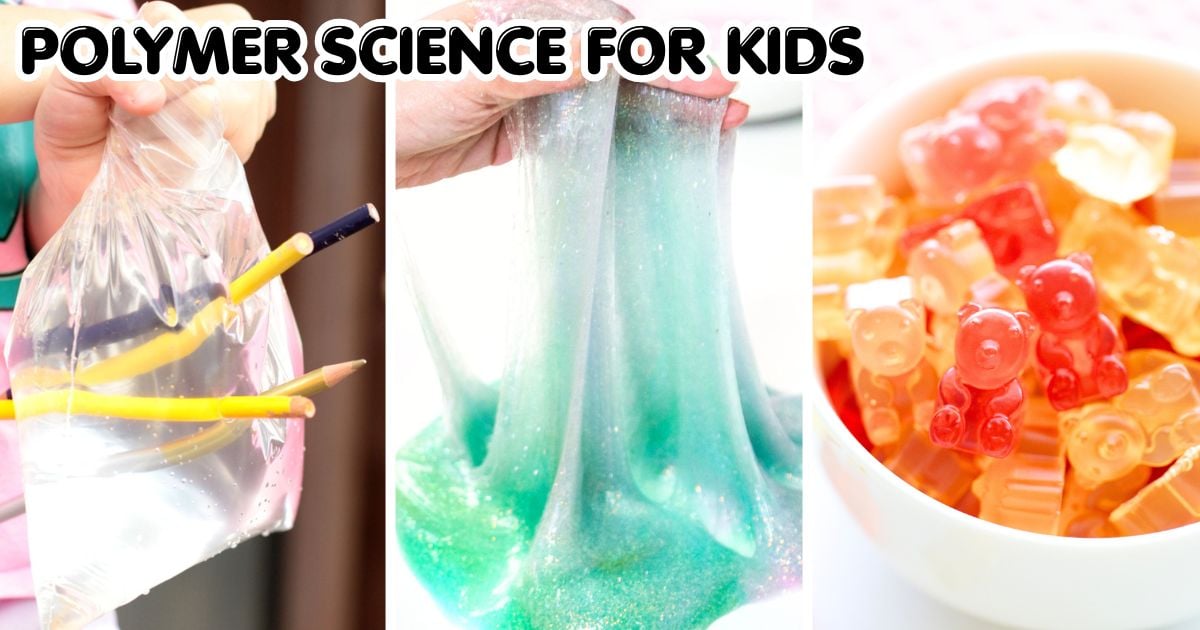
Why does slime stretch without breaking? Why do rubber bands snap back into shape? Why can a plastic bag bend without tearing?
The answer is polymers!
Polymers are some of the most common materials on Earth. They are found in slime, balloons, plastic bottles, silicone kitchen tools, clothing fibers, and even inside living things. Learning about polymers helps kids understand why materials stretch, bend, bounce, flow, and change shape.
👉 Whether you’re exploring slime science, kitchen chemistry, or materials science, polymers provide an exciting hands-on way to connect chemistry concepts to everyday life.
The Science Behind It
Field: Chemistry—Matter & Materials Science
Grades: K–5
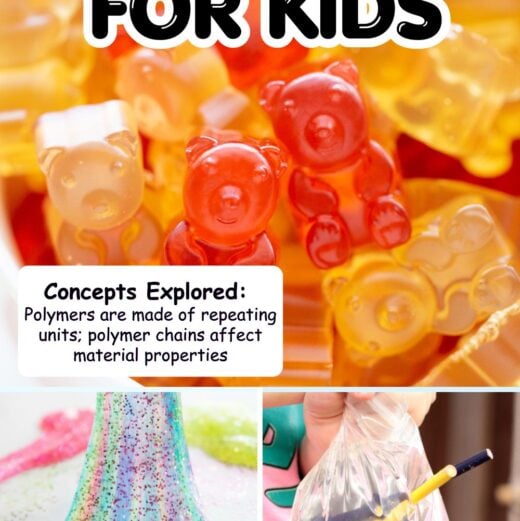
Concepts Explored: Polymers are made of repeating units; polymer chains affect material properties; polymers can be natural or synthetic; polymers can stretch, bend, bounce, or flow; slime demonstrates polymer behavior through elasticity and cross-linking.
What Is a Polymer?
A polymer is a material made of many small repeating parts connected together into long chains.
The word polymer comes from two Greek words:
- Poly means many.
- Mer means parts.
Think of a polymer like a very long paper chain. Each link represents a small building block, and together those links form a larger chain.
These long chains give polymers special properties that allow them to:
- Stretch
- Bend
- Twist
- Bounce
- Squish
- Return to shape
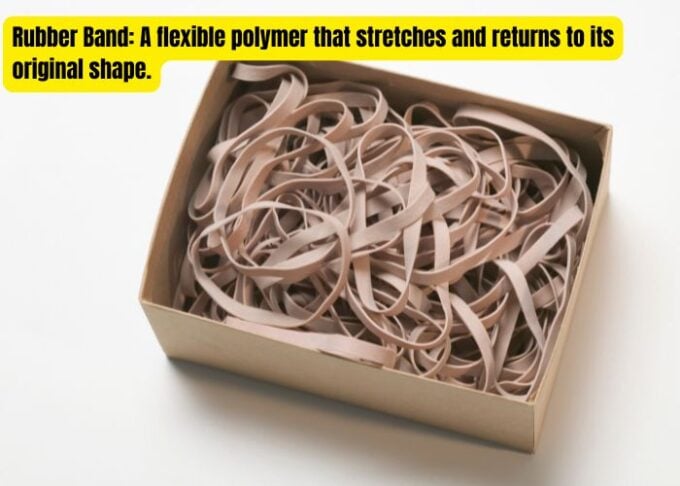
Some polymers, like rubber bands, are soft and flexible, while others are tough and durable.
What Is a Monomer?
The small building blocks that make up a polymer are called monomers.
Think of a monomer as a single LEGO brick. When many LEGO bricks connect together, they create a larger structure. In the same way, many monomers join together to form a polymer.
Scientists create different materials by changing how these building blocks connect together.
Slime Science and Polymers
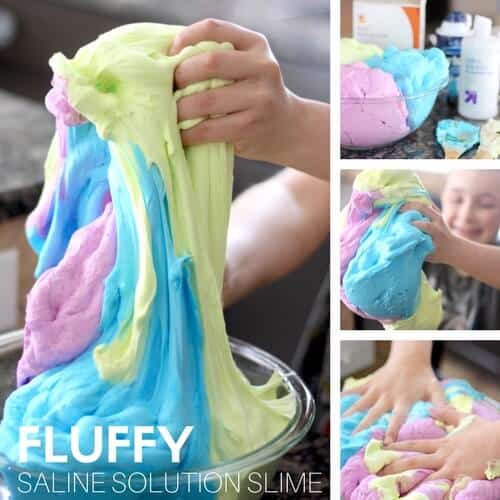
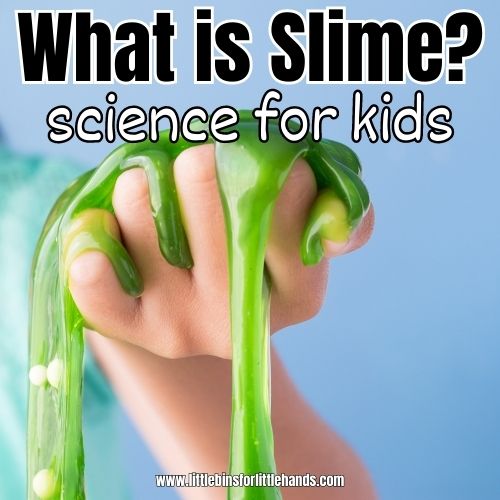
Slime is one of the easiest ways to explore polymer science because kids can actually see and feel polymer behavior.
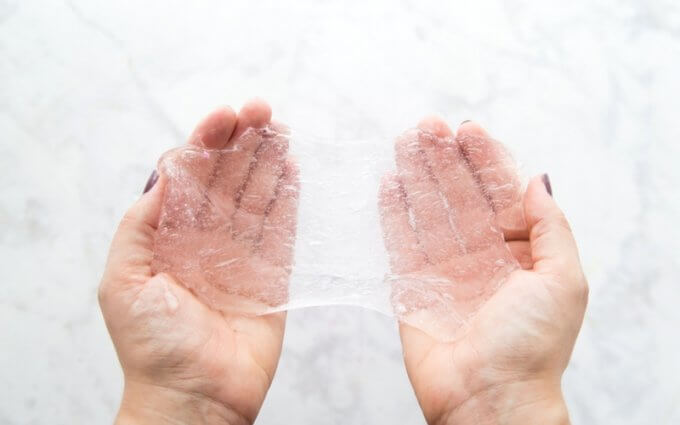
When slime forms, long polymer chains become connected to one another. These connections create a stretchy material that behaves differently from a normal liquid or solid.
- Stretch the slime slowly, and it flows.
- Pull the slime quickly, and it may tear.
- Bounce slime, and it can act almost like a solid.
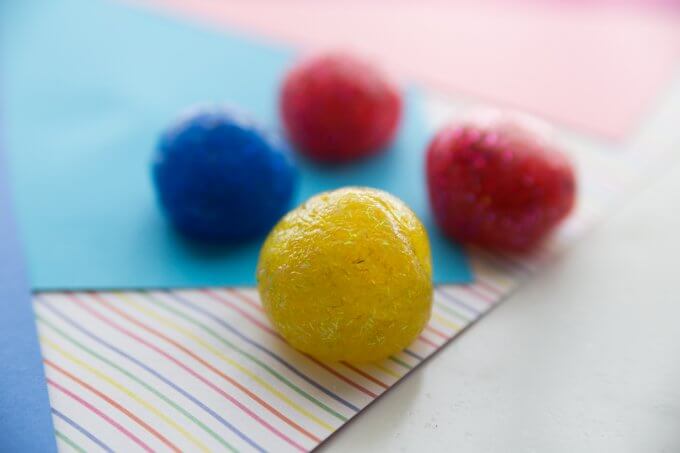
Different slime recipes create different polymer properties.
- Clear Slime
- Fluffy Slime
- Butter Slime
- Cloud Slime
- Gelatin Slime
- Fake Snot Slime
💡 Comparing slime textures is a simple way to observe how changes in ingredients affect material properties.
Natural and Synthetic Polymers
Some polymers occur naturally, while others are made by people.
Natural Polymers
- DNA
- Proteins
- Wool
- Silk
- Natural Rubber
Synthetic Polymers
- Plastic
- Nylon
- Polyester
- Silicone
- Slime
💡 Both natural and synthetic polymers help create materials with useful properties.
Food Polymers

Kids are often surprised to learn that polymers are found in foods and living things too.
Examples include:
- Gelatin
- Gummy candy
- Marshmallows
- Bread dough
- Proteins
- DNA
Food polymers help create textures that can stretch, jiggle, bounce, or hold their shape.
Try these food polymer activities:
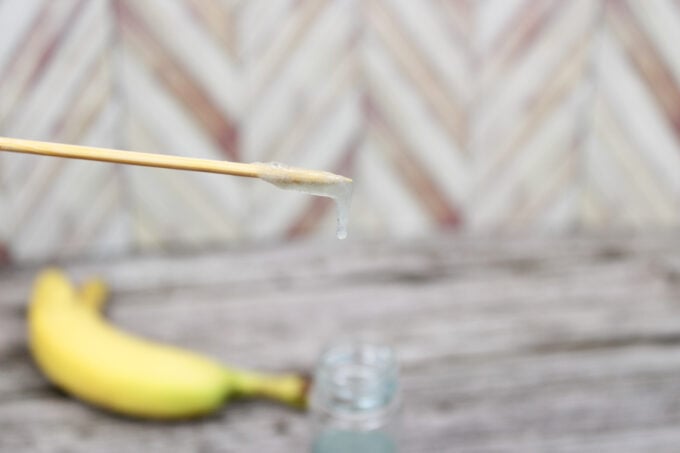
- Banana DNA Extraction
- Gelatin Slime
- Fake Snot
- Homemade Gummy Bears
- Gummy Bear Growth Lab
- Strawberry DNA Extraction
- Bread in a Bag
Polymers in Everyday Life
Once you know what polymers are, you’ll start noticing them everywhere.
Polymers are found in:
- Plastic bottles
- Food containers
- Balloons
- Clothing
- Rubber tires
- Kitchen tools
- Sports equipment
- Electronics
- Medical supplies
| Material | Polymer Property |
|---|
| Rubber Band | Stretches and returns to shape |
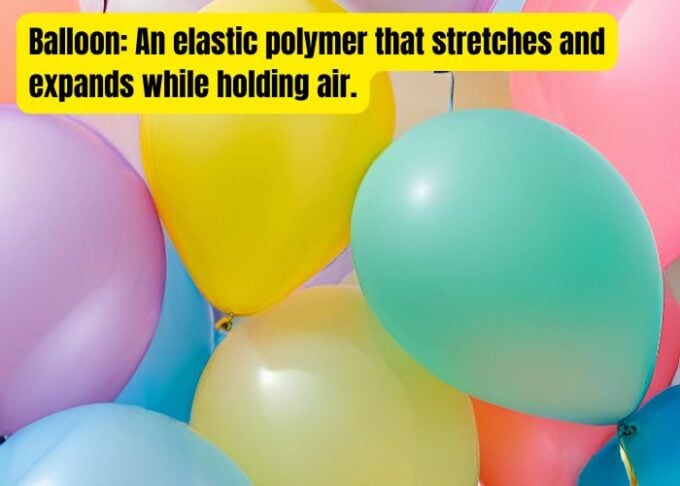
| Balloon | Stretches and expands |
| Slime | Stretches and flows |
| Plastic Bag | Flexible and durable |
| Sponge | Compresses and absorbs |
Scientists and engineers use polymers to create materials with specific properties such as flexibility, durability, strength, softness, and water resistance.
Many products would not exist without polymers because these materials can be engineered to be lightweight, waterproof, stretchy, strong, or long-lasting.
🔎 Polymer Investigation for Kids
Scientists study polymers by testing how different materials stretch, bend, bounce, absorb water, and return to shape. Try this simple investigation to explore the properties of polymers using everyday materials.
Supplies
- Rubber band
- Balloon
- Plastic bag
- Sponge
- Slime
Question
Which polymer material shows the most stretch, flexibility, or elasticity?
Make a Prediction
Which material do you think will stretch the farthest? Which will return to its original shape the best?
Test the Materials
Stretch, squeeze, bend, and compare each material.
Observe
- Which material stretches the farthest?
- Which material returns to shape fastest?
- Which material feels strongest?
- Which material feels softest?
- Which material changes shape most easily?
What Happened?
Although these materials are all polymers, their polymer chains are arranged differently. Those differences affect how the materials stretch, bend, bounce, and recover.
Take It Further
Try changing one variable:
- Compare different slime recipes.
- Test warm versus cold slime.
- Compare different types of rubber bands.
- Measure how far materials stretch.
- Record which polymers return to shape the fastest.
💡 Just like materials scientists, you’ll discover that different polymers have different properties depending on how their polymer chains are arranged.
Why Do Polymers Stretch?
Many polymers stretch because their long chains can move when force is applied.
- Some chains slide past one another.
- Some chains tangle together.
- Others form networks that help them bounce back into shape.
The arrangement of these chains affects how a material behaves.
This is why:
- Rubber bands stretch and snap back.
- Slime stretches and slowly flows.
- Plastic bags bend without breaking.
- Silicone tools remain flexible.
The structure of a polymer determines its properties.
Polymer Activities for Kids
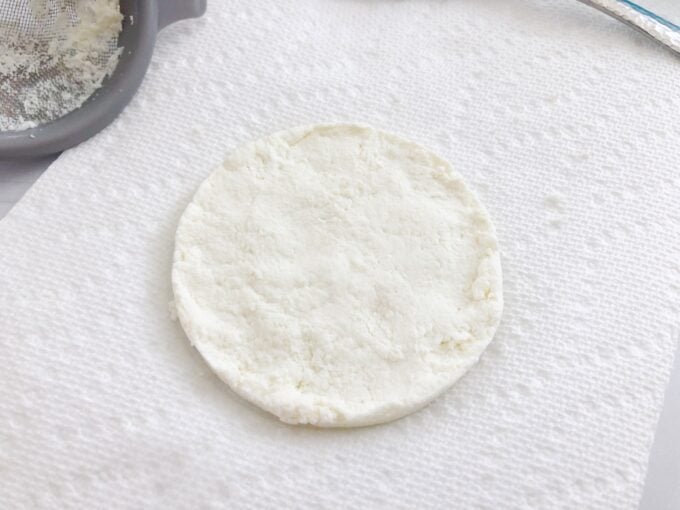
The best way to learn about polymers is through hands-on investigations. Explore how polymers stretch, bounce, absorb water, flow, and change shape with these fun activities.
Polymer Experiments
- Plastic Milk Experiment
- Bioplastic Experiment
- Homemade Bouncy Ball
- Pencil Through a Bag
- Guar Gum Slime
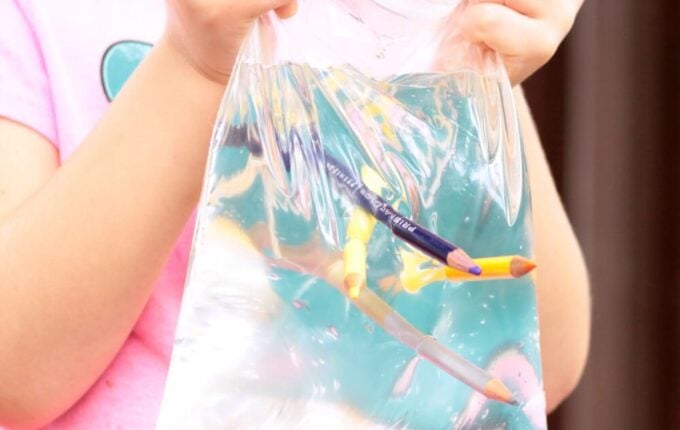
These activities demonstrate how polymer materials can be strong, flexible, and durable.
Slime Science
Compare different slime recipes to see how changes in ingredients affect polymer properties.
Food Polymers
- Gelatin Slime
- Fake Snot
- Homemade Gummy Bears
- Gummy Bear Growth Lab
- Bread in a Bag (Gluten Proteins)
Discover how polymers are found in foods and create textures that can stretch, jiggle, bounce, and hold their shape.
Natural Polymers
Learn about one of the most important natural polymers found in living things.
Each activity explores a different property of polymers, from stretchiness and elasticity to absorption and flexibility.
Free Polymer Science Labs Guide
Ready to explore polymers through hands-on science?
Grab our FREE Polymer Science Labs Guide packed with simple investigations that help kids discover how polymers stretch, bend, bounce, absorb water, and change shape.
Inside you’ll find:
✔ Polymer Science Labs activity guide
✔ 5-Day Polymer Science Lab Plan
✔ Polymer Hunt activity
✔ Polymer Investigation Lab
✔ Observation and recording prompts
From slime science and plastic milk to gummy bear growth and bioplastics, these activities make chemistry and materials science easy to explore at home or in the classroom.
Polymer Science FAQ for Kids
What is a polymer for kids? A polymer is a material made of many small repeating parts connected together into long chains.
Is slime a polymer? Yes. Slime contains long polymer chains that create its stretchy and squishy properties.
What are examples of polymers? Examples include slime, plastic, rubber, nylon, polyester, silicone, wool, and DNA.
Why do polymers stretch? Many polymers stretch because their long chains can move and slide past one another.
Are polymers natural or synthetic? Both. Some polymers occur naturally, while others are manufactured by people.
How do scientists use polymers? Scientists use polymers to create products that need flexibility, durability, strength, softness, or water resistance.
Are polymers important in everyday life? Yes. Polymers are found in clothing, packaging, toys, electronics, medical supplies, and many other everyday products.
More Chemistry Activities for Kids
Explore More Kitchen Chemistry
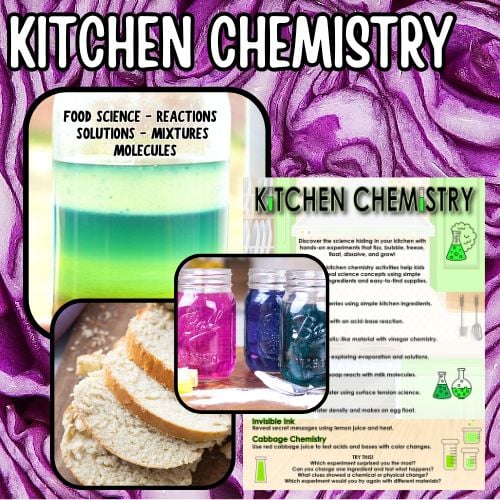
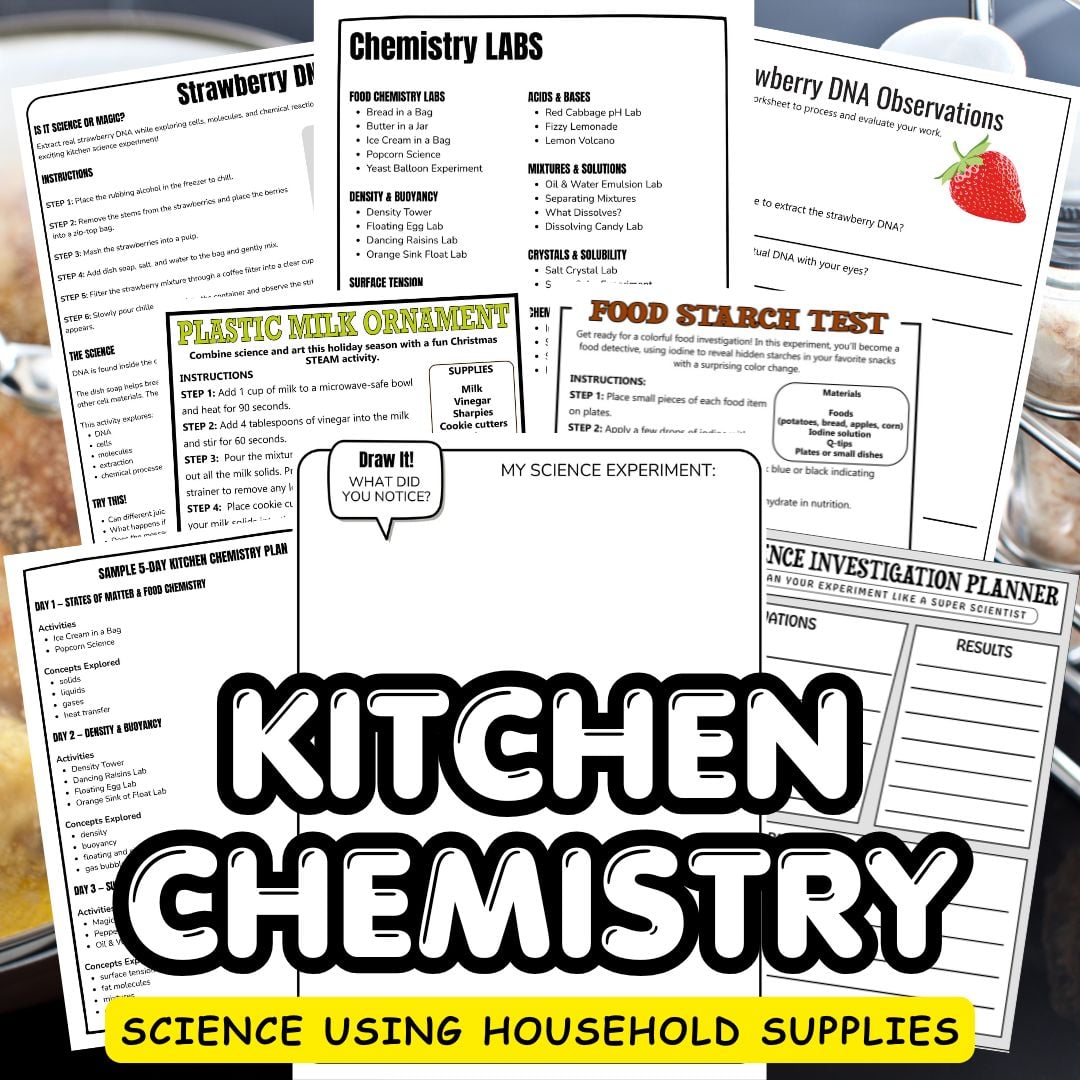
Continue the fun with our Kitchen Chemistry Pack featuring printable experiments, reusable investigation pages, science explanations, and easy hands-on activities using everyday kitchen supplies.
Perfect for home or classroom science with activities focused on:
reactions, mixtures, crystals, surface tension, polymers, and color-changing chemistry.