
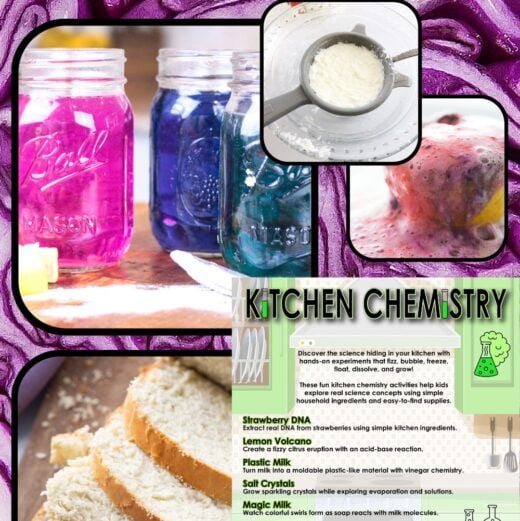
Looking for fun kitchen chemistry experiments kids will actually remember? These hands-on science activities use everyday kitchen ingredients to explore chemical reactions, mixtures, acids and bases, crystals, density, polymers, food science, and more.
Kitchen chemistry is an easy and engaging way to introduce real science concepts at home or in the classroom using familiar, inexpensive supplies. Kids can test colorful reactions, grow crystals, extract DNA, explore density, and even make edible science projects with simple materials already found in most kitchens.
If you want printable experiment guides, reusable investigation pages, and organized low-prep chemistry labs, be sure to check out the Kitchen Chemistry Labs Pack below.
These kitchen chemistry experiments are perfect for elementary science, homeschool learning, STEM clubs, science centers, summer learning, and hands-on science fun at home.
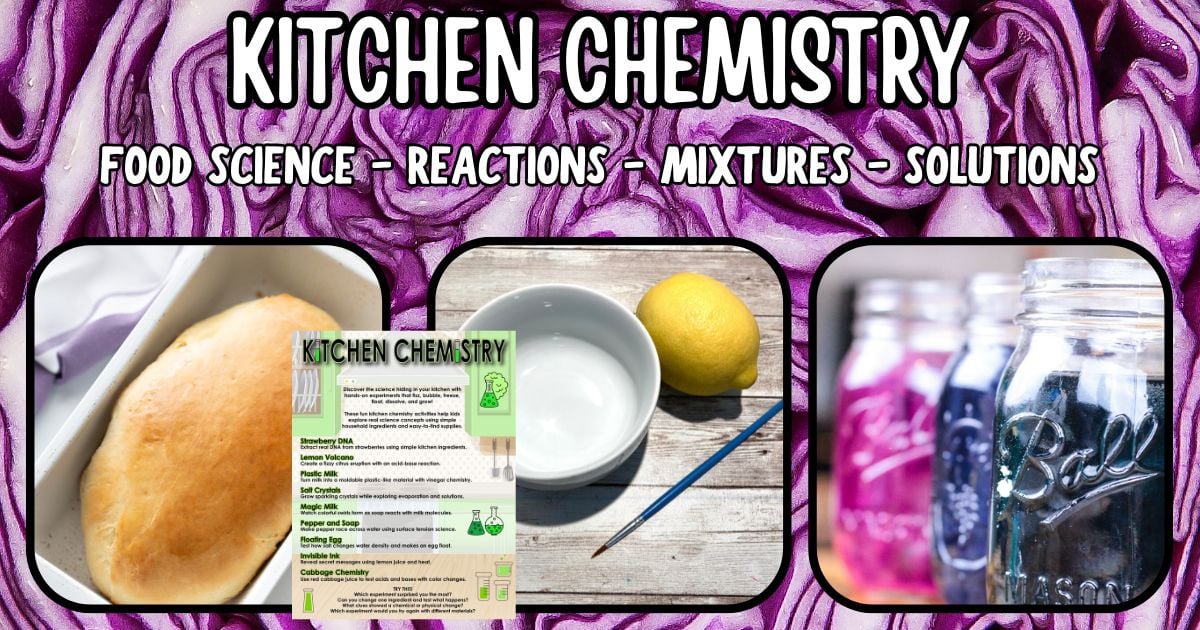
Free Kitchen Chemistry Guide & Science Planner
Want an easy way to get started with kitchen chemistry?
Grab the free Kitchen Chemistry Guide plus printable science investigation pages kids can use to record predictions, observations, results, and drawings during each activity.
The free guide includes:
- kitchen chemistry guide with clickable links
- reusable investigation planner pages
- draw-it observation sheets
- before-and-after recording pages
What Is Kitchen Chemistry?
Field: Chemistry
Grades: K–5
Concepts Explored: chemical reactions, mixtures, solutions, density, acids and bases, crystallization, food science, polymers, and states of matter.
Kitchen chemistry uses common household ingredients to explore real science concepts through hands-on experiments and observations.
Many kitchen ingredients react, dissolve, separate, freeze, fizz, bubble, grow, melt, or change color in ways that help kids better understand chemistry concepts like:
- chemical reactions
- mixtures and solutions
- acids and bases
- gases
- density
- molecules
- crystallization
- food science
- polymers
💡 Because the supplies are familiar and accessible, kitchen chemistry activities are perfect for introducing science in a fun and approachable way.
👉 Explore even more chemistry experiments for kids here.
Start With These Favorite Kitchen Chemistry Experiments
New to kitchen chemistry? Start with a few simple experiments using common household ingredients to explore exciting science concepts such as chemical reactions, density, surface tension, crystals, and food science.
These popular kitchen chemistry activities are easy to set up, highly engaging for kids, and perfect for home or classroom science.
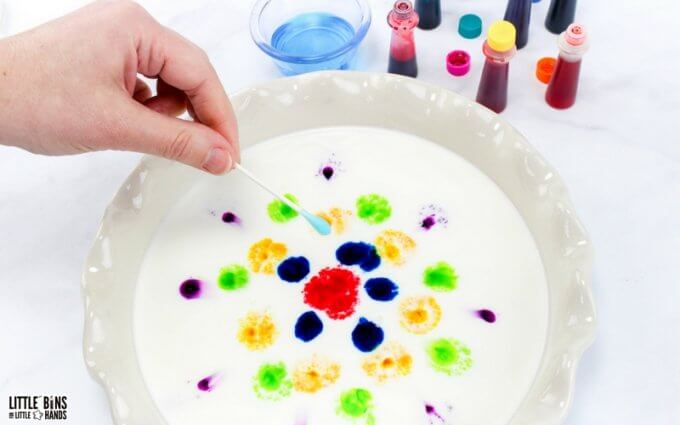
Magic Milk Experiment
Watch colors swirl and move as you explore soap, fat molecules, and surface tension.
Floating Egg Experiment
Test how salt changes water density and makes an egg float.

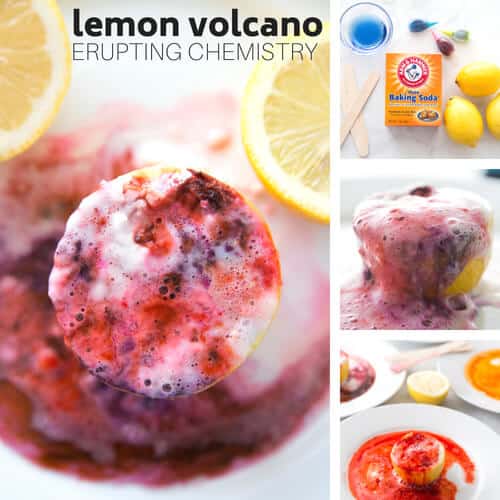
Lemon Volcano
Create a fizzy chemical reaction using lemons and baking soda.

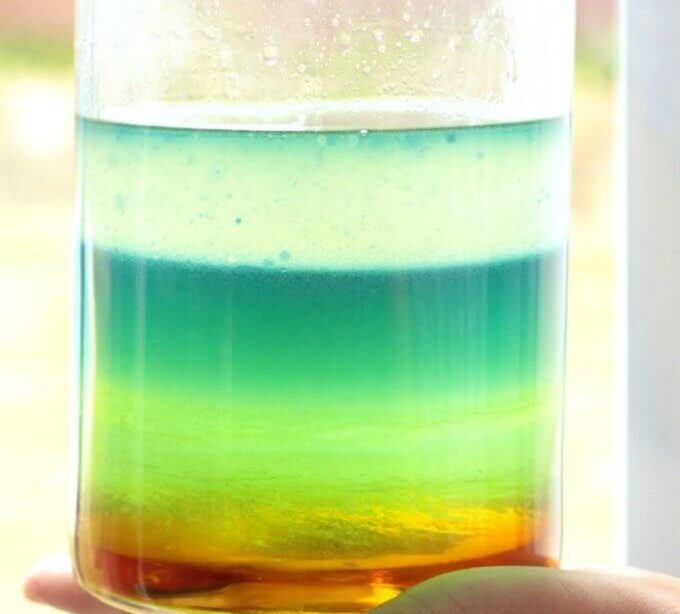
Density Tower
Layer household liquids to compare density and buoyancy.
Ice Cream in a Bag
Make homemade ice cream while exploring freezing points and states of matter.

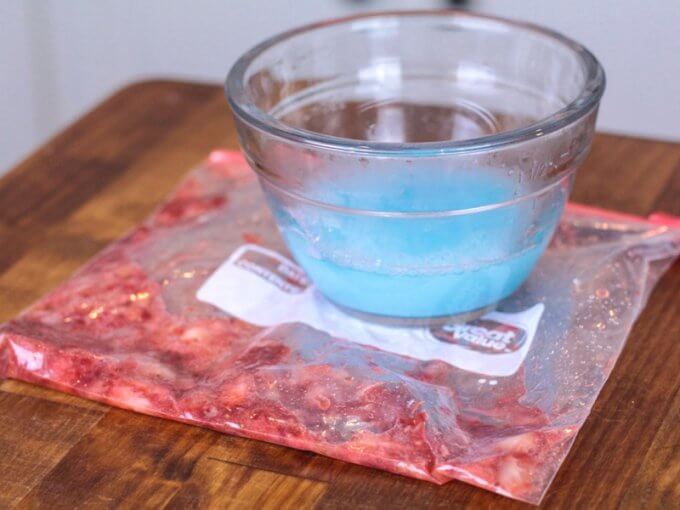
Strawberry DNA Extraction
Extract visible strands of DNA using simple kitchen ingredients.
Kitchen Chemistry Tips
Kitchen chemistry experiments are simple to set up, but a few easy tips can make activities more successful and less stressful.
- Cover work areas before starting messy experiments.
- Use clear jars, cups, or containers whenever possible for easier observations.
- Encourage kids to make predictions before testing.
- Ask open-ended questions about what they notice during the activity.
- Let kids compare results between experiments.
- Younger children may need extra help measuring ingredients or recording observations.
- Keep a reusable science journal nearby for drawings, notes, and results.
💡 Many kitchen chemistry activities work well as repeat experiments where kids can test changes in temperature, ingredients, or amounts.
Make It A Science Project
Many kitchen chemistry activities can easily be expanded into deeper investigations by testing variables, comparing results, and recording observations.
Want to extend these kitchen chemistry activities into a full science fair project?
Try:
- changing one variable
- testing different temperatures
- comparing materials
- measuring reaction times
- recording detailed observations
- creating charts or graphs
🔎 Simple kitchen experiments can easily become deeper scientific investigations. Learn more about setting up science projects with the scientific method here.
Kitchen Chemistry Concepts Kids Can Explore
Kitchen chemistry activities introduce many important science concepts using familiar materials and hands-on observations.
Kids can learn about:
Chemical Reaction Experiments
Explore fizzing, bubbling, gas formation, and exciting chemical changes using common kitchen ingredients.
Baking Soda Balloon
Inflate a balloon using a simple acid-base chemical reaction.
Lemon Volcano
Create a colorful erupting reaction inside a lemon.
Orange Peel Sparks
Discover how citrus oils react with heat and flame.
Alka-Seltzer Lava Lamp
Watch bubbles carry colored water through oil.
Elephant Toothpaste
Explore rapid foam formation through a dramatic chemical reaction.
👉 Explore more chemical reaction experiments for kids.

Density Experiments
Compare how liquids and objects behave based on how tightly matter is packed together.
Floating Egg
Test how salt changes water density and buoyancy.
Density Tower
Layer liquids to compare density differences.
Rainbow in a Jar
Create colorful density layers using sugar water.
Oil and Water Experiment
Observe how liquids with different densities separate.
Dancing Raisins
Use carbon dioxide bubbles to make raisins rise and fall.
👉 Explore more density experiments for kids.

Acids and Bases
Investigate how acidic and basic substances react, fizz, bubble, and change color.
Red Cabbage pH Indicator
Test household liquids using a homemade pH indicator.
Lemon Volcano
Combine acids and bases to create an erupting reaction.
Baking Soda and Vinegar Reactions
Explore classic acid-base chemistry using kitchen ingredients.
Invisible Ink Experiment
Reveal hidden messages using chemical reactions.
👉 Learn more about acids and bases for kids.
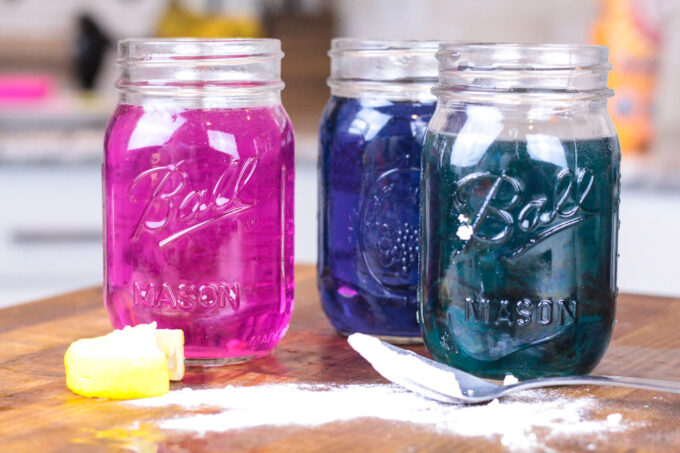
Crystals and Solutions
Explore dissolving, evaporation, saturation, and crystal growth.
Rock Candy Experiment
Grow edible sugar crystals while learning about supersaturated solutions.
Salt Crystal Experiment
Observe crystal structures forming over time.
Eggshell Geodes
Grow colorful crystals inside eggshells.
What Dissolves?
Test which kitchen materials dissolve in water.
👉 Explore more crystal experiments for kids.
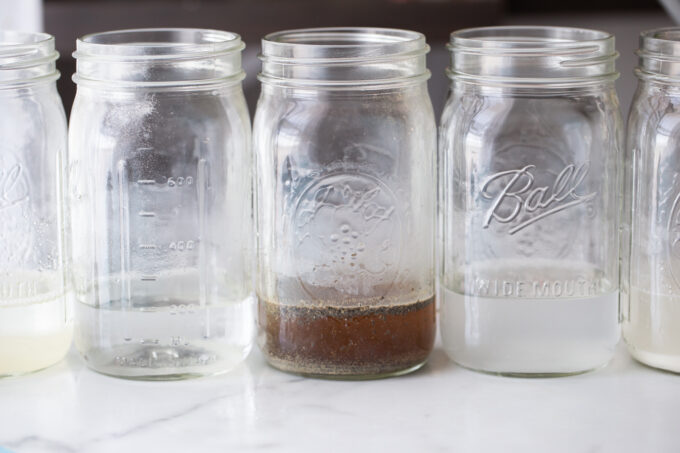
Food Science Experiments
Discover how chemistry changes food through freezing, heating, yeast activity, and mixtures.
Ice Cream in a Bag
Explore freezing points while making homemade ice cream.
Bread Mold Experiment
Observe how mold grows under different conditions.
Yeast Balloon Experiment
Test how yeast produces carbon dioxide gas.
Gummy Bear Osmosis
Observe how liquids move in and out of gummy bears.
Homemade Butter
Learn how mixing changes cream into butter.
Popcorn Science
Investigate heat, pressure, and phase changes.
👉 Explore more food science experiments for kids.
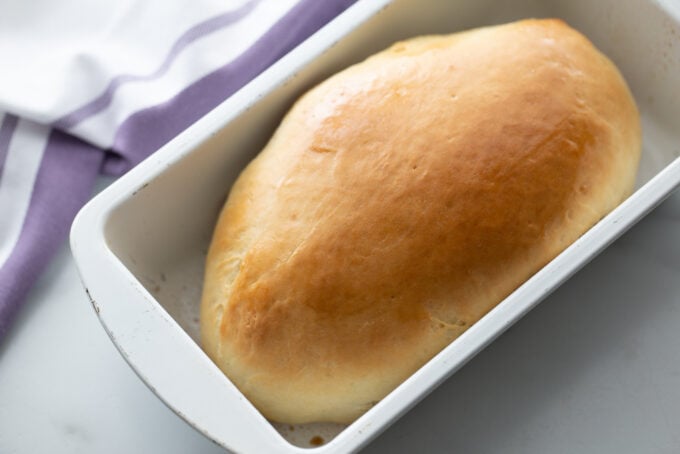
Polymers and Slime
Investigate stretchy, squishy materials while learning about polymers and non-Newtonian fluids.
Bioplastic Experiment
Create a simple homemade plastic while exploring polymers and material science.
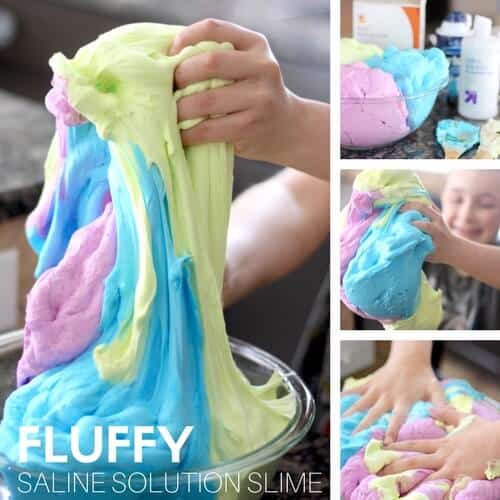
Borax Slime
Explore cross-linking polymers with a classic slime recipe.
Butter Slime
Explore how different ingredients affect slime texture and stretchiness.
Oobleck
Test the properties of a non-Newtonian fluid.
👉 Explore more polymer science activities.

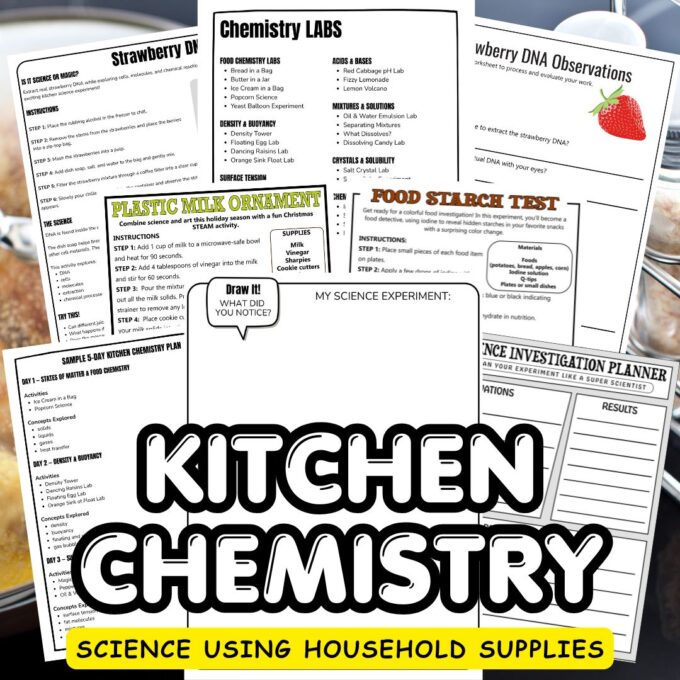
Printable Kitchen Chemistry Labs Pack
Want an organized, low-prep way to explore kitchen chemistry with kids?
The Kitchen Chemistry Labs Pack includes hands-on investigations, printable experiment guides, reusable recording pages, chemistry vocabulary, and easy-to-follow activities designed for elementary-aged learners.
Inside the pack you’ll find:
- guided kitchen chemistry investigations
- reusable science journal pages
- observation and recording sheets
- chemistry vocabulary support
- low-prep printable labs
- hands-on science activities for Grades 1–5
- simple materials using common household ingredients
Perfect for:
- homeschool science
- classroom STEM
- science centers
- summer learning
- after-school science activities
👉 Turn Your Kitchen Into a Science Lab
Learn More About Chemistry
Continue exploring chemistry concepts and hands-on science activities with these related resources:
- Chemistry Experiments for Kids
- Density Experiments
- Crystal Experiments
- Candy Science Activities
- Science Experiments at Home
- States of Matter Activities
- Scientific Method for Kids
- Polymers for Kids
Kitchen Chemistry FAQ
What is kitchen chemistry?
Kitchen chemistry uses household ingredients to explore science concepts through hands-on experiments and observations.
What age is kitchen chemistry best for?
These activities work best for Grades 1–5 with adult supervision as needed.
What supplies do you need for kitchen chemistry?
Most experiments use simple materials like baking soda, vinegar, salt, lemons, milk, dish soap, and clear containers.
Are kitchen chemistry experiments safe for kids?
Most are safe with adult supervision. Always supervise activities involving heat, sharp tools, or reactions.
What do kids learn from kitchen chemistry?
Kids explore chemical reactions, mixtures, solutions, density, crystallization, food science, and observation skills.
Can kitchen chemistry be used in the classroom?
Yes! These activities work well for STEM centers, science labs, homeschool lessons, and summer science activities.