
Ever wonder what happens to animals as the weather cools? Fall is a busy season in the animal world! Some prepare for hibernation, others migrate, and many complete important life-cycle stages. Explore fall animal life cycles with hands-on science and simple observations perfect for elementary students.

Fall Animal Life Cycles
Field of Science: Life Science (Animal Life Cycles & Seasonal Adaptations)
Grade Level: K–3
Every living thing goes through a life cycle—birth, growth, reproduction, and death. In the fall, shorter days and cooler weather signal to many animals that it is time to prepare for winter. Some species complete their life cycle before winter. Others enter dormancy or migrate to survive the colder months.
Fall Animal Life Cycle Activities
Butterfly Life Cycle & Migration
In fall, many butterflies—like monarchs—begin their long migration south to warmer climates. The final generation of the season doesn’t lay eggs but travels thousands of miles to overwinter safely.
- Activity Idea: Make a Monarch Migration Map showing the journey from the U.S. to Mexico.
- Hands-On Project: Create a Butterfly Life Cycle Wheel with movable stages.
- Mini Pack Link: Butterfly Life Cycle Mini Pack
- Science Focus: Metamorphosis and migration timing in response to temperature and daylight.

Bee Life Cycle & Hive Hibernation
As temperatures drop, most worker bees die off while the queen bee finds shelter to hibernate through the winter. Fall is also when bees store food to last through the cold months.
- Activity Idea: Build a Bee Habitat Craft or mini “hive hotel” for solitary bees using straws or paper tubes.
- Worksheet Connection: Label the stages from egg to adult queen and explore hive roles.
- Mini Pack Link: Bee Life Cycle Mini Pack
- Science Focus: Survival adaptations — how bees prepare their hive and queen for winter.

Bat Life Cycle & Hibernation
During fall, bats feed heavily to build fat stores before hibernating in caves or trees. Some species even migrate short distances to find the perfect spot for their long winter rest.
- Activity Idea: Model a Bat Cave Habitat using paper tubes, tissue paper, and cardboard to show where bats hibernate.
- Hands-On Project: Draw and label the bat life cycle, then add a “hibernation timeline” showing seasonal behavior.
- Mini Pack Link: Bat Life Cycle Mini Pack
- Science Focus: Hibernation and energy storage.

Frog Life Cycle & Dormancy
When fall arrives, frogs burrow into mud or leaf piles to hibernate. Their bodies slow down to help them survive freezing temperatures until spring.
- Activity Idea: Create a Leaf-Pile Hibernation Jar using toy frogs, leaves, and soil to show how frogs burrow in the fall.
- Hands-On Project: Use playdough to build the stages from tadpole to adult frog.
- Mini Pack Link: Frog Life Cycle Fold Out Book
- Science Focus: How temperature affects amphibian behavior and metabolism.

Bird Life Cycle & Migration
In fall, many birds migrate south in search of food and warmer weather, while others stay and grow thicker feathers to stay cozy.
- Activity Idea: Observe birds near your area and record which ones migrate and which stay.
- STEM Challenge: Build a Bird Feeder and track visitors throughout the fall.
- Mini Pack Link: Bird Life Cycle Mini Pack
- Science Focus: Migration patterns and survival strategies.

Sea Turtle Life Cycle
In some regions, baby sea turtles hatch in early fall. Once they reach the water, they begin their journey into the ocean, guided by moonlight and instinct.
- Activity Idea: Use sand and shells to build a mini nesting area and show how hatchlings move toward water.
- Mini Pack Link: Sea Turtle Life Cycle Mini Pack
- Science Focus: Life cycle timing and environmental cues that affect hatching.

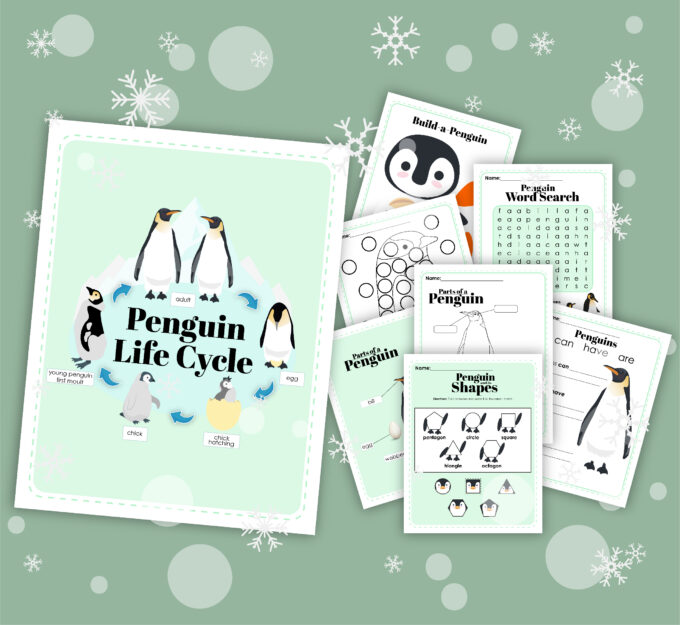
Penguin Life Cycle
Penguins experience the opposite season from the Northern Hemisphere! While we’re heading into fall, they may be entering spring and preparing to raise their chicks.
- Activity Idea: Create a Parent and Chick Match-Up Game to explore how penguins care for their young.
- Mini Pack Link: Penguin Life Cycle Mini Pack
- Science Focus: Parental care and adaptations for cold weather.
Spider Life Cycle
Most spiders hatch and grow through the summer, laying eggs by fall. Egg sacs are hidden in safe places to survive the winter and hatch in spring.
- Activity Idea: Use yarn and paper plates to make Spider Web Life Cycle Diagrams.
- Mini Pack Link: Spider Life Cycle Project
- Science Focus: Egg sacs, molting, and survival through fall.

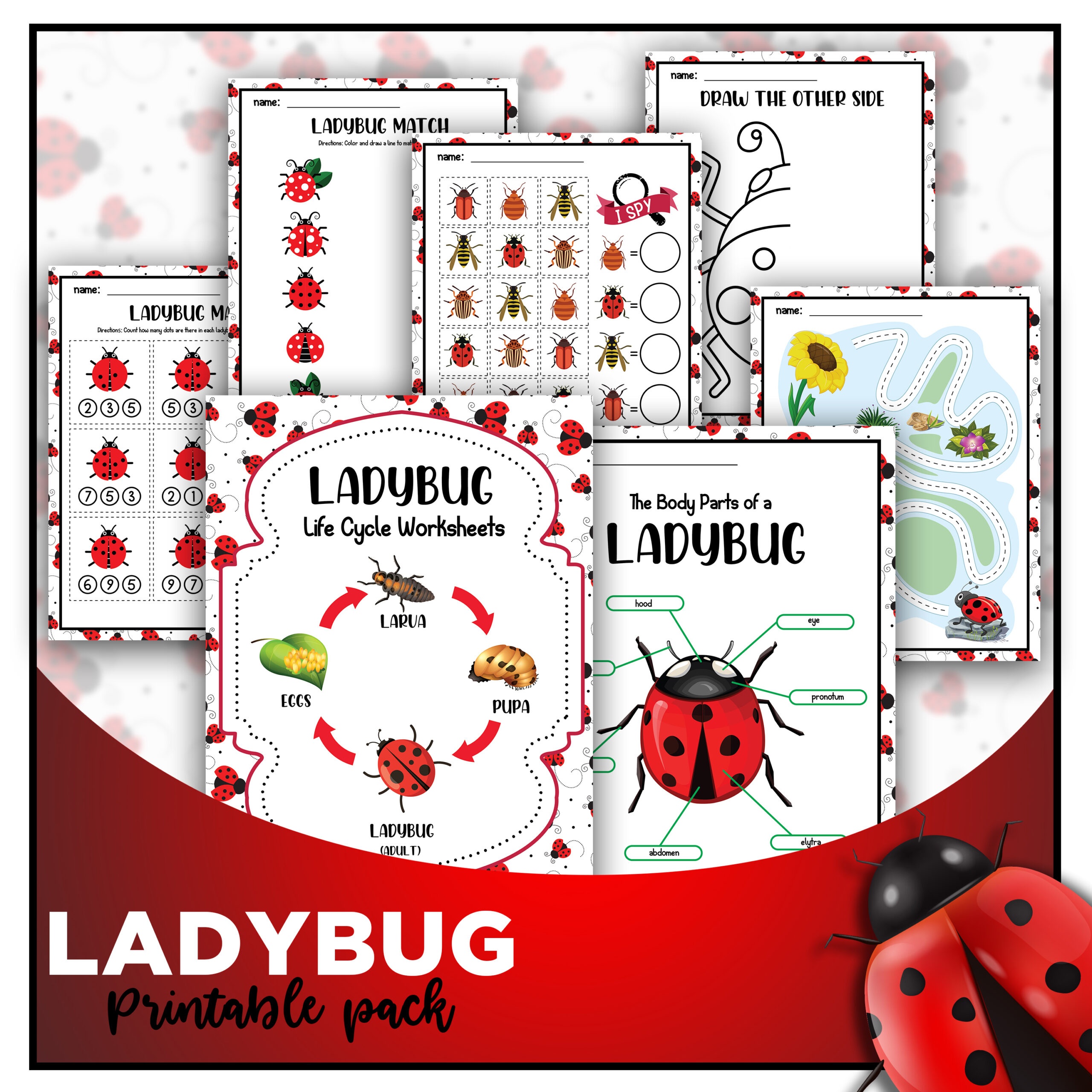
Ladybug Life Cycle
As fall arrives, adult ladybugs look for shelter in leaf piles or under bark to hibernate through the winter.
- Activity Idea: Build a Leafy Bug Hotel to show how ladybugs overwinter in groups.
- Mini Pack Link: Ladybug Life Cycle Mini Pack
- Science Focus: Metamorphosis and dormancy.
NGSS Guiding Questions
| NGSS Question | Concept Focus |
|---|---|
| How do animals respond to seasonal changes in their environment? | Animals adapt their behaviors, such as hibernating, migrating, or storing food. |
| What patterns can we observe in life cycles across different animals? | All animals go through similar stages—birth, growth, reproduction, and death. |
| How does the environment affect animal life cycles? | Temperature, food availability, and daylight influence timing and behavior. |
Simple Fall Animal Science Vocabulary
- Life Cycle – The stages an animal goes through from birth to adult.
- Hibernation – A deep sleep that helps animals survive the cold.
- Migration – When animals move to a new place for food or warmth.
- Adaptation – A change or behavior that helps an animal survive.
- Dormancy – A period of rest or inactivity during unfavorable conditions.
- Metamorphosis – A big change in body form during an animal’s life cycle (like caterpillar to butterfly).
More Animal Facts for Kids
- Monarch butterflies migrate over 3,000 miles to reach Mexico!
- A frog’s heart rate slows to just a few beats per minute during hibernation.
- Bears don’t truly hibernate—they enter torpor, where they can wake if disturbed.
- Some insects, like ladybugs, gather in large groups to stay warm through winter.
Printable Animal Science Packs for Kids
Visit our SHOP for easy-to-print STEM and science lesson plans for the whole year. Or join us in the Little Bins Club.
Related Fall Animal Science Projects
- Hibernating Animals Mini Pack
- Animal Habitats Diorama Project
- Animal Shelter Challenge
- Leaf Insulation Experiment
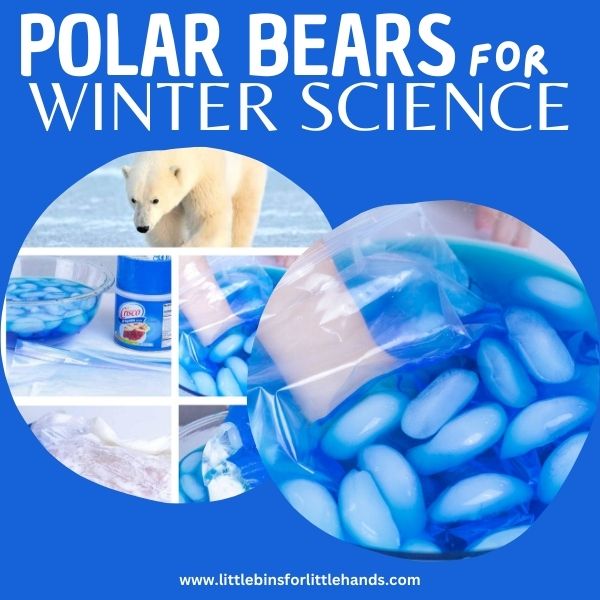
- Polar Bear Blubber Experiment
- Winter Animal Adaptations
- Diurnal and Nocturnal Animals