
Are you interested in creating a STEM lab at home or in the classroom? Involving kids in STEM is vital to fostering critical thinking and creativity. This guide will walk you through a STEM lab, explain its value, and how to create an engaging hands-on learning and problem-solving environment.

What Is a STEM Lab?
A STEM lab is an interactive space dedicated to exploring Science, Technology, Engineering, and Math. It’s designed for hands-on activities that bring STEM concepts to life through practical experiments, projects, and challenges. Kids can explore everything from simple machines and magnetism to chemical reactions and engineering projects.
A STEM lab typically includes age-appropriate tools and resources that encourage curiosity, problem-solving, and collaboration, preparing young learners for real-world challenges. It also nurtures essential skills like the engineering design process and critical thinking, making it an essential part of any classroom or learning space.
Why STEM Labs Are Important for Kids
STEM labs are more than just a place to experiment. They offer:
- Hands-On Learning: Applying knowledge to real-world scenarios, like building a balloon car or growing crystals, enhances understanding.
- Critical Thinking & Problem-Solving Skills: Activities like STEM challenges and quick engineering projects improve logical reasoning.
- Creativity and Innovation: STEM labs let kids design, build, and experiment, essential for future scientists, engineers, and inventors.
- Collaboration & Communication: Projects often require teamwork, helping kids develop social and problem-solving skills.
- Confidence Building: Completing experiments and challenges boosts kids’ confidence in tackling new tasks.
Recommended Grade Range: Elementary through middle school (K-8).
For elementary students (K-5), focus on hands-on activities introducing basic concepts in science, math, and engineering with plenty of visual aids and interactive materials. These could include simple machines, color mixing, sink-or-float experiments, and beginner engineering projects like building with LEGO or creating paper bridges.
For middle school students (grades 6-8), consider adding more complex challenges incorporating critical thinking, collaboration, and deeper STEM principles. Activities could include basic circuitry, physics-based experiments (like a balloon car, bottle rocket, electromagnet), and exploring chemical reactions such as elephant toothpaste. These projects encourage a greater understanding of scientific processes, engineering principles, and real-world problem-solving skills.
💡Also, explore our Citizen Science Guide for getting involved beyond your STEM lab.
How to Set Up a STEM Lab
Creating a STEM lab doesn’t have to be complicated or expensive. Here’s a quick guide:
1. Designate a Space
Find a well-lit space with enough room for kids to move around safely. A corner in a playroom, a classroom area, or a kitchen table can work. Note: It is helpful to have access to water!
2. Focus on Safety
Set ground rules for handling materials, including scissors, liquids, and small items. Lock away hazardous materials or dangerous tools, and ensure kids understand safety practices for each activity.
3. Gather Essential STEM Supplies
Here’s a list of versatile items to stock your lab with, many of which you may already have:
- Building Supplies: LEGO bricks, straws, skewers, cardboard, and paper tubes for engineering projects. Grab our must have STEM Supplies List here.
- Science Materials: Baking soda, vinegar, salt, vegetable oil, balloons, marbles, borax powder for crystals, and for physics and chemistry experiments. Grab our Mega Science Supplies list here.
- Magnetism and Electricity: Magnets, batteries, iron oxide powder, and basic circuits to explore magnetism and kinetic energy.
- Tools and Basics: Scissors, pens and pencils, sticky notes, bottle caps, eye droppers, magnifying glasses, and tape to support quick challenges and building activities.
Items like plastic cups, paper plates, and liquid starch for slime are great for activities with younger kids. For more advanced STEM challenges, consider adding materials for building a pulley system or a winch.
4. Incorporate DIY and Recyclable Materials
Creating a STEM lab on a budget? Repurpose materials like cardboard boxes, plastic bottles, and paper rolls. Items like a bottle cap, feathers, or a toy car can lead to fun experiments on gravity, friction, and static electricity.
💡Take a look through our recycled STEM projects [here].
5. Organize Materials for Easy Access
Use labeled bins or clear containers to keep materials sorted by type (e.g., pulleys, magnetic items, engineering materials). Organizing everything will make it easier for kids to find and return items.
Free STEM Lab Guide Printable
Start here with this free guide to setting up a STEM Lab today!

Engaging Activities and STEM Lab Ideas by Grade
Here are some age-appropriate STEM ideas for kindergarten through elementary:
Kindergarten and 1st Grade
- Color Mixing: Explore primary and secondary colors using paints or dot markers.
- Shape Building: Use cardboard shapes to create structures and discuss properties.
- Sink or Float: Gather objects and predict whether they’ll sink or float in water.
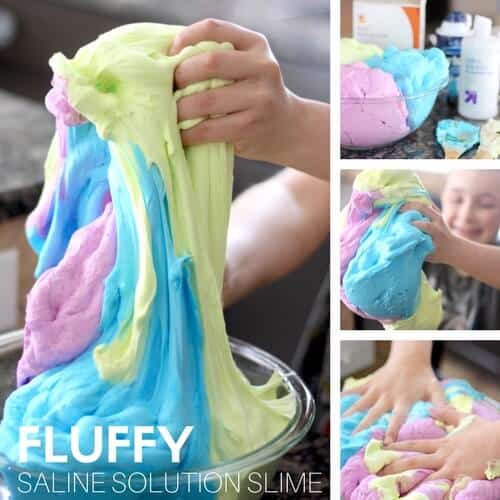
- Magnetic Slime: Introduce magnetic slime and explore how magnets attract certain materials.
2nd and 3rd Grade
- Simple Machines: Set up stations to explore pulleys, levers, and inclined planes.
- Seed Growth Experiment: Plant seeds and observe their growth stages.
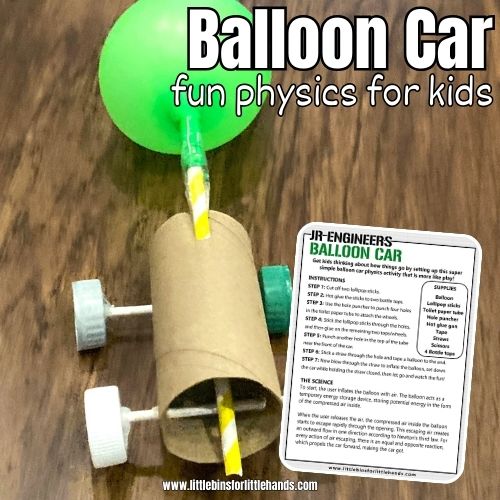
- Balloon-Powered Cars: Build balloon-powered toy cars and learn about potential energy.
- Solar System Model: Use objects to create a scale model of the planets.
💡Explore our “Things That Go” STEM projects or make these “STEM Toys!”
4th Grade and Up
- Volcano Eruption: Create a volcano using baking soda and vinegar to learn about chemical reactions.
- Oil Spill Experiment: Simulate an oil spill in water using cooking oil and explore different materials like cotton balls, feathers, and sponges to try cleaning it up. Discuss the environmental impact of oil spills on marine life and the importance of environmental conservation.
- Circuit Challenge: Make simple circuits with a battery, switch, and bulb to explore electricity.
- Weather Station: Create a homemade weather station to explore the seasonal changes.
- Math Puzzles and Engineering: Try a tallest tower challenge using straws and marshmallows or create a paper roller coaster for a marble.


How to Organize a STEM Lab for Ease and Accessibility
A well-organized STEM lab makes it easy for kids to dive into activities. Here are some tips for keeping it functional:
- Labeled Storage: Use bins with pictures or color-coded labels so young kids can easily find and put away materials.
- Accessible Layout: Place frequently used items at kids’ eye level.
- Station-Based Organization: Create stations like a building area, a science experiment table, or a math puzzle zone.
- Dedicated Cleanup Routine: Involve kids in cleanup and teach them to return items to their places.
More STEM Activity Ideas
Here are some methods to make STEM labs engaging and enjoyable:
- Hands-On Experiments: Let kids try hands-on activities, like creating a balloon rocket or a crystal-growing experiment.
- Friendly Competitions: Set up challenges, such as the egg drop challenge, to encourage teamwork and problem-solving.
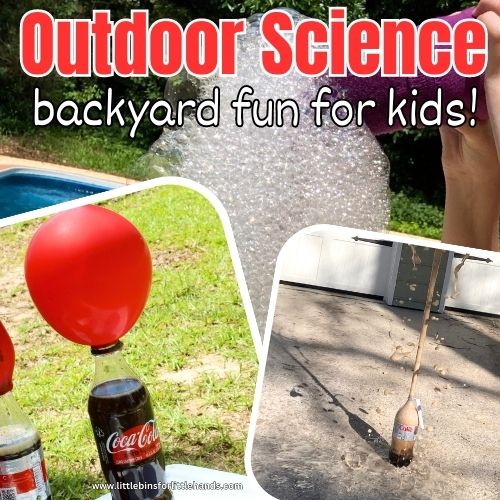
- Outdoor Exploration: Nature-based activities, like a scavenger hunt or building with natural materials, provide outdoor learning opportunities. Or take it outdoors with these outdoor science experiments.
- Incorporating Technology: Use educational apps and STEM-related games for interactive learning.
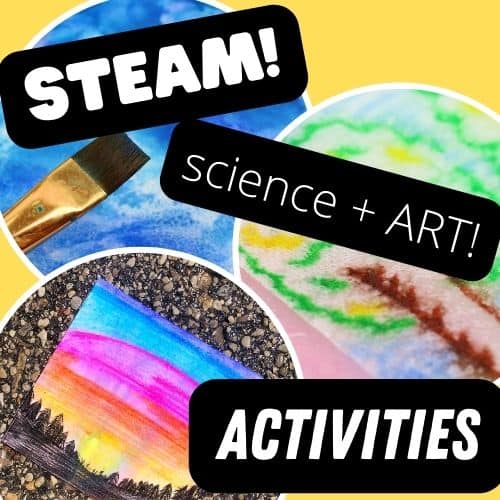
- Art Integration: Blend creativity with STEM by having kids design posters or create models of scientific concepts. Combine art and science to explore process art.
- Growth Mindset: Build a growth mindset through STEAM activities. Add this fun poster of ideas to your STEM lab area!

STEM Labs: A Path to Future-Ready Skills
Setting up a STEM lab opens up endless possibilities for kids to explore, learn, and grow. By incorporating hands-on activities and interactive learning, you’re helping them develop essential skills in problem-solving, critical thinking, and creativity.
With a little planning, you can create a STEM lab that’s as engaging as it is educational—an invaluable resource for nurturing tomorrow’s scientists, engineers, and innovators.