
Scientific models are a fantastic and effective way to help elementary and middle school kids understand science. These models allow students to visualize, test, and explore big ideas that may be too small, large, or complex to observe directly. Let’s check out some hands-on projects below.

What is a Scientific Model?
💡 A scientific model represents real-world scientific principles that help explain how something works. Scientists and science educators use models to test ideas, make predictions, and correct misconceptions about the world.
Scientific models are an essential tool for learning. They help students of all ages explore and develop a deeper understanding of science. Whether in the classroom, a homeschool setting, or for general hands-on learning, models allow kids to test ideas and visualize complex concepts. There are many types of models, including:
✅ Physical Models – 3D physical replicas like a solar system model or an earthquake shake table.
✅ Conceptual Models – Diagrams, food webs, and mental models that show relationships in science.
✅ Mathematical Models – Equations, variables, and graphs used to explain motion and other physics concepts.
✅ Computer Simulations – Simulations that predict real-world events like weather changes or planetary orbits.
Scientific Models for Elementary Kids (K-5)
Solar System Model – Use foam balls or paper circles to create a scale model of the planets in the solar system. This scientific model helps kids compare the size and distances between planets.
Solar Eclipse Model – Use a flashlight, a small ball (Moon), and a larger ball (Earth) to simulate how the Moon blocks sunlight during an eclipse.
Water Cycle in a Bag – A conceptual model showing evaporation, condensation, and precipitation. Tape a plastic bag with water to a window and watch the changes!
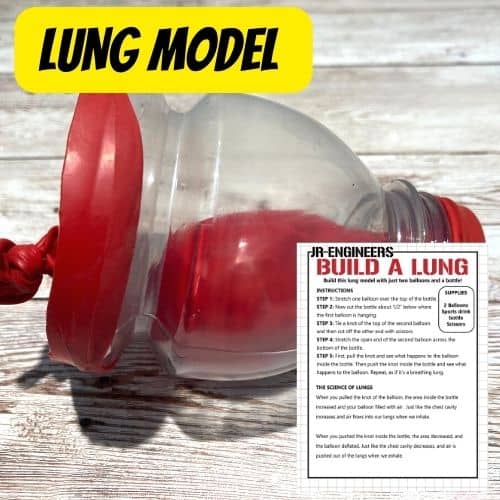
Lung Model – A physical model using a balloon and a bottle to show how lungs expand and contract when we breathe.
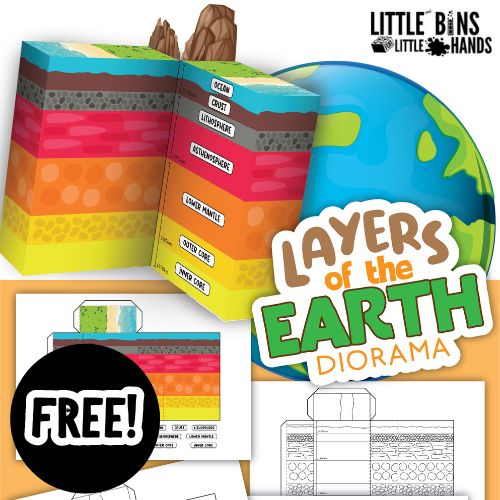
Layers of the Earth Model – A 3D model of the Earth’s crust, mantle, and core using playdough. This physical replica helps kids understand how Earth’s layers are structured.
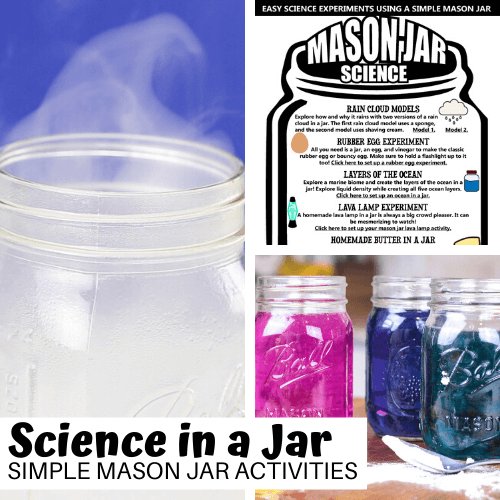
Soil Layers Model – Layer sand, clay, and pebbles in a jar to model different core ideas about soil formation and the Earth’s surface. Alternatively, create your model with LEGO [here].
Ocean Layers Model – Pour different colored liquids into a jar to represent ocean zones.
Simple Electric Circuit Model – A physical model of an electric circuit using a battery, wires, and a light bulb to show electricity flow.
Life Cycle Models – A strip of paper showing the phases of a butterfly’s life cycle helps students understand growth and transformation.
Food Webs & Pyramid Models – Stack blocks to show how energy moves through an ecosystem, from plants to predators.
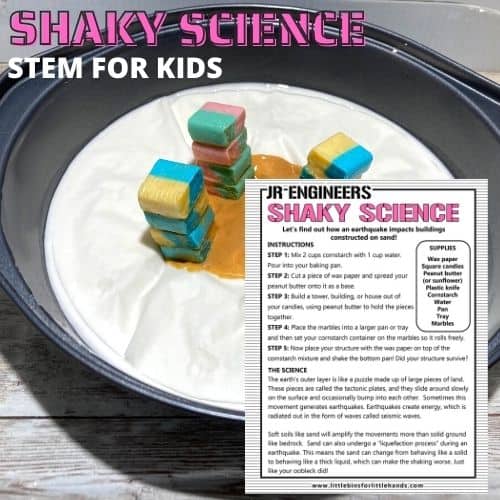
Earthquake Shake Table – A prototype of an earthquake simulation where students build structures and test how well they withstand shaking.
How the Heart Pumps Blood Model – A real-world model using balloons and tubing to show how blood moves through the heart’s chambers.
Scientific Models for Middle School Kids (Grades 6-8)
Atom and Molecule Models – Use gumdrops, toothpicks, or pompoms and toothpicks to create scientific models of molecules like water (H₂O) and carbon dioxide (CO₂). Here’s a simplified atom model without the electrons, and two ways to make atom models showing the outer shells.
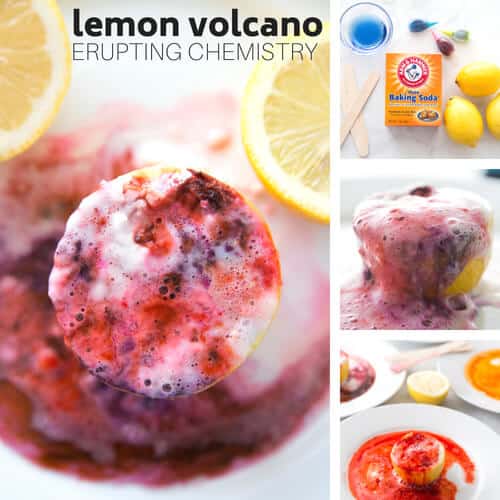
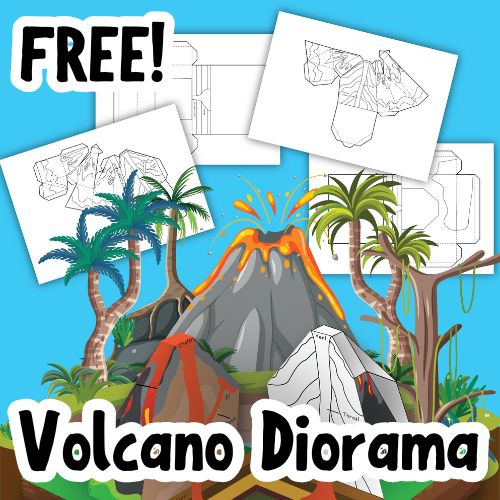
Volcano Model – This scientific model simulates an eruption using baking soda and vinegar. Try adding different materials, such as dish soap, to explore variables in lava flow.
- Paper volcano model [here].
Density Tower – A simulation using oil, water, and syrup to demonstrate physics concepts like density and buoyancy.
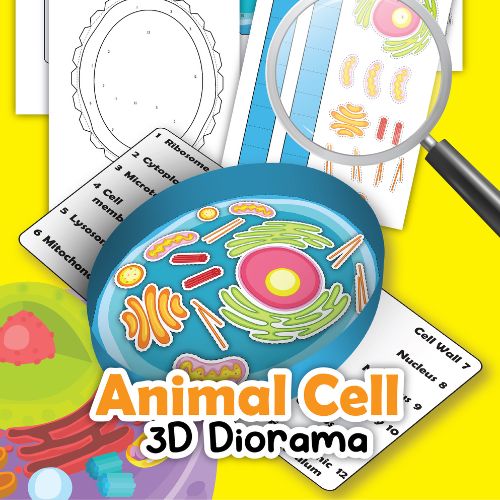
Cell Model – A clay or playdough 3D model showing different organelles in plant and animal cells (coming soon). Start with our Plant Cell STEAM Project or Animal Cell STEAM Project.
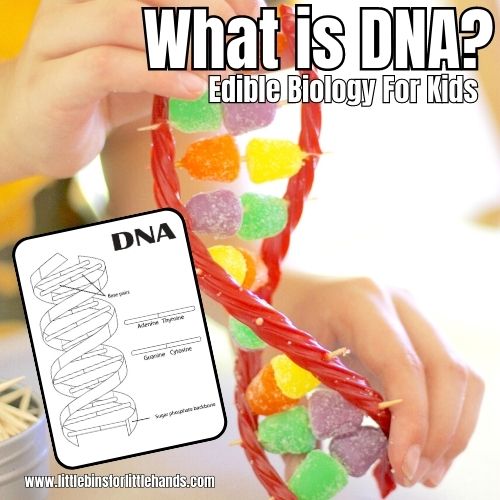
DNA Model – Use pipe cleaners or beads to create a physical model of a DNA strand, demonstrating the scientific principles of genetics.
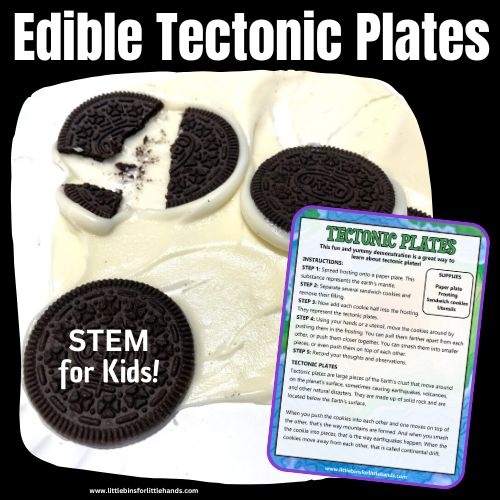
Tectonic Plate Model – A physical replica using graham crackers and frosting to show how the Earth’s plates move.
Speed and Motion Graphs – Mathematical models that graph how far a toy car rolls on different surfaces, incorporating variables like friction and incline.
Weather & Climate Predictions – Collect data on daily temperatures and graph the trends over time using computer simulations and diagrams.
Lunar Lander Model – A prototype of a landing module designed with household materials to test ideas about space landings. You can also create a satellite! Learn more about famous women Katherine Johnson and Evelyn Boyd Granville.
Coral Reef Model – To explore marine ecosystems, build a 3D model of a reef using clay, LEGO bricks, or natural materials.
Wind Tunnel Model – Create a simple wind tunnel using a box fan and lightweight materials to test how different shapes affect air resistance and flight.


Why Are Scientific Models Important?
When kids use models, they develop the same skills as real scientists! Whether graphing speed & motion, designing model cars, or building food webs, they actively participate in hands-on learning.
Scientific models help students:
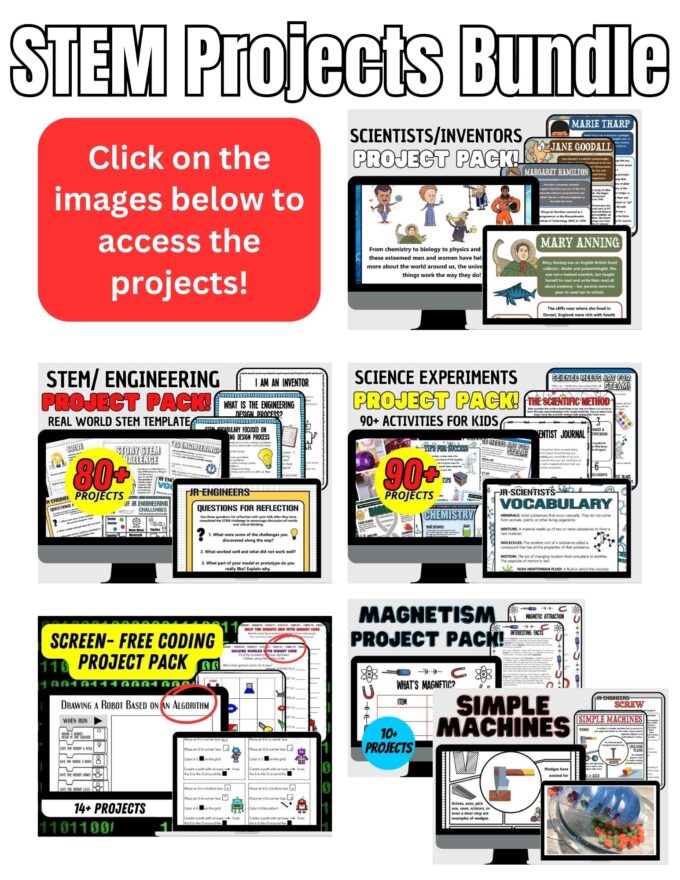
Check out our STEM Projects Bundle
The STEM Project Bundle includes a variety of hands-on packs designed to engage kids ages 5-12 in exploring science, technology, engineering, and math. Packed with activities for all age levels, it’s perfect for both home learning and classrooms.