
Science in the classroom doesn’t have to mean complicated setups or expensive materials. In fact, some of the best learning experiences come from simple, hands-on science activities that spark curiosity and encourage kids to ask questions.

Low Prep Science Activities
This collection of 30 low-prep science activities is organized by grade band (K–1, 2–3, and 4–5). Each activity uses everyday supplies, connects to NGSS standards, and includes guiding questions to help kids explore scientific concepts. Whether you need a quick experiment, a morning activity, or a way to extend a lesson, these ideas will keep your classroom or homeschool engaged.
Grades K–1: Exploring with Curiosity
At this stage, students are learning through observation, sorting, and hands-on play. These activities are perfect for helping them use their senses and begin thinking like scientists.
Sink or Float – Test classroom objects in water.
- NGSS: 2-PS1-1 (Properties of Matter)
- Guiding Question: Why do some things float while others sink?

Shadow Tracing – Trace objects in sunlight or with flashlights.
- NGSS: 1-PS4-3 (Light & Shadows)
- Guiding Question: What happens when you move the object or light?
Parts of a Plant – Observe a leaf, flower, or small plant.
- NGSS: K-LS1-1
- Guiding Question: What parts can you see that help the plant grow?
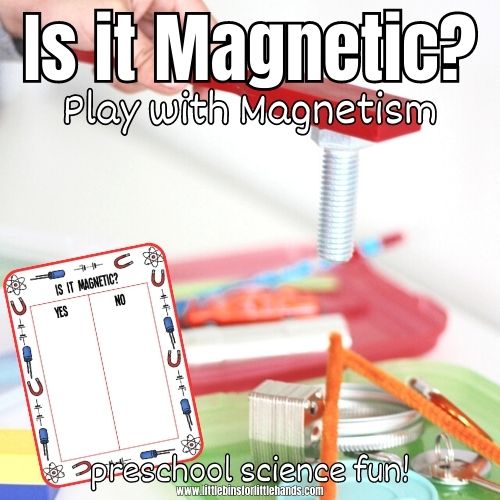
Magnet Hunt – Explore what is magnetic in the classroom.
- NGSS: K-PS2-1 (Pushes & Pulls)
- Guiding Question: What do you notice about objects that stick to magnets?
Color Mixing with Water – Mix food coloring in cups.
- NGSS: 1-PS4-2 (Light & Color)
- Guiding Question: What new colors can we make?
Weather Watchers – Draw and record daily weather with a free weather tracker.
- NGSS: K-ESS2-1 (Weather & Patterns)
- Guiding Question: What weather do we see most often?
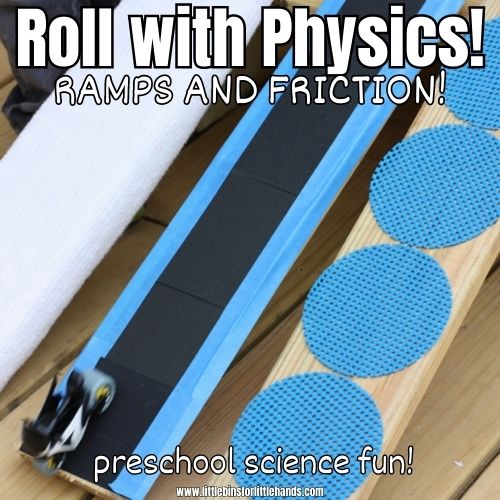
Ramp Races – Roll balls or toy cars down ramps.
- NGSS: K-PS2-2 (Forces & Motion)
- Guiding Question: How does changing the ramp make things move differently?
Sound Shakers – Use sealed containers filled with various materials.
- NGSS: 1-PS4-1 (Sound)
- Guiding Question: How does the sound change with different materials?
Feather vs. Rock Drop – Compare how light and heavy objects fall.
- NGSS: K-PS2-1 (Motion)
- Guiding Question: Do heavy things always fall faster?
Living vs. Nonliving Sort – Use pictures or real items.
- NGSS: K-LS1-1 (Living Things)
- Guiding Question: How do living things get what they need to survive?

Science Grades 2–3: Building Understanding
Kids in this band begin making predictions, testing ideas, and connecting cause and effect. These activities help them practice using evidence to explain their observations.
Paper Airplane Test – Test different airplane designs.
- NGSS: 3-PS2-2 (Forces & Motion)
- Guiding Question: What changes make a plane fly farther?

Melt Race – Compare how ice melts on different surfaces.
- NGSS: 2-PS1-4 (Heating & Cooling Matter)
- Guiding Question: Why does ice melt faster in some places?
Sound Vibrations with Ruler – Flick a ruler over a desk edge.
- NGSS: 3-PS2-1 (Vibrations)
- Guiding Question: How does the sound change when the ruler sticks out more?
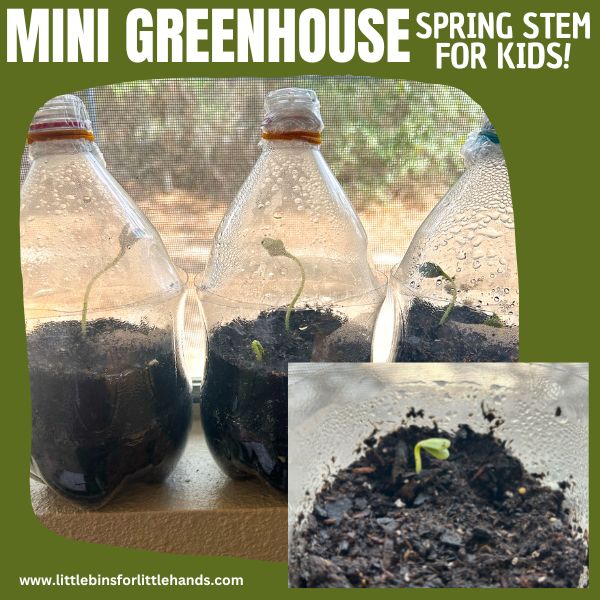
Mini Greenhouse – Grow beans in a plastic bag with a wet paper towel.
- NGSS: 2-LS2-1 (Plant Needs)
- Guiding Question: What does the seed need to sprout?
Soil vs. Sand Water Test – Add a few small holes to the bottom of paper or plastic cups. Add dirt and sand to the different cups. Pour water through cups and observe how water moves through the different materials.
- NGSS: 2-ESS2-1 (Earth Materials)
- Guiding Question: Which holds water best?
Friction Test – Slide objects across different surfaces.
- NGSS: 3-PS2-2 (Forces & Motion)
- Guiding Question: Which surfaces make things harder or easier to slide?
Weather Journals – Track clouds, temperature, or wind.
- NGSS: 3-ESS2-1 (Weather & Climate)
- Guiding Question: What patterns do you notice over time?

Build a Bridge Challenge – Use paper to span a gap.
- NGSS: 2-PS1-2, ETS1 (Engineering)
- Guiding Question: How can we make the bridge stronger?
Magnet Mazes – Move a paperclip through a paper maze with a magnet.
- NGSS: 3-PS2-4 (Magnetic Forces)
- Guiding Question: How does distance affect the magnet’s pull?
Shadow Lengths – Measure a stick’s shadow at different times of day.
- NGSS: 2-ESS1-1 (Sun & Earth)
- Guiding Question: Why do shadows change throughout the day?

Grades 4–5: Investigating Deeper
Upper elementary students can design tests, collect data, and start thinking about systems. These activities connect science concepts to real-world applications and encourage problem solving.
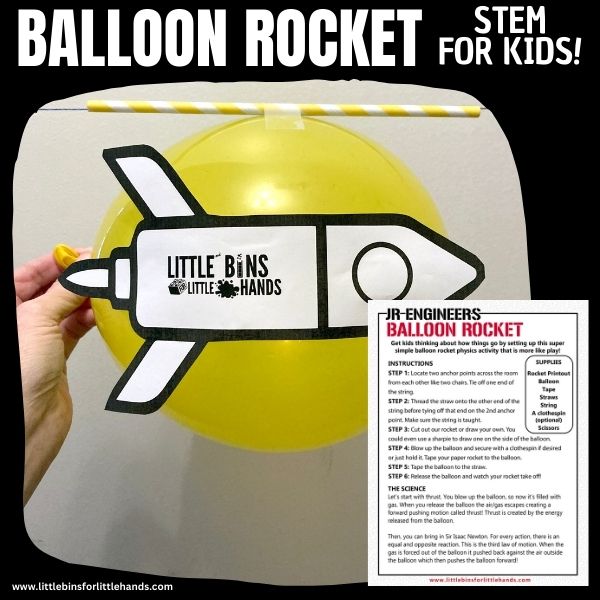
Balloon Rocket – Launch balloons along a string track.
- NGSS: 4-PS3-1 (Energy Transfer)
- Guiding Question: How does the amount of air change the rocket’s speed?
Lung Model – Build a simple lung with a bottle, straw, and balloon.
- NGSS: 5-LS1-2 (Body Systems)
- Guiding Question: How do lungs move air in and out?
DIY Water Filter – Filter dirty water with sand, pebbles, and paper towels.
- NGSS: 5-ESS3-1 (Human Impact)
- Guiding Question: How does each layer help clean water?
Static Electricity Balloon Test – Test what a charged balloon can move or attract.
- NGSS: 3-PS2-3 (Forces)
- Guiding Question: What materials are most affected by static electricity?
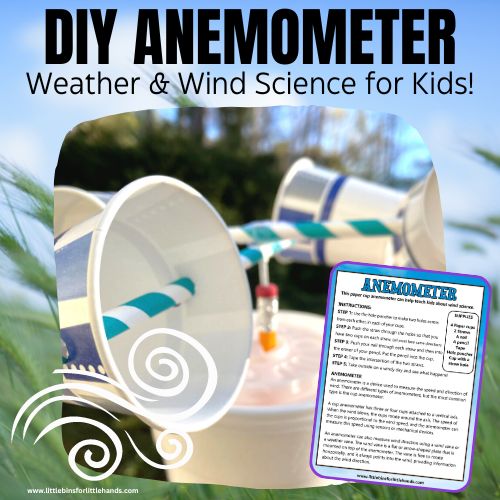
Homemade Anemometer – Build a wind speed tool with cups and straws.
- NGSS: 5-ESS2-1 (Earth Systems)
- Guiding Question: How does wind strength change the speed of spins?
Earthquake Towers – Build towers and test them by shaking gently.
- NGSS: 4-ESS3-2 (Natural Hazards)
- Guiding Question: How can we design towers to be stronger?
Paper Helicopters – Drop paper helicopters from different heights.
- NGSS: 3-PS2-2 (Motion & Forces)
- Guiding Question: How do changes in the wings affect how the helicopter falls?
Evaporation Test – Place cups of water in different environments.
- NGSS: 5-PS1-2 (Changes in Matter)
- Guiding Question: Where does water disappear fastest?

Volcano Eruption – Mix baking soda and vinegar in a container.
- NGSS: 5-PS1-4 (Chemical Reactions)
- Guiding Question: What happens when the two mix?
Parachute Drop – Build parachutes with coffee filters and test them.
- NGSS: 3-PS2-1 / 3-5-ETS1-3 (Forces & Design)
- Guiding Question: What designs make the parachute fall more slowly?

Teacher Tips for Low Prep Science Activities
More Science Resources to Discover
This is just a sampling of the low prep science activities you’ll find here! Here are some more science resource guides to explore.
- Life Science for Kids
- Earth’s Systems
- Weather Science Activities
- Plant Experiments for Kids
- Fun Cycles of Matter Projects
Low Prep Science FAQ
What are low-prep science activities?
These are activities that use everyday items (like cups, balloons, or paper) and require very little setup time, making them ideal for busy classrooms.
How do these activities connect to NGSS?
Each activity aligns with core NGSS standards for elementary science, focusing on observation, experimentation, and evidence-based explanations.
Can these be used in mixed-age classrooms?
Yes! Many activities can be simplified or extended depending on grade level. For example, parachute drops can be just for fun in Grade 2 or include data collection in Grade 5.
Do I need special supplies?
No. These activities were chosen to work with items commonly found in classrooms, homes, or dollar stores.