
Ecology is the study of how living things interact with each other and their environment. Kids can explore food chains, habitats, adaptations, nutrient cycles, biomes, and human impact through hands-on projects. These engaging ecology activities are perfect for elementary classrooms or for use at home in science.

Ecology for Kids
- Field of Science: Life Science (Ecology)
- Grades: K–5
- Concepts: Food chains, adaptations, ecosystems, nutrient cycles, plant survival, biomes, and human impact on the environment
Ecology Projects
🔎 Please click on the titles to learn more about each experiment or demonstration. Many projects include a free printable to add to your science journal.
1. Build an Animal Habitat
Create a mini habitat using a shoebox, natural materials, and printable animal cut-outs. Learn how animals depend on plants, water, and shelter. You can also try our Animal Shelter STEM Challenge [here].
NGSS Guiding Questions:
- What do plants and animals need to survive? (Free printable here)
- How do living things use their environment for food, water, and shelter?

2. Food Chain Worksheets
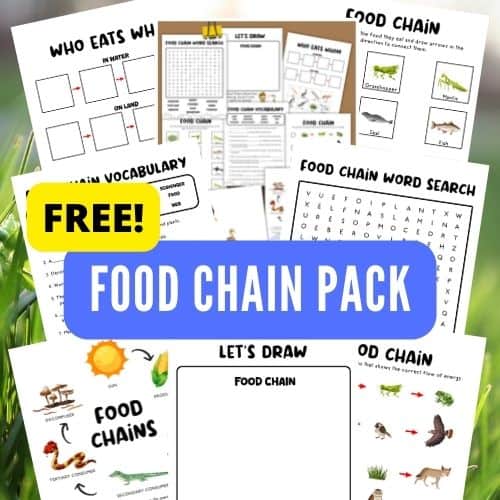
Use these worksheets or a winter food chain mobile to build a food chain from producer to consumer to decomposer. Show how energy moves through an ecosystem.
NGSS Guiding Questions:
- How does energy move through an ecosystem?
- What happens if one part of a food chain is removed?
3. Animal Adaptations Experiment
Try a “bird beak” activity using tweezers, spoons, and clothespins to test which tool is best for picking up different foods.
NGSS Guiding Questions:
- How do animals use special body parts to survive?
- How do adaptations help living things get food?

4. Compare Animal Senses to Human Senses (Coming Soon)
Test the five senses with blindfold taste tests, listening challenges, or smell jars, then compare to how animals use these senses in the wild.
NGSS Guiding Questions:
- How do animals use senses to find food and avoid danger?
- How are human senses similar or different from animal senses?
5. Animal Migration Activities
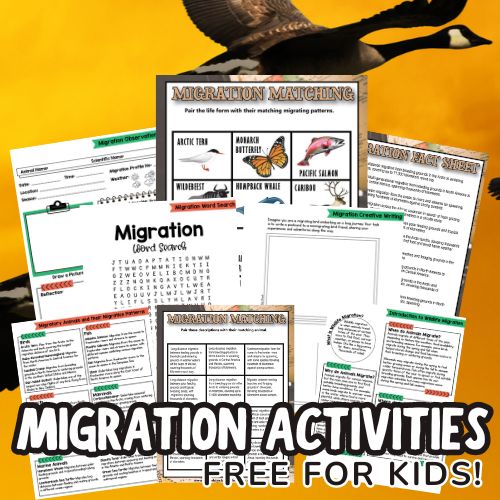
Learn about animal migration with hands-on activities and worksheets.
NGSS Guiding Questions:
- Why do some animals travel long distances?
- What do animals need to survive in different seasons?
6. Decomposing Pumpkin Experiment
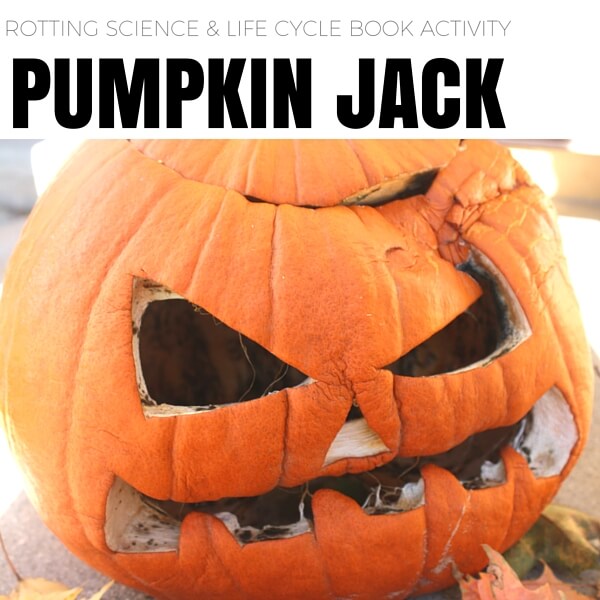
Observe what happens when a pumpkin is left outside over time. Track changes and talk about decomposers. We have more microbiology experiments here.
NGSS Guiding Questions:
- What happens to plants and animals when they die?
- How do decomposers recycle matter in an ecosystem?
7. Winter Food Chains
Build a food chain using cut-outs of animals that are active in colder months. Also check out winter animal adaptations here.
NGSS Guiding Questions:
- How do animals find food in winter?
- What role do plants and animals play in seasonal food chains?

8. Diurnal vs. Nocturnal Animals
Sort animals into daytime (diurnal) or nighttime (nocturnal) categories and discuss why their activity patterns help them survive.
NGSS Guiding Questions:
- How does being diurnal or nocturnal help animals survive?
- What adaptations support these patterns?

9. Hibernation Science Activity
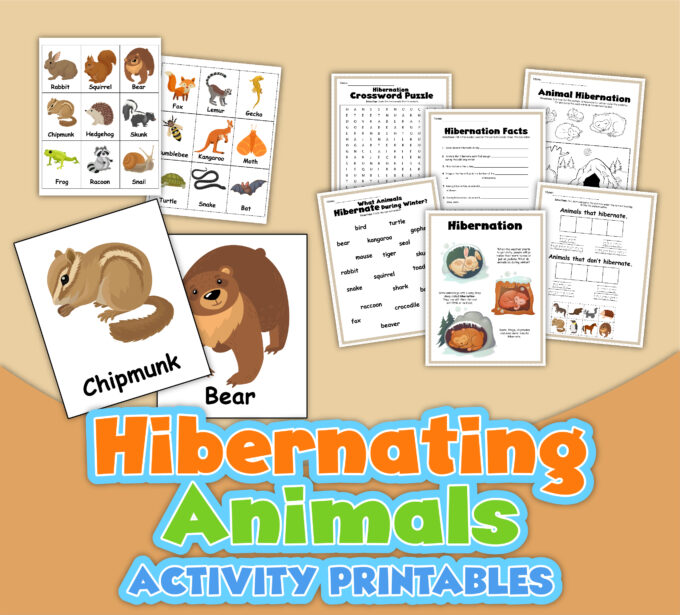
Model how hibernation conserves energy by comparing insulated vs. non-insulated containers filled with warm water. Try this insulation experiment too.
NGSS Guiding Questions:
- How does hibernation help animals survive the winter?
- What adaptations protect animals from cold weather?
10. Ecosystem Exploration (Coming Soon)
Make a small terrarium or explore a local park to observe how plants, animals, and decomposers work together.
NGSS Guiding Questions:
- What makes up an ecosystem?
- How do living and nonliving things interact in nature?
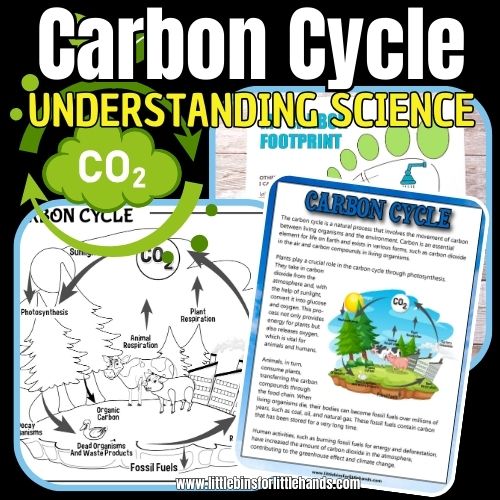
11. Carbon Cycle Activities
Model the carbon cycle with a simple closed system. Place a plant in a sealed bag with sunlight and observe condensation and gas exchange over time.
NGSS Guiding Questions:
- How does carbon move between plants, animals, and the air?
- Why is the carbon cycle important for life on Earth?
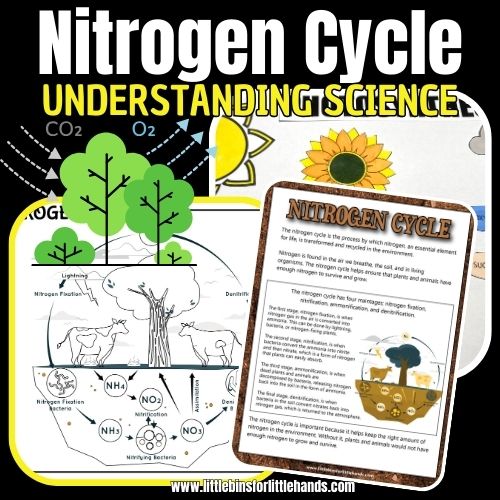
12. Nitrogen Cycle Demonstration
Use a diagram activity to examine the movement of nitrogen from the soil to plants, to animals, and back into the atmosphere.
NGSS Guiding Questions:
- How does nitrogen cycle through soil, plants, and animals?
- Why do living things need nitrogen to survive?
13. Plant Growth Experiment
Grow plants in different conditions (full sun, shade, no light) and compare results.
NGSS Guiding Questions:
- How do plants use sunlight to grow?
- What patterns do I see when plants grow in different environments?

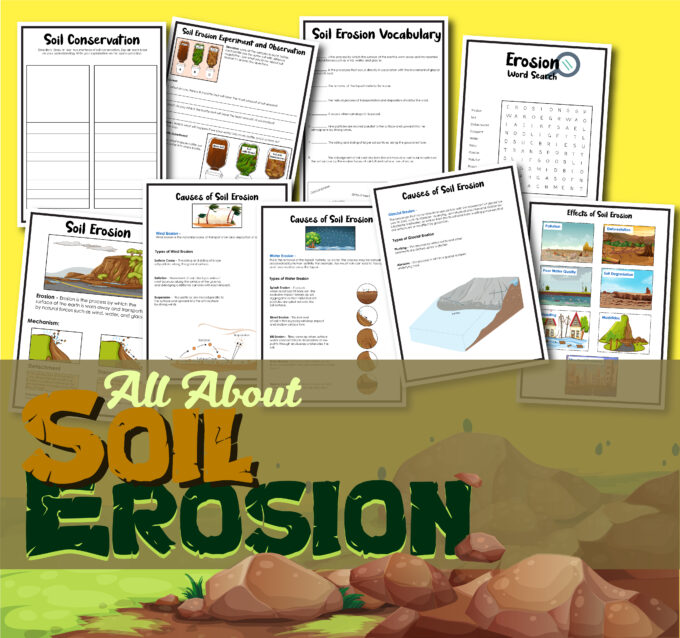
14. Erosion Demonstration
Fill two pans with soil. Cover one with grass or leaves and leave the other bare. Pour water to simulate rain and observe erosion.
NGSS Guiding Questions:
- How do plants help protect soil from erosion?
- What evidence shows how ecosystems prevent land from washing away?
15. Water Filter Project
Design a simple filter with gravel, sand, and cotton to clean “dirty” water. Connect it to how ecosystems naturally filter water.
NGSS Guiding Questions:
- How does water move through natural filters like soil and rocks?
- Why is clean water important for both humans and ecosystems?

16. Seed Dispersal Investigation
Test different ways seeds travel. Use lightweight seeds (dandelions) for wind, water-friendly seeds (beans in a cup of water) for floating, and Velcro or burr-like objects to mimic animal dispersal.
NGSS Guiding Questions:
- How do plants spread their seeds?
- What adaptations help seeds move to new places?

17. Explore the World’s Biomes
Introduce kids to deserts, forests, grasslands, tundras, and oceans. Use maps, printable sorting cards, or a classroom mural to show how different biomes support unique plants and animals. You can also grab a free biomes lapbook.
NGSS Guiding Questions:
- How do climate and geography shape which plants and animals live in a biome?
- What patterns can we see when comparing different biomes?

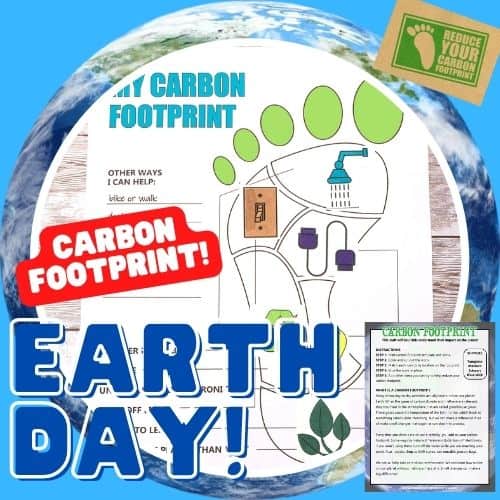
18. Carbon Footprint Worksheet
Help kids explore how daily choices (food, travel, electricity) affect the environment. Use a simple worksheet to track their “carbon footprint.”
NGSS Guiding Questions:
- How do human activities affect ecosystems?
- What changes can people make to reduce their impact?
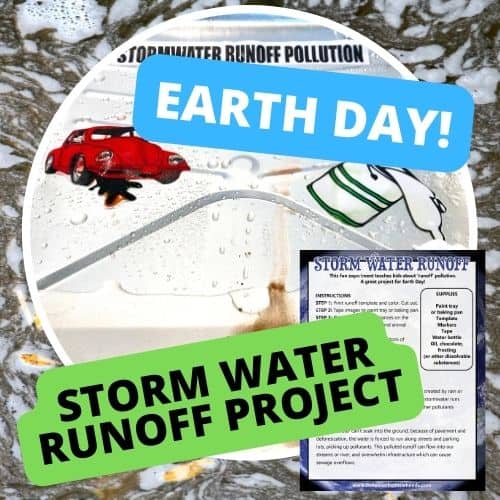
19. Storm Runoff Demonstration
Use a tray with sand or soil, then pour water to simulate rain. Compare “runoff” from bare soil, soil with plants, and soil with barriers (like rocks).
NGSS Guiding Questions:
- How does storm runoff affect soil, plants, and water quality?
- What can ecosystems (and people) do to reduce runoff?
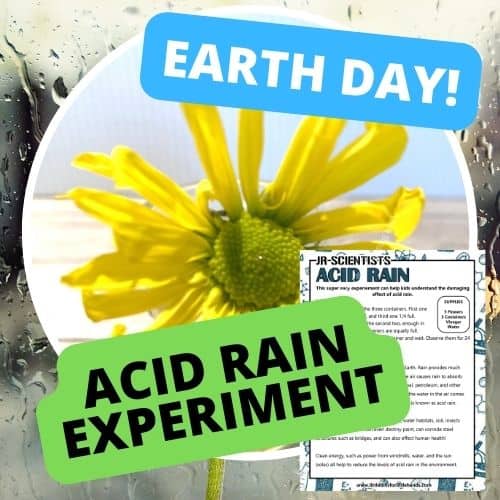
20. Acid Rain Demonstration
Simulate acid rain by watering plants with vinegar water vs. plain water. Track plant health over several days.
NGSS Guiding Questions:
- How does acid rain affect plants and soil?
- What evidence shows pollution can change ecosystems?
Ecology Information
🔎 Branch of Science: Life Science (Ecology), with crossovers to Earth Science (climate, weather, natural resources, matter cycles).
Recommended Grade Levels:
- K–2: Simple observations (habitats, food needs, diurnal/nocturnal, seed dispersal).
- 3–5: Data collection, food chain/web building, migration mapping, adaptation experiments, erosion demos.
- Upper elementary extensions: Modeling nutrient cycles, biomes, conservation projects, and human impact investigations.
NGSS Connections:
- K-LS1-1: Use observations to describe patterns of what plants and animals need to survive.
- 2-LS2-1: Investigate if plants need sunlight and water to grow.
- 2-LS2-2: Model how plants disperse seeds.
- 2-LS4-1: Observe plants and animals to compare diversity.
- 3-LS2-1: Construct an argument that some animals form groups to survive.
- 3-LS4-3: Explain why some organisms survive well in a habitat.
- 3-ESS2-2: Describe climates in different regions (biomes).
- 4-ESS2-1: Provide evidence of the effects of erosion.
- 4-ESS3-1: Explain how fuels are derived from resources and affect the environment.
- 5-ESS3-1: Explore ways communities protect Earth’s resources.
- 5-LS2-1: Model the movement of matter among plants, animals, decomposers, and the environment.
Ecology Science Facts for Kids
- A healthy ecosystem has many different plants and animals (biodiversity).
- Decomposers recycle nutrients back into the soil.
- Migration helps animals find food and warmer weather.
- Carbon, nitrogen, and water cycles keep ecosystems balanced.
- Human activity can change ecosystems — but small choices can help protect them.
Extension Activities
- Keep an “ecology journal” to draw food webs, plant growth observations, or biomes.
- Observe a local ecosystem and note living vs. nonliving interactions.
- Create a classroom “mini ecosystem” in a clear container with plants and soil.
- Compare plant growth in different conditions as a long-term classroom experiment.
Make It a Science Project
- Which “beak” tool works best for different food types? (Animal Adaptations)
- How long does it take for a pumpkin to decompose? (Pumpkin Jack Project)
- Which soil covering best prevents erosion? (Soil Erosion Experiment)
- What conditions make plants grow tallest? (Plant Growth Experiment)
- How does acid rain affect plant growth compared to regular rain? (Acid Rain Demonstration)
- How does adding plants affect storm runoff? (Storm Runoff Demonstartion)
🔎 Add the scientific method complete with a hypothesis, variables, and data collection!
Related Science Activities
- Animal Life Cycles Projects
- Cycles of Matter Science Activities (coming soon)
- Earth Study Pack
- Life Science Activities for Kids
- Water Conservation Pack