
Here you’ll find our ultimate guide to sensory play, including hands-on ideas for every season, holiday, and interest. These easy sensory activities are perfect for toddlers, preschoolers, and early elementary-age kids. Most use simple supplies you already have at home!
What Is Sensory Play?
Sensory play is any hands-on activity stimulating one or more of the five senses—touch, smell, sight, sound, or taste. It’s a fun and engaging way for kids to explore the world around them while building essential skills.
Whether kids are digging into a sensory bin, shaking a calm-down bottle, or kneading a batch of homemade playdough, sensory play helps support fine motor development, encourages language growth, introduces early science concepts, and promotes emotional regulation.
This guide focuses mainly on tactile sensory play, which involves the sense of touch through textures, movement, and pressure-based activities.
Sensory play benefits include:
- Enhancing brain development
- Supporting self-regulation
- Strengthening hand muscles
- Encouraging creativity and problem-solving
- Providing calming input for sensory needs
Why Sensory Play Is Important
Sensory play is more than messy fun—it’s a powerful learning tool! Through sensory exploration, kids build early science and math understanding, strengthen fine motor skills, and gain confidence in trying new things.
Even better, sensory play activities can be tailored to any age. Use taste-safe options for toddlers or more advanced textures and tools for older kids.
🛑 Always supervise sensory activities for younger children and choose safe materials.
Easy Sensory Play Ideas to Try
Explore a huge variety of sensory play activities using bins, bottles, doughs, and more below.
✅ Sensory Bins
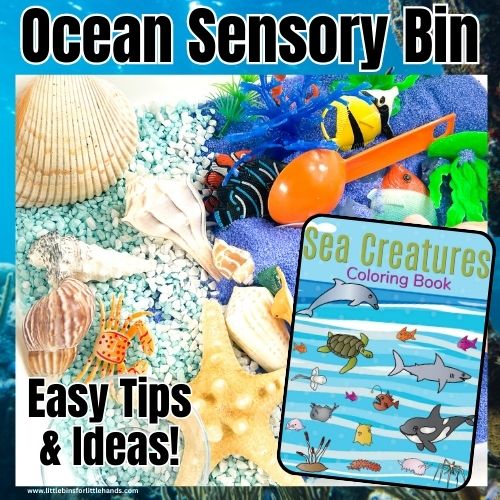
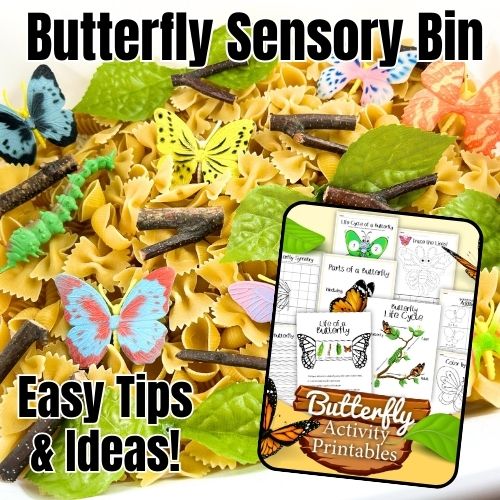
Create themed sensory bins with easy fillers like rice, pasta, or chickpeas. Add scoops, tongs, or small toys to encourage exploration.
Popular sensory bin themes:
- Butterfly sensory bin
- Garden sensory bin
- Ladybug sensory bin
- Ocean sensory bin
- Dinosaur sensory bin
- Tropical beach sensory bin
- Calming lavender sensory bin
💡 Learn more about sensory bins, best fillers, and how to make them.

✅ Sensory Bottles
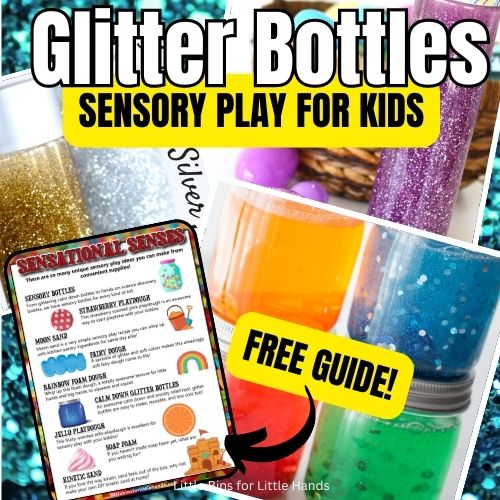
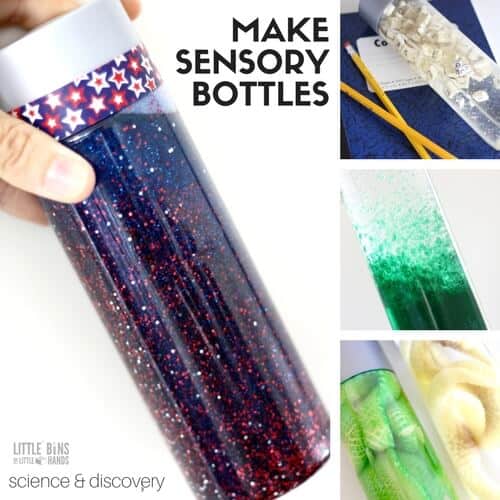
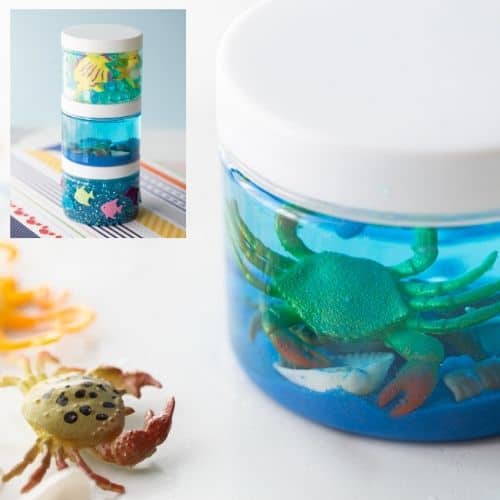
Sensory bottles (or calm-down jars) are portable, mess-free tools filled with glitter, beads, or water beads. They are great for anxiety relief, calming play, and visual exploration.
Try:
✅ Playdough and Sensory Doughs
Homemade sensory doughs are a classic tactile activity. Try scented, colored, or edible variations like:
- No-cook playdough
- Jello playdough
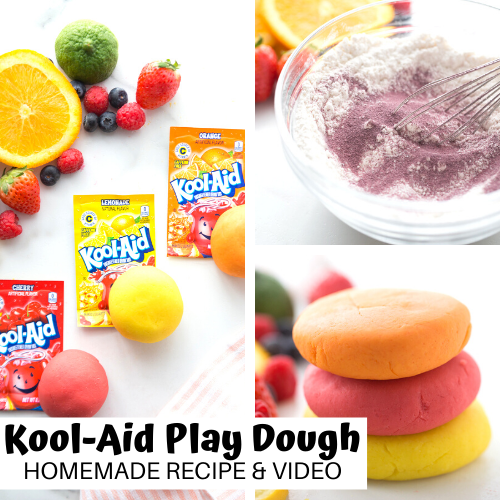
- Koolaid Playdough
- Taste-safe frosting playdough
- Fairy dough
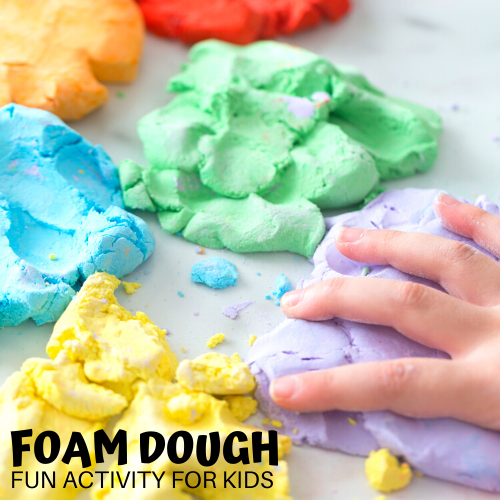
- Foam dough
- Lemon scented dough

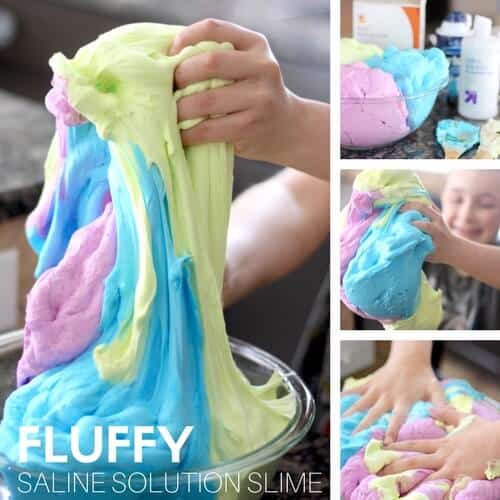
✅ Slime for Sensory Play
Slime is stretchy, squishy fun! Choose borax-free or taste-safe slime recipes for younger kids.
Try:
👉 20+ Homemade Slime Recipes for Kids plus tips and tricks to make the best slime ever!
✅ Taste-Safe Sensory Activities
Perfect for toddlers and young kids who love to mouth materials!
Try:
- Aquafaba foam (Chickpea foam)
- Pudding dough
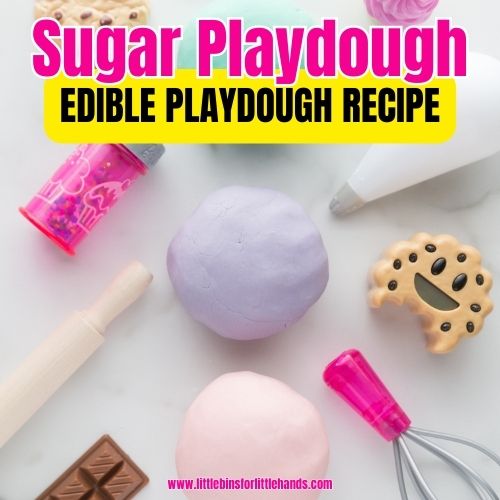
- Powdered sugar playdough
- Edible slime recipes
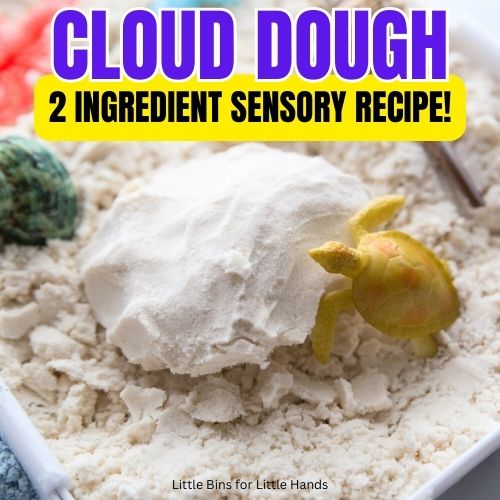
- Cloud Dough
👉 Taste-Safe Sensory Ideas

Sensory Play by Season or Theme
Sensory play works all year long! Find themed ideas for:
- Spring, Summer, Fall, and Winter
- Christmas, Halloween, Thanksgiving
- Valentine’s Day, St. Patrick’s Day, and Easter
- Ocean, garden, and weather themes
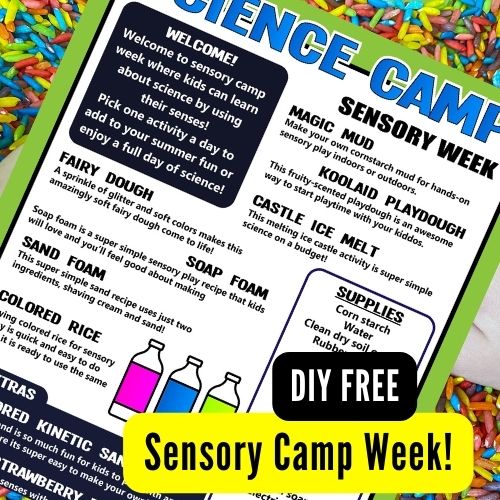
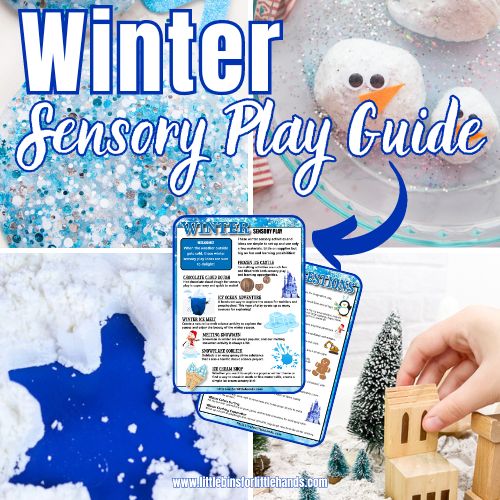
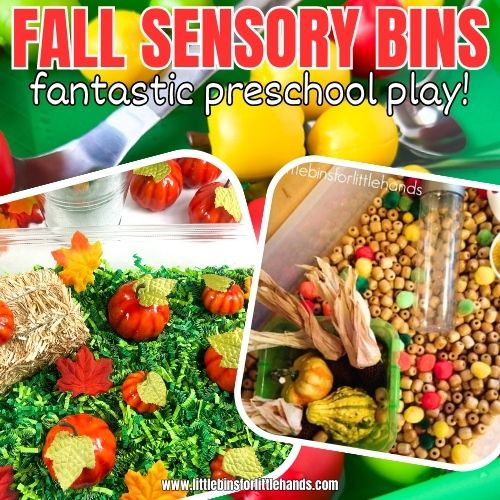
DIY Sensory Materials
Many of our favorite sensory play materials are homemade and budget-friendly. Make your own:
- Colored rice or pasta
- Colored chick peas
- Cloud dough
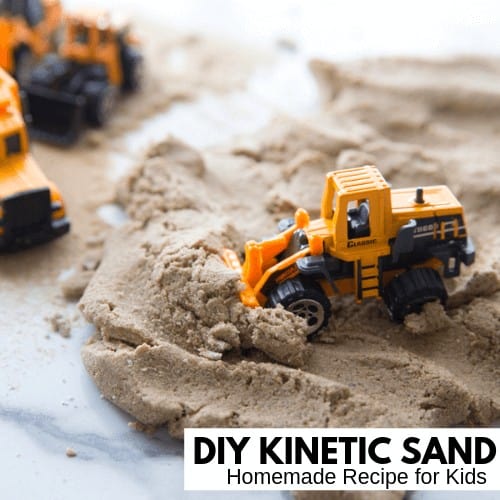
- Kinetic sand
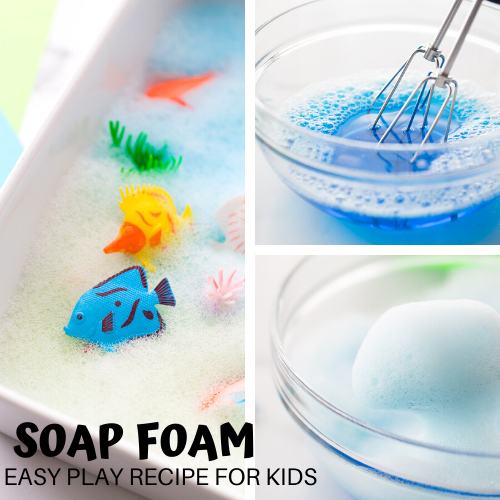
- Sensory foam or soap foam
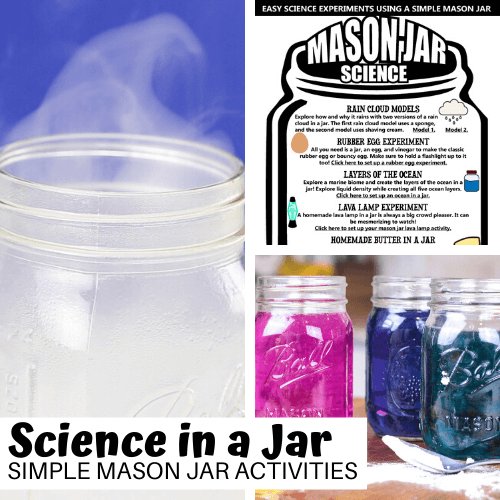
- DIY glitter jars
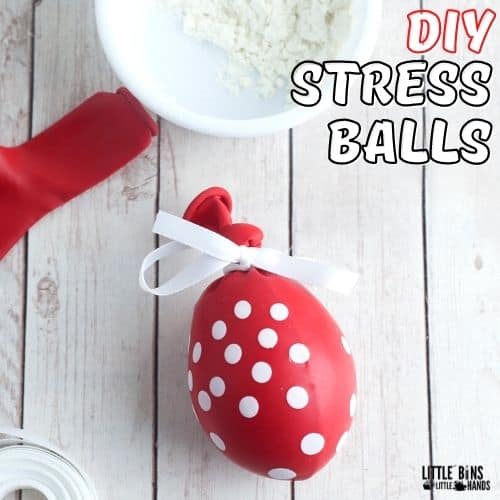
- Stress balls
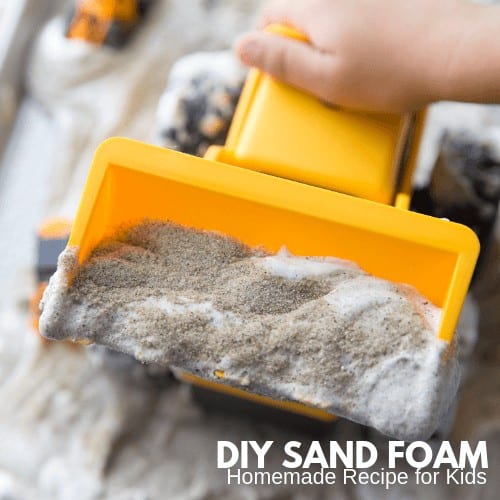
- Sand Foam
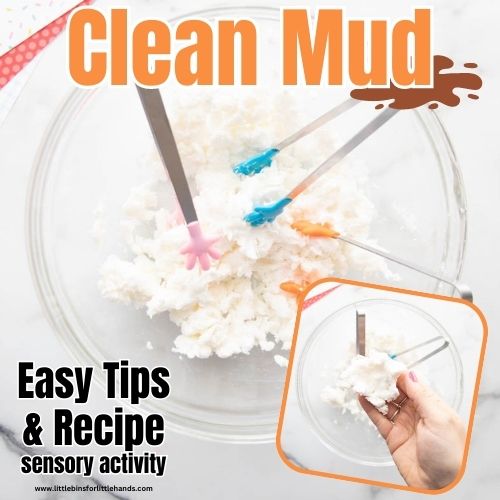
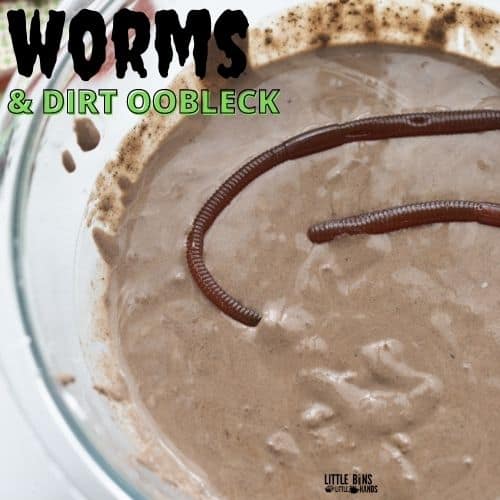
- Clean Mud
- Magic Mud Recipe
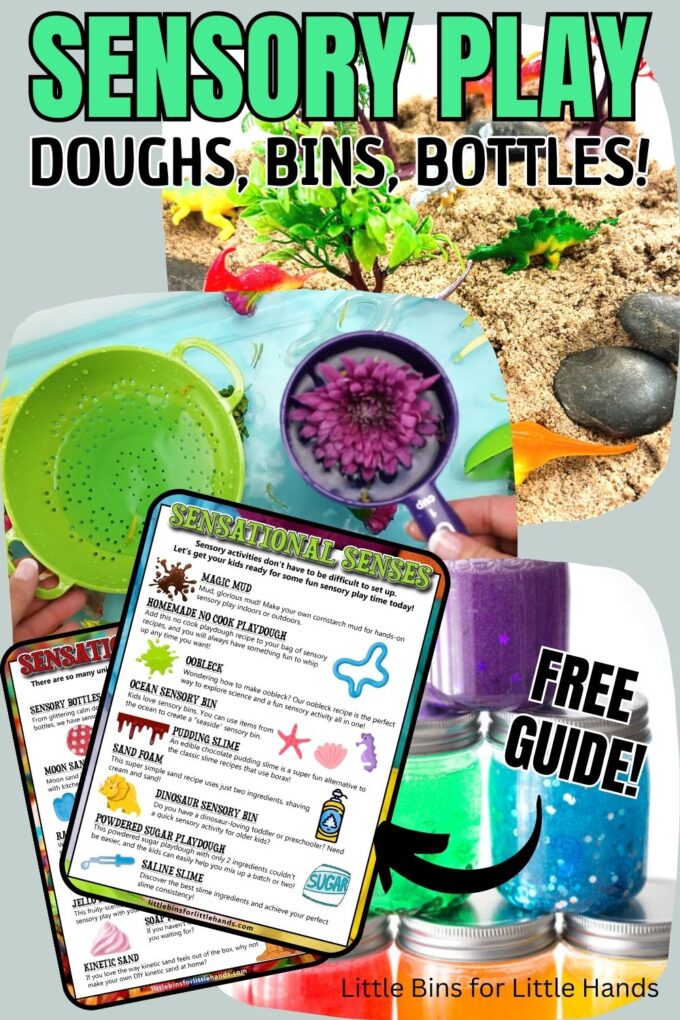
Free Printable Sensory Activities Guide
Grab this handy, free sensory play ideas guide to help you plan your sensory experiences!
Final Tips for Sensory Play
- Always supervise sensory activities, especially with toddlers
- Choose non-toxic, taste-safe, or edible recipes when needed
- Set up a sensory-safe area for easier cleanup
- Incorporate early learning themes like numbers, letters, and nature
More Sensory Resources
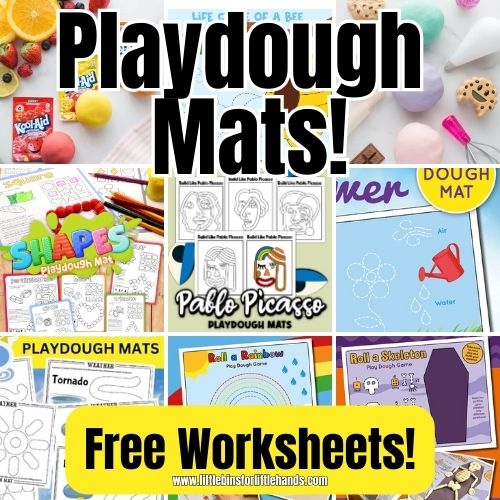
- Printable Playdough Activity Mats
- How to Clean Up a Sensory Bin
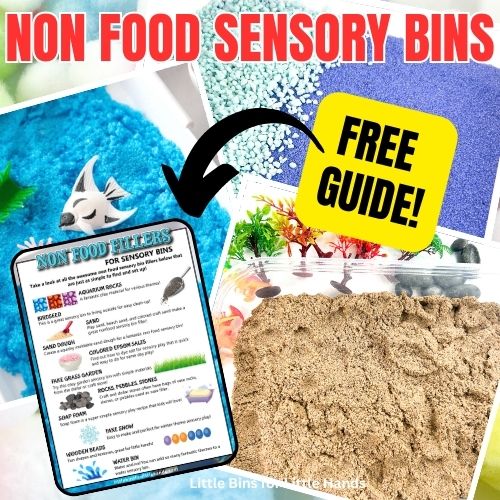
- Non-Food Sensory Fillers
- How to Make Sensory Bins
- Tuff Tray Sensory Play Guide

FAQ Section
Q1: What is sensory play?
A1: Sensory play involves activities that stimulate a child’s senses—touch, sight, sound, taste, and smell—to support cognitive growth, motor skills, and social interaction.Parents
Q2: Why is sensory play important for children?
A2: It aids in brain development, enhances memory, and helps children learn to process and respond to sensory information effectively.
Q3: How can I create a sensory bin at home?
A3: Fill a container with materials like rice, beans, or sand, and add items such as scoops, toys, or textured objects to explore.
Q4: Is sensory play suitable for all ages?
A4: Yes, sensory play can be adapted for various age groups, from infants to older children, by selecting age-appropriate materials and activities.
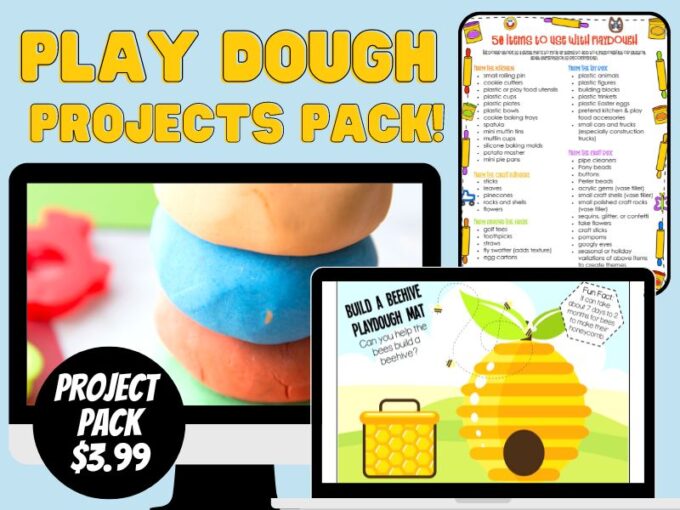
Printable Playdough Activity Pack
Everything you need to enjoy homemade playdough at home or in the classroom, with a bit of early learning, too! Or use the mats with store-bought playdough to save a little time.
WHAT’S INCLUDED?
- Homemade Playdough Recipes including traditional, no-cook, super soft, and even taste-safe ideas!
- Playdough Mats with an Early Learning Theme, specially designed mats including space, seasons, volcanoes, bees, and more!
- Playdough tips, tricks, and ideas!