
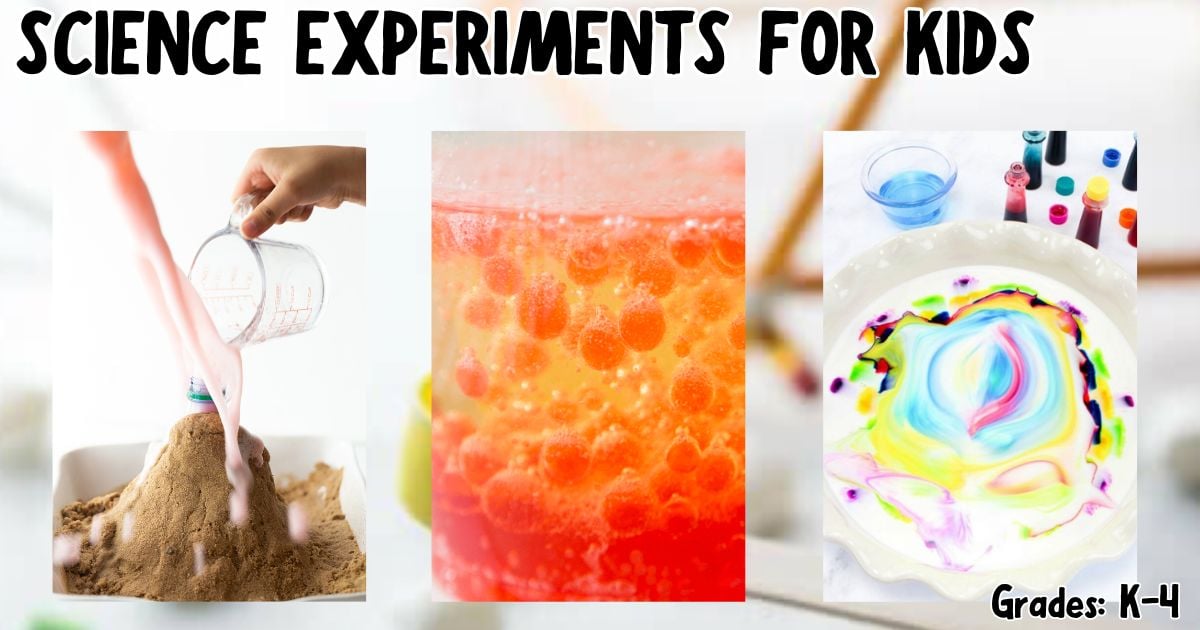
Science experiments are among the best ways for kids to explore chemistry, physics, biology, Earth science, and engineering through simple, hands-on activities. With common household supplies, children can launch rockets, grow crystals, test chemical reactions, build structures, explore forces and motion, and investigate how the world works.
Whether you need a quick science activity, a step-by-step learning path, a STEM challenge, or a science fair project idea, you’ll find hundreds of easy science experiments for kids below.
These science activities work well for elementary classrooms, homeschool science, STEM clubs, after-school programs, and learning at home.
Start with a quick activity today, then follow guided learning paths to build real understanding over time. Whether you need a fast boredom-buster, a full lesson, or a science fair idea, you’ll find it here.
Quick Science Experiments to Try First
Short on time? Start with one of these popular science experiments:
• Mentos and soda geyser experiment
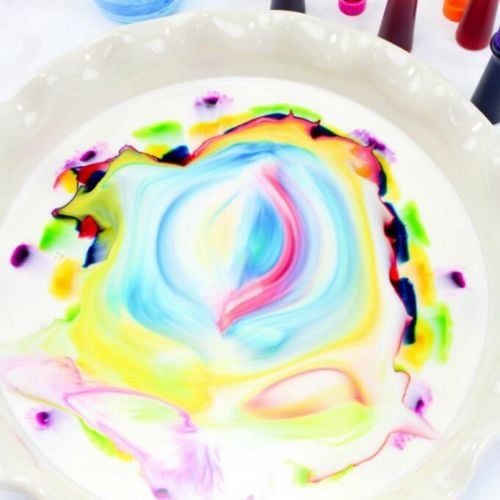
• Magic milk experiment
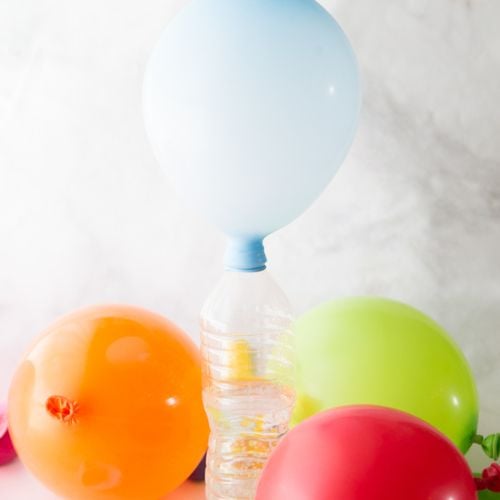
• Baking soda balloon experiment
• Lava lamp experiment
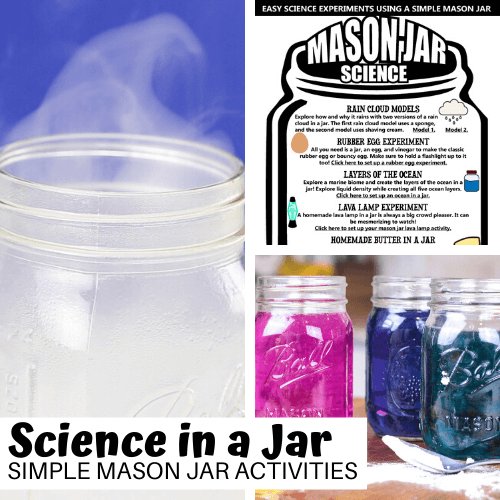
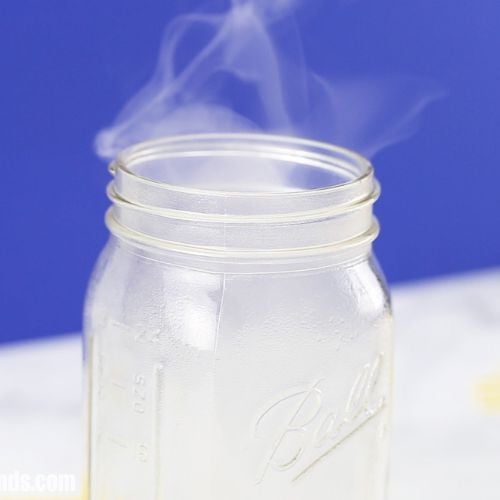
• Cloud in a jar experiment
• Rainbow in a jar density tower
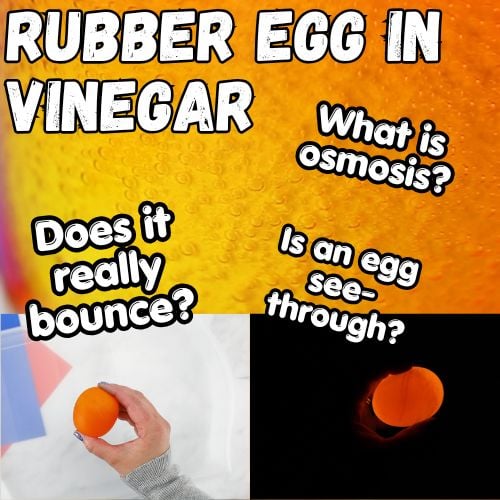
• Rubber egg experiment
• Balloon rocket activity
These simple experiments introduce important scientific concepts such as chemical reactions, density, air pressure, gas production, and forces and motion.
How to Use This Science Experiments Page
There are several ways to explore science activities on this page, depending on your goals.
You can:
• try a quick science experiment
• explore a specific science topic
• follow a science learning path
• find age-appropriate activities
• plan a science fair project
• discover STEM and engineering challenges
The experiments below are grouped by scientific concepts so kids can build their understanding over time rather than simply completing unrelated activities.
Essential Science Experiments for Kids
These hands-on science activities introduce important concepts in chemistry, physics, biology, earth science, and scientific observation.
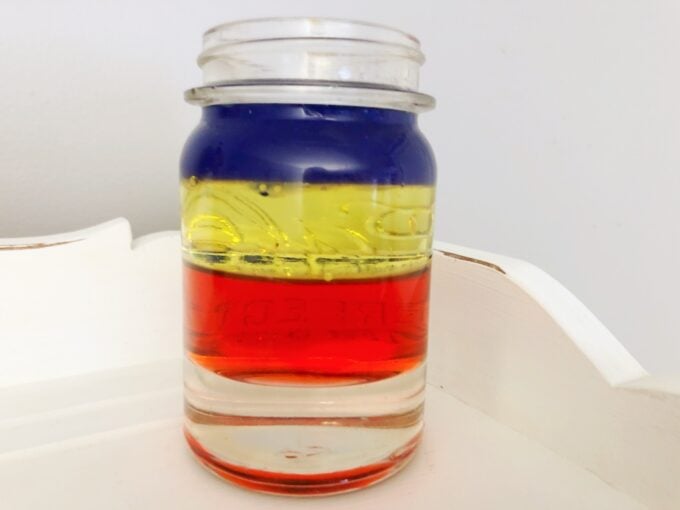
Rainbow in a jar
See liquids stack based on density differences.
Floating egg experiment
Learn how density changes whether objects sink or float.

Rubber egg experiment
Observe a chemical reaction to dissolve an eggshell.
Seed germination experiment
Watch how living things grow and change.
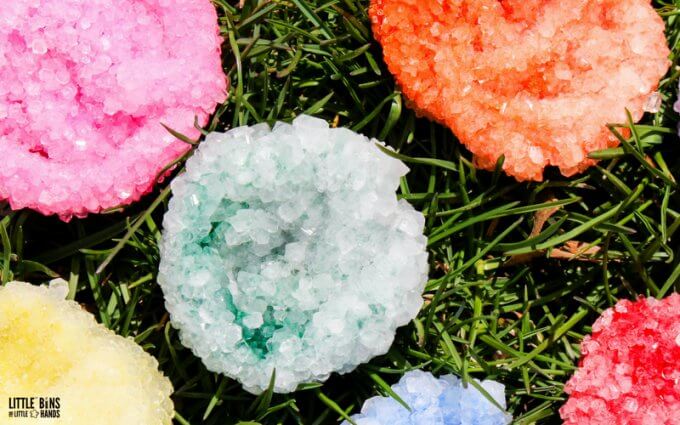
Growing crystals
Discover how dissolved solids form repeating structures.
Surface tension soap boat
See invisible forces move objects across water.
What Kids Learn From Science Experiments
Hands-on science investigations help children develop:
• observation skills
• prediction and critical thinking
• problem solving
• comparing and analyzing results
• understanding cause and effect
• scientific reasoning
💡 Science experiments also encourage curiosity, creativity, persistence, and independent thinking. Unexpected results are part of real science and often lead to even better questions.
Easy Science Investigation Starters
Not every science activity needs a full lab setup. Quick investigations help kids begin exploring scientific ideas with very little preparation.
Simple printable science investigation cards can help children:
• observe changes over time
• test ideas independently
• compare results
• practice recording observations
• build confidence with scientific thinking
👉 Try printable science activity cards for independent investigations
Try More Easy Science Experiments
Now that you’ve tried a few starter activities, explore experiments grouped by scientific ideas. Each group builds understanding so kids begin recognizing patterns instead of seeing science as random reactions.
Chemistry Experiments (Reactions & Matter)
These investigations show that matter can change, combine, and form new substances.

Try observing gas production, color changes, and oxidation:
- elephant toothpaste experiment
- magic milk
- red cabbage ph indicator
- green penny experiment
- iodine starch test
- lemon juice secret messages
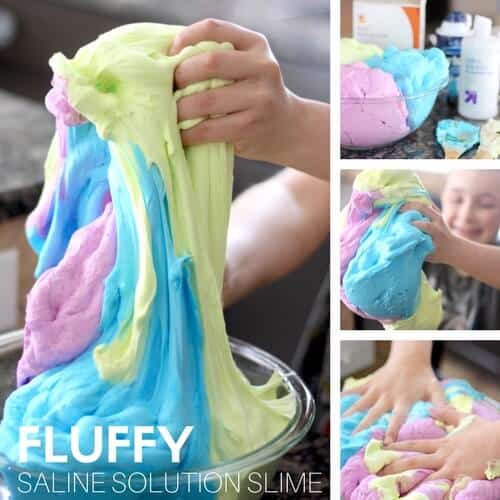
- borax slime for polymers
👉 After testing a few reactions, continue learning how substances mix, separate, and transform with our chemistry experiments for kids.
Physics Experiments (Forces, Motion & Energy)
Physics explains how things move and why objects speed up, slow down, or vibrate. These activities demonstrate pushes, pressure, and energy transfer:
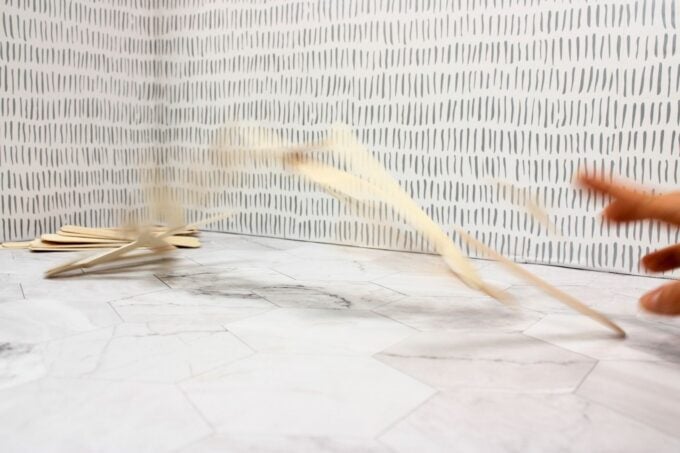
- balloon rocket
- crushing soda can
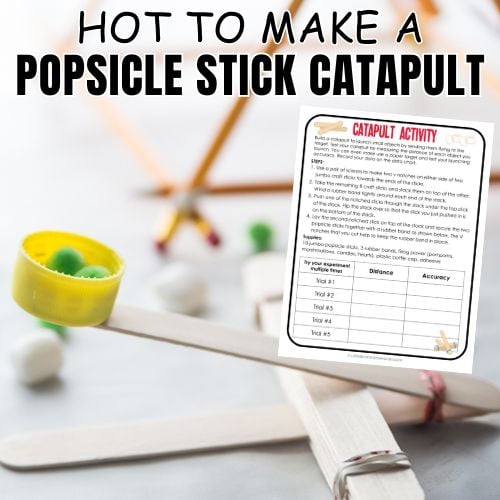
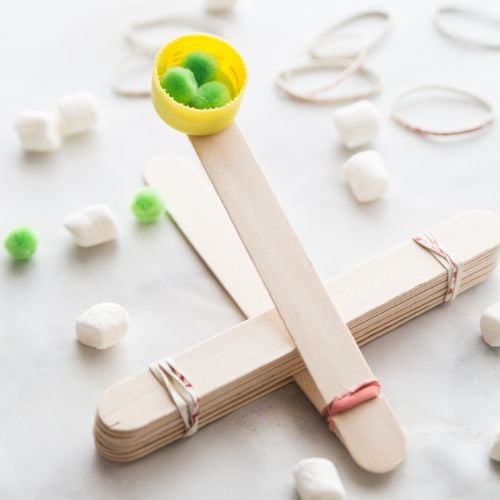
- popsicle stick catapult
- sound wave experiment
- chain reaction experiment
👉 Explore more motion and energy investigations in our physics experiments for kids collection.
Water, Density & Liquids
Liquids behave differently based on how tightly their particles are packed. These experiments help kids predict whether objects float, sink, or layer.
👉 Find additional floating and layering activities in our density experiments for kids resource.
Biology & Natural Science
Living things grow, adapt, and interact with their environment. These investigations help children recognize patterns in nature.
👉 Continue exploring organisms and ecosystems in our biology science activities for kids hub.
Food Science (Kitchen Chemistry)
Food makes chemistry visible because changes happen quickly and safely. Kids can watch molecules react, move, and transform.
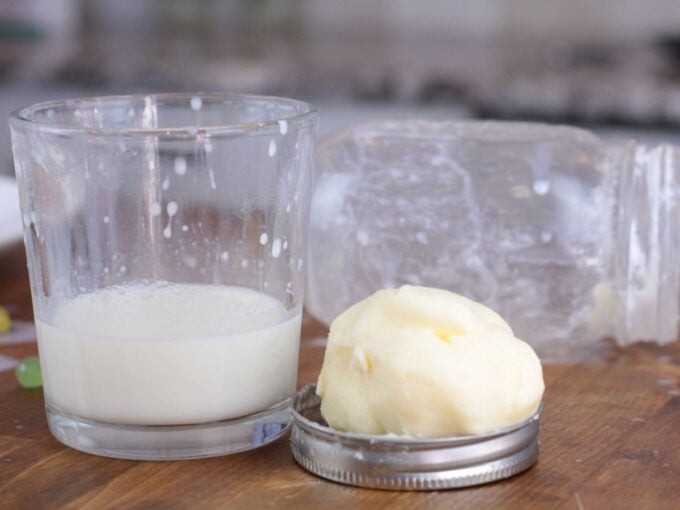
- butter making experiment
- potato osmosis experiment
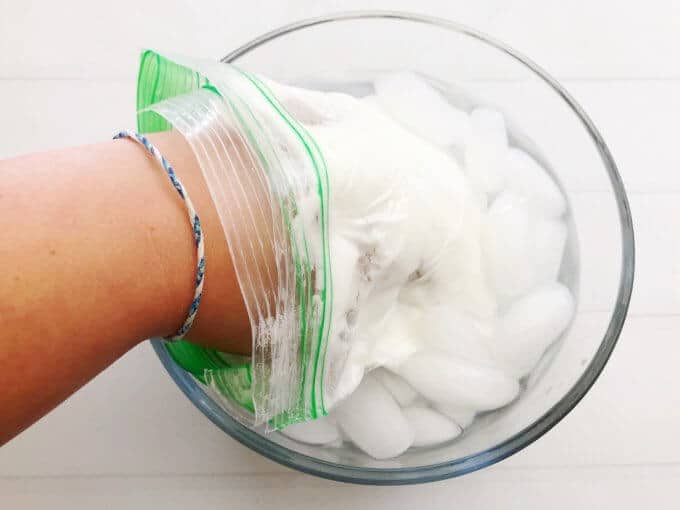
- ice cream freezing experiment
- sugar crystal experiment
👉 Discover more kitchen science investigations with our kitchen chemistry experiments for kids.
Earth Science & Weather
Earth science explains the air, water, and land systems around us. These experiments model real environmental processes.
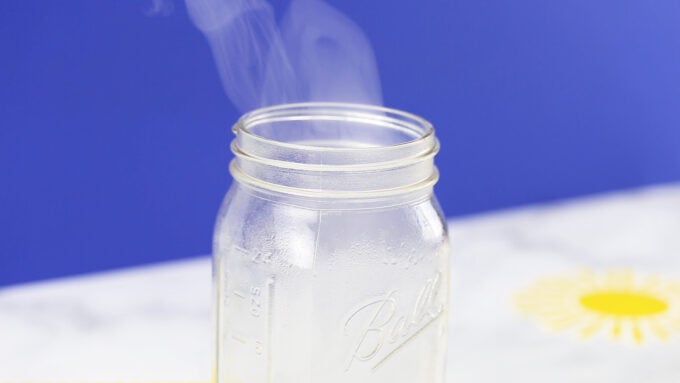
👉 Explore additional environmental investigations with our earth science activities for kids.
STEM Activities & Engineering Challenges
Engineering challenges encourage children to design, test, build, improve, and problem-solve using scientific concepts.
Popular STEM activities include:
• Egg Drop Challenge
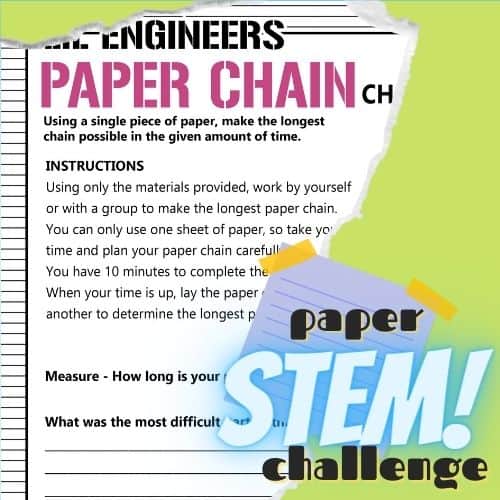
• Paper Bridge Challenge
• Balloon Car
• Straw Boat Challenge
• Marshmallow Tower
• LEGO STEM Challenges
• Catapult Design Challenge
These activities strengthen creativity, critical thinking, and persistence while applying real science and engineering ideas.
👉 Explore more STEM Activities for Kids
👉 Explore more Engineering Projects for Kids
Follow a Science Learning Path
Some kids prefer connected lessons instead of single activities. The pathways below organize experiments into a step-by-step understanding, similar to a mini-curriculum.
Life Science Learning Path
Living things grow, adapt, and depend on their environment. These activities help kids see how organisms survive and interact.
Explore the full life science activities for kids pathway, including:
plant life cycles — how plants sprout, grow, and reproduce
animal adaptations — traits that help survival
ecosystems & food chains — how energy moves through nature
Matter & Chemistry Learning Path
Chemistry becomes easier when concepts connect. Start with what matter is, then move into how it changes.
states of matter — solids, liquids, and gases
physical vs chemical changes — identifying new substances
solutions & mixtures — dissolving and separating materials
Forces & Physics Learning Path
Physics explains motion and energy in everyday life. These investigations gradually build understanding from simple pushes to invisible forces.
forces and motion — pushes, pulls, and movement
sound and vibration — energy traveling through materials
heat transfer — how temperature moves between objects
Science Activities by Age
Find age-appropriate science experiments and STEM activities for different learning levels.
- science activities for toddlers
- science activities for preschoolers
- science for kindergarten
- elementary science activities
- middle school science experiments
Turn an Experiment Into a Science Fair Project
A science fair project isn’t a different activity — it’s a deeper investigation. Start with an experiment, repeat it, change one variable, and record results.
Use these guides to plan and organize your project:
- science fair project ideas
- science project planning tips
- writing a hypothesis
- variables in science experiments
- science fair board layout guide
What Is the Scientific Method
The scientific method is the process scientists use to figure out how things work. Kids naturally follow the same steps whenever they experiment. They wonder what will happen, test it, and look at the results.
- Ask a question — What do you want to find out?
- Make a prediction — What do you think will happen?
- Test it — Try the experiment.
- Observe — Watch carefully and record what changes.
- Draw a conclusion — Did your prediction match the results?
Repeating an experiment and changing one factor at a time helps kids understand cause and effect. This is the foundation of real scientific thinking.
👉 Learn more about the Scientific Method for Kids.
Extend Learning With STEM & Engineering
Science helps us understand how the world works. Engineering uses that knowledge to solve problems and build useful things. After trying experiments, kids can apply what they learned by designing, testing, and improving their own creations.
Try challenges like building structures, launching moving vehicles, or creating simple machines using everyday materials. These activities encourage problem solving, creativity, and persistence.
Explore more ideas in our engineering projects for kids, STEM activities for kids, and LEGO STEM activities collections.
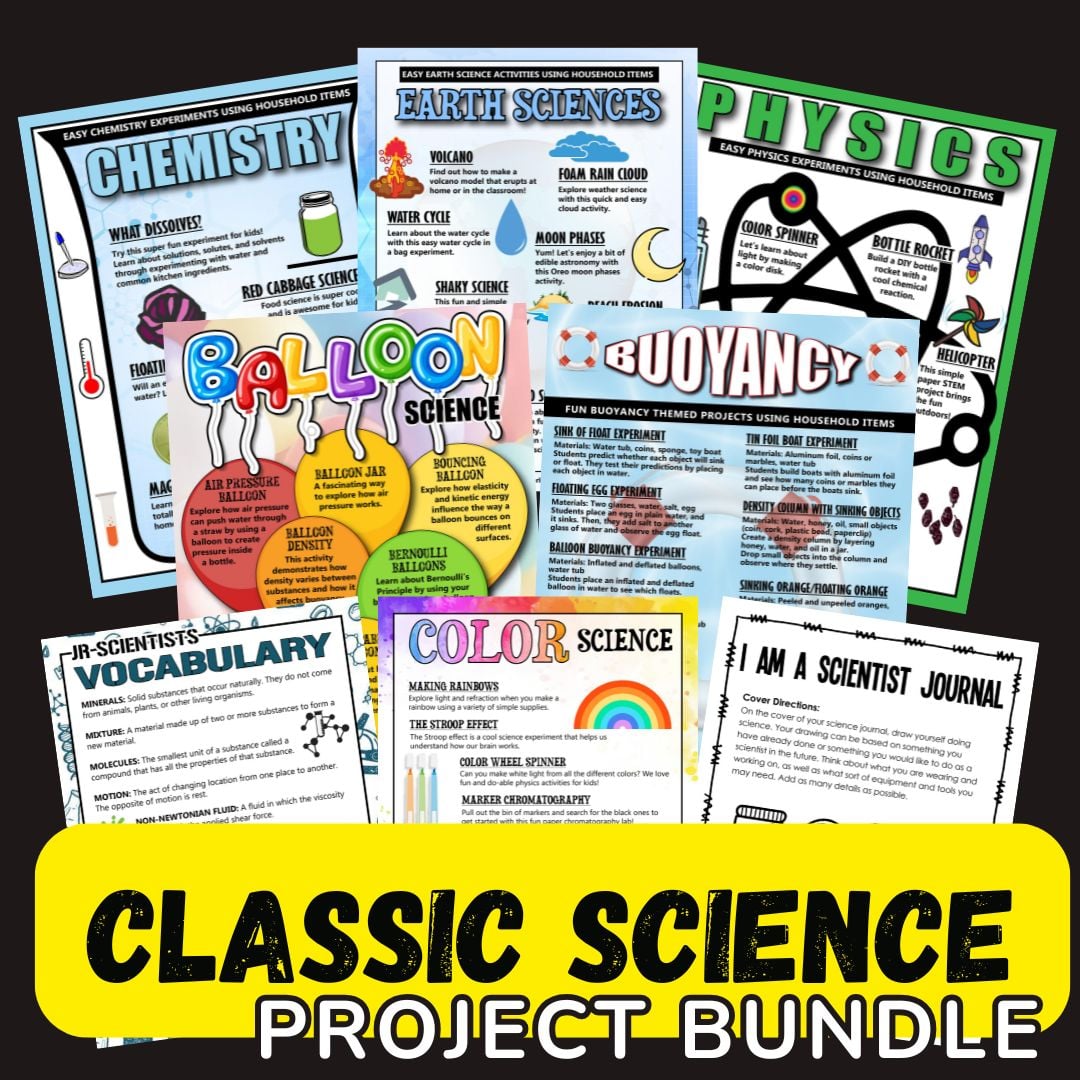
Printable Elementary Science!
Want to do meaningful science — but not start a full unit yet? This starter lab provides quick, hands-on investigations across multiple science topics, allowing students to explore how science works before diving deeper into any one subject.
Perfect for regularly trying science without extensive planning. Grades: K–5.
Science Experiment Safety Tips
Adult supervision is recommended for younger children. Most activities use simple household materials, but children should avoid tasting unknown mixtures and wash hands after experiments.
Safety glasses, trays, and easy cleanup supplies can help make science activities more manageable both at home and in the classroom.
👉 Get the free science labs safety guide here.
Frequently Asked Questions
What age are these science experiments best for?
Most activities work well for ages 5–12. Younger children can participate with adult help, while older kids can run the experiments independently and record results.
Do I need special science equipment?
No. Nearly all experiments use everyday household supplies like baking soda, vinegar, water, food coloring, and common kitchen items.
Can these experiments be used for science fair projects?
Yes. Choose an experiment, repeat it several times, change one variable, and record your observations to turn it into a full science project.
How long does a typical experiment take?
Many activities take less than 10 minutes to set up and complete, while growing, weather, or biology investigations may take several days.
Are the experiments safe?
The activities use kid-friendly materials, but adult supervision is recommended. Avoid tasting mixtures and wash hands after experimenting.
Start Exploring Science
Pick one experiment and start exploring today. Every test, observation, and discovery helps children better understand the world around them.
Grab the free Top 10 Science Experiments printable guide below.