

Explore the wonders of science through hands-on science experiments for 4th graders. These 4th grade science projects including physical science, life science, earth science and more, and not only align with the curriculum but also encourage critical thinking, problem-solving, and scientific inquiry in young learners.

Topics Covered In 4th Grade Science
In 4th grade, the science curriculum typically covers various topics that build upon foundational knowledge from earlier grades while introducing more complex concepts. Here are the common science topics often covered in 4th grade:
- Electricity and Magnetism: Understanding basic electrical circuits, conductors, insulators, and magnetic properties.
- Earth Science: Exploring the Earth’s layers, plate tectonics, earthquakes, volcanoes, erosion, and weathering.
- Life Cycles: Studying life cycles of plants and animals, including metamorphosis and reproduction.
- Ecosystems: Investigating interactions within ecosystems, food chains, habitats, adaptations, and biodiversity.
- Weather and Climate: Learning about weather patterns, climate zones, the water cycle, and how climate affects ecosystems.
- Human Body Systems: Exploring the skeletal, muscular, circulatory, respiratory, digestive, and nervous systems.
- Environmental Science: Discussing ecological issues, conservation practices, natural resources, and the impact of human activities on ecosystems.
- Physical Science: Properties and states of matter with a focus on density, mass, and volume. Energy types and transfer, and forces and motion including simple machines and Newton’s laws
- Scientific Inquiry and Method: Developing skills in scientific investigation, including forming hypotheses, conducting experiments, and analyzing data. Learn more about using the scientific method with examples.
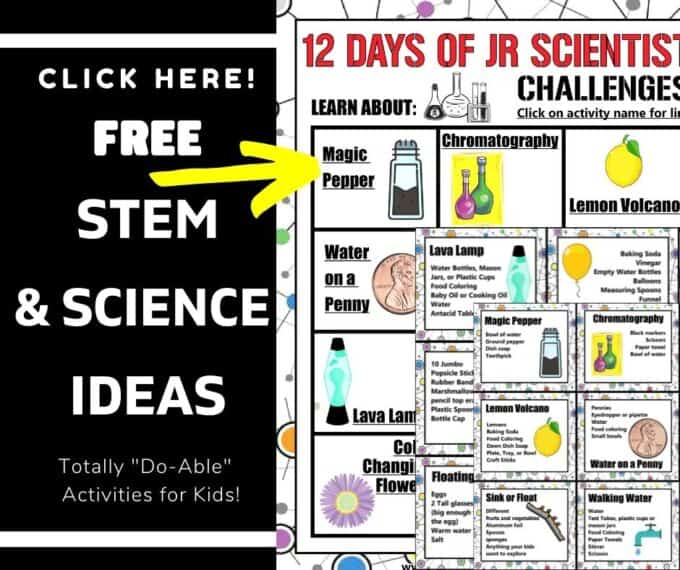
Free printable Junior Scientist pack!
Grab this fantastic free science challenge calendar and get started today! Join the library club for instant access to extra observation pages and hundreds of projects!
Science Activities For 4th Graders
Click on the activities below for step by step instructions, and free printables!
Biology
Plant Growth Experiment: Explore how light, water, and temperature affect plant growth.
Leaf Chromatography: Separate the pigments in leaves to see different colors.
Balloon Lung Model: Create a model lung to understand the mechanics of breathing.
Taste Test: Conduct a blind taste test to explore the sense of taste.
Reaction Time: Explore the science behind reflexes with this reaction time experiment.
Heart Rate: Explore what happens to your heart rate when you exercise.
Insect Life Cycle: Study and document the life cycle of an insect from egg to adult.
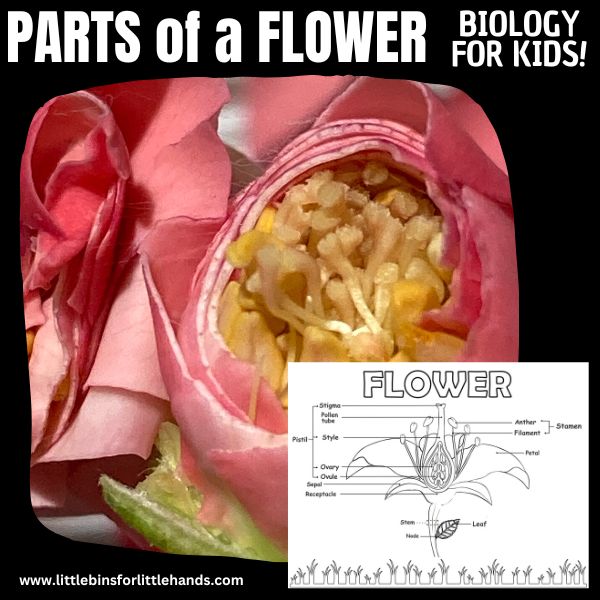
Flower Dissection: Dissect flowers to learn about their parts and functions.
Garden Ecosystem: Create a small garden and study the ecosystem it supports.
Animal Adaptations: Research and present on animal adaptations in different habitats.
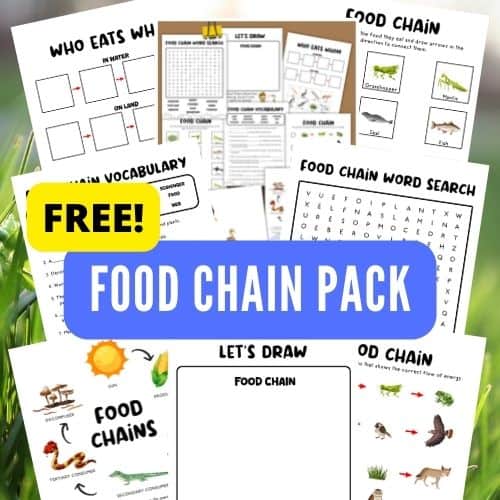
Food Chain: Create a game to demonstrate how energy flows through a food chain.
Biome Study: Research different biomes and their unique characteristics.
Animal Behavior Observation: Observe and record the behaviors of animals in a controlled environment.
Wingspan Investigation: Measure and compare wingspans to study proportional relationships in biology.
Butterfly Life Cycle: Raise caterpillars and observe their transformation into butterflies.
Iodine Starch Test: Find out which foods contain starch by using iodine.
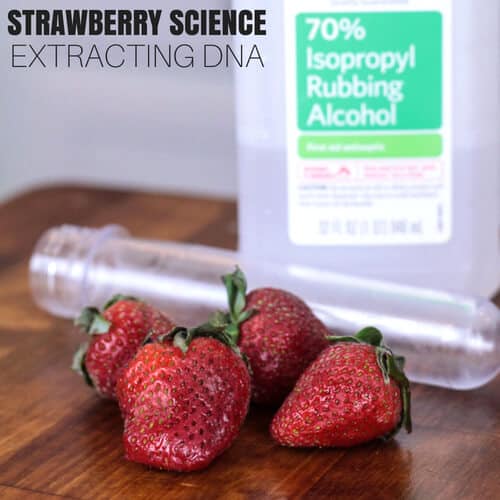
DNA Extraction: Extract DNA from strawberries using household materials.
Chemistry
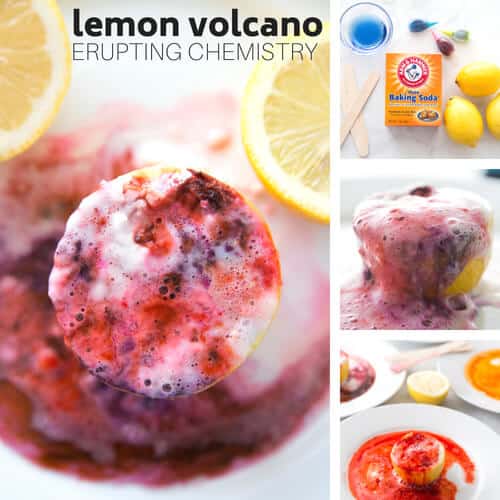
Baking Soda and Vinegar Volcano: Create a classic erupting volcano with a chemical reaction.
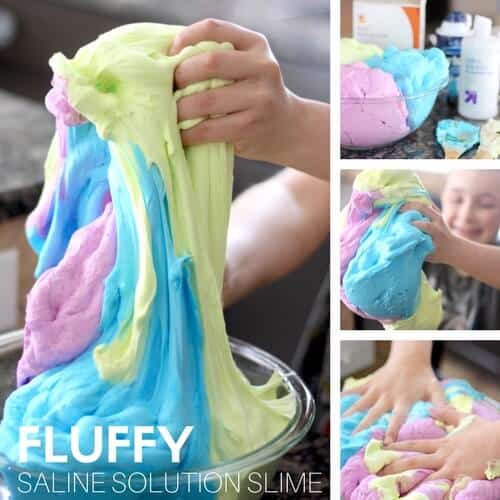
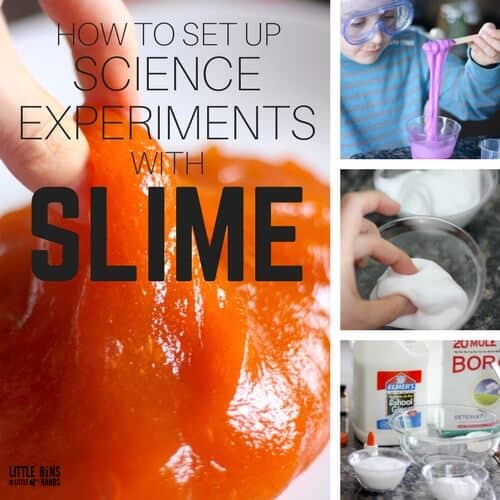
Slime Making: Experiment with different slime recipes and textures.
Homemade Ice Cream: Use chemistry principles to make ice cream in a bag.
Acid-Base Reactions: Test various household substances to see if they are acids or bases.
Sugar Crystal Growth: Grow sugar crystals on a string.
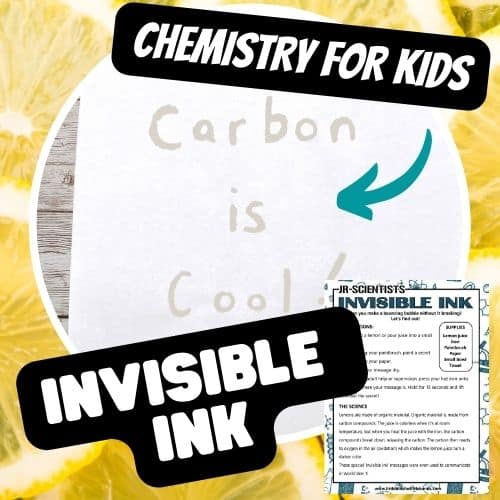
Invisible Ink: Write messages with lemon juice and reveal them with heat.
Density Tower: Create a density tower with different liquids.
Hot and Cold Water: Demonstrate the effects of temperature on water density.
Alka Seltzer Boat: Propel a boat with a alka seltzer chemical reaction.
Sugar Cubes: Explore absorption with different materials and a sugar cube in water.
Paper Towel Test: Investigate which brand of paper towel will absorb the most water.
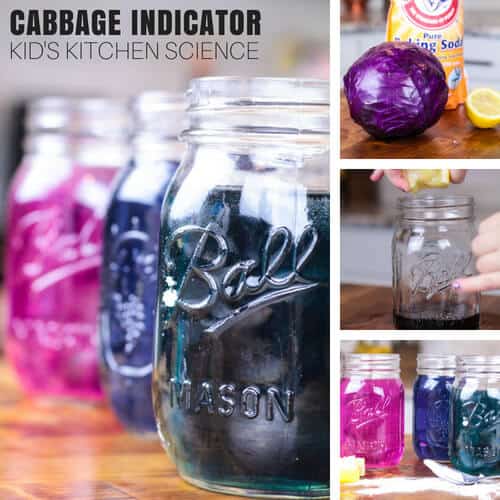
pH Indicator from Cabbage: Make a pH indicator solution using red cabbage.
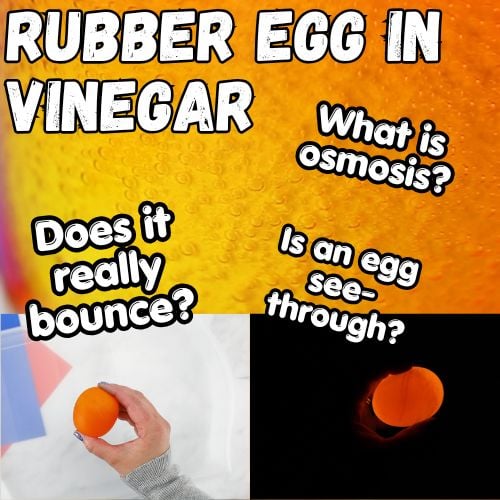
Egg in Vinegar Experiment: Observe what happens to an egg in vinegar over several days.
Physics
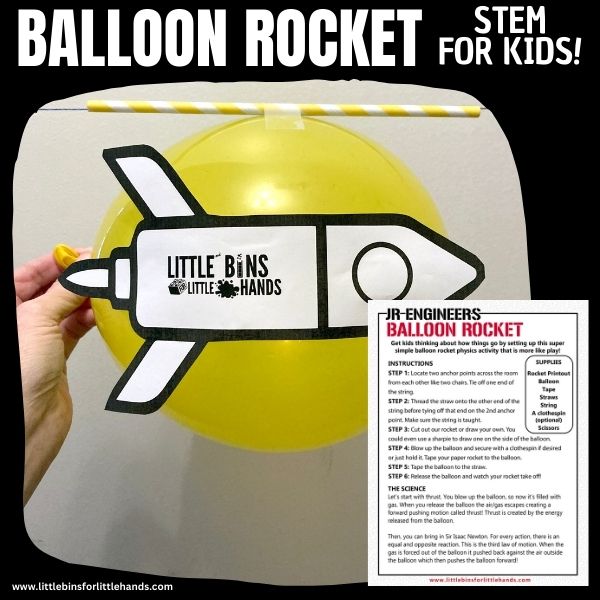
Balloon Rocket: Create a balloon rocket and measure its distance.
Paper Airplane Competition: Design different paper airplanes and test their flight distances.
Magnetic Slime: Make slime that reacts to magnets.
Light and Shadows: Experiment with different objects to see how they cast shadows.
Pulley System Challenge: Design and build a pulley system to lift different objects.
Sound Waves: Make a tin can telephone to demonstrate how sound travels.
Macro Refraction: Make “lenses” using water droplets to bend light and change how things look.
Friction Experiment: Use toy cars to study different forces and motion on ramps.
Electromagnet: Using electricity, make an electromagnet to pick up objects like paper clips.
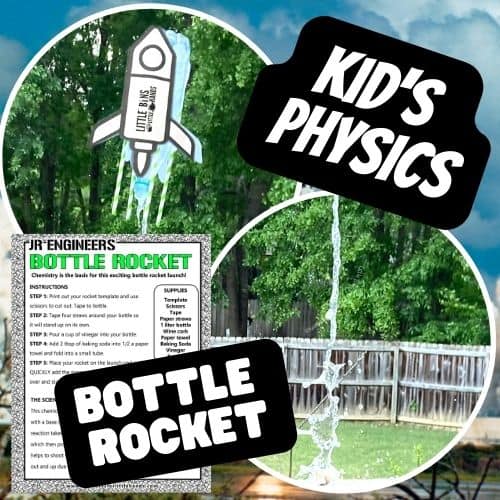
Water Bottle Rocket: Create a water bottle rocket and measure its launch height.
Saltwater Density Experiment: Explore whether objects sink or float in different types of liquids.
Pendulum Experiment: Test how the length of a pendulum affects its swing.
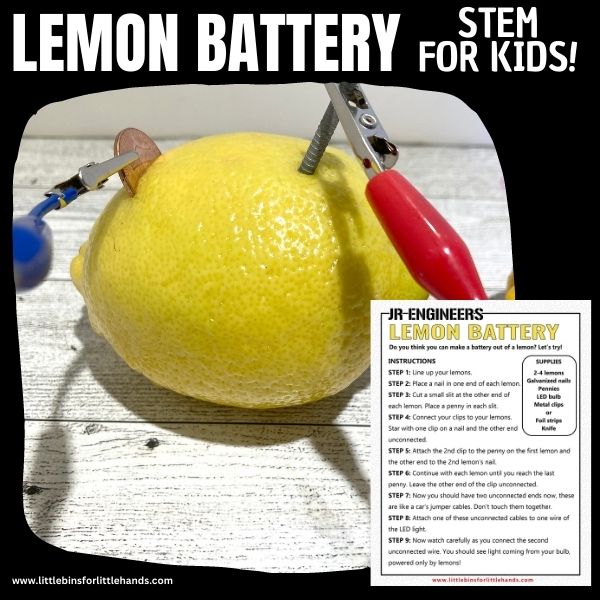
Electricity from Lemons: Generate electricity using fruit as a conductor in a simple experiment.
Homopolar Motor: Explore how a battery, a magnet, and a conductive wire interact to create motion.
Parachute Design: Investigate how factors such as parachute size, shape, and material affect the descent time of a simple parachute.
Coin Tower: Explore Newton’s First Law of Motion using a stack of coins.
Insulation: Test various materials to work out which makes the best insulator.
Earth Science
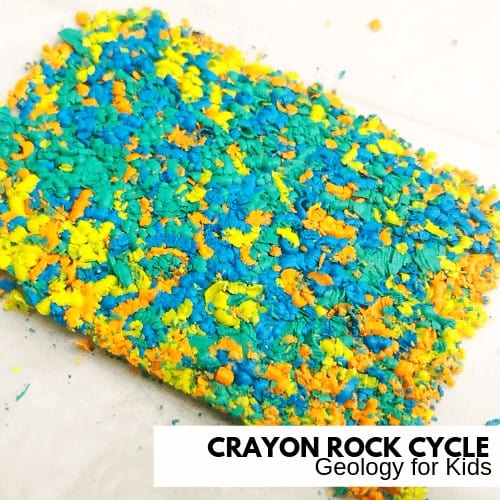
Rock Cycle Simulation: Use crayons to simulate the rock cycle.
Erosion Experiment: Simulate erosion with sand and water.
Tornado in a Bottle: Create a tornado simulation using two bottles.
Cloud Identification: Learn to identify different types of clouds.
Volcano Model: Build a model volcano and simulate an eruption.
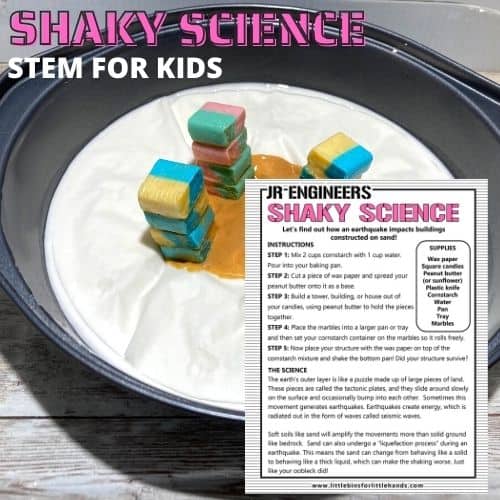
Earthquake Simulation: Use a shake table to study how buildings withstand earthquakes.
DIY Barometer: Use a barometer to make connections between air pressure and weather changes.
Lightning Investigation: Explore how static electricity in clouds leads to lightning.
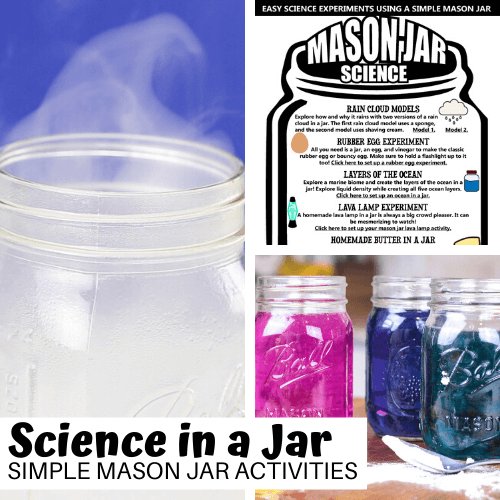
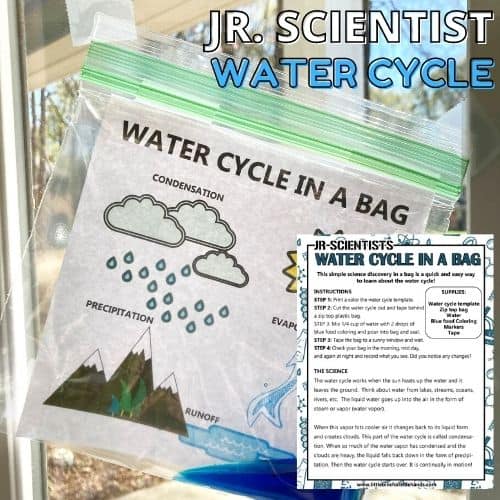
Water Cycle Model: Create a mini water cycle in a bag.
Ocean Layers Model: Construct a model showing the layers of the ocean and their characteristics.
Weather Station: Build a simple weather station to measure temperature, wind, and precipitation.
Renewable Energy Project: Research and present on different types of renewable energy sources.
Engineering
Bridge Building: Design and test bridges made from various materials.
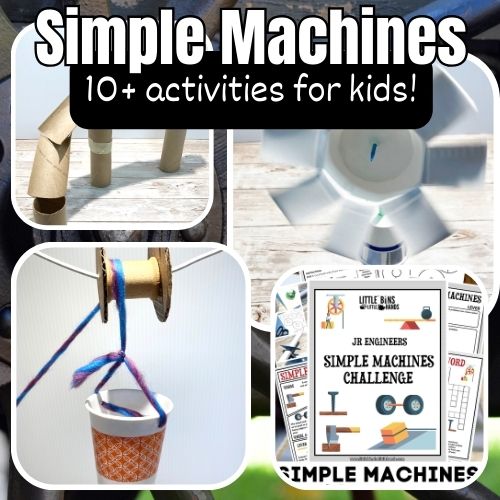
Simple Machines: Create models of simple machines like levers and pulleys.
Marble Run: Design a marble run using household items.
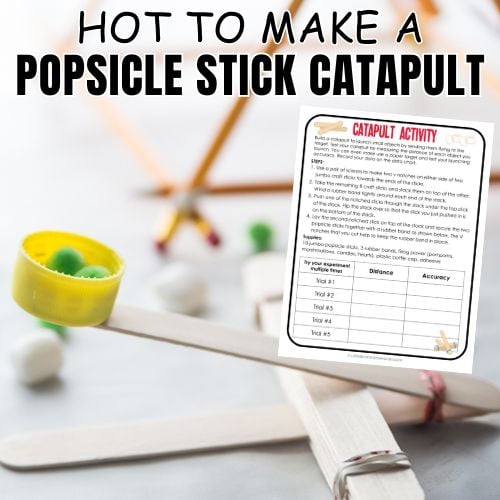
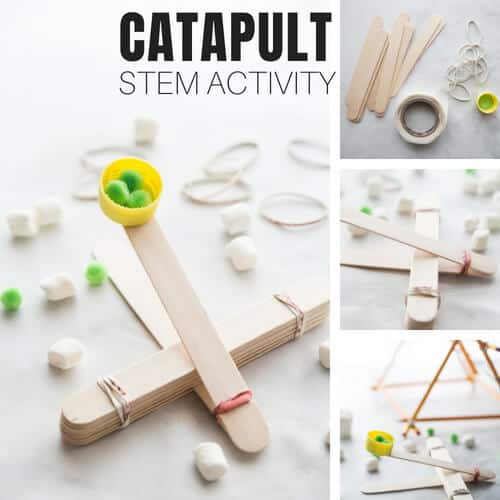
Catapult Construction: Build a small catapult and test its range.
Boat Building: Create boats from different materials and test their buoyancy.
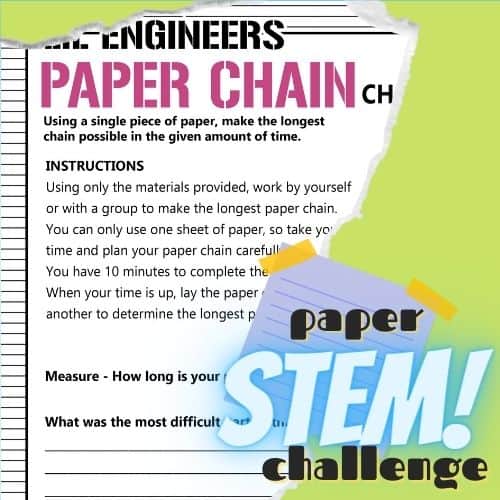
Tower Challenge: Build the tallest tower possible using only spaghetti and tape.
Egg Drop Challenge: Design a container to protect an egg from breaking when dropped.
Wind Turbine: Build a simple wind turbine and measure its energy output.
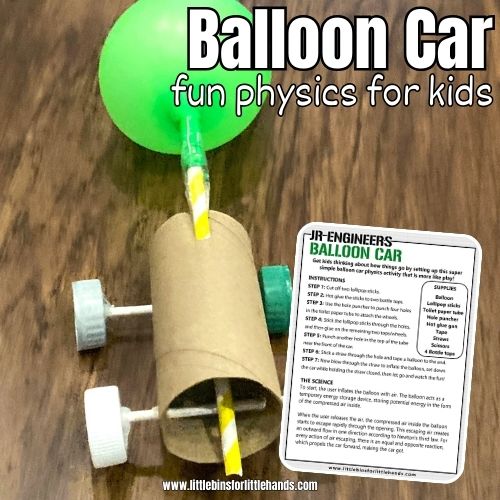
Balloon Car Race: Design and race cars powered by balloons.
Recycled Materials Challenge: Create an invention using only recycled materials.
Space and Astronomy
Constellation Viewer: Create a viewer to learn about different constellations.
Moon Phases: Create a model to demonstrate the phases of the moon.
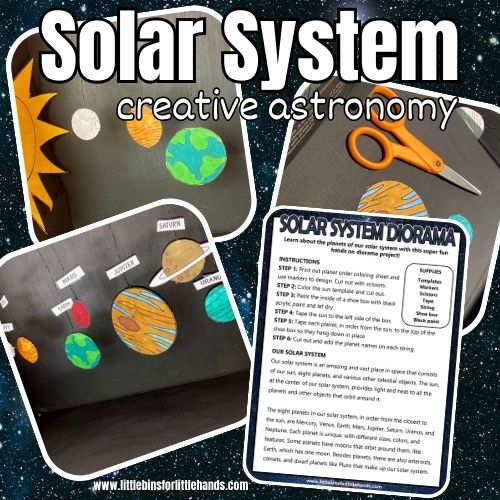
Solar System Model: Build a model of the solar system.
Rocket Launch: Build and launch a small model rocket.
Telescope Observation: Use a telescope to observe the moon and planets.
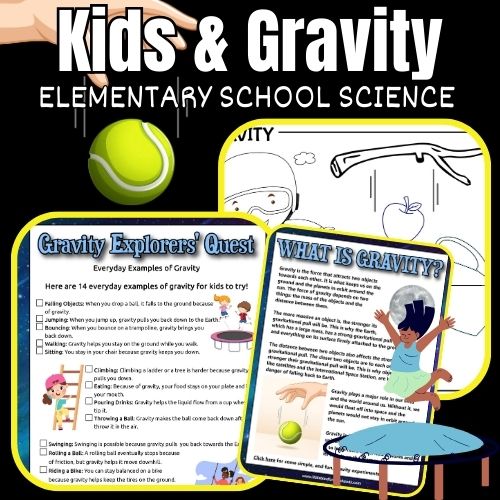
Gravity Experiment: Demonstrate gravity with simple experiments.
Star Chart: Create a star chart to learn about different stars.
Lunar Lander: Design and build a lunar lander model.
Helpful Science Resources To Get You Started
Here are a few resources that will help you introduce science more effectively to your kiddos or students and feel confident yourself when presenting materials. You’ll find helpful free printables throughout.
- Best Science Practices (as it relates to the scientific method)
- Science Vocabulary
- All About Scientists
- Free Science Worksheets
- DIY Science Kits
- Science Tools for Kids
- Scientific Method for Kids
- Citizen Science Guide
- Join us in the Club
Science Activities By Age Group
- Elementary Science by Season
- Science for 1st Grade
- Science for 2nd Grade
- Science for 3rd Grade
- Science for 5th Grade
- Science for 6th Grade
- Science for Middle School
Printable Science Projects For Kids
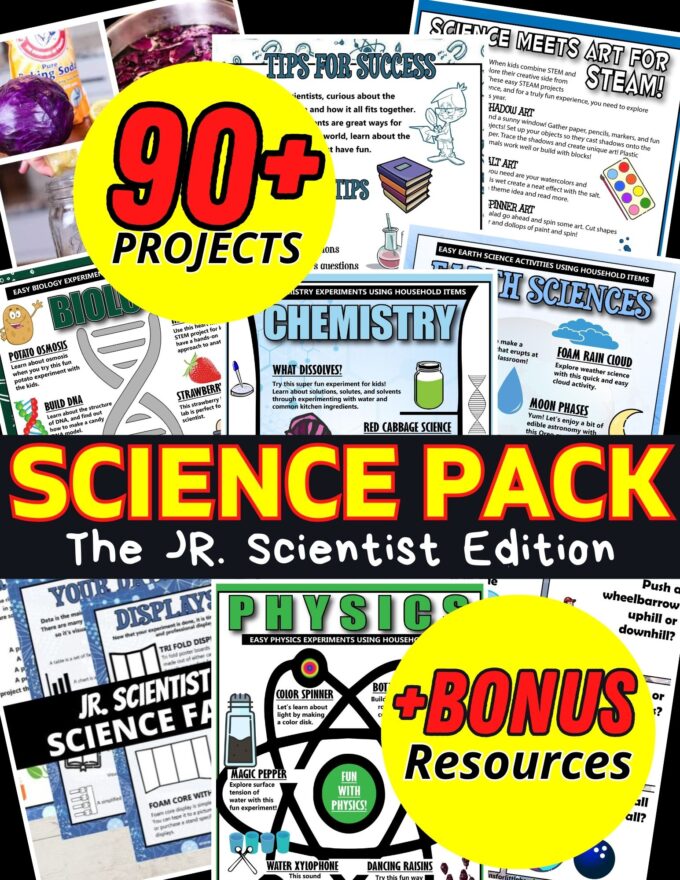
If you’re looking to grab all of our printable science projects in one convenient place plus exclusive worksheets and bonuses like a STEAM Project pack, our Science Project Pack is what you need! Over 300+ Pages!
- 90+ classic science activities with journal pages, supply lists, set up and process, and science information. NEW! Activity-specific observation pages!
- Best science practices posters and our original science method process folders for extra alternatives!
- Be a Collector activities pack introduces kids to the world of making collections through the eyes of a scientist. What will they collect first?
- Know the Words Science vocabulary pack includes flashcards, crosswords, and word searches that illuminate keywords in the experiments!
- My science journal writing prompts explore what it means to be a scientist!!
- Bonus STEAM Project Pack: Art meets science with doable projects!
- Bonus Quick Grab Packs for Biology, Earth Science, Chemistry, and Physics