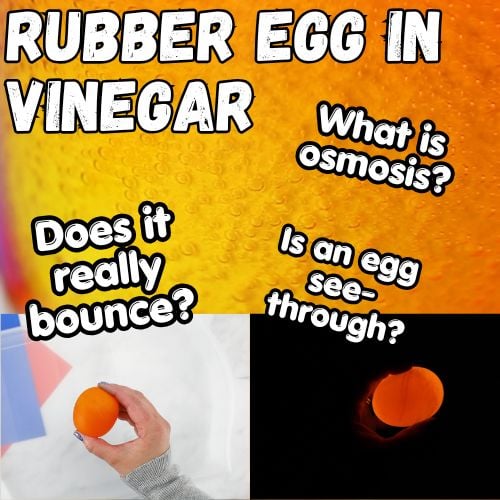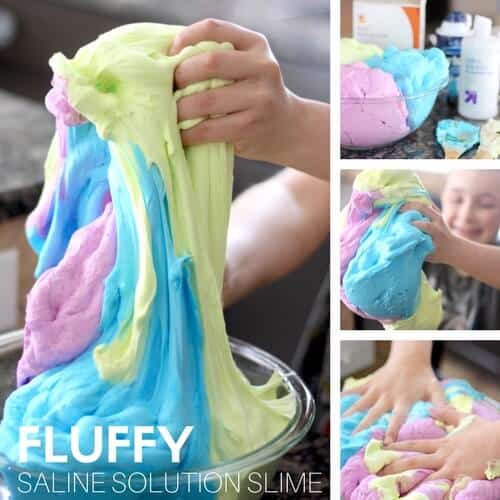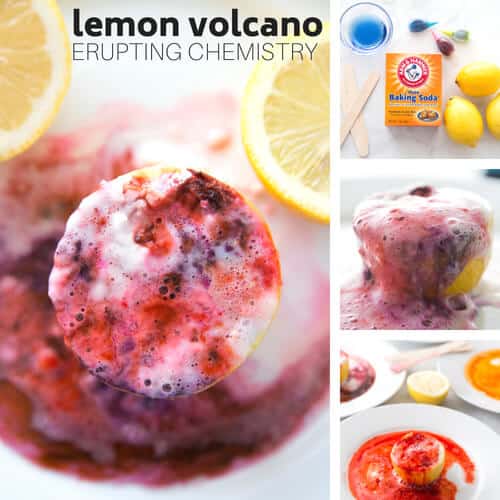

Explore the world, foster a sense of curiosity and a love for learning with these fun science project ideas for 5th graders. Whether at home or in the classroom, these 5th grade science projects will not only enhance students’ scientific knowledge but also develop their problem-solving skills and ability to conduct research.

5th Grade Science Topics
In 5th grade science, students typically cover a range of topics that build on foundational knowledge from previous grades and prepare them for more complex concepts in later years. Some common topics include:
- Earth Science: Earth’s layers and geological processes, weather and climate, and natural disasters (volcanoes, earthquakes, etc.). Solar system, phases of the moon and Earth’s rotation.
- Physical Science: Properties of matter (states of matter, physical and chemical changes), forces and motion and energy (forms of energy, energy transformations).
- Life Science: Ecosystems and habitats, life cycles of organisms, and adaptations and behavior of animals and plants.
- Engineering and Technology: Engineering Design Process, and application of science and technology (real world STEM).
- Scientific Inquiry and Process: Scientific method (hypothesis, experimentation, analysis), conducting experiments and recording data and using scientific tools and equipment.
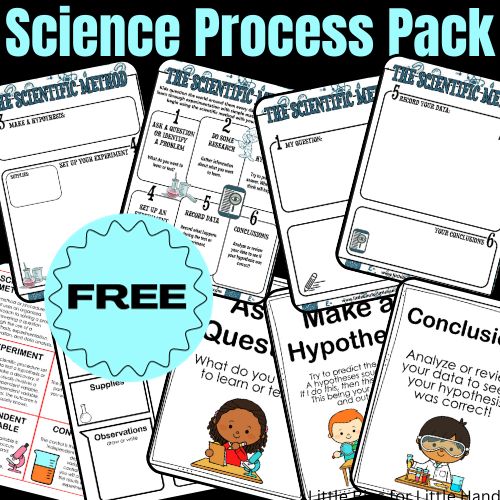
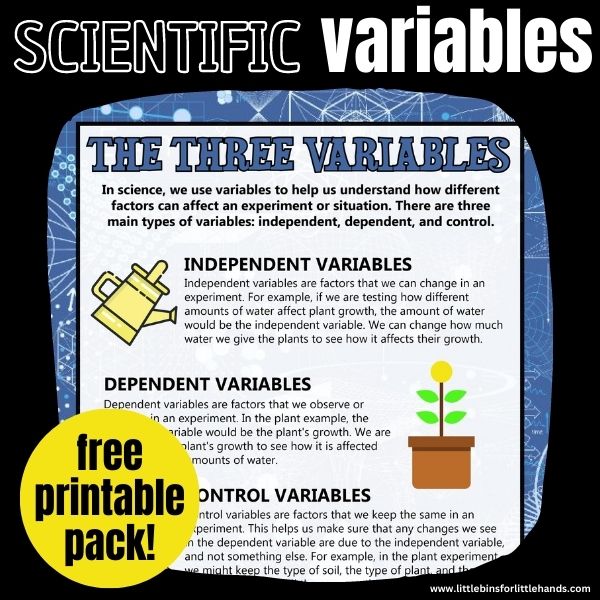
Free Printable Science Process Pack!
Science Experiments For 5th Graders
Click on the activities below for step by step instructions, and free printables!
Earth Science
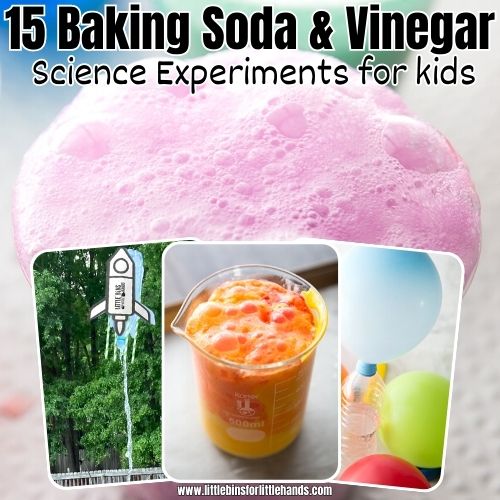
Modeling Volcanic Eruptions: Using baking soda and vinegar to simulate volcanic eruptions.
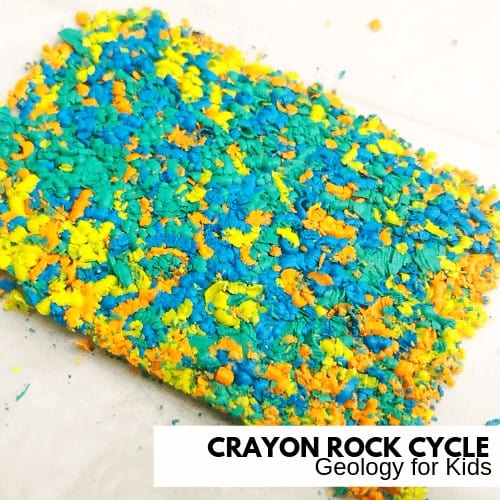
Rock Classification: Identifying and classifying different types of rocks based on their properties.
DIY Barometer: Use a barometer to make connections between air pressure and weather changes.
Weather Station: Build a simple weather station to measure temperature, wind, and precipitation.
Lightning Investigation: Explore how static electricity in clouds leads to lightning.
Water Cycle Demonstration: Creating a model to demonstrate the water cycle using a closed system.
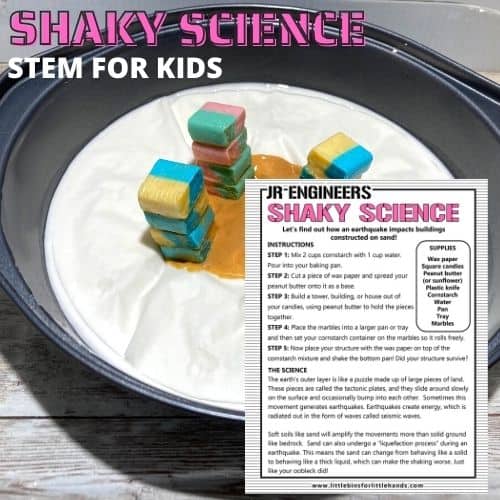
Building Earthquake-resistant Structures: Testing different designs to see which can withstand simulated earthquakes.
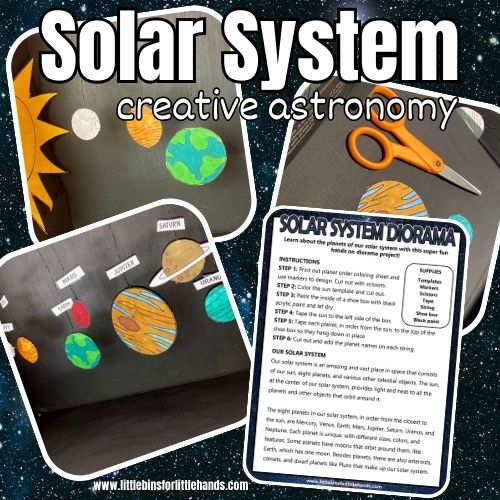
Solar System Models: Creating models of the solar system to scale using different materials.
Star Life Cycle: Create a poster or model showing the life cycle of a star.
Stellar Observation: Observing and documenting the phases of the moon over a month.
Constellation Study: Researching and identifying constellations visible in the night sky.
Physical Science
States of Matter: Observing and comparing the properties of solids, liquids, and gases.
Density Tower: Creating a density tower using liquids of different densities.
Saltwater Density Experiment: Explore whether objects sink or float in different types of liquids.
Balloon Rocket: Investigating forces and motion by launching a balloon-powered rocket.
Electromagnet: Using electricity, make an electromagnet to pick up objects like paper clips.
Parachute Project: Investigate how factors such as parachute size, shape, and material affect the descent time of a simple parachute.
Macro Refraction: Make “lenses” using water droplets to bend light and change how things look.
Friction Experiment: Use toy cars to study different forces and motion on ramps.
Potato Straw Experiment: Explore how a weak paper straw can become strong enough to puncture a potato using air pressure.
Coin Tower: Explore Newton’s First Law of Motion using a stack of coins.
Homopolar Motor: Explore how a battery, a magnet, and a conductive wire interact to create motion.
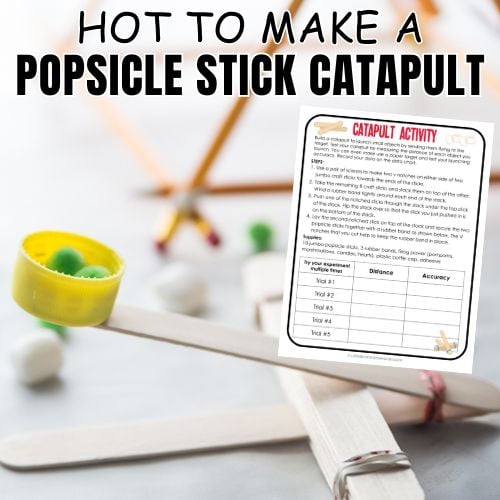
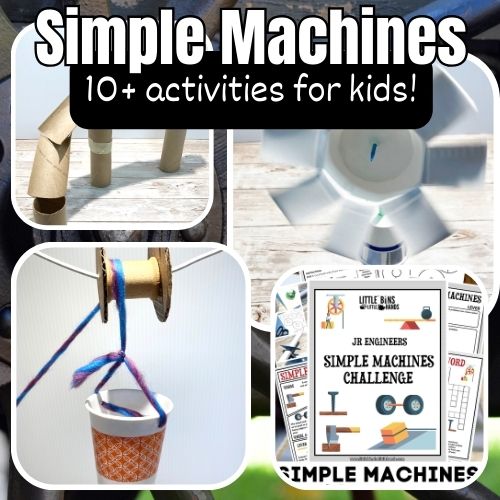
Simple Machines: Building and testing simple machines like levers, pulleys, or inclined planes.
Electric Circuits: Building circuits with a potato to understand how electricity flows.

Life Science
Plant Growth Experiment: Explore how light, water, and temperature affect plant growth.
Observe Transpiration: Set up a simple experiment to see how plants lose water through their leaves.
Iodine Starch Test: Find out which foods contain starch by using iodine.
Respiration in Action: Demonstrate respiration by using leaves and water in a closed environment.
Seed Germination: Investigate how different variables like light, temperature, and water affect seed germination rates.
Biomes of the World: Create presentations or models of different biomes, detailing the climate, plants, animals, and adaptations unique to each.
Leaf Chromatography: Perform chromatography on leaves to separate and identify the different pigments involved in photosynthesis.
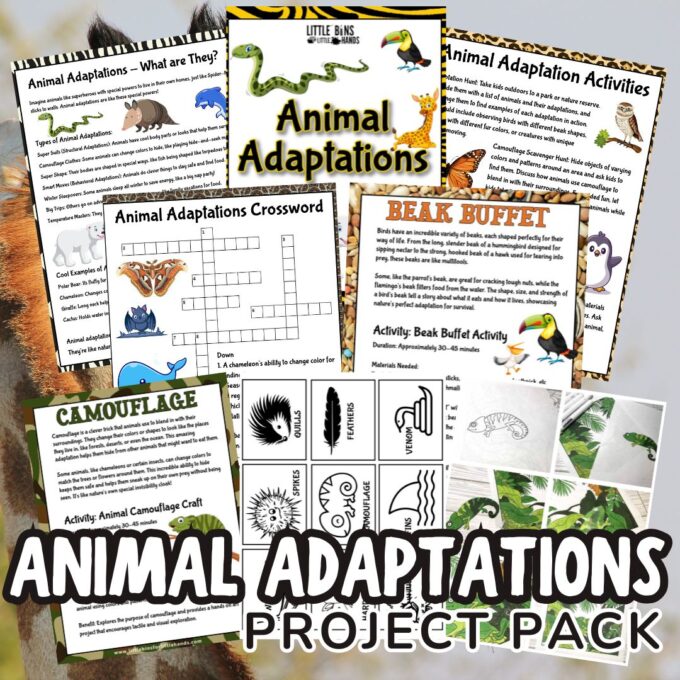
Animal Adaptations: Studying how different animals are adapted to their environments.
Animal Habitat Diorama: Create a diorama showcasing a specific animal habitat, including the flora and fauna that thrive there.
Wingspan Investigation: Measure and compare wingspans to study proportional relationships in biology.
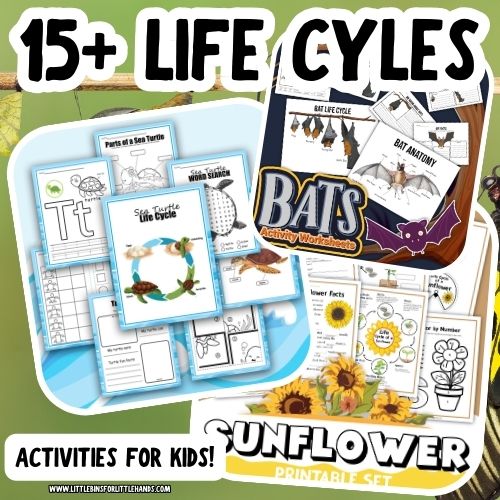
Life Cycles: Observing and documenting the life cycle of a butterfly or frog.
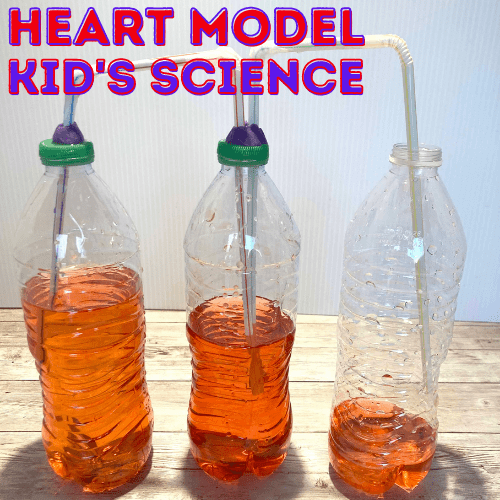
Heart Model: Build a model of a human body system (e.g., respiratory, digestive) and explain its functions and components.
Heart Rate: Explore what happens to your heart rate when you exercise.
Reaction Time: Explore the science behind reflexes with this reaction time experiment.
Environmental Science
Air Pollution: Studying the effects of air pollution by comparing air quality in different locations.
Water Filtration: Building and testing a water filtration system to purify dirty water.
Composting: Setting up a compost bin and observing decomposition over time.
Carbon Footprint: Calculate your household’s carbon footprint and suggest ways to reduce it.
Habitat Restoration: Participating in a local habitat restoration project and documenting changes.
Pollinator Gardens: Creating a garden to attract pollinators and observing their behavior.
Engineering and Design
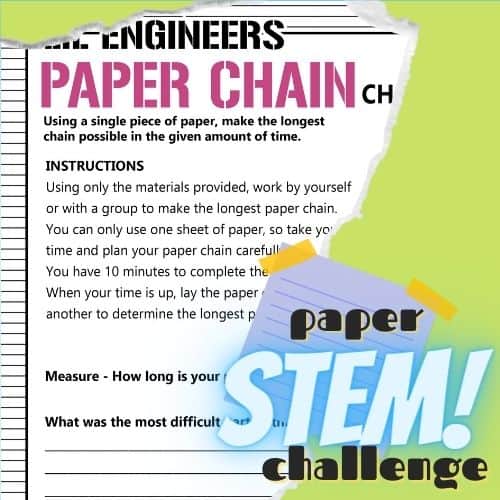
Paper Bridge: Build a bridge using only paper and tape that can hold as many pennies as possible.
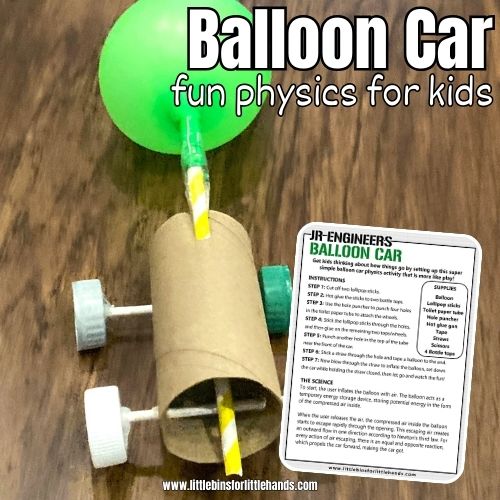
Balloon Powered Car: Construct a car powered by a balloon and measure how far it travels.
Egg Drop Challenge: Designing a container to protect an egg from breaking when dropped from a height.
Robotic Car: Build a simple robot car using a kit.
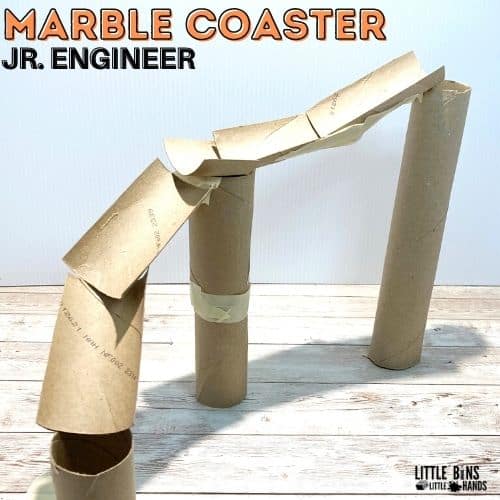
Marble Roller Coaster: Create a roller coaster for a marble using cardboard tubing, making sure it includes hills and loops.
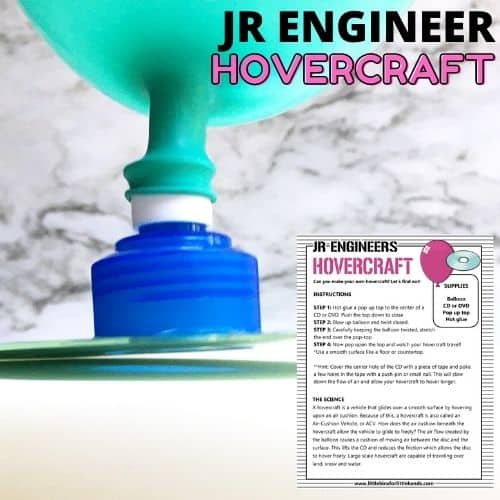
Hovercraft: Build a simple hovercraft using a balloon and a CD, then test its movement.
Chemistry
Chemical Reactions: Investigating chemical reactions by mixing baking soda and vinegar.
Acid-Base Testing: Testing the pH of various household substances to classify them as acids or bases.
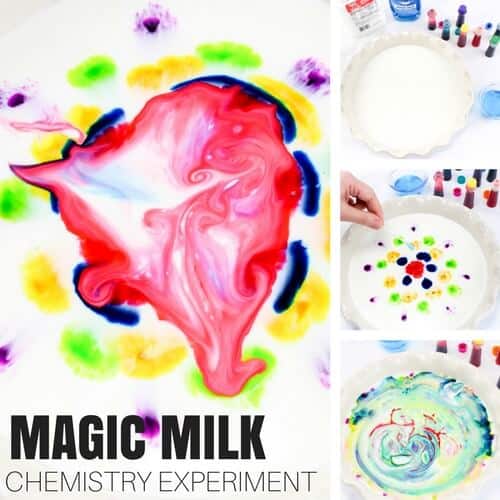
Magic Milk Experiment: Exploring surface tension and chemistry by using milk, food coloring, and dish soap.
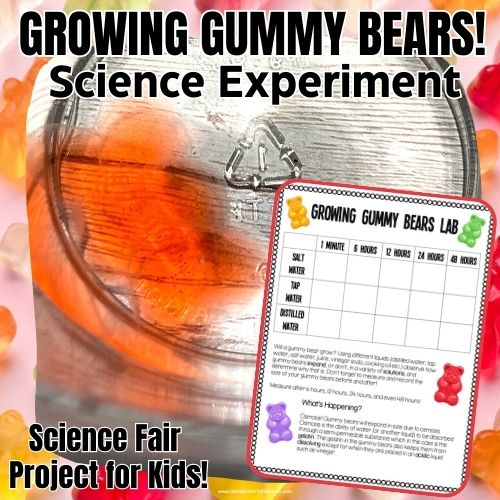
Gummy Bear Osmosis: Investigating osmosis by observing the effects of placing gummy bears in different liquids.
Elephant Toothpaste: Create a foamy reaction with hydrogen peroxide and yeast.
Carbon Sugar Snake: Create a fiery chemical reaction that produces a slithering black like snake.
Chromatography: Separate the colors in markers using coffee filters and water.
Separating Mixtures: Explore different ways to separate mixtures base on their physical properties.
Hot and Cold Water: Demonstrate the effects of temperature on water density.
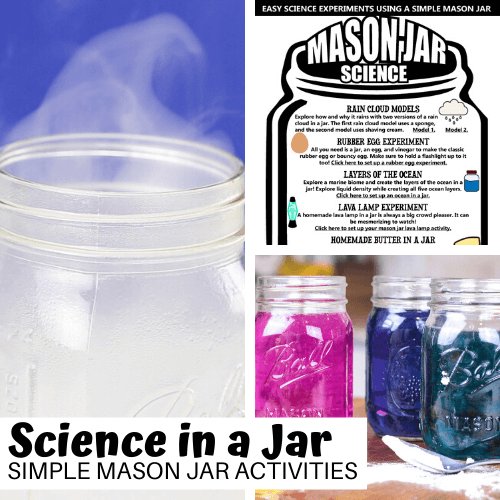
Lava Lamp: Make a lava lamp with oil, water, and Alka-Seltzer tablets.
Alka Seltzer Boat: Propel a boat with a Alka Seltzer chemical reaction.
Invisible Ink: Write secret messages using lemon juice and reveal them with heat.
Crystal Growing: Growing crystals using common household items like salt or sugar.
Scientific Inquiry and Process
Experimental Design: Designing an experiment to test a hypothesis, such as the effect of sunlight on plant growth.
Data Collection: Conducting surveys and experiments to collect and analyze data on a scientific question.
Graphing Skills: Creating graphs (bar graphs, line graphs) to represent data collected from experiments.
Variables Investigation: Identifying and manipulating independent and dependent variables in experiments.
Science Fair Project: Planning and executing a science fair project on a topic of interest.
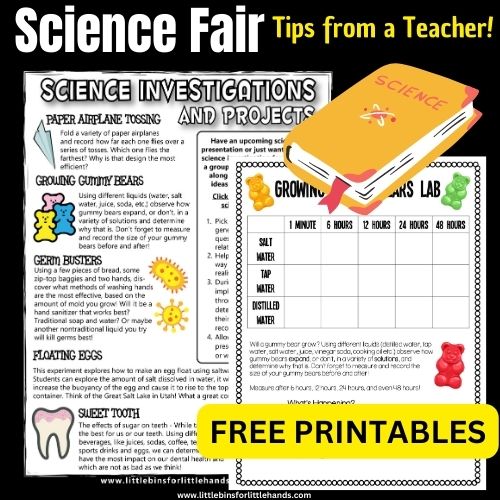
FREE Printable Science Fair Guide!
This simple packet of information will help your kiddos get started with their science fair project.

Helpful Science Resources To Get You Started
Here are a few resources that will help you introduce science more effectively to your kiddos or students and feel confident yourself when presenting materials. You’ll find helpful free printables throughout.
- Best Science Practices (as it relates to the scientific method)
- Science Vocabulary
- All About Scientists
- Free Science Worksheets
- DIY Science Kits
- Science Tools for Kids
- Scientific Method for Kids
- Citizen Science Guide
- Join us in the Club
Science Experiments By Age Group
As kiddos get older, they can bring more complexity to the experiments, including using the scientific method, developing hypotheses, exploring variables, creating different tests, and writing conclusions from analyzing data.
- Science for Toddlers
- Science for Preschoolers
- Science for Kindergarten
- Elementary Science by Season
- Science for 1st Grade
- Science for 2nd Grade
- Science for 3rd Grade
- Science for 4th Grade
- Science for 6th Grade
- Science for Middle School
Printable Science Projects For Kids
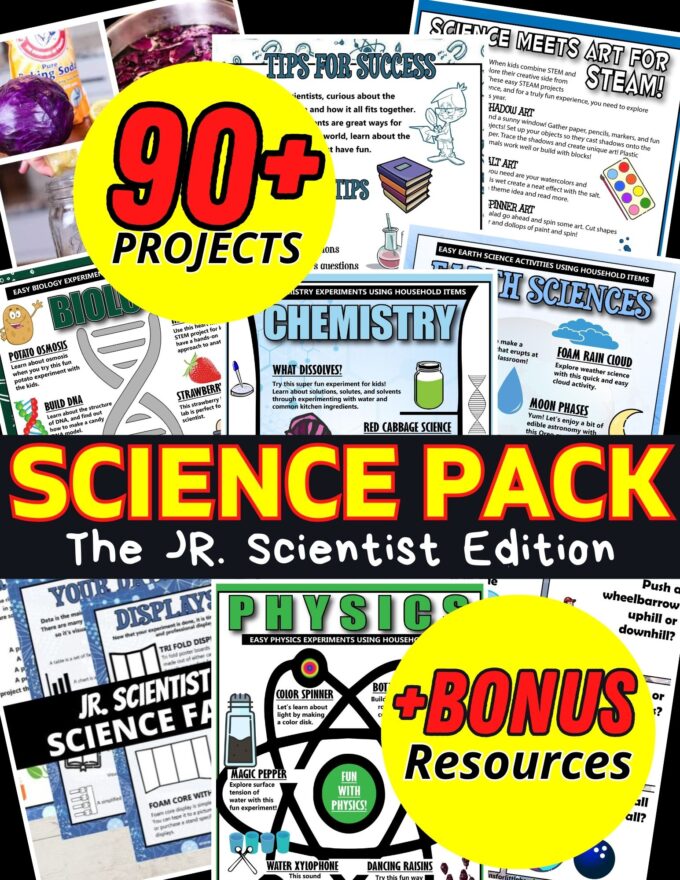
If you’re looking to grab all of our printable science projects in one convenient place plus exclusive worksheets and bonuses like a STEAM Project pack, our Science Project Pack is what you need! Over 300+ Pages!
- 90+ classic science activities with journal pages, supply lists, set up and process, and science information. NEW! Activity-specific observation pages!
- Best science practices posters and our original science method process folders for extra alternatives!
- Be a Collector activities pack introduces kids to the world of making collections through the eyes of a scientist. What will they collect first?
- Know the Words Science vocabulary pack includes flashcards, crosswords, and word searches that illuminate keywords in the experiments!
- My science journal writing prompts explore what it means to be a scientist!!
- Bonus STEAM Project Pack: Art meets science with doable projects!
- Bonus Quick Grab Packs for Biology, Earth Science, Chemistry, and Physics